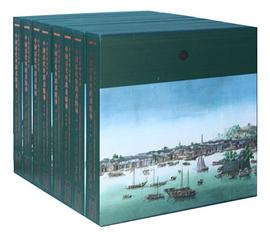
海外中国艺术研究
大英图书馆特藏中国清代外销画精华 豆瓣
作者: 王次澄等编著 出版社: 广东人民出版社 2011 - 7
《大英图书馆特藏中国清代外销画精华》是由中共广东省委常委、宣传部长林雄任编委会主任,省委宣传部副部长顾作义、广东省新闻出版局局长朱仲南、广东省出版集团董事长王桂科、广东省政协委员黄尚立任副主任,中国社会科学院历史研究所宋家钰研究员、英国伦敦大学亚非学院中文系卢庆滨主任和王次澄教授、大英图书馆中文部主任吴芳思博士等四位学者编著,是中英学者共同合作的重点项目。
该书承大英图书馆授权,将该馆珍藏的中国清代外销画首次公布并在中国出版,其中相当多的画作是罕见的藏品,有的更是存世的珍贵孤本。该书共8卷(每卷1册),收入748幅外销画,100多万字。每幅画都注明馆藏编号、画作时间、画作种类、原画尺寸。1至6卷是反映广东题材的画作,7至8卷是反映北京题材的画作。
该书按画的内容分为15类:
1.广州港和广州府城画;
2.历代人物服饰组画;
3.广州街市百业组画;
4.佛山手工制造业作坊组画;
5.广东官府衙门建筑、陈设及官吏仪仗器用画;
6.刑罚组画;
7.园林宅第组画;
8.宗教建筑、祭祀陈设画;
9.劝戒鸦片烟组画;
10.室内陈设组画;
11.海幢寺组画;
12.戏剧组画;
13.广东船舶与江河风景组画;
14.北京社会生活与风俗组画;
15.北京店铺招幌组画。
本书的《编著说明》,就本书《导论》和各组画《概述》的撰写、图版的编辑、图画的考释等方面加以说明。
本书每组画均有《概述》,主要敍述该组画所反映的历史内容和对这些基本内容的分析考释,介绍与这些绘画相关的一些中外重要历史记载,考证部分绘画的作者年代,指出该组画的价值。根据中外历史记载,对画作进行考释。
本书的《导论》长达5万多字,在“外销画的先驱”、“外销画的收藏和收藏家”、“外销画家及画技传承”、“本书收录之外销画藏品”、“外销画的重要研究成果”和“新出版图集”等方面,进行了全面系统深入的介绍和论述。同时,指出了西方某些画家和作家在前人画作的基础上胡乱重组或并凑,导致出现移花接木、张冠李戴、误导读者的现象,劝告人们在使用分析外销画时,应秉持小心求证的态度。具有很高的研究水平和学术价值。
国家清史编纂委员会主任、中国人民大学著名教授戴逸先生为本书作序,充分肯定了编著者对清代外销画内容和性质界定的重要意义,判定外销画真实性的历史价值和重要贡献,考证外销画源流的重要成果,考释图画内容的以图证史、以史证图的研究经验和方法,对本书作了高度评价。
本书是中英学者成功合作的重要成果,是“走出去”的重点项目。为了方便中外读者的阅读和研究,本书采用了中英文对照,中文排繁体字,是一套画卷珍贵、艺术性高、资料丰富、考释详细、学术性强、印制精美的鸿篇巨制。本书的出版,填补了我国美术史的空白,不但在美术史和艺术史研究方面具有很高的价值,而且在清史、社会史、民俗史、建筑史、船舶史、中外文化交流史等方面,都具有很高的文献价值、研究价值和收藏价值,必将在海内外产生重大影响。
尤其值得一提的是,书中的《广州港和广州府城画》这幅长卷,原画长920厘米,高74厘米,为绢裱本卷轴水粉画,创作时间约在清乾隆二十五年(1760),是英国人雇用中国画家为纪念其在广州商贸经历而作,是英皇佐氏三世的藏画。此画画面,西起广州府城西边珠江上游的黄沙、柳波涌的西关炮台,东至广州府城东边珠江下游的大沙头、东水炮台,所画内容是广州港口、广州府城和珠江此段沿岸风景,画有大小码头和各类官私、宗教、中西建筑200多处,各种停泊或行驶的船舶四五百艘,岸上和船上人物六七百余,生动、形象、真实地再现了250年前长达八九公里的广州贸易口岸的繁荣景象,被人称为精美珍贵的“广州清明上河图”, 令人叹为观止。
在诸多外销画中,此画最典型地表现了中外画技的融会和交流。在清代部分采用西方画技绘制的同类题材、形式的外销画中,是创作时间较早、画幅最大、绘制最精的画作,不论在历史资料或绘画艺术上,都具有无可比拟的珍贵价值。
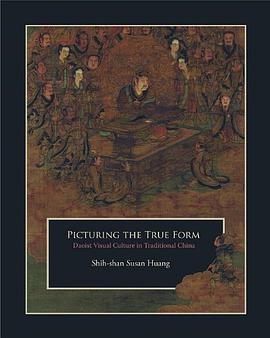
Picturing the True Form 豆瓣
作者: Shih-shan Susan Huang / 黄士珊 出版社: Harvard University Asia Center 2012 - 8
Picturing the True Form investigates the long-neglected visual culture of Daoism, China's primary indigenous religion, from the tenth through thirteenth centuries with references to earlier and later times. In this richly illustrated book, Susan Huang provides a comprehensive mapping of Daoist images in various media, including Dunhuang manuscripts, funerary artifacts, paintings, and other charts, illustrations, and talismans preserved in the fifteenth-century Daoist Canon. True form (zhenxing), the key concept behind Daoist visuality, is not a static picture but entails an active journey of “seeing” underlying and secret phenomena through a series of metamorphoses.
The book's structure mirrors the two-part Daoist journey from inner to outer. Part I focuses on inner images associated with meditation and visualization practices for self-cultivation and longevity. Part II investigates the visual and material dimensions of Daoist ritual. Interwoven through these discussions is the idea that the inner and outer mirror each other and the boundary demarcating the two is fluent. Huang also reveals three central modes of Daoist symbolism—aniconic, immaterial, and ephemeral—and shows how Daoist image-making goes beyond the traditional dichotomy of text and image to incorporate writings in image design. These particular features distinguish Daoist visual culture from its Buddhist counterpart.
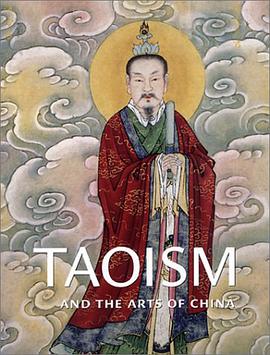
Taoism and the Arts of China 豆瓣
作者: Stephen Little / Kristofer Schipper 出版社: University of California Press 2000 - 11
Taoism and the Arts of China brings together a remarkable collection of art from one of China's most ancient and influential traditions. Produced to accompany the first major exhibition ever organized on the Taoist philosophy and religion, this opulent book includes more than 150 works of art from as early as the late Zhou dynasty (fifth-third century b.c.) to the Qing dynasty (1644-1911). Many of these works are paintings that show the breathtaking range of style and subject that makes the Taoist heritage so rich. Sculpture, calligraphy, rare books, textiles, and ritual objects are also represented.
Like the exhibition, the book is organized thematically. It begins with the sage Laozi (to whom the Daode Jing is attributed), and moves on to explore the birth of religious Taoism and the interaction between Taoism, Buddhism, and Confucianism. A wealth of subjects are covered: the gods of the Taoist pantheon, ritual, the boundaries and intersections between Taoism and popular religion, Taoist Immortals and Realized Beings, the role of alchemy, sacred landscape and its significance, and Taoist temples and their architecture.
Taoism and the Arts of China includes an engaging series of introductory essays by scholars with a deep understanding of their subjects. Among the topics discussed are a historical introduction to Taoism, archaeological evidence for early Taoist art, and a general introduction to the functions of art in religious Taoism. Lavishly illustrated with over 150 color images, this volume affords a sweeping view of an artistic terrain that until now has received too little exposure in the West. Its publication constitutes a major advance in Western understanding of this important tradition.
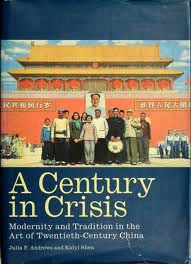
A Century in Crisis 豆瓣
《危机中的一世纪:20世纪中国艺术中的传统与现代》
作者: Julia F. Andrews 安雅兰 / Kuiyi Shen 沈揆一 出版社: Solomon R Guggenheim Museum 1998 - 1
本书是美国著名中国现代美术史学者安雅兰1998年在纽约古根海姆博物馆策划的大型展览“危机中的一个世纪:20世纪中国艺术中的现代与传统”的展览图录。该展览试图对一个世纪以来的中国艺术作一次概括性的回顾和总结。在书中作者把现当代中国美术划分为四个时期,即“中国画的革新,1850一1950";“现代主义者,1920-1950";“新中国艺术,1950-1980";以及“传统的改造,1980至今”,并分别描述和分析了各个时期的风格特点以及其时代特征。
Between 1850 and today, China has undergone an unprecedented series of shocks and transformations. This dramatic period -- which has seen urban industrialization, conquest by foreign powers, civil wars, changing governments, and, more recently, a gradual opening to the international community -- has also marked an explosion of artistic experimentation and innovation. Spanning 150 spectacular years of artistic production, A Century in Crisis -- which accompanied a landmark exhibition at the Guggenheim Museum SoHo in early 1998 -- offers the first systematic exploration of modern and contemporary Chinese art.
Essays by leading scholars show the ways in which Chinese artists have grappled with modernity, tradition, self-definition, and the adoption and rejection of Western conventions. Sumptuous colorplates showcase a dazzling array of achievements -- including Shanghai School paintings, modern calligraphy, commercial art, 1920s and '30s woodblock prints, modern guohua (traditional ink and color paintings), socialist realist paintings, and other contemporary works.
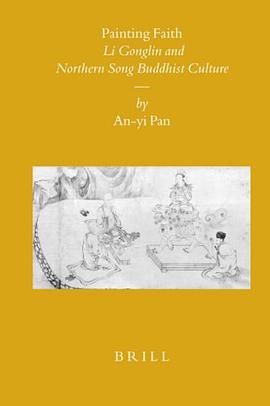
Painting Faith 豆瓣
作者: An-Yi Pan 出版社: Brill Academic Publishers 2007 - 9
Despite Li Gonglin’s (ca. 1049-1106) deep faith in Buddhism and the large number of recorded and extant Buddhist paintings associated with or ascribed to this great painter, twentieth century scholarship on Li Gonglin has focused primarily on his literatus identity and Confucian art oeuvres. This book departs from this traditional view to establish Li Gonglin’s importance in Chinese Buddhist art history through both the local Longmian Chan and the larger Northern Song religious contexts. It offers a fresh understanding of the impact the intermingling of Tiantai, Pure Land, Huayan and Chan philosophies and practices had on Li Gonglin’s faith and art. Painting Buddhist subjects to Li Gonglin was an expression of faith.
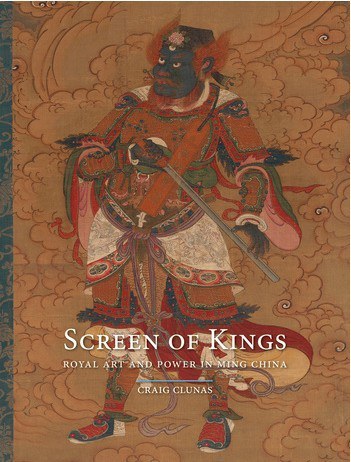
Screen of Kings 豆瓣
作者: Craig Clunas 出版社: University of Hawai'i Press 2013 - 6
Screen of Kings is the first book in any language to examine the cultural role of the regional aristocracy or ‘kings’ – relatives of the emperors – in Ming dynasty China (1368–1644). Through an investigation of their patronage of architecture, calligraphy, painting and other art forms, and through examination of the contents of their splendid and recently excavated tombs, this innovative study puts the aristocracy back at the heart of accounts of China’s cultural and artistic histories, from which they have until very recently been excluded.
In this book, Craig Clunas sheds new light on many familiar artworks, as well as works that have never before been reproduced. Screen of Kings challenges much of the received wisdom about Ming China; new archaeological discoveries have furnished us with evidence of the lavish, spectacular lifestyles of the country’s provincial kings and demonstrate how central the imperial family was to the high culture of the Ming era.
Written by the leading specialist in the art and culture of the Ming period, this new work of scholarship illuminates a key aspect of China’s past, and will significantly alter our understanding of Ming dynastic power and relations. It will be enjoyed by anyone with a serious interest in the history and art of this great civilization.