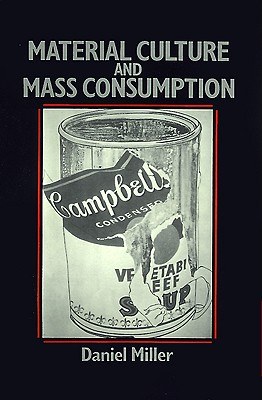
Material Culture and Mass Consumption 豆瓣 谷歌图书
作者:
Daniel Miller
出版社:
Oxford: Blackwell
1991
- 12
Drawing on a range of examples from Western and developing cultures, this book offers a re-reading of the contemporary society as the product of both individual and collective identity and behaviour. Marxist interpretations of the expansion in the range and number of material goods have tended to view people as estranged from the objects they produce, while massive consumption reinforces the fragmented and individualistic nature of capitalism. In this book, the author develops a more positive theory of material culture, revealing the creative potential in the relationship between people and goods. He argues that rather than being oppressed by them, people redefine material objects to make them express themselves and their cultures. He shows that everyday objects reflect not only personal tastes and attributes, but also moral principles and social ideals.