深度学习
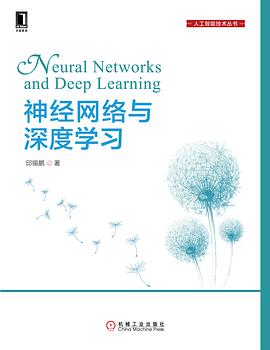
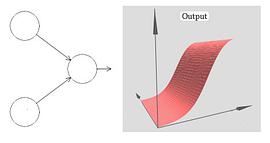
Neural Networks and Deep Learning 豆瓣
Michael Nielsen
作者:
Michael Nielsen
2016
- 1
http://neuralnetworksanddeeplearning.com/
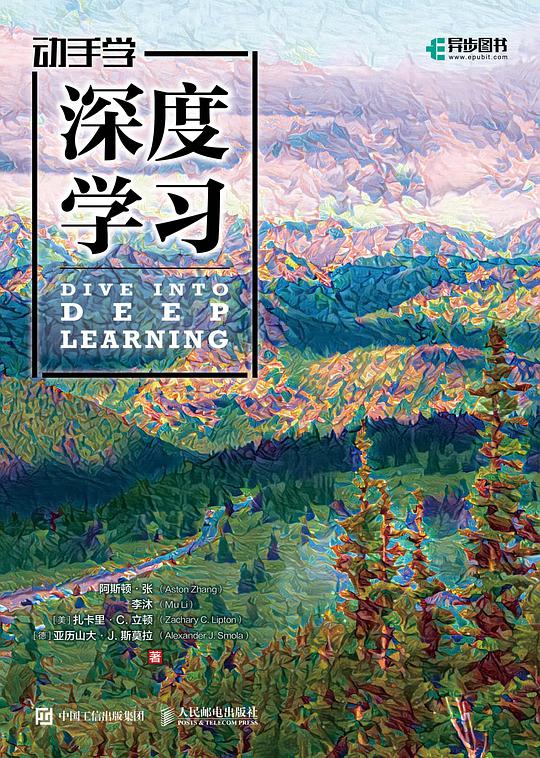
动手学深度学习 豆瓣
Dive into deep learning
9.0 (11 个评分)
作者:
阿斯顿·张(Aston Zhang)
/
李沐(Mu Li)
…
出版社:
人民邮电出版社
2019
- 6
本书旨在向读者交付有关深度学习的交互式学习体验。书中不仅阐述深度学习的算法原理,还演示它们的实现和运行。与传统图书不同,本书的每一节都是一个可以下载并运行的 Jupyter记事本,它将文字、公式、图像、代码和运行结果结合在了一起。此外,读者还可以访问并参与书中内容的讨论。
全书的内容分为3个部分:第一部分介绍深度学习的背景,提供预备知识,并包括深度学习最基础的概念和技术;第二部分描述深度学习计算的重要组成部分,还解释近年来令深度学习在多个领域大获成功的卷积神经网络和循环神经网络;第三部分评价优化算法,检验影响深度学习计算性能的重要因素,并分别列举深度学习在计算机视觉和自然语言处理中的重要应用。
本书同时覆盖深度学习的方法和实践,主要面向在校大学生、技术人员和研究人员。阅读本书需要读者了解基本的Python编程或附录中描述的线性代数、微分和概率基础。
全书的内容分为3个部分:第一部分介绍深度学习的背景,提供预备知识,并包括深度学习最基础的概念和技术;第二部分描述深度学习计算的重要组成部分,还解释近年来令深度学习在多个领域大获成功的卷积神经网络和循环神经网络;第三部分评价优化算法,检验影响深度学习计算性能的重要因素,并分别列举深度学习在计算机视觉和自然语言处理中的重要应用。
本书同时覆盖深度学习的方法和实践,主要面向在校大学生、技术人员和研究人员。阅读本书需要读者了解基本的Python编程或附录中描述的线性代数、微分和概率基础。
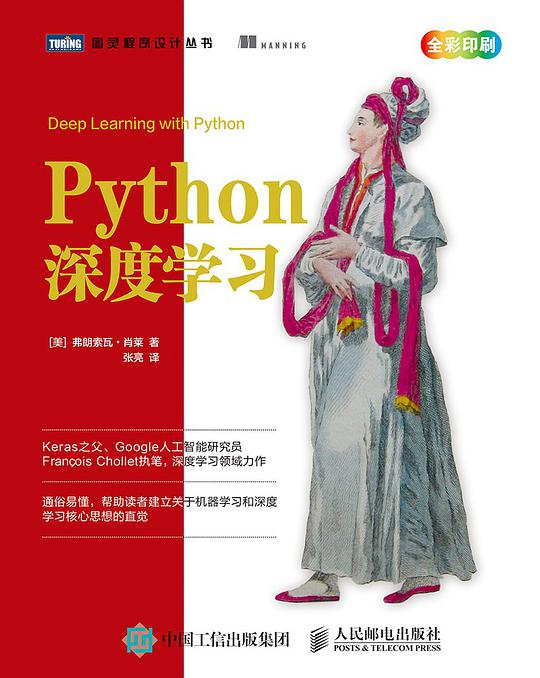
Python深度学习 豆瓣 Goodreads
Deep Learning with Python
本书由Keras之父、现任Google人工智能研究员的弗朗索瓦•肖莱(François Chollet)执笔,详尽介绍了用Python和Keras进行深度学习的探索实践,涉及计算机视觉、自然语言处理、生成式模型等应用。书中包含30多个代码示例,步骤讲解详细透彻。由于本书立足于人工智能的可达性和大众化,读者无须具备机器学习相关背景知识即可展开阅读。在学习完本书后,读者将具备搭建自己的深度学习环境、建立图像识别模型、生成图像和文字等能力。
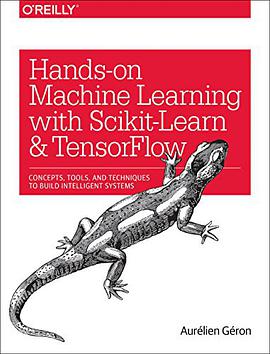
Hands-On Machine Learning with Scikit-Learn and TensorFlow 豆瓣
8.7 (6 个评分)
作者:
Aurélien Géron
出版社:
O'Reilly Media
2017
- 1
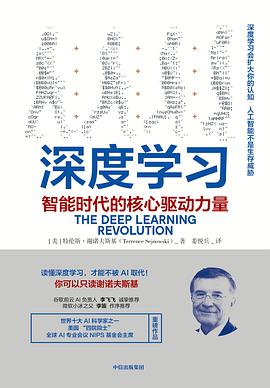
深度学习 豆瓣
The Deep Learning Revolution
7.2 (5 个评分)
作者:
[美]特伦斯·谢诺夫斯基(Terrence Sejnowski)
译者:
姜悦兵
出版社:
中信出版集团
2019
- 2
全球科技巨头纷纷拥抱深度学习,自动驾驶、AI医疗、语音识别、图像识别、智能翻译以及震惊世界的AlphaGo,背后都是深度学习在发挥神奇的作用。深度学习是人工智能从概念到繁荣得以实现的主流技术。经过深度学习训练的计算机,不再被动按照指令运转,而是像自然进化的生命那样,开始自主地从经验中学习。
本书作者特伦斯·谢诺夫斯基是全球人工智能十大科学家之一、深度学习先驱及奠基者,亲历了深度学习在20世纪70年代到90年代的寒冬。但他和一众开拓者,利用大数据和不断增强的计算能力,终于在神经网络算法上取得重大突破,实现了人工智能井喷式的发展。
作为深度学习领域的通识作品,本书以恢弘的笔触,通过3个部分全景展现了深度学习的发展、演变与应用,首次以亲历者视角回溯了深度学习浪潮在过去60年间的发展脉络与人工智能的螺旋上升,并前瞻性地预测了智能时代的商业图景。
本书作者特伦斯·谢诺夫斯基是全球人工智能十大科学家之一、深度学习先驱及奠基者,亲历了深度学习在20世纪70年代到90年代的寒冬。但他和一众开拓者,利用大数据和不断增强的计算能力,终于在神经网络算法上取得重大突破,实现了人工智能井喷式的发展。
作为深度学习领域的通识作品,本书以恢弘的笔触,通过3个部分全景展现了深度学习的发展、演变与应用,首次以亲历者视角回溯了深度学习浪潮在过去60年间的发展脉络与人工智能的螺旋上升,并前瞻性地预测了智能时代的商业图景。
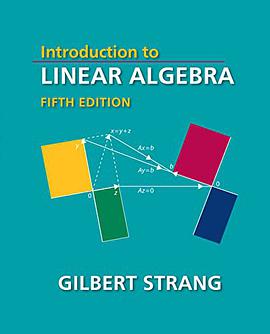
Introduction to Linear Algebra 豆瓣 谷歌图书
9.6 (7 个评分)
作者:
Gilbert Strang
出版社:
Wellesley-Cambridge Press
2016
- 8
Linear algebra is something all mathematics undergraduates and many other students, in subjects ranging from engineering to economics, have to learn. The fifth edition of this hugely successful textbook retains all the qualities of earlier editions, while at the same time seeing numerous minor improvements and major additions. The latter include: • A new chapter on singular values and singular vectors, including ways to analyze a matrix of data • A revised chapter on computing in linear algebra, with professional-level algorithms and code that can be downloaded for a variety of languages • A new section on linear algebra and cryptography • A new chapter on linear algebra in probability and statistics. A dedicated and active website also offers solutions to exercises as well as new exercises from many different sources (including practice problems, exams, and development of textbook examples), plus codes in MATLAB®, Julia, and Python.
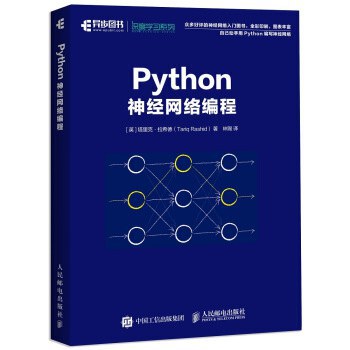
Python神经网络编程 豆瓣
Make Your Own Neural Network
8.5 (12 个评分)
作者:
[英]塔里克·拉希德(Tariq Rashid)
译者:
林赐
出版社:
人民邮电出版社
2018
- 4
神经网络是一种模拟人脑的神经网络,以期能够实现类人工智能的机器学习
技术。
本书揭示神经网络背后的概念,并介绍如何通过Python实现神经网络。全书
分为3章和两个附录。第1章介绍了神经网络中所用到的数学思想。第2章介绍使
用Python实现神经网络,识别手写数字,并测试神经网络的性能。第3章带领读
者进一步了解简单的神经网络,观察已受训练的神经网络内部,尝试进一步改善
神经网络的性能,并加深对相关知识的理解。附录分别介绍了所需的微积分知识
和树莓派知识。
本书适合想要从事神经网络研究和探索的读者学习参考,也适合对人工智
能、机器学习和深度学习等相关领域感兴趣的读者阅读。
技术。
本书揭示神经网络背后的概念,并介绍如何通过Python实现神经网络。全书
分为3章和两个附录。第1章介绍了神经网络中所用到的数学思想。第2章介绍使
用Python实现神经网络,识别手写数字,并测试神经网络的性能。第3章带领读
者进一步了解简单的神经网络,观察已受训练的神经网络内部,尝试进一步改善
神经网络的性能,并加深对相关知识的理解。附录分别介绍了所需的微积分知识
和树莓派知识。
本书适合想要从事神经网络研究和探索的读者学习参考,也适合对人工智
能、机器学习和深度学习等相关领域感兴趣的读者阅读。
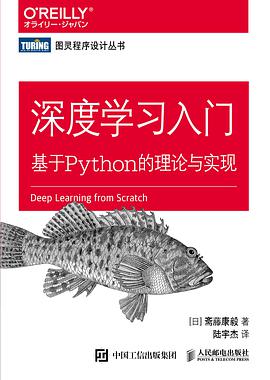
深度学习入门 豆瓣 Goodreads 谷歌图书
Deep Learning from Scratch
9.4 (21 个评分)
作者:
[ 日] 斋藤康毅
译者:
陆宇杰
出版社:
人民邮电出版社
2018
- 7
本书是深度学习真正意义上的入门书,深入浅出地剖析了深度学习的原理和相关技术。书中使用Python3,尽量不依赖外部库或工具,从基本的数学知识出发,带领读者从零创建一个经典的深度学习网络,使读者在此过程中逐步理解深度学习。书中不仅介绍了深度学习和神经网络的概念、特征等基础知识,对误差反向传播法、卷积神经网络等也有深入讲解,此外还介绍了深度学习相关的实用技巧,自动驾驶、图像生成、强化学习等方面的应用,以及为什么加深层可以提高识别精度等“为什么”的问题。
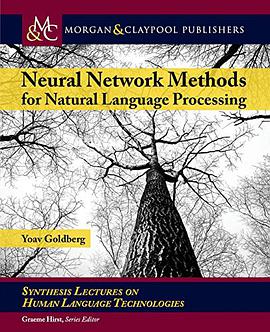
Neural Network Methods in Natural Language Processing 豆瓣
作者:
Yoav Goldberg
出版社:
Morgan & Claypool Publishers
2017
- 4
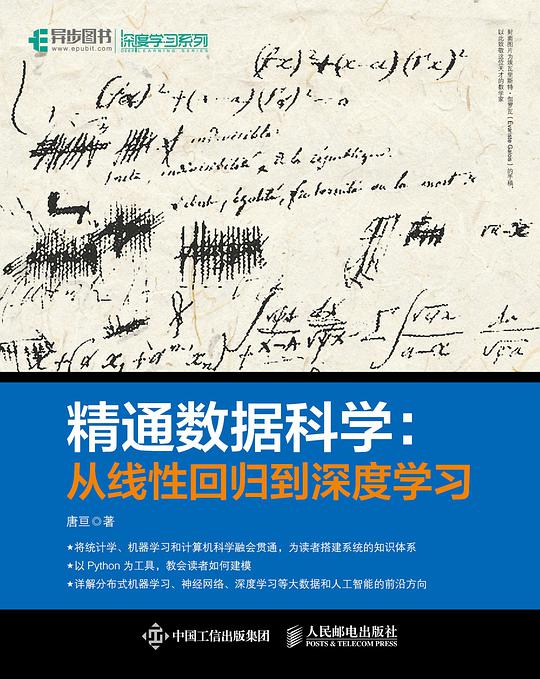
精通数据科学:从线性回归到深度学习 豆瓣
作者:
唐亘
出版社:
人民邮电出版社
2018
- 5
数据科学是一门内涵很广的学科,它涉及到统计分析、机器学习以及计算机科学三方面的知识和技能。本书深入浅出、全面系统地介绍了这门学科的内容。
本书分为13章,最初的3章主要介绍数据科学想要解决的问题、常用的IT工具Python以及这门学科所涉及的数学基础。第4-7章主要讨论数据模型,主要包含三方面的内容:一是统计中最经典的线性回归和逻辑回归模型;二是计算机估算模型参数的随机梯度下降法,这是模型工程实现的基础;三是来自计量经济学的启示,主要涉及特征提取的方法以及模型的稳定性。接下来的8-10章主要讨论算法模型,也就是机器学习领域比较经典的模型。这三章依次讨论了监督式学习、生成式模型以及非监督式学习。目前数据科学最前沿的两个领域分别是大数据和人工智能。本书的第11章将介绍大数据中很重要的分布式机器学习,而本书的最后两章将讨论人工智能领域的神经网络和深度学习。
本书通俗易懂,而且理论和实践相结合,可作为数据科学家和数据工程师的学习用书,也适合对数学科学有强烈兴趣的初学者使用。同时也可作为高等院校计算机、数学及相关专业的师生用书和培训学校的教材。
本书分为13章,最初的3章主要介绍数据科学想要解决的问题、常用的IT工具Python以及这门学科所涉及的数学基础。第4-7章主要讨论数据模型,主要包含三方面的内容:一是统计中最经典的线性回归和逻辑回归模型;二是计算机估算模型参数的随机梯度下降法,这是模型工程实现的基础;三是来自计量经济学的启示,主要涉及特征提取的方法以及模型的稳定性。接下来的8-10章主要讨论算法模型,也就是机器学习领域比较经典的模型。这三章依次讨论了监督式学习、生成式模型以及非监督式学习。目前数据科学最前沿的两个领域分别是大数据和人工智能。本书的第11章将介绍大数据中很重要的分布式机器学习,而本书的最后两章将讨论人工智能领域的神经网络和深度学习。
本书通俗易懂,而且理论和实践相结合,可作为数据科学家和数据工程师的学习用书,也适合对数学科学有强烈兴趣的初学者使用。同时也可作为高等院校计算机、数学及相关专业的师生用书和培训学校的教材。
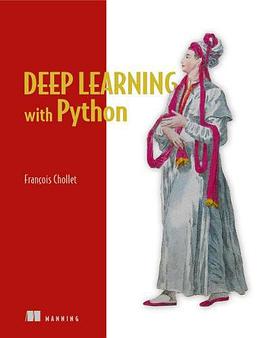
Deep Learning with Python 豆瓣
作者:
Francois Chollet
出版社:
Manning Publications
2017
- 10
Deep Learning with Python introduces the field of deep learning using the Python language and the powerful Keras library. Written by Keras creator and Google AI researcher François Chollet, this book builds your understanding through intuitive explanations and practical examples. You'll explore challenging concepts and practice with applications in computer vision, natural-language processing, and generative models. By the time you finish, you'll have the knowledge and hands-on skills to apply deep learning in your own projects.
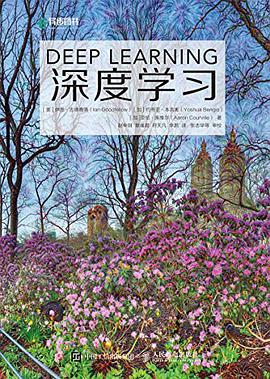
深度学习 豆瓣
Deep Learning: Adaptive Computation and Machine Learning series
8.2 (9 个评分)
作者:
[美] 伊恩·古德费洛
/
[加] 约书亚·本吉奥
…
译者:
赵申剑
/
黎彧君
…
出版社:
人民邮电出版社
2017
- 7
《深度学习》由全球知名的三位专家Ian Goodfellow、Yoshua Bengio 和Aaron Courville撰写,是深度学习领域奠基性的经典教材。全书的内容包括3个部分:第1部分介绍基本的数学工具和机器学习的概念,它们是深度学习的预备知识;第2部分系统深入地讲解现今已成熟的深度学习方法和技术;第3部分讨论某些具有前瞻性的方向和想法,它们被公认为是深度学习未来的研究重点。
《深度学习》适合各类读者阅读,包括相关专业的大学生或研究生,以及不具有机器学习或统计背景、但是想要快速补充深度学习知识,以便在实际产品或平台中应用的软件工程师。
《深度学习》适合各类读者阅读,包括相关专业的大学生或研究生,以及不具有机器学习或统计背景、但是想要快速补充深度学习知识,以便在实际产品或平台中应用的软件工程师。
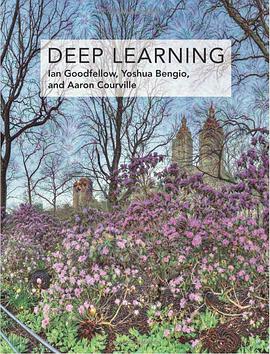
Deep Learning 豆瓣 Goodreads
Deep Learning
9.7 (7 个评分)
作者:
Ian Goodfellow
/
Yoshua Bengio
…
出版社:
The MIT Press
2016
- 11
"Written by three experts in the field, Deep Learning is the only comprehensive book on the subject." -- Elon Musk, co-chair of OpenAI; co-founder and CEO of Tesla and SpaceX
Deep learning is a form of machine learning that enables computers to learn from experience and understand the world in terms of a hierarchy of concepts. Because the computer gathers knowledge from experience, there is no need for a human computer operator to formally specify all the knowledge that the computer needs. The hierarchy of concepts allows the computer to learn complicated concepts by building them out of simpler ones; a graph of these hierarchies would be many layers deep. This book introduces a broad range of topics in deep learning.
The text offers mathematical and conceptual background, covering relevant concepts in linear algebra, probability theory and information theory, numerical computation, and machine learning. It describes deep learning techniques used by practitioners in industry, including deep feedforward networks, regularization, optimization algorithms, convolutional networks, sequence modeling, and practical methodology; and it surveys such applications as natural language processing, speech recognition, computer vision, online recommendation systems, bioinformatics, and videogames. Finally, the book offers research perspectives, covering such theoretical topics as linear factor models, autoencoders, representation learning, structured probabilistic models, Monte Carlo methods, the partition function, approximate inference, and deep generative models.
Deep Learning can be used by undergraduate or graduate students planning careers in either industry or research, and by software engineers who want to begin using deep learning in their products or platforms. A website offers supplementary material for both readers and instructors.
Deep learning is a form of machine learning that enables computers to learn from experience and understand the world in terms of a hierarchy of concepts. Because the computer gathers knowledge from experience, there is no need for a human computer operator to formally specify all the knowledge that the computer needs. The hierarchy of concepts allows the computer to learn complicated concepts by building them out of simpler ones; a graph of these hierarchies would be many layers deep. This book introduces a broad range of topics in deep learning.
The text offers mathematical and conceptual background, covering relevant concepts in linear algebra, probability theory and information theory, numerical computation, and machine learning. It describes deep learning techniques used by practitioners in industry, including deep feedforward networks, regularization, optimization algorithms, convolutional networks, sequence modeling, and practical methodology; and it surveys such applications as natural language processing, speech recognition, computer vision, online recommendation systems, bioinformatics, and videogames. Finally, the book offers research perspectives, covering such theoretical topics as linear factor models, autoencoders, representation learning, structured probabilistic models, Monte Carlo methods, the partition function, approximate inference, and deep generative models.
Deep Learning can be used by undergraduate or graduate students planning careers in either industry or research, and by software engineers who want to begin using deep learning in their products or platforms. A website offers supplementary material for both readers and instructors.