灵修
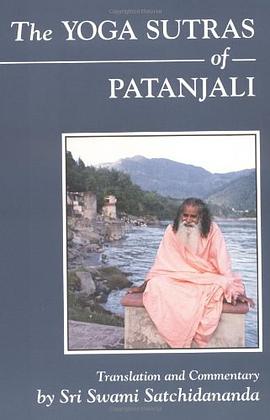
The Yoga Sutras of Patanjali Douban
author:
Sri S. Satchidananda
translator:
Satchidananda, Sri Swami
publishing house:
Integral Yoga Publications
1990
- 10
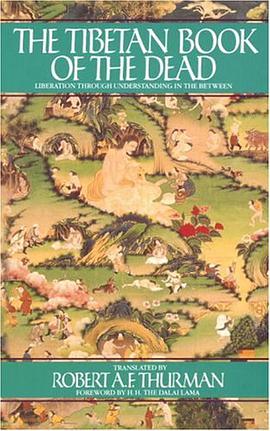
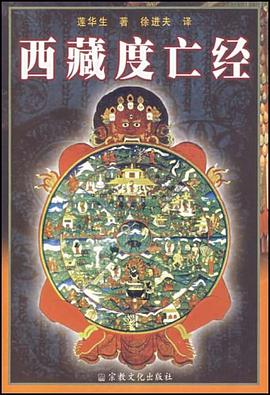
The Tibetan Book of the Dead Douban
author:
Padma Sambhava
translator:
Robert Thurman
publishing house:
Bantam Books, Inc.
1993
The most prominent expert on Tibetan Buddhism in the West offers a translation of this essential book of Tibetan philosophy that captures the true spirit and poetry of the original work--a profound book that reveals the nature of the mind and its manifestations and offers pure enlightenment.
恩典切中要害的时候 Douban
author:
Johnson, Terry L.
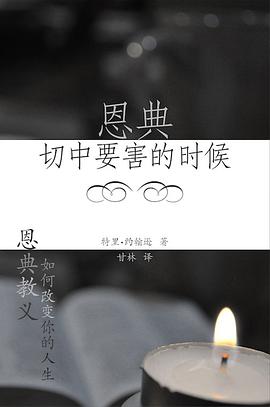
一位美国国会议员最近指出,有两类政治保守派:一类是那种保守,为此感到高兴的人;另一类是那种保守,为此怒气冲冲的人。高兴是因为他们看到保守的政治理念带来各样好处。怒气冲冲,很遗憾,确实有这样的人,他们对流行的错误政治观念和所有持守这些观点的人感到怒气冲冲。人应该不难猜到,哪一种人(高兴的人还是怒气冲冲的人)会更有效争取其他人来接受他们的观点。基督徒世界似乎也有同样的问题。有一些基督徒因自己是基督徒感到高兴,他们对自己在基督里得着的一切充满感恩。但那些怒气冲冲的人,他们的着眼点并不是他们在基督里享有的积极身份和各样益处上,而是对那些看法与他们不同的人感到生气。他们是基督徒,但为此怒气冲冲。
恩典教义是我们应当为之高兴的事。我们愿意承认,让人感到生气的原因有很多。世界的哲学观摧毁婚姻、家庭和社区;世界的道德和信仰相对主义破坏了婚姻盟约,鼓励人乱交、堕胎、生私生子、导致单亲家庭,给我们留下了一代愤怒、疏远和充满暴力的孩子。如果一个人事改革宗的基督徒,他还有更多可生气的事,这些让人生气的事来自基督徒群体。有多少人因着q t其他基督徒说服他们相信热不可能得着永远的安全保障而被剥夺了平安?有多少人因着受到那种认为神并不是主权的神的教导而被苦难击垮?有多少人因着持有成圣的那种行不通的 “高等生活” 观点而陷在感情的混乱漩涡里?认真思想偏离正道的哲学思想和宗教信仰事怎样冲击人类,分人带来愁苦,确实就有很多让人生气的地方。是的,有令人生气的地方,但是发怒应该成为我们主要的特征性的情绪吗?
我们与不信的人和相信的人辩论时都不可忘记,在基督里,神主权恩典的信息事 “好消息” ,是福音。本书尝试证明,信息这些教义应该是令人高兴的事。在一个接一个的实际领域,对恩典信息的完全理解,要把我们带到在这世上能够达到的平安、安慰、感恩和喜乐的最高境界。为邀请你与我一道沿着这些高地前进。
在你继续往下看之前,让我对你说一句警告的话:前两章提供这样的根据,因此比本书其余章节更难读一些。请坚持不去。要想让其余部分发挥当有的冲击,这几章是必不可少的。是什么冲击?我向神祈求的冲击,就是读者重新认识到改革宗信仰带来的喜乐,使他们成为高兴,而不是怒气冲冲的人,让他们在带领被人接受这些立场的工作上更有果效。
恩典教义是我们应当为之高兴的事。我们愿意承认,让人感到生气的原因有很多。世界的哲学观摧毁婚姻、家庭和社区;世界的道德和信仰相对主义破坏了婚姻盟约,鼓励人乱交、堕胎、生私生子、导致单亲家庭,给我们留下了一代愤怒、疏远和充满暴力的孩子。如果一个人事改革宗的基督徒,他还有更多可生气的事,这些让人生气的事来自基督徒群体。有多少人因着q t其他基督徒说服他们相信热不可能得着永远的安全保障而被剥夺了平安?有多少人因着受到那种认为神并不是主权的神的教导而被苦难击垮?有多少人因着持有成圣的那种行不通的 “高等生活” 观点而陷在感情的混乱漩涡里?认真思想偏离正道的哲学思想和宗教信仰事怎样冲击人类,分人带来愁苦,确实就有很多让人生气的地方。是的,有令人生气的地方,但是发怒应该成为我们主要的特征性的情绪吗?
我们与不信的人和相信的人辩论时都不可忘记,在基督里,神主权恩典的信息事 “好消息” ,是福音。本书尝试证明,信息这些教义应该是令人高兴的事。在一个接一个的实际领域,对恩典信息的完全理解,要把我们带到在这世上能够达到的平安、安慰、感恩和喜乐的最高境界。为邀请你与我一道沿着这些高地前进。
在你继续往下看之前,让我对你说一句警告的话:前两章提供这样的根据,因此比本书其余章节更难读一些。请坚持不去。要想让其余部分发挥当有的冲击,这几章是必不可少的。是什么冲击?我向神祈求的冲击,就是读者重新认识到改革宗信仰带来的喜乐,使他们成为高兴,而不是怒气冲冲的人,让他们在带领被人接受这些立场的工作上更有果效。

寿命是一点一滴努力来的 Douban
author:
一心不二堂 编
publishing house:
世界知识出版社
2015
- 8
《寿命是一点一滴努力来的》原作者陈女士,1939年生于台中。作者出生即患中度地中海贫血症,得这种病能活过成年的,据说几乎近于零,虽然好多次濒危,却出人意料地一再苏醒而活了下来,且取得了漂亮的学业和事业成就,并冒缺血缺氧的妊娠危险,遵照古训,生养了五名儿女,个个优秀。现在,作者一家人在宁静、安详、和平中,过着亲朋戚友所羡慕的圆满幸福生活。
这本小册子,初版于2001年,就是作者六十二年来在疾病的折磨下,如何坚强求生的一些血泪交织的经验。这些发自肺腑的文字感动了无数人,更改变了无数人的心田和生命旨归,改变了无数人的命运。国学大师南怀瑾先生曾大力倡印此书,并当做教材;民间亦有大量流通。所有这一切,为了普利世间,作者完全放弃稿费,唯愿“永为众生之慈母”,愿您也长命百岁,拥有一颗慈悲的、漂亮的心和同样漂亮的人生……
这本小册子,初版于2001年,就是作者六十二年来在疾病的折磨下,如何坚强求生的一些血泪交织的经验。这些发自肺腑的文字感动了无数人,更改变了无数人的心田和生命旨归,改变了无数人的命运。国学大师南怀瑾先生曾大力倡印此书,并当做教材;民间亦有大量流通。所有这一切,为了普利世间,作者完全放弃稿费,唯愿“永为众生之慈母”,愿您也长命百岁,拥有一颗慈悲的、漂亮的心和同样漂亮的人生……
Letters from a Stoic Douban Goodreads
Ad Lucilium Epistulae Morales
author:
Seneca
translator:
Robin Campbell
publishing house:
Penguin Classics
1969
- 7
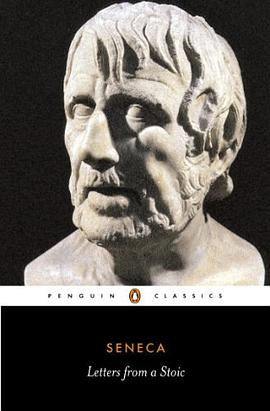
A philosophy that saw self-possession as the key to an existence lived 'in accordance with nature', Stoicism called for the restraint of animal instincts and the severing of emotional ties. These beliefs were formulated by the Athenian followers of Zeno in the fourth century BC, but it was in Seneca (c. 4 BC - AD 65) that the Stoics found their most eloquent advocate. Stoicism, as expressed in the Letters, helped ease pagan Rome's transition to Christianity, for it upholds upright ethical ideals and extols virtuous living, as well as expressing disgust for the harsh treatment of slaves and the inhumane slaughters witnessed in the Roman arenas. Seneca's major contribution to a seemingly unsympathetic creed was to transform it into a powerfully moving and inspiring declaration of the dignity of the individual mind.
海德堡要理问答 Douban
Heildelberg Catechism
author:
撒迦利亚·乌尔西努
/
卡士帕·奥利维亚努
translator:
钱曜诚
publishing house:
加尔文出版社
2000
- 10
《海德堡要理问答》简介
为什么要用这本要理问答?
《海德堡要理问答》是一本介绍基督教教义的小册子。为什么要用这本小册子呢?难道不能单用《圣经》么?在《圣经》中,我们读到先知和使徒的教导。经上写到第一代基督徒时,说:“(他们)都恒心遵守使徒的教训,彼此交接,擘饼,祈祷”(徒二42)。使徒的教训就是《圣经》所教导我们的,而《圣经》所教导我们的实在至关重要。早期教会的历史已经证明了需要对这一教义进行归纳,以便能够对信徒进行教导。
第二个原因是:从一开始就有《圣经》相悖离的观点向教会挑战。因此,教会必须捍卫《圣经》真理,驳斥谬误,这就需要对基督教教义进行总结。
这样,早在基督教第一世纪,就出现了对《圣经》的简短总结:《使徒信经》。之所以这样给它命名,是因为它具体表达了使徒的教训,用于教导加入基督教会的异教徒们。它的开篇就宣称:“我信上帝,全能的父。。。” 近一千年后,《海德堡要理问答》诞生了。虽然它更具体,更详细,但仍然只是《圣经》真理的总结。在这篇要理问答中,除了其他部分,还解释了《使徒信经》。
《海德堡要理问答》是怎样产生的?
由于人的谬误,《圣经》真理在中世纪(十六世纪前)的罗马教会里被层层乌云所笼罩。十六世纪后,靠着神的恩典,在马丁路得(德国)和加尔文(瑞士)等人的领导下,一场复兴运动开始了。我们称之为“改教运动”。
改教运动将《圣经》--神的道重置于中心地位。对概括《圣经》教训的小册子的需要相应而生。帕拉提那的德国领地君主--弗雷德三世(Frederick III)吩咐海德堡大学(海德堡为帕拉提那的首府)的两个年轻神学家乌尔西努(Zacharius Ursinus)和俄利维亚努(Caspar Olivianus)编撰一本包括问题和解答的小册子,并称之为要理问答。不仅青少年,而且教会的全体会众都要用这本小册子学习《圣经》教义。学习的方法是教师问,学生答。
这本小册子于1563年完稿。几个世纪以来,教会学校和教会都通过宣讲福音,用这本小册子进行教导。神的儿女们从中大得安慰。
小册子的作者所说的并未超过我们在《圣经》里所读到的。在每一个答案后,都有《圣经》经文,说明此答案是来自《圣经》的。因此,我们可以说整本要理问答是符合真理的,它永远也不会过时。
《海德堡要理问答》的结构
《海德堡要理问答》是关于人要快乐地死去的话,必须知道的三件事:他的罪恶所带来的愁苦;从此愁苦中得救的途径和对此救赎的感恩。得救意味着接受对罪的赦免,与神和好,今后在永远的福乐中与他同在,事奉他,赞美他。它也包括了为从所有的罪恶和永死中得救而不尽感恩。
在这门课程里,我们主要讲授人必须知道的三件事;也将讨论《使徒信经》,神的律法和“主祷文”。
因为要理问答的每一部分都是为教会单个主日设计的,因此把它按“主日”或礼拜日划分。《海德堡要理问答》有52个主日的课程,与一年的52个礼拜日相应。
为什么要用这本要理问答?
《海德堡要理问答》是一本介绍基督教教义的小册子。为什么要用这本小册子呢?难道不能单用《圣经》么?在《圣经》中,我们读到先知和使徒的教导。经上写到第一代基督徒时,说:“(他们)都恒心遵守使徒的教训,彼此交接,擘饼,祈祷”(徒二42)。使徒的教训就是《圣经》所教导我们的,而《圣经》所教导我们的实在至关重要。早期教会的历史已经证明了需要对这一教义进行归纳,以便能够对信徒进行教导。
第二个原因是:从一开始就有《圣经》相悖离的观点向教会挑战。因此,教会必须捍卫《圣经》真理,驳斥谬误,这就需要对基督教教义进行总结。
这样,早在基督教第一世纪,就出现了对《圣经》的简短总结:《使徒信经》。之所以这样给它命名,是因为它具体表达了使徒的教训,用于教导加入基督教会的异教徒们。它的开篇就宣称:“我信上帝,全能的父。。。” 近一千年后,《海德堡要理问答》诞生了。虽然它更具体,更详细,但仍然只是《圣经》真理的总结。在这篇要理问答中,除了其他部分,还解释了《使徒信经》。
《海德堡要理问答》是怎样产生的?
由于人的谬误,《圣经》真理在中世纪(十六世纪前)的罗马教会里被层层乌云所笼罩。十六世纪后,靠着神的恩典,在马丁路得(德国)和加尔文(瑞士)等人的领导下,一场复兴运动开始了。我们称之为“改教运动”。
改教运动将《圣经》--神的道重置于中心地位。对概括《圣经》教训的小册子的需要相应而生。帕拉提那的德国领地君主--弗雷德三世(Frederick III)吩咐海德堡大学(海德堡为帕拉提那的首府)的两个年轻神学家乌尔西努(Zacharius Ursinus)和俄利维亚努(Caspar Olivianus)编撰一本包括问题和解答的小册子,并称之为要理问答。不仅青少年,而且教会的全体会众都要用这本小册子学习《圣经》教义。学习的方法是教师问,学生答。
这本小册子于1563年完稿。几个世纪以来,教会学校和教会都通过宣讲福音,用这本小册子进行教导。神的儿女们从中大得安慰。
小册子的作者所说的并未超过我们在《圣经》里所读到的。在每一个答案后,都有《圣经》经文,说明此答案是来自《圣经》的。因此,我们可以说整本要理问答是符合真理的,它永远也不会过时。
《海德堡要理问答》的结构
《海德堡要理问答》是关于人要快乐地死去的话,必须知道的三件事:他的罪恶所带来的愁苦;从此愁苦中得救的途径和对此救赎的感恩。得救意味着接受对罪的赦免,与神和好,今后在永远的福乐中与他同在,事奉他,赞美他。它也包括了为从所有的罪恶和永死中得救而不尽感恩。
在这门课程里,我们主要讲授人必须知道的三件事;也将讨论《使徒信经》,神的律法和“主祷文”。
因为要理问答的每一部分都是为教会单个主日设计的,因此把它按“主日”或礼拜日划分。《海德堡要理问答》有52个主日的课程,与一年的52个礼拜日相应。

My Stroke of Insight Douban
author:
Jill Bolte Taylor
publishing house:
Viking Adult
2008
- 5
在线阅读本书
A brain scientist's journey from a debilitating stroke to full recovery becomes an inspiring exploration of human consciousness and its possibilities
On the morning of December 10, 1996, Jill Bolte Taylor, a thirty-seven-year-old Harvard-trained brain scientist, experienced a massive stroke when a blood vessel exploded in the left side of her brain. A neuroanatomist by profession, she observed her own mind completely deteriorate to the point that she could not walk, talk, read, write, or recall any of her life, all within the space of four brief hours. As the damaged left side of her brain--the rational, grounded, detail- and time-oriented side--swung in and out of function, Taylor alternated between two distinct and opposite realties: the euphoric nirvana of the intuitive and kinesthetic right brain, in which she felt a sense of complete well-being and peace; and the logical, sequential left brain, which recognized Jill was having a stroke, and enabled her to seek help before she was lost completely.
In My Stroke of Insight , Taylor shares her unique perspective on the brain and its capacity for recovery, and the sense of omniscient understanding she gained from this unusual and inspiring voyage out of the abyss of a wounded brain. It would take eight years for Taylor to heal completely. Because of her knowledge of how the brain works, her respect for the cells composing her human form, and most of all an amazing mother, Taylor completely repaired her mind and recalibrated her understanding of the world according to the insights gained from her right brain that morning of December 10th.
Today Taylor is convinced that the stroke was the best thing that could have happened to her. It has taught her that the feeling of nirvana is never more than a mere thought away. By stepping to the right of our left brains , we can all uncover the feelings of well-being and peace that are so often sidelined by our own brain chatter. A fascinating journey into the mechanics of the human mind, My Stroke of Insight is both a valuable recovery guide for anyone touched by a brain injury, and an emotionally stirring testimony that deep internal peace truly is accessible to anyone, at any time. Questions for Jill Bolte Taylor Amazon.com: Your first reaction when you realized what was happening to your body was one you would expect: "Oh my gosh, I'm having a stroke!" Your second, though, was a little more surprising: "Wow, this is so cool!" What could be cool about a stroke? Taylor: I grew up to study the brain because I have a brother who is only 18 months older than I am. He was very different in the way he perceived experiences and then chose to behave. As a result, I became fascinated with the human brain and how it creates our perception of reality. He was eventually diagnosed with the brain disorder schizophrenia, and I dedicated my career to the postmortem investigation of the human brain in an attempt to understand, at a biological level, what are the differences between my brain and my brothers brain. On the morning of the stroke, I realized that my brain was no longer functioning like a "normal" brain and this insight into my brother's reality excited me. I was fascinated to intimately understand what it might be like on the inside for someone who would not be diagnosed as normal. Through the eyes of a curious scientist, this was an absolutely rare and fascinating experience for me to witness the breakdown of my own mind. Amazon.com: What did you learn about the brain from your stroke and your recovery that your scientific training hadn't prepared you for? Taylor: My scientific training did not teach me anything about the human spirit and the value of compassion. I had been trained as a scientist, not as a clinician. I can only hope that we are teaching our future physicians about compassion in medicine, and I know that some medical schools, including the Indiana University School of Medicine, have created a curriculum with this intention. My training as a scientist, however, did provide me with a roadmap to how the body and brain work. And although I lost my left cognitive mind that thinks in language, I retained my right hemisphere that thinks in pictures. As a result, although I could not communicate with the external world, I had an intuitive understanding about what I needed to do in order to create an environment in which the cells in my brain could be happy and healthy enough that they could regain their function. In addition, because of my training, I had an innate trust in the ability of my brain to be able to recover itself and my mother and I respected the organ by listening to it. For example, when I was tired, I allowed my brain to sleep, and when I was fresh and capable of focusing my attention, we gave me age-appropriate toys and tools with which to work. Amazon.com: Your stroke affected functions in your left brain, leaving you to what you call the "la-la land" of your right hemisphere. What was it like to live in your right brain, and then to rebuild your left? Taylor: When the cells in my left brain became nonfunctional because they were swimming in a pool of blood, they lost their ability to inhibit the cells in my right hemisphere. In my right brain, I shifted into the consciousness of the present moment. I was in the right here, right now awareness, with no memories of my past and no perception of the future. The beauty of La-la land (my right hemisphere experience of the present moment) was that everything was an explosion of magnificent stimulation and I dwelled in a space of euphoria. This is great way to exist if you don't have to communicate with the external world or care whether or not you have the capacity to learn. I found that in order for me to be able to learn anything, however, I had to take information from the last moment and apply it to the present moment. When my left hemisphere was completely nonfunctional early on, it was impossible for me to learn, which was okay with me, but I am sure it was frustrating for those around me. A simple example of this was trying to put on my shoes and socks. I eventually became physically capable of putting my shoes and socks on, but I had no ability to understand why I would have to put my socks on before my shoes. To me they were simply independent actions that were not related and I did not have the cognitive ability to figure out the appropriate sequencing of the events. Over time, I regained the ability to weave moments back together to create an expanse of time, and with this ability came the ability to learn methodically again. Life in La-la land will always be just a thought away, but I am truly grateful for the ability to think with linearity once again. Amazon.com: What can we learn about our brains and ourselves from your experience, even if we haven't lived through the kind of brain trauma you have? Taylor: I learned that I have much more say about what goes on between my ears than I was ever taught and I believe that this is true for all of us. I used to understand that I had the ability to stop thinking about one thing by consciously choosing to preoccupy my mind with thinking about something else. But I had no idea that it only took 90 seconds for me to have an emotional circuit triggered, flush a physiological response through my body and then flush completely out of me. We can all learn that we can take full responsibility for what thoughts we are thinking and what emotional circuitry we are feeling. Knowing this and acting on this can lead us into feeling a wonderful sense of well-being and peacefulness. Amazon.com: You are the "Singin' Scientist" for Harvard's Brain Bank (just as you were before your stroke). Could you tell us about the Brain Bank (in song or not)? Taylor: There is a long-term shortage of brain tissue donated for research into the severe mental illnesses. Most people dont realize that when you sign the back of your license as an organ donor, the brain is not included. If you would like to donate your brain for research, you must contact a brain bank directly. There is also a shortage of "normal control" tissue for research. The bottom line reality is that if there were more tissue available for research, then more scientists would be dedicating their careers to the study of the severe mental illnesses and we would have more answers about what is going on with these disorders. The numbers of mentally ill individuals in our society are staggering. The most serious and disabling conditions affect about 6 percent--or one in 17--adults and 9-13 percent of children in the United States. Half of all lifetime conditions of mental illness start by age 14 years, and three-fourths by age 24 years. For more information about brain donation to the Harvard brain bank, please call 1-800-BRAINBANK or visit them at: www.brainbank.mclean.org If you would like to hear me sing the brain bank jingle, please visit www.drjilltaylor.com!
A brain scientist's journey from a debilitating stroke to full recovery becomes an inspiring exploration of human consciousness and its possibilities
On the morning of December 10, 1996, Jill Bolte Taylor, a thirty-seven-year-old Harvard-trained brain scientist, experienced a massive stroke when a blood vessel exploded in the left side of her brain. A neuroanatomist by profession, she observed her own mind completely deteriorate to the point that she could not walk, talk, read, write, or recall any of her life, all within the space of four brief hours. As the damaged left side of her brain--the rational, grounded, detail- and time-oriented side--swung in and out of function, Taylor alternated between two distinct and opposite realties: the euphoric nirvana of the intuitive and kinesthetic right brain, in which she felt a sense of complete well-being and peace; and the logical, sequential left brain, which recognized Jill was having a stroke, and enabled her to seek help before she was lost completely.
In My Stroke of Insight , Taylor shares her unique perspective on the brain and its capacity for recovery, and the sense of omniscient understanding she gained from this unusual and inspiring voyage out of the abyss of a wounded brain. It would take eight years for Taylor to heal completely. Because of her knowledge of how the brain works, her respect for the cells composing her human form, and most of all an amazing mother, Taylor completely repaired her mind and recalibrated her understanding of the world according to the insights gained from her right brain that morning of December 10th.
Today Taylor is convinced that the stroke was the best thing that could have happened to her. It has taught her that the feeling of nirvana is never more than a mere thought away. By stepping to the right of our left brains , we can all uncover the feelings of well-being and peace that are so often sidelined by our own brain chatter. A fascinating journey into the mechanics of the human mind, My Stroke of Insight is both a valuable recovery guide for anyone touched by a brain injury, and an emotionally stirring testimony that deep internal peace truly is accessible to anyone, at any time. Questions for Jill Bolte Taylor Amazon.com: Your first reaction when you realized what was happening to your body was one you would expect: "Oh my gosh, I'm having a stroke!" Your second, though, was a little more surprising: "Wow, this is so cool!" What could be cool about a stroke? Taylor: I grew up to study the brain because I have a brother who is only 18 months older than I am. He was very different in the way he perceived experiences and then chose to behave. As a result, I became fascinated with the human brain and how it creates our perception of reality. He was eventually diagnosed with the brain disorder schizophrenia, and I dedicated my career to the postmortem investigation of the human brain in an attempt to understand, at a biological level, what are the differences between my brain and my brothers brain. On the morning of the stroke, I realized that my brain was no longer functioning like a "normal" brain and this insight into my brother's reality excited me. I was fascinated to intimately understand what it might be like on the inside for someone who would not be diagnosed as normal. Through the eyes of a curious scientist, this was an absolutely rare and fascinating experience for me to witness the breakdown of my own mind. Amazon.com: What did you learn about the brain from your stroke and your recovery that your scientific training hadn't prepared you for? Taylor: My scientific training did not teach me anything about the human spirit and the value of compassion. I had been trained as a scientist, not as a clinician. I can only hope that we are teaching our future physicians about compassion in medicine, and I know that some medical schools, including the Indiana University School of Medicine, have created a curriculum with this intention. My training as a scientist, however, did provide me with a roadmap to how the body and brain work. And although I lost my left cognitive mind that thinks in language, I retained my right hemisphere that thinks in pictures. As a result, although I could not communicate with the external world, I had an intuitive understanding about what I needed to do in order to create an environment in which the cells in my brain could be happy and healthy enough that they could regain their function. In addition, because of my training, I had an innate trust in the ability of my brain to be able to recover itself and my mother and I respected the organ by listening to it. For example, when I was tired, I allowed my brain to sleep, and when I was fresh and capable of focusing my attention, we gave me age-appropriate toys and tools with which to work. Amazon.com: Your stroke affected functions in your left brain, leaving you to what you call the "la-la land" of your right hemisphere. What was it like to live in your right brain, and then to rebuild your left? Taylor: When the cells in my left brain became nonfunctional because they were swimming in a pool of blood, they lost their ability to inhibit the cells in my right hemisphere. In my right brain, I shifted into the consciousness of the present moment. I was in the right here, right now awareness, with no memories of my past and no perception of the future. The beauty of La-la land (my right hemisphere experience of the present moment) was that everything was an explosion of magnificent stimulation and I dwelled in a space of euphoria. This is great way to exist if you don't have to communicate with the external world or care whether or not you have the capacity to learn. I found that in order for me to be able to learn anything, however, I had to take information from the last moment and apply it to the present moment. When my left hemisphere was completely nonfunctional early on, it was impossible for me to learn, which was okay with me, but I am sure it was frustrating for those around me. A simple example of this was trying to put on my shoes and socks. I eventually became physically capable of putting my shoes and socks on, but I had no ability to understand why I would have to put my socks on before my shoes. To me they were simply independent actions that were not related and I did not have the cognitive ability to figure out the appropriate sequencing of the events. Over time, I regained the ability to weave moments back together to create an expanse of time, and with this ability came the ability to learn methodically again. Life in La-la land will always be just a thought away, but I am truly grateful for the ability to think with linearity once again. Amazon.com: What can we learn about our brains and ourselves from your experience, even if we haven't lived through the kind of brain trauma you have? Taylor: I learned that I have much more say about what goes on between my ears than I was ever taught and I believe that this is true for all of us. I used to understand that I had the ability to stop thinking about one thing by consciously choosing to preoccupy my mind with thinking about something else. But I had no idea that it only took 90 seconds for me to have an emotional circuit triggered, flush a physiological response through my body and then flush completely out of me. We can all learn that we can take full responsibility for what thoughts we are thinking and what emotional circuitry we are feeling. Knowing this and acting on this can lead us into feeling a wonderful sense of well-being and peacefulness. Amazon.com: You are the "Singin' Scientist" for Harvard's Brain Bank (just as you were before your stroke). Could you tell us about the Brain Bank (in song or not)? Taylor: There is a long-term shortage of brain tissue donated for research into the severe mental illnesses. Most people dont realize that when you sign the back of your license as an organ donor, the brain is not included. If you would like to donate your brain for research, you must contact a brain bank directly. There is also a shortage of "normal control" tissue for research. The bottom line reality is that if there were more tissue available for research, then more scientists would be dedicating their careers to the study of the severe mental illnesses and we would have more answers about what is going on with these disorders. The numbers of mentally ill individuals in our society are staggering. The most serious and disabling conditions affect about 6 percent--or one in 17--adults and 9-13 percent of children in the United States. Half of all lifetime conditions of mental illness start by age 14 years, and three-fourths by age 24 years. For more information about brain donation to the Harvard brain bank, please call 1-800-BRAINBANK or visit them at: www.brainbank.mclean.org If you would like to hear me sing the brain bank jingle, please visit www.drjilltaylor.com!
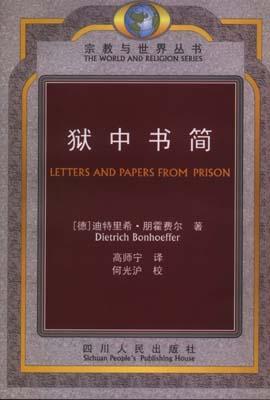
狱中书简 Douban
Letters and papers from prison
9.1 (7 ratings)
author:
(德) 迪特里希·朋霍费尔
translator:
高师宁
publishing house:
四川人民出版社
2003
- 4
本书是朋霍费尔思考与追求的人生当中留下的最后一部名著。作者不仅面对绞刑架,而且背负十字架;不仅身陷单人囚室,而且置身世俗世界。他对人的生存和本质等问题所作的超乎监狱围墙的思考,决定了这本书不同于其他的“监狱文学”或“死囚文学”,它不仅仅是“监狱文学”,也可以说是“监狱哲学”或“监狱神学 ”。 “这是一位卓越的德国神学家最后的遗著,他正视了在20世纪成为一名基督徒的难题,并且在纳粹手中成了一名烈士。”
在备受折磨和凌辱的牢狱生活中,朋霍费尔早已预料到了自己的死亡,并无比平静地面对死神的到来。他的文字达到了朴实和真实的极致,因为他的心灵也达到了朴实和真实的极致。
在备受折磨和凌辱的牢狱生活中,朋霍费尔早已预料到了自己的死亡,并无比平静地面对死神的到来。他的文字达到了朴实和真实的极致,因为他的心灵也达到了朴实和真实的极致。
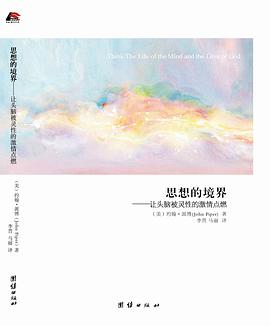
思想的境界 Douban
Think:The Life of the Mind and the Love of God
反智主义倾向不仅存在于美国福音派基督徒中,更茁壮生长于长久浸泡在反智文化的中国社会的基督徒群体中。本书的作者约翰•派博正是针对教会里的这一反智现象,鼓励基督徒成为爱思考的基督徒,也就是鼓励基督徒养成阅读习惯。借着与爱德华兹的对话,派博指出 “我们必须用我们的头脑,也必须知道,用我们的头脑也是不够的。我们必须在宣讲、解释、确认和理解福音时,运用我们的理性。
作为学者的派博还进一步深挖出了反智主义背后的毒根:相对主义。他通过对历史中多次反智主义的表现,如实用主义、主观主义等等的论述,把这本书带向了思想性的高潮,使人认识到思考应该成为一项必须持续下去的、追求至善的行动。
作为学者的派博还进一步深挖出了反智主义背后的毒根:相对主义。他通过对历史中多次反智主义的表现,如实用主义、主观主义等等的论述,把这本书带向了思想性的高潮,使人认识到思考应该成为一项必须持续下去的、追求至善的行动。

灵魂的礼物 Douban
The Soul’s Gift
author:
[美] 罗伯特•舒华兹
translator:
彭朋
/
胡淑琦
publishing house:
世界图书出版公司北京公司
2016
- 1
这是一本奇特的关于灵魂觉醒和疗愈的书。这本书谈到了灵魂的计划,意思是我们生命中的重大事件很可能是灵魂投生前就计划好的。我作为编辑引进了这本书,然后请了我的两位好朋友来翻译这本书,我们三个人借助我的工作平台,使这本书的中文版得以面世,这很可能也是灵魂计划好的!因为作为疗愈者,传播灵魂觉醒和疗愈的信息是我的使命!
从灵魂的计划来看本书中涉及的重大心理议题,会获得全新的领悟。书中对很多关于觉醒的议题进行了梳理。比如“业力”。什么是业力?在作者看来,业力是对平衡经验的缺失。比如一个人长期扮演加害者角色,他的灵魂可能就会渴望平衡,在他一生中的某个时刻或者一些转世中选择做受害者。从深层原因来说,加害者和受害者这两个角色是一体的,都出自灵魂对体验的渴望,因此在疗愈过程中,我们往往会通过回忆起相反的身份角色来获得释放。
灵魂的计划常常和这几个议题分不开:找到深层的自我价值感、情绪独立、自爱、转化受害者意识、服务他人,等等。经常地,这些计划是交叉在一起的,你可能同时计划了好几个目的。你的人生经验会促使你去实现这些目的。
本书选取的是个议题都极具代表性。无论是遭遇虐待、收养、精神疾病,还是需要照顾亲人、在性取向方面不属于主流,都指向了同一个目的:接纳真实的自我。这个自我可能是不那么完美的,可能有很多缺陷和阴影面向,但接纳意味着对灵魂最深的认同,这是和神性合一最重要的一步。
有情众生都是无穷神性的一小片,在这有限的肉身中忆起自己无穷的神性,是每一个灵魂最终和最根本的渴望。
作为《灵魂的计划》一书的姐妹篇,罗伯特•舒华兹继续谈到了“出生前计划”对灵魂疗愈的重要性,并深入剖析了十个议题,包括宠物、收养、性取向、虐待关系、精神疾病等。为什么我们会遭遇如此严苛的生命议题,遭受看起来如此深重的痛苦?很可能是我们的灵魂自己计划好的!经由疗愈这些痛苦,你可能找到痛苦之下的深刻的爱和智慧,这就是你给予自己的“灵魂的礼物”。
经由这十个故事,你可以获得的礼物有:
发展出深刻的自爱,对承担起你的生命计划更有觉知和勇气;
摆脱受害者意识,了解你是你自己生命的创造者;
宽恕伤害过你的人,创造持续的内在平静;
在看起来无意义的痛苦中,看到更深刻的目的;
从内心深处知晓自己作为永恒的灵魂,拥有的无限的价值、美丽、宏伟和神圣。
从灵魂的计划来看本书中涉及的重大心理议题,会获得全新的领悟。书中对很多关于觉醒的议题进行了梳理。比如“业力”。什么是业力?在作者看来,业力是对平衡经验的缺失。比如一个人长期扮演加害者角色,他的灵魂可能就会渴望平衡,在他一生中的某个时刻或者一些转世中选择做受害者。从深层原因来说,加害者和受害者这两个角色是一体的,都出自灵魂对体验的渴望,因此在疗愈过程中,我们往往会通过回忆起相反的身份角色来获得释放。
灵魂的计划常常和这几个议题分不开:找到深层的自我价值感、情绪独立、自爱、转化受害者意识、服务他人,等等。经常地,这些计划是交叉在一起的,你可能同时计划了好几个目的。你的人生经验会促使你去实现这些目的。
本书选取的是个议题都极具代表性。无论是遭遇虐待、收养、精神疾病,还是需要照顾亲人、在性取向方面不属于主流,都指向了同一个目的:接纳真实的自我。这个自我可能是不那么完美的,可能有很多缺陷和阴影面向,但接纳意味着对灵魂最深的认同,这是和神性合一最重要的一步。
有情众生都是无穷神性的一小片,在这有限的肉身中忆起自己无穷的神性,是每一个灵魂最终和最根本的渴望。
作为《灵魂的计划》一书的姐妹篇,罗伯特•舒华兹继续谈到了“出生前计划”对灵魂疗愈的重要性,并深入剖析了十个议题,包括宠物、收养、性取向、虐待关系、精神疾病等。为什么我们会遭遇如此严苛的生命议题,遭受看起来如此深重的痛苦?很可能是我们的灵魂自己计划好的!经由疗愈这些痛苦,你可能找到痛苦之下的深刻的爱和智慧,这就是你给予自己的“灵魂的礼物”。
经由这十个故事,你可以获得的礼物有:
发展出深刻的自爱,对承担起你的生命计划更有觉知和勇气;
摆脱受害者意识,了解你是你自己生命的创造者;
宽恕伤害过你的人,创造持续的内在平静;
在看起来无意义的痛苦中,看到更深刻的目的;
从内心深处知晓自己作为永恒的灵魂,拥有的无限的价值、美丽、宏伟和神圣。
为何是他 Douban
The reason for God : belief in an age of skepticism
author:
提摩太·凯勒
translator:
吕允智
publishing house:
橡树图书/上海三联书店
2017
- 4
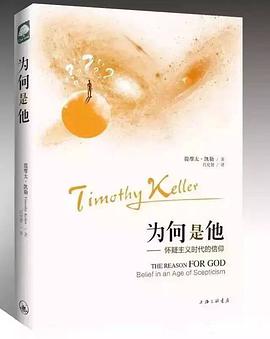
在一个怀疑的时代,我们何以知道基督教是惟一可信的宗教?上帝为何允许苦难发生?一位自称是爱的上帝为何会把人送到地狱去?教会是否要为诸多的不公义负责?科学是否已经否定了基督教?提摩太·凯勒借着文学、哲学、日常生活谈话以及严谨的逻辑思考,回答了怀疑基督教信仰的人甚或热心信徒常有的一些疑问,解释了为什么相信基督教的上帝是十分明智与合理的选择。本书曾荣登《纽约时报》畅销书排行榜首。
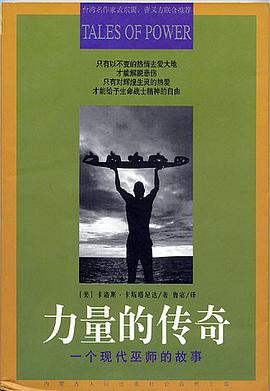
前往依斯特兰的旅程 Douban
author:
卡洛斯 卡斯塔尼达
translator:
鲁宓
publishing house:
内蒙古人民出版社
1997
只有以不变的热情去爱大地, 才能解脱悲伤
只有对生灵的热爱, 才能给予生命战士精神的自由
只有成为战士,人才能在知识的道路上生存,因为战士的艺术,是在平衡做人的恐惧与做人的奇妙 ——唐望
在寂静的山里,看清澈、缓动的流水不断地变幻波纹、旋转着落叶;林间弥漫着的薄雾在阳光里略含温湿,感染着鸟唱兽鸣……这时的我们能听懂这自然的语言吗?这个问题似乎有悖于现代的文明。然而,一些人正潜心于这方面的探索,向人们展示着倾听自然的新道路。
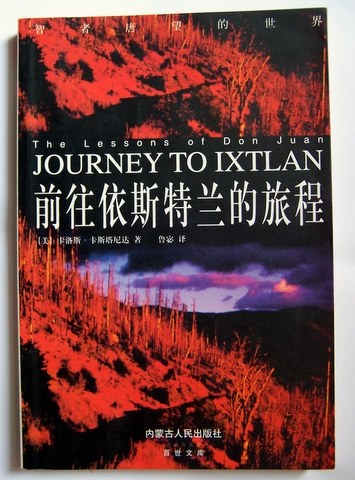
《前往依斯特兰的旅程》这本书,记述的是美国人类学家卡斯塔尼达在墨西哥沙漠偶遇印地安巫师唐望后,在后者的引导下经历了十年的心灵秘境感知的过程。这位接受现代理性思维训练的学者,通过唐望这位另一个世界的精神导师的教诲,看到了另一条通向自然的道路,听到了大自然中万物的声音。
无独有偶,在欧美被视为“东方精神的象征性存在”的铃木大拙写了《通向禅学之路》,作为佛教的一部分,禅学已存在一千多年了。也许是某种巧合,也许是除了我们现在这个世界还存在着另外一个世界,禅学也是寻找我们正在失去的世界。
随着时间的流失,我们生活中自然的东西越来越少。使用汽车飞机来挤压时空,使用电视节目代替人们之间的嬉戏娱乐,使用人工制品代替菜园的作物,使用图片电脑代替文字的阅读,使用电子通讯代替见面,等等。人们用自己的手为自己制造生活,而渐渐远离真实的大自然。
唐望和铃木大拙证实了同一个事实:“在言语性的思考之外,还有另外一种更庞大、更深沉、更直接的知觉方式”,只不过二者通向自然的方式不同。前者通过感知神秘之风的压力、黎明树页的抖动等自然现象,阐明了“万物皆有灵”的生命意义;后者则是通过自我的觉悟,释放出人的潜能,超越言语,从自然中获得新的意识和知觉。其实,我们从大自然中来,随着科学的进步,人类在更深认识大自然的同时,也逐渐疏远了她,在享受自然的同时,也在受到她的惩罚。
究其原因是因为我们的认识是定格的、机械的和局部的,缺少大自然的灵性。但愿人们早早放下架子,去倾听大自然的呼声,与自然和平共处。
只有对生灵的热爱, 才能给予生命战士精神的自由
只有成为战士,人才能在知识的道路上生存,因为战士的艺术,是在平衡做人的恐惧与做人的奇妙 ——唐望
在寂静的山里,看清澈、缓动的流水不断地变幻波纹、旋转着落叶;林间弥漫着的薄雾在阳光里略含温湿,感染着鸟唱兽鸣……这时的我们能听懂这自然的语言吗?这个问题似乎有悖于现代的文明。然而,一些人正潜心于这方面的探索,向人们展示着倾听自然的新道路。
《前往依斯特兰的旅程》这本书,记述的是美国人类学家卡斯塔尼达在墨西哥沙漠偶遇印地安巫师唐望后,在后者的引导下经历了十年的心灵秘境感知的过程。这位接受现代理性思维训练的学者,通过唐望这位另一个世界的精神导师的教诲,看到了另一条通向自然的道路,听到了大自然中万物的声音。
无独有偶,在欧美被视为“东方精神的象征性存在”的铃木大拙写了《通向禅学之路》,作为佛教的一部分,禅学已存在一千多年了。也许是某种巧合,也许是除了我们现在这个世界还存在着另外一个世界,禅学也是寻找我们正在失去的世界。
随着时间的流失,我们生活中自然的东西越来越少。使用汽车飞机来挤压时空,使用电视节目代替人们之间的嬉戏娱乐,使用人工制品代替菜园的作物,使用图片电脑代替文字的阅读,使用电子通讯代替见面,等等。人们用自己的手为自己制造生活,而渐渐远离真实的大自然。
唐望和铃木大拙证实了同一个事实:“在言语性的思考之外,还有另外一种更庞大、更深沉、更直接的知觉方式”,只不过二者通向自然的方式不同。前者通过感知神秘之风的压力、黎明树页的抖动等自然现象,阐明了“万物皆有灵”的生命意义;后者则是通过自我的觉悟,释放出人的潜能,超越言语,从自然中获得新的意识和知觉。其实,我们从大自然中来,随着科学的进步,人类在更深认识大自然的同时,也逐渐疏远了她,在享受自然的同时,也在受到她的惩罚。
究其原因是因为我们的认识是定格的、机械的和局部的,缺少大自然的灵性。但愿人们早早放下架子,去倾听大自然的呼声,与自然和平共处。

别永远伤在童年 Douban
Homecoming: Reclaiming and Championing Your Inner Child
author:
[美] 约翰·布雷萧
translator:
马小原
publishing house:
译林出版社·凤凰阿歇特
2013
- 3
最有效的自我发掘历程,重建人生的心契机
·你是否总是与周围的人无法友好相处?
·你是否在婚恋中总是重复扮演受伤害的那一方?
·你是否总是缺乏安全感,却变成了控制狂?
·你是否对过去的事情无法释怀?
·你是否害怕别人发现真正的自己?
·你是否焦虑、压抑、沮丧、不安……
世界级心理大师约翰•布雷萧在书中告诉你,虽然你已经是成年人,但是童年的一些经历,比如被忽略、被误解、被伤害,会对你一生的性格、心理和行为造成影响。而这一切你可能并不自知。本书通过数十个经典案例和方法,教你了解、疗愈自己的内在小孩,找到人生幸福的方法。
·你是否总是与周围的人无法友好相处?
·你是否在婚恋中总是重复扮演受伤害的那一方?
·你是否总是缺乏安全感,却变成了控制狂?
·你是否对过去的事情无法释怀?
·你是否害怕别人发现真正的自己?
·你是否焦虑、压抑、沮丧、不安……
世界级心理大师约翰•布雷萧在书中告诉你,虽然你已经是成年人,但是童年的一些经历,比如被忽略、被误解、被伤害,会对你一生的性格、心理和行为造成影响。而这一切你可能并不自知。本书通过数十个经典案例和方法,教你了解、疗愈自己的内在小孩,找到人生幸福的方法。