生態

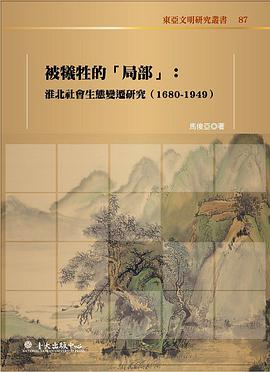
被犧牲的「局部」 Douban
author:
馬俊亞
publishing house:
國立臺灣大學出版中心
2010
- 4
明代中後期,中央政府為了維持漕運這一「大局」,把黃河之水全部逼入淮河河道,並在極不適宜修築水庫的平原地區建立了洪澤湖,以沖刷黃河泥沙。在此後的近300年?,洪澤湖的面積不斷地被人為地擴大。整個淮北被視為「局部利益」被有意地犧牲掉。使得淮北從唐代以前生態良好的魚米之鄉,演變成明、清至民國時期的窮山惡水之地;從發達的手織業中心退化?紡織絕跡的經濟邊緣地帶;從「家詩書、戶禮樂」的文化沃土,變成了殺人越貨的寇盜樂園;從精英倍出的人文薈萃之地,淪為苦力的來源地。本書通過分析這一演變過程,用以探索淮北社會生態衰落的根本原因。
This Changes Everything Douban
Naomi Klein
The most important book yet from the author of the international bestseller The Shock Doctrine, a brilliant explanation of why the climate crisis challenges us to abandon the core “free market” ideology of our time, restructure the global economy, and remake our political systems.
In short, either we embrace radical change ourselves or radical changes will be visited upon our physical world. The status quo is no longer an option.
In This Changes Everything Naomi Klein argues that climate change isn’t just another issue to be neatly filed between taxes and health care. It’s an alarm that calls us to fix an economic system that is already failing us in many ways. Klein meticulously builds the case for how massively reducing our greenhouse emissions is our best chance to simultaneously reduce gaping inequalities, re-imagine our broken democracies, and rebuild our gutted local economies. She exposes the ideological desperation of the climate-change deniers, the messianic delusions of the would-be geoengineers, and the tragic defeatism of too many mainstream green initiatives. And she demonstrates precisely why the market has not—and cannot—fix the climate crisis but will instead make things worse, with ever more extreme and ecologically damaging extraction methods, accompanied by rampant disaster capitalism.
Klein argues that the changes to our relationship with nature and one another that are required to respond to the climate crisis humanely should not be viewed as grim penance, but rather as a kind of gift—a catalyst to transform broken economic and cultural priorities and to heal long-festering historical wounds. And she documents the inspiring movements that have already begun this process: communities that are not just refusing to be sites of further fossil fuel extraction but are building the next, regeneration-based economies right now.
Can we pull off these changes in time? Nothing is certain. Nothing except that climate change changes everything. And for a very brief time, the nature of that change is still up to us.
In short, either we embrace radical change ourselves or radical changes will be visited upon our physical world. The status quo is no longer an option.
In This Changes Everything Naomi Klein argues that climate change isn’t just another issue to be neatly filed between taxes and health care. It’s an alarm that calls us to fix an economic system that is already failing us in many ways. Klein meticulously builds the case for how massively reducing our greenhouse emissions is our best chance to simultaneously reduce gaping inequalities, re-imagine our broken democracies, and rebuild our gutted local economies. She exposes the ideological desperation of the climate-change deniers, the messianic delusions of the would-be geoengineers, and the tragic defeatism of too many mainstream green initiatives. And she demonstrates precisely why the market has not—and cannot—fix the climate crisis but will instead make things worse, with ever more extreme and ecologically damaging extraction methods, accompanied by rampant disaster capitalism.
Klein argues that the changes to our relationship with nature and one another that are required to respond to the climate crisis humanely should not be viewed as grim penance, but rather as a kind of gift—a catalyst to transform broken economic and cultural priorities and to heal long-festering historical wounds. And she documents the inspiring movements that have already begun this process: communities that are not just refusing to be sites of further fossil fuel extraction but are building the next, regeneration-based economies right now.
Can we pull off these changes in time? Nothing is certain. Nothing except that climate change changes everything. And for a very brief time, the nature of that change is still up to us.

Pigs for the Ancestors Douban
author:
Roy A. Rappaport
publishing house:
Waveland Press Inc.
2000
- 2