科举
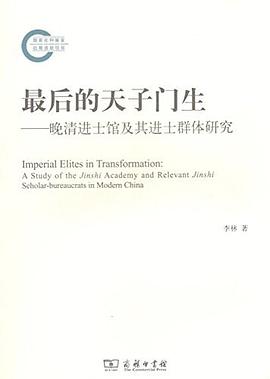
最后的天子门生 豆瓣
作者: 李林 出版社: 商务印书馆 2017
本书以晚清进士馆及所涉进士群体为切入点,尝试将制度研究与人物研究进行结合。制度研究方面,先辨析晚清革废科举、改试西学的制度设计与运作得失,以为铺垫,而后厘清进士馆筹设、过渡、建立、运作、停办、改组、善后及其影响诸细节,再及于进士留学、归国考选及授职迁转的制度鼎革及其意涵。人物研究则兼顾群体及个体,通过详考癸卯、甲辰两科进士清末至民国期间的活动与经历,探讨近代中国巨变对传统文化精英群体的冲击,以及该群体如何因应并影响此种变革。作者从细处入手解析,大处着眼观照,尝试突破新政十年及清廷成败的视域限制,将其置诸近代中国剧烈的文化、政治与社会转型中进行考察,以期在制度变迁与社会变革中审视末代天子门生独特而曲折的生命与心路历程。
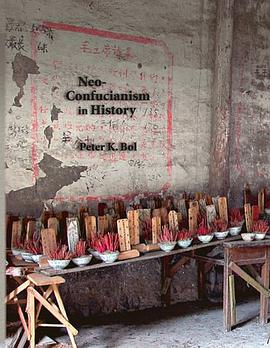
Neo-Confucianism in History 豆瓣
9.7 (6 个评分) 作者: Peter K. Bol 出版社: Harvard University Asia Center 2008 - 11
Where does Neo-Confucianism - a movement that from the twelfth to the seventeenth centuries profoundly influenced the way people understood the world and responded to it - fit into our story of China's history?This interpretive, at times polemical, inquiry into the Neo-Confucian engagement with the literati as the social and political elite, local society, and the imperial state during the Song, Yuan, and Ming dynasties is also a reflection on the role of the middle period in China's history. The book argues that as Neo-Confucians put their philosophy of learning into practice in local society, they justified a new social ideal in which society at the local level was led by the literati with state recognition and support. The later imperial order, in which the state accepted local elite leadership as necessary to its own existence, survived even after Neo-Confucianism lost its hold on the center of intellectual culture in the seventeenth century but continued as the foundation of local education. It is the contention of this book that Neo-Confucianism made that order possible.
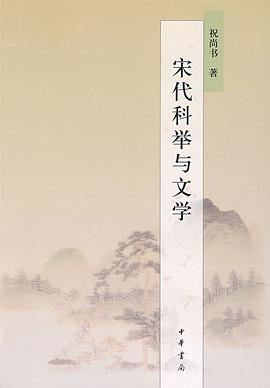
宋代科举与文学 豆瓣
作者: 祝尚书 出版社: 中华书局 2009 - 1
在我国古代,国家采用科举考试的方式,来选拔人才。所谓科举,本来就是“以文章取士”,这个“文章”包括了诗赋及骈、散各体文。所以科举自身就是取士制度与文学的结合体,而将“科举”与“文学”联系起来进行交叉研究,唐、宋时代的学者便已肇其端;以现代理论和方法进行科学研究,则始于上世纪。经过许多学者的努力,在唐代科举与文学研究现在已有了很好的成就。作者受他们启发,于是对宋代的宋代科举与文学进行研究,数年来,也取得了很好的成绩。本书从科举制度研究、科举文体研究、科举与各种思想文化之关联互动研究、科举与文学之关系研究等四个方面,分十九章进行论述,资料详实,分析具体,有很好的学术价值。
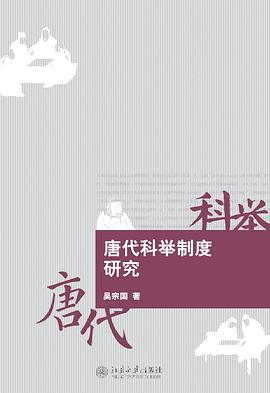
唐代科举制度研究 豆瓣
作者: 吴宗国 出版社: 北京大学出版社 2010 - 3
科举之名始于宋代。唐代贡举制度宋以后也习称为科举,因为它已具备了科举制的最基本的特征,故本书亦以科举名之。本书追述了科举制度的产生过程,论述了科举在唐代选官制度中的地位变化,对唐代科举制度中常科和制科中一些主要问题、科目选和学校等问题进行了比较深入的阐述,还探讨了进士科考试科目和录取标准的变化,并对由科举制度发展而产生的座主门生关系、请托行卷盛行、门荫衰落和进士家族、社会等级再编制等问题进行了论述。本书十年前由辽宁大学出版社出版,现经作者修订出版。
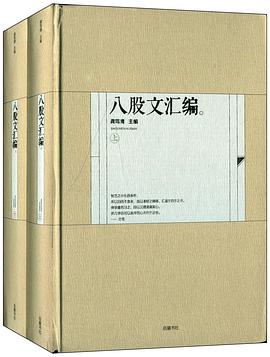
八股文汇编 豆瓣
作者: 龚笃清 出版社: 岳麓书社 2014 - 7
《八股文汇编(套装共2册)》内容有哀公问社于宰我一章(选自《明文钞》三编)、昔者先王以为东蒙主四句(选自《明文钞》三编)、三月无君则吊四节(选自《明文钞》三编)、《诗》云鸢飞戾天一节(选自《钦定四书文》)、子哙不得与人燕二句(选自《钦定四书文》)等。
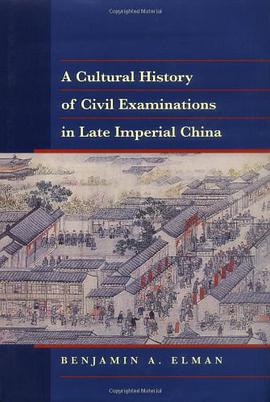
A Cultural History of Civil Examinations in Late Imperial China 豆瓣
作者: Benjamin A. Elman 出版社: University of California Press 2000 - 3
In this multidimensional analysis, Benjamin A. Elman uses over a thousand newly available examination records from the Yuan, Ming, and Ch'ing dynasties, 1315-1904, to explore the social, political, and cultural dimensions of the civil examination system, one of the most important institutions in Chinese history. For over five hundred years, the most important positions within the dynastic government were usually filled through these difficult examinations, and every other year some one to two million people from all levels of society attempted them.
Covering the late imperial system from its inception to its demise, Elman revises our previous understanding of how the system actually worked, including its political and cultural machinery, the unforeseen consequences when it was unceremoniously scrapped by modernist reformers, and its long-term historical legacy. He argues that the Ming-Ch'ing civil examinations from 1370 to 1904 represented a substantial break with T'ang-Sung dynasty literary examinations from 650 to 1250. Late imperial examinations also made "Tao Learning," Neo-Confucian learning, the dynastic orthodoxy in official life and in literati culture. The intersections between elite social life, popular culture, and religion that are also considered reveal the full scope of the examination process throughout the late empire.
唐摭言 豆瓣
作者: [五代]王定保 出版社: 上海古籍出版社 1978
唐摭言十五卷,备载唐代科举制度,文士风习,以及诗人墨客的遗闻佚事,乃至唐代许多诗人的零章断句为别集所失载者。
唐摭言是记录唐代科举制度和掌故的唯一专著,是研究科举制度、文人生活等的必读书。
宋代科举社会 豆瓣
作者: 梁庚尧 出版社: 东方出版中心有限公司 2017 - 1
科举制度在中国实行了一千三百多年,滥觞于隋唐,成熟于宋代。宋廷以考试选拔人才,不限门第,且因出版市场发达,教育机会扩大,知识传播日益普遍,许多没有家世背景的子弟为了出人头地,有志于读书应考,以求仕进。读书人不论出身,均有机会经由科举考试晋升为官宦,演变而为所谓的科举社会。
庞大的士人队伍壅塞于科举管道,只有极少数人功成名就,士人难免产生前途茫茫之感,而求神问卜、祈梦相命,甚至发展出梓潼信仰。不过,大多数的士人在一两次落第后,可能碍于生计,放弃科举入仕的目标,或从事教书、改业经商,或表演伎艺、卖卜,各觅出路。
本书深入剖析宋代科举制度的运行模式,及其背后推动的力量,进而阐述此一制度对社会的影响与科举文化的形成,呈现出宋代科举社会丰富的内涵,引领读者深入了解科举制度,并通过此一制度了解中国社会,尤其是文化担纲者士人的生活、心理及其相关文化。本书是中国科举文化研究、宋代社会史研究的典范之作,问世以来深受海内外学界好评。