科學
Two's Company, Three Is Complexity 豆瓣
作者: Neil F. Johnson 出版社: Oneworld Publications 2007
Preface
It is 2050, and you are watching Who Wants to be a Billionaire? The contestant is one question away from the jackpot. Up comes his
question: “What is the name of the theory that scientists started developing at the beginning of the twenty-first century, and
which helped the world overcome traffic congestion, financial market crashes, terrorist attacks, pandemic viruses, and cancer?” The contestant cannot believe his luck. What an easy question! But he is so nervous that his mind temporarily goes blank. He starts to consider option A: “They are all still unsolved problems” – but then quickly realizes that this is a dumb answer. Instead, he uses his last lifeline to ask the audience. The audience responds unanimously and instantaneously with option B: “The Theory of Complexity”. Without hesitation, he goes with option B. The host hands him the cheque, and the world has yet another billionaire.
Pure fantasy? Maybe not.
In this book, we will go on a journey to the heart of Complexity, an emerging science which looks set to trigger the next great wave of advances in everything from medicine and biology through to economics and sociology. Complexity Science also comes with the
prospect of solving a wide range of important problems which face us as individuals and as a Society. Consequently, it is set to permeate through every aspect of our lives.
There is, however, one problem. We don’t yet have a fullyfledged “theory” of Complexity. Instead, I will use this book to assemble all the likely ingredients of such a theory within a common framework, and then analyze a wide range of real-world applications within this same common framework. It will then require someone from the future – perhaps one of the younger readers of this book – to finally put all these pieces into place.
Complexity Science is a double-edged sword in the best possible sense. It is truly “big science” in that it embodies some of the hardest, most fundamental and most challenging open problems in academia. Yet it also manages to encapsulate the major practical issues which face us every day from our personal lives and health, through to global security. Making a pizza is complicated, but not complex. The same holds for filling out your tax return, or mending a bicycle puncture. Just follow the instructions step by step, and you will eventually be able to go from start to finish without too much trouble. But imagine trying to do all three at the same time. Worse still, suppose that the sequence of steps that you follow in one task actually depends on how things are progressing with the other two. Difficult? Well, you now have an indication of what Complexity is all about. With that in mind, now substitute those three interconnected tasks for a situation in which three interconnected people each try to follow their own instincts and strategies while reacting to the actions of the others. This then gives an idea of just how Complexity
might arise all around us in our daily lives.
While I was writing this book, I had the following “wish-list” in my head concerning its goals:
1. To provide a book which a wide cross-section of people would want to read and would enjoy reading – regardless of age,
background or level of scientific knowledge.
2. To introduce readers to the exciting range of real-world scenarios in which Complexity Science can prove its worth.
3. To provide the book on Complexity that “I never had but always needed”. In other words, to provide an easily readable yet thorough guide to this important scientific revolution.
4. To provide a book that my kids could read – or rather, a book that they would actually choose to read all by themselves. This is a very important goal, since Complexity will likely become the science of interest for future generations.
5. To provide a book which is just as readable on a plane or bus as in a library. As such, it should also make sense when read in short chunks.
6. To provide a book which provides professional scientists,economists, and policy-makers with a new perspective on
open problems in their field, and to help stimulate new Complexity-based interdisciplinary research projects.
However, as I finish the book and offer it up to potential readers,I realize that the above wish-list can essentially be reduced to just
one item: I would wish that you enjoy reading this book, and that it might provide you with fresh thoughts and insights for dealing
with the complex world in which we live, and which our children will inherit.
There are some practicalities concerning the book’s content and layout which I would like to explain. The language, examples and
analogies are kept simple since the focus of the book is to explain what Complexity Science is all about, and why it is so important for
us all. I therefore avoid delving into too much detail in the main text. Instead, the Appendix describes how to access the technical
research papers upon which the discussions in the book are based, and gives a list of Internet websites containing additional information about Complexity research around the world. Having said this, I won’t pull any punches in the sense that I tackle all the topics
which I believe to be relevant. Part 1 of the book takes us through the theoretical underpinnings of Complexity, while Part 2
delves into its real-world applications. Some of the territory is only just beginning to be explored, with very few answers available
for the questions being posed. From the perspective of other scientific revolutions throughout history this might seem to be par
for the course. However we are not talking about history here –instead, we are looking at work which is emerging at the forefront
of a new discipline. For this reason we will be highlighting where such research is heading, rather than where it has been.
But why should you believe what I write about Complexity? This is a crucially important question given that Complexity Science is still being developed and its potential applications explored. Unfortunately many accounts of Complexity in the popular press are second-hand, i.e. they are typically written by people who have done little, if any, research on Complexity themselves and are instead reporting on their interpretation of
other people’s work. Given the relatively immature nature of the field, I believe that such indirect interpretations are potentially
dangerous. For this reason, I will base the book’s content around my own research group’s experience in Complexity. This has
various advantages: (i) it reflects my own understanding of the Complexity field; (ii) it represents what I believe to be the most
relevant and important topics; (iii) it will hopefully give the reader a sense of what it is like to be at the “pit-face” in such a
challenging area of research; and (iv) it ensures that any reader can challenge me directly on any claims that I make, and can
demand an informed answer. To facilitate this process of public scrutiny, a complete list of the relevant scientific research reports
is presented in the latter part of the Appendix. I also encourage any readers who wish to email me with questions, to do so at
n.johnson@physics.ox.ac.uk

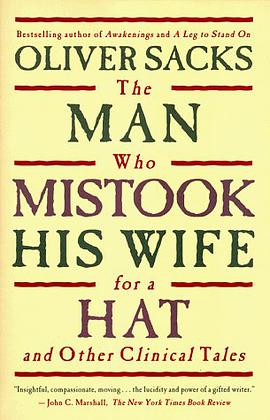
The Man Who Mistook His Wife for A Hat 豆瓣
作者: Oliver Sacks 出版社: Touchstone 1998 - 4
In his most extraordinary book, "one of the great clinical writers of the 20th century" (The New York Times) recounts the case histories of patients lost in the bizarre, apparently inescapable world of neurological disorders. Oliver Sacks's The Man Who Mistook His Wife for a Hat tells the stories of individuals afflicted with fantastic perceptual and intellectual aberrations: patients who have lost their memories and with them the greater part of their pasts; who are no longer able to recognize people and common objects; who are stricken with violent tics and grimaces or who shout involuntary obscenities; whose limbs have become alien; who have been dismissed as retarded yet are gifted with uncanny artistic or mathematical talents. If inconceivably strange, these brilliant tales remain, in Dr. Sacks's splendid and sympathetic telling, deeply human. They are studies of life struggling against incredible adversity, and they enable us to enter the world of the neurologically impaired, to imagine with our hearts what it must be to live and feel as they do. A great healer, Sacks never loses sight of medicine's ultimate responsibility: "the suffering, afflicted, fighting human subject."
人體交易 豆瓣
The Red Market
9.2 (5 个评分) 作者: Scott Carney 译者: 姚怡平 出版社: 麥田 2012 - 3
★中譯首本人體交易秘辛紀實
★媒體雜誌書評一致推薦
★讓人震驚的人體與人體器官販售真相
★收錄超過20張作者在訪探時所拍攝的真實照片
這份深入的報告書引領讀者踏上驚異之旅,
進入毛骨悚然的全球化黑社會,
一探器官、人骨、活人買賣的人體市場。
不要再說什麼叢林深處的食人族了,
當今的人類對人肉的欲望程度才是史上最高的。
我們需要大量的人體原料,提供屍體給醫學院,讓那些未來的準醫生們能夠充分認識人體解剖學;領養機構把第三世界的數千名兒童送到第一世界,填補美國家庭單位裡的斷裂;製藥公司需要活人來測試下一代的超級藥物;美容產業每年要處理數百萬磅的人類頭髮,以因應消費者對新髮型永不休止的渴望。
這是一本作者闡述自己走訪最黑暗的全球人體市場的旅程,揭露市場上每樁血淋淋交易的殘忍真相。在這裡,你可以兜售自己身體的每個器官,也可以買到任何一個你需要的身體部位。穿梭在此市集的往來者,不是器官掮客、人骨竊盜者、血牛、販賣孩子的人口販子,就是身體有殘缺或是年邁老者的賣家。他們在吵雜市集上叫賣一顆腎臟的價錢,甚至也租賃一個女人的子宮。
調查記者史考特.卡尼耗時五年,現場追蹤獲利高且祕而不宣的人體以及人體部位貿易,此一龐大又隱密的經濟體稱為「人體市場」。他揭露出各種人體交易,有駭人聽聞的,也有荒謬至極的,例如:人稱「腎臟村」的印度村莊,之所以有此一稱號,是因為多數村民都為了錢賣掉自己的腎臟;肆無忌憚的盜墓人從墓園、太平間、火葬用的木柴堆裡偷竊人骨,製成西方醫學院與實驗室的解剖示範用骨骸;某座古老的寺廟將虔誠信徒的頭髮賣給美國的假髮製造商,年收入高達六百萬美元。
《人體交易》揭露了此一產值高達數十億美元的地下貿易在歷史上的興衰和復興,並描繪早期的醫療研究和現代大學,赤貧的歐亞村落和高科技的西方實驗室,盜屍人和代理孕母,人骨販子和賣身體部位維生的窮人。雖然地方上和國際上的執法人員均嚴格取締人體交易,但是科學的進步卻造成市場上對人體組織--韌帶、腎臟,甚至是租賃子宮--的需求日益增長,讓人少有餘裕去思量血肉貿易固有的道德難題。
本書共分為十個章節,分別探討:人骨交易、腎臟買賣、販嬰、卵子販售、子宮租賃、賣血、人體臨床實驗、長生不老解藥幹細胞、人髮捐贈。
《人體交易》使讀者得以窺見種種不忍卒睹卻發人深省的景況,令人大開眼界的離奇怪誕現象,並了解此一鮮為人知的全球人體產業,及其對人們的生活所造成的影響。
禪與腦:開悟如何改變大腦的運作 豆瓣
作者: James H. Austin 译者: 朱迺欣 出版社: 遠流 2007 - 8
赫胥黎把人類精神成長的基本趨勢稱為「永恆哲學」,奧斯汀認為這種趨勢表示一種動態的、直接的「永恆心理生理學」,因為覺醒或開悟發生在人類的腦經歷重大改變的時刻。開悟的顛峰經驗是什麼?這些狀態如何能深入強化,卻又能簡化腦的運作?
在這本書裡,禪學變成廣泛探索意識的楔子。為了要釐清哪些腦機制產生禪的狀態,我們必須對腦的解剖、生理和生化有某種程度的瞭解。奧斯汀是腦神經科學家,同時也是禪修行者,他把腦研究與他的禪經驗交織在一起:科學的部分廣泛而嚴謹,禪的部分清晰又吸引人。
第一部分談到禪是什麼,不是什麼;第二部分檢視禪的基本生理機制,不是它的偶發現象;第三部分整理腦研究的新近相關發展;第四部分定義意識的通常狀態和不同狀態。這項基礎工作,也作為第五到第七部分的序曲:首先提供幾種不同意識狀態的特殊實例,接著討論意識如何、何處與何時在人類腦的深處浮現。最後,第八部分是超越短暫經驗的澄清持續開悟階段,和它對社會的影響。
《禪與腦》總結呈現最新的證據,這本書同時也是一位神經科醫師個人的探索,以及專業研究的故事。
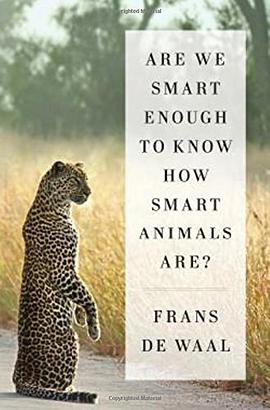
Are We Smart Enough to Know How Smart Animals Are? 豆瓣
作者: Frans de Waal 出版社: W. W. Norton & Company 2016 - 4
What separates your mind from an animal's? Maybe you think it's your ability to design tools, your sense of self, or your grasp of past and future – all traits that have helped us define ourselves as the planet's preeminent species. But in recent decades, these claims have been eroded, or even disproven, by a revolution in the study of animal cognition: take the octopuses that use coconut shells as tools; the elephants that classify humans by age, gender, and language; or Ayumu, the young male chimpanzee at Kyoto University whose flash memory puts that of humans to shame. Based on research involving crows, dolphins, parrots, sheep, wasps, bats, whales, and of course chimpanzees and bonobos, Frans de Waal demonstrates that we have grossly underestimated both the scope and the depth of animal intelligence. He offers a firsthand account of how science has stood traditional behaviorism on its head by revealing how smart animals really are.
好音樂的科學 豆瓣
How music works:The Science and Psychology of Beautiful Sounds, from Beethoven to the Beatles and Beyond
作者: John Powell 译者: 全通翻譯社 出版社: 大寫出版 2016 - 6
榮登亞馬遜、紐約時報暢銷榜長年不墜
轟動歐美的全方位音樂指南
愛樂人口耳相傳的床頭讀本
是工具書、科普書,更是沒有數學算式
以及複雜理論的音樂白皮書!
只用一本書,道盡世上樂器的發聲原理
不必死背Do-Re-Mi,就能摸清音樂底細
也為你我揭曉:為何有些旋律永遠動聽!
你喜歡音樂,但始終不得其門而入嗎?
學過鋼琴、小提琴,甚至打擊樂器,但搞不清音樂/噪音有什麼不同嗎?
喜歡唱歌,除了很大聲而且五音不全,該如何把握旋律、節奏與音準呢?
其實,在音樂的創作過程中,自有其邏輯規範、工學和物理原理在背後支撐著;本書就是為了音樂「是什麼」和「為什麼」的問題解惑而生的。
♦追根究底:樂音和噪音有何區別?
對於音樂這回事,有些人會擔心懂得愈多、得到的樂趣愈少,但其實正好相反。瞭解一道費功夫的菜餚是如何料理出來的,反而會讓人更懂得如何享用,同時絲毫不減其美味。音樂這件事,亦是如此。
這本書能提供你,關於以下事項的充分理解:
為什麼巴哈的〈C大調前奏曲〉,和齊柏林飛船的〈Stairway to Heaven〉那麼像?
聲音與噪音的差別究竟在哪裡?是什麼原因讓一個「音符」與其他聲響有所分別?
當一個人發出完美音準時,該怎樣分辨出來?為什麼十把小提琴所能發出的音量,只有一把小提琴發聲時的兩倍?你手上的鮑布.迪倫(Bob Dylan)CD專輯、黑膠唱片,或是數位流版本的音質比較好?為什麼指揮的薪水,是整個樂團當中最高的?是否非得去音樂廳,才能感受到完整的音樂?而大調不等於開心;小調不等於悲傷。長久以來人們之所以會這樣誤以為,完全是歌詞,加上人為因素造成的。
其實,世上絕大多數的人都不是音樂家,但大多數的人都喜歡聽音樂。
只是,什麼樣的音樂作品,會讓人想跳舞或哭泣?如何聽懂古典樂、爵士樂,這種愈來愈多人推崇的音樂。
大家都對音樂家的創作,究竟是即興,還是一場精心巧妙的策劃感到好奇。為了聽出背後的意圖,我們又該如何面對「音樂」這門學問呢?
約翰.包威爾以同時身為「物理學家」和「音樂家」的身分,在這本充滿原創性,對聲學深入詮釋的有趣指南當中,開啟了一條嶄新、明確、易於接受的愛樂捷徑。他以令人愉快的科學和心理學,描述在音樂表面之下的各種秘密,為我們揭示了鮮為人知的科學事實,和迷人音樂的背後故事;並以毫無術語、淺顯易懂的方式,隨著熱烈討論和聲、音色、音階、和弦、響度等名詞,以及音樂作品的背後意義,讓每位讀者都能充分理解箇中玄機,並且著迷不已。
♦讓不同類型的音樂進入生活,拓展你的音樂視野
你是音樂初學者?剛開始把手放在黑白琴鍵上練習彈奏,並想瞭解箇中原理嗎?你是資深愛樂人,每每想深入樂曲內涵,卻不得其門而入嗎?你是音樂科班出身,但苦於不知如何向身旁朋友說明繁瑣複雜的樂理知識嗎?其實,要讀懂樂譜上的所有記號,就有如從頭學習一門新語言。
這本書所提供的方法,可以讓初學者提綱挈領、迅速掌握其中要訣;同時透過世上數一數二的音樂專家告訴你:並沒有所謂「音樂天分」這回事,彈奏樂器就像其他技能一樣,只要學就會了!
本書以最淺白易懂的方式告訴你:
●如何搞懂圓舞曲、古典樂、爵士樂、搖滾樂,甚至是雷鬼音樂的拍子?
●為何小提琴、大提琴、伸縮長號、法國號、低音管不適合20歲以上的人學習?
●如何以最有效率的方式學會鋼琴或吉他?
●如何選擇適合自己的樂器,開啟自己的肌肉記憶,讓音樂學起來事半功倍?
●如何邁向演奏家或作曲家之路?
♦開啟藏在你腦海當中,那扇音樂的大門
身為一名聽眾,你已對音樂有相當程度的了解,只是許多知識都深埋在潛意識中罷了。本書將盡力說明剖析這些知識,並希望能帶來一些「啊!原來如此!」恍然頓悟的感受:
●對於入門愛樂者來說:
你知道樂音跟各種噪音之間只存在一項簡單差異,用電腦就能加以辨別嗎?而「基頻和泛音」的組合又是如何影響音高和音調的表現?最後由:響度、時值、音色以及音高所組成的「樂音」,又是怎麼逐步造就出好聽的音樂?
●對於進階的音樂學習者來說:
本書教你如何用10分鐘瞭解節奏、速度,以及拍子三者的關係,學會如何讀譜;並且瞭解在所有音樂的本體當中,是如何透過一個不斷重複的「噪音」,例如「砰」的鼓聲或「鏘」的鈸聲,進而提供節奏,而不搶走音樂的風采。
●對於想瞭解更多的專業人士來說:
你知道過去的兩百年間,竟然同時採用了三種不同的「小調」;原因只是因為它們好聽;而最古老被紀錄下來的完整樂曲之一,竟然是古希臘的「搖滾樂」(Seikilos Epitaph)嗎?還在不久前,世界各國、甚至各城市間同一個音的「音高」本來都是不一樣的,今日全球統一採行的音符,則是後來經過謹慎挑選的產物──但問題是,當初是由誰來挑選的?又為什麼是這些音?
為什麼身為亞洲人的我們,比較容易擁有「絕對音感」?而且大部分音樂技巧來自於訓練而非啟蒙;愈早開始訓練,技巧就愈好!
♦如何分辨自己有沒有「絕對音感」?
●在不聽前奏的情況下。若每首歌的起音都正確,你就擁有絕對音感。
●若有些歌的起音是正確的,那麼你擁有的是部分絕對音感。
●若你認為自己都唱對了,但沒有其他人同意,那你應該去睡個覺,明天早上清醒時再試一次。
國內音樂人專業盛讚!(以下排列,依姓氏筆劃)
有了理性的認知,再加上感性的體會,欣賞音樂,從此不再是難事!──「愛樂電台」(Philharmonic Radio)資深節目製作及主持人 邢子青
音樂的學習是個觸類旁通的過程,從節奏、旋律、和聲、音色,到對位、曲式、結構、美學、歷史……等,對組成音樂的元素和面向有多一分了解,不但有助於演奏者掌握樂曲,也能為愛樂者增添聆賞的樂趣。《好音樂的科學》從科學的角度書寫音樂的故事,將看似枯燥或艱深的樂理,化為充滿知性趣味的解密之旅,值得一讀。──「朱宗慶打擊樂團」創辦人暨藝術總監 朱宗慶
在科學的分析下,除了能夠對於聲音有更多的認識,也能更進一步地去佐證許多我們在聽音樂時認為是常識的事情。──《MUZIK古典樂刊》發行人 孫家璁
看了這本書後,彈吉他都可以感受到振動波傳出來啊!!──網路吉他教學名人 馬叔叔
音樂居然可以用這麼有創意的方式剖析,真是讓我刮目相看!──知名大提琴家 張正傑
配合解說與圖表,讓你知其然也知其所以然的音樂書!──倫敦國王學院音樂學院博士、資深專欄作家 焦元溥
這音樂好好聽!但什麼叫做好聽?本書解答了聽音樂的人想問但不問的秘密。──「PanSci泛科學」總編輯 鄭國威
不少物理學家都對音樂有濃厚的興趣,愛因斯坦拉小提琴自娛,荷姆赫茲在音樂心理學與聲學領域做出偉大貢獻。而在音樂教育方面,作曲家暨物理學家包威爾展現了平易近人的文字魅力,對於音樂科學充滿好奇的人,必然不能錯過這本書。──「臺大音樂學研究所」副教授 蔡振家
一本能讓左右腦均衡發展的好書,讓我瞭解:原來學音樂,也可以很科學!──《PAR表演藝術》雜誌總編輯 黎家齊
國外媒體好評不斷!
通過閱讀本書,可以加強自己的音樂基礎;經由更紮實的知識,讓我們能更好地欣賞音樂本身。──《紐約圖書雜誌》編輯 阿曼達.馬克
任何熱愛音樂的讀者,如果不知道為何自己會對音樂如此著迷的內在原因,只要往技術方面進行探索一定會找到結果。本書即是這樣的徹底研究:時不時在陳舊的底漆之上,會跳出嶄新的啟示。──《旁觀者月刊》編輯 詹姆斯.沃爾頓
音樂是怎樣的,以及為什麼是這樣的?在此提供了非常詳實的討論......同時以清晰的邏輯呈現給讀者以上資訊,即使是像我這樣的外行人都看得懂,最了不起的是,本書並不迎合或過於簡化該議題。簡單地說,這是我在這個議題上面見過最好的書。──《西雅圖郵報》特派員 格雷格.巴布雷克
在科學論文和讓人哈哈大笑的評論之間,本書充分展現作曲家和物理學家的這種獨特混合的優勢。包威爾...塑造出一個有趣的利基,也就是用幽默來讓原本枯燥的聲學介紹變得有趣好讀。這裡面是人人都該收藏的音樂習題以及一些有用的背景,讀者可以同時從中獲得無限樂趣。──《圖書館雜誌》編輯 巴里.薩斯洛
作者...採用易於遵循的對話式語言,帶領讀者進入音樂學...這是驚人的,只要按照包威爾的解說,只要在幾個小時後,即使是音樂新手(像我一樣),都可以開始「讀」音樂。原來音樂是一種語言形式,以前作為局外人的我們,大多數時候都以為它是梵文那樣複雜難解。──《科技圖書新聞》記者 菲利普.曼寧
包威爾──這位英國的學者和教授,在這本啟發人心的著作裡,提出了關於人們如何體驗音樂的理論。本書選擇了最宏大的方式:也就是由所有與「音樂創作」有關學科著手舉例,並加入了他自己的獨到見解;書中包含了簡單的數學、物理、工程、歷史。
他在本書舉的例子當中,包含知名的古典神作:巴哈平均律〈C大調前奏曲〉和齊柏林飛船的〈Stairway to Heaven〉這兩首搖滾樂名曲並列比較。在前半本書中,所定義的音樂是由音調、頻率、和聲、節奏和分貝所組成;在該堅實基礎上,後半本書他成功證明了:音樂家是如何製作出品質良好的古典樂和流行音樂,以及我們究竟是如何「聽」跟「感受」音樂,而所有的一切都可以用科學來解釋。
即便包威爾是位科學家,但他在輸出這些材料時,選擇了以幽默生動的筆觸做呈現,也讓本書讀起來不致於生澀乏味;書中有趣的故事例如:「分貝」發明於一間酒吧,在一個深夜裡,由醉酒電氣工程師組成的委員會,他們因為找不到舞伴,所以想對這個世界報復。全書充滿旁徵博引、豐富多元的資訊如:「當我們現在聽莫扎特的音樂時,我們其實聽到的,比他本來打算讓聽眾聽到的還高上半音」這些內容,即使在夜半捧讀起來也很有趣。──《出版人週刊》
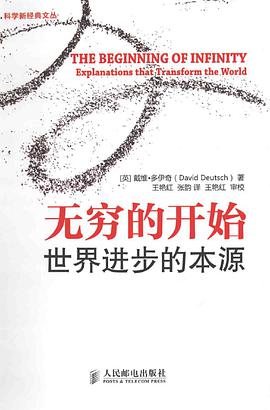
无穷的开始 豆瓣 Goodreads
The Beginning of Infinity: Explanations That Transform the World
作者: [英]戴维·多伊奇(David Deutsch) 译者: 王艳红 / 张韵 出版社: 人民邮电出版社 2014 - 11 其它标题: 无穷的开始:世界进步的本源
《无穷的开始》是一次大胆的、包罗万象的智力探险。戴维·多伊奇探索那些使我们理解现实世界怎样运转的重大问题。《真实世界的脉络》描述了我们当前知识中最深刻的4条支线——进化、量子物理学、知识和运算,以及它们带来的世界观。《无穷的开始》将这种世界观应用于许多不同的话题和未解问题,涉及到自由意志、创造力与自然规律、人类的未来与起源、现实与表象、解释与无穷。
多伊奇秉持坚定的理性和乐观态度,对人类选择、科学解释和文化进化的性质得出了惊人的新结论。他的立场并非来自充满希望的格言,而来自关于现实世界怎样运转的事实。他的核心结论是,“解释”在宇宙中有着基础性的地位。解释的范围和造成改变的能力是无穷无尽的。它们唯一的创造者——诸如人类这样能够思考的生物——是宇宙万物中最重要的实体。一切事物都在理性的延伸范围内,不仅是科学和数学,还有道德哲学、政治哲学和美学。在通用物理规律允许的情况下,进步没有限制。
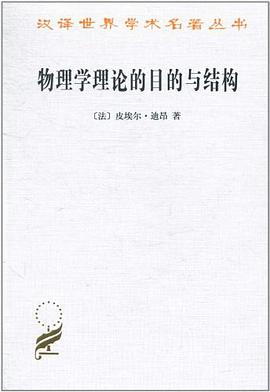
物理学理论的目的与结构 豆瓣
作者: (法) 迪昂 译者: 李醒民 出版社: 商务印书馆 2011 - 1
《物理学理论的目的与结构》是迪昂科学哲学的代表作。该书比较完整地展现了迪昂的科学哲学思想,是科学哲学的经典篇,是科学思想的里程碑。它的论题即使在今天看来依然是新鲜的和激动人心的,当今科学哲学讨论的诸多问题和提出的许多新颖命题,都能在其中找到思想源泉和智力酵素。难怪德布罗意这样认为:“迪昂论述物理学理论的著作值得大加赞誉,因为这是一部建立在作者的重大个人经验和一个无比强大的心智的敏锐判断基础上的著作,它包含着往往是非常正确和深邃的观点,甚至在我们不能没有限制地采纳它们的情况下,它们无论如何依然是有趣的,并为思想提供了足够的素材。”难怪内格尔如此评论:“迪昂的书是关于现代科学的哲学的最重要的经典著作之一,尽管自第一版出版以来已过去了半个世纪,但它还与目前的问题和当前思想的活跃源泉密切相关。”在内格尔如是估价之后又过了将近半个世纪,恕我孤陋寡闻,似乎在同一论题的著作中,还没有一本能在内容的丰富和思想的新颖方面超越迪昂。
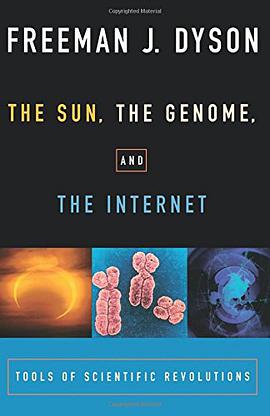
The Sun, The Genome, and The Internet 豆瓣
作者: Freeman J. Dyson 出版社: New York Public Library 2000 - 10
In this visionary look into the future, Freeman Dyson argues that technological changes fundamentally alter our ethical and social arrangements and that three rapidly advancing new technologies — solar energy, genetic engineering, and worldwide communication — together have the potential to create a more equal distribution of the world's wealth.
Dyson begins by rejecting the idea that scientific revolutions are primarily concept driven. He shows rather that new tools are more often the sparks that ignite scientific discovery. Such tool-driven revolutions have profound social consequences: the invention of the telescope turning the medieval view of the world upside down, the widespread use of household appliances in the 1950s replacing servants, to cite just two examples. In looking ahead, Dyson suggests that solar energy, genetics, and the Internet will have similarly transformative effects, with the potential to produce a more just and equitable society. Solar power could bring electricity to even the poorest, most remote areas of third-world nations, allowing everyone access to the vast stores of information on the Internet and effectively ending the cultural isolation of the poorest countries. Similarly, breakthroughs in genetics may well enable us to give our children healthier lives and grow more efficient crops, thus restoring the economic and human vitality of village cultures devalued and dislocated by the global market.
Written with passionate conviction about the ethical uses of science, The Sun, The Genome, and The Internet is both a brilliant reinterpretation of the scientific process and a challenge to use new technologies to close, rather than widen, the gap between rich and poor.
创世论与进化论的世纪之争 豆瓣
作者: 张增一 出版社: 中山大学出版社 2006 - 1
这是一部科学思想史著作,作者以翔实的文献资料生动扼要地再现了美国20世纪创世论与进化论激烈之争的经过,乃至一些关键性案件,如“斯科普斯案”、“麦克里恩案”的细节;这又是一部关于科学划界问题的理论性著作,其特点是透过具体案例分析了各种社会群体在不同时期对于科学的不同理解,以揭示这一问题的复杂性和现实意义。不管读者是否同意本书的论点,相信都能受益匪浅。
本书从分析美国新教徒的科学观与19世纪美国知识界对进化论的反应入手,首先探讨了美国创世论运动产生的原因和性质,其结论是,美国的反进化论运动不只是科学与宗教相冲突的表现,也不能简单地将其归结为愚昧无知者的反科学运动,而应该将其理解为不同的科学观念或科学划界标准在特定社会、政治和文化背景下的直接碰撞。
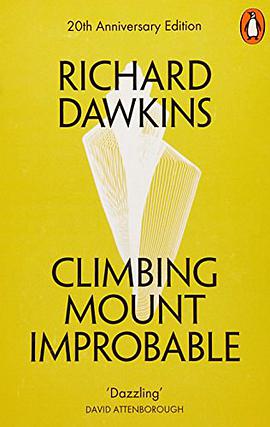
Climbing Mount Improbable 豆瓣 Goodreads
Climbing Mount Improbable
作者: Richard Dawkins 出版社: Penguin 2006 - 4
A brilliant book celebrating improbability as the engine that drives life, by the acclaimed author of The Selfish Gene and The Blind Watchmaker. The human eye is so complex and works so precisely that surely, one might believe, its current shape and function must be the product of design. How could such an intricate object have come about by chance? Tackling this subject--in writing that the New York Times called "a masterpiece"--Richard Dawkins builds a carefully reasoned and lovingly illustrated argument for evolutionary adaptation as the mechanism for life on earth. The metaphor of Mount Improbable represents the combination of perfection and improbability that is epitomized in the seemingly "designed" complexity of living things. Dawkins skillfully guides the reader on a breathtaking journey through the mountain's passes and up its many peaks to demonstrate that following the improbable path to perfection takes time. Evocative illustrations accompany Dawkins's eloquent descriptions of extraordinary adaptations such as the teeming populations of figs, the intricate silken world of spiders, and the evolution of wings on the bodies of flightless animals. And through it all runs the thread of DNA, the molecule of life, responsible for its own destiny on an unending pilgrimage through time. Climbing Mount Improbable is a book of great impact and skill, written by the most prominent Darwinian of our age.
科学究竟是什么? 豆瓣
What Is This Thing Called Science?
作者: 【英】A. F. 查尔默斯 译者: 查汝强 / 江枫 出版社: 商务印书馆 1982
目录

导言
第一章 归纳主义:科学是从经验事实推导出来的知识
1. 广泛持有的常识科学观
2. 朴素归纳主义
3.逻辑和演绎推理
4. 归纳主义科学观中的预见和解释
5. 朴素归纳主义的吸引力
第二章 归纳问题
1.归纳原理能被证明是正确的吗?
2.向概率退却
3.对归纳问题的可能回答
第三章 观察依赖于理论
1.对观察的一般看法
2.视觉经验不决定于视网膜上的映像
3.理论是观察陈述的前提
4.理论指导观察和实验
5.归纳主义并未被最后驳倒
第四章 介绍证伪主义
1.支持证伪主义者的逻辑论点
2.可证伪性是理论的标准
3.可证伪性的程度、明晰性和精确性
4.证伪主义和进步
第五章 精致的证伪主义,新颖的预见和科学的成长
1.相对而不是绝对的可证伪程度
2.越来越增大的可证伪性和特设性修改
3.证伪主义科学观的确证
4.大胆、新颖和背景知识
5.归纳主义和证伪主义的确证观比较
第六章 证伪主义的局限性
1.观察对理论的依赖性和证伪的易缪性
2.波普尔的不适当的辩护
3.实际检验情况的复杂性
4.从历史的角度看证伪主义的不当
5.哥白尼革命
第七章 作为结构的理论:1.研究纲领
1.应该把理论看作有结构的整体
2.拉卡托斯的研究纲领
3.研究纲领内的方法论
4.研究纲领的比较
第八章 作为结构的理论:2.库恩的规范
1.导言
2.规范和常规科学
3.危机和革命
4.科学的进步
5.常规科学和革命的功能
第九章 科学:没有主体的过程
1.区别对科学的三种研究法
2.库恩著作中混淆了三种观点
3.科学是一种复杂的社会活动
4.对客观方法的进一步支持
第十章 真理、实在论和工具主义
1.朴素实在论
2.朴素工具主义
3.实在论和真理的符合理论(1)语义学问题
4.实在论和真理的符合理论(2)认识论问题
第十一章 激进工具主义或多元实在论
第十二章 两类激进的批评—唯物主义和认识论的无政府状态
1.唯物主义
2.唯物主义的彻底客观性
3.科学史理论
4.再论归纳问题
5.费耶阿本德的认识论无政府状态
现代科学的起源 豆瓣
The Origins of Modern Science: 1300-1800
作者: 赫伯特·巴特菲尔德 译者: 张卜天 出版社: 上海交通大学出版社 2016
本书系“科学文化译丛”之一,是科学思想史上的一部经典著作,它第一次在历史研究中把“科学革命”一词用作核心概念,从而使这个名称广泛流行起来。本书论述了14世纪到19世纪的科学思想史,以中世纪晚期的冲力理论为开端,阐述了现代科学的兴起,描述了哥白尼、伽利略和培根等思想家在突破亚里士多德物理学方面作出的艰苦努力,并追溯了哈维、牛顿、玻意耳等科学家对其时代思维方式的影响。
科学究竟是什么 豆瓣
What Is This Thing Called Science?
作者: A.F.查尔默斯 译者: 鲁旭东 出版社: 商务印书馆 2007 - 11
《科学究竟是什么(第3版)》是英国著名学者A.F.查尔默斯论述当代科学哲学的代表作。提起查尔默斯,相信许多读者对他的名字并不陌生。1982年,他这部著作第一版的中文版首次在我国出版,是当时国内最早全面而系统地介绍20世纪西方科学哲学各流派的重要著作,它对科学哲学在学术复兴后的中国的传播、对我国科学哲学人才的培养以及学术研究的开展,都起到过重要的作用,有不少人正是读着《科学究竟是什么(第3版)》走人科学哲学的殿堂的。
《科学究竟是什么(第3版)》是国际上较流行的一部优秀的科学哲学教科书。作者在书中介绍了 20世纪最有影响的科学哲学大家,如波普尔、库恩、拉卡托斯和费耶阿本德等人的主要学术思想,还介绍了20世纪最后20年科学哲学的最新发展。