脑与认知神经科学
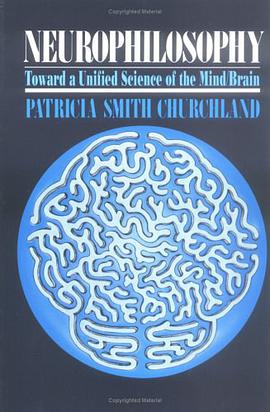
Neurophilosophy: Toward a Unified Science of the Mind/Brain Goodreads 豆瓣
作者: Patricia Smith Churchland 出版社: MIT Press 1989 - 9 其它标题: Neurophilosophy
Five chapters in the book's first part, "Some Elementary Neuroscience," sketch the history of the science of nervous systems and provide a general introduction to neurophysiology, neuroanatomy, and neuropsychology. In the second part, "Recent Developments in the Philosophy of Science," chapters place the mind-body problem within the wider context of the philosophy of science. Drawing on recent research in this area, a general account of intertheoretic reduction is explained, arguments for a reductionist strategy are developed, and traditional objections from dualists and other anti reductionists are answered in novel ways. The third part, "A Neurophilosophical Perspective," concludes the book with a presentation and discussion of some of the most promising theoretical developments currently under exploration in functional neurobiology and in the connectionist models within artificial intelligence research.Patricia Churchland is Professor of Philosophy, University of California, San Diego. A Bradford Book.
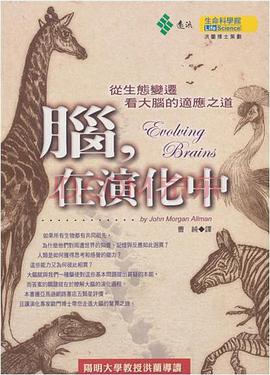
腦,在演化中 豆瓣
Evolving Brains
作者: John Morgan Allm 译者: 曹純 出版社: 遠流 2002 - 4
人類之所以成為萬物之靈,大腦可說是居功厥偉,它使人類與動物在智慧上產生差異,然而人腦的大小與智力商數的相關卻只有○‧三,亦即僅百分之九的IQ可以用腦大小來解釋,並非一般人想像的重要。大腦究竟與聰明才智有何關係?而它又是如何演化來的?
作者歐門博士專事大腦演化研究逾三十年,本書結合目前所知最複雜的組織系統--大腦,以及最具高度智慧挑戰的知識--演化,連同遺傳發展法則、地質歷史、動物生態、解剖和生理學等學科進行多面性的探究,從靈長目在視覺方面的成就,探查視網膜上的視覺影像是如何在牠們的腦中轉換成神經訊號。此外,當面對可能威脅生存的有害環境變遷時,大腦正是可使生物免受衝擊的緩衝物之一。歐門博士透過分析生物體結構的變異過程來了解大腦演化,可說是了解生命本質的關鍵所在。
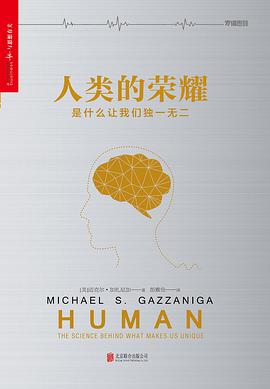
人类的荣耀 豆瓣
Human: The Science Behind What Makes Us Unique
作者: [美] 迈克尔·加扎尼加(Michael S. Gazzaniga 译者: 彭雅伦 出版社: 北京联合出版公司 2016 - 8
●在漫长的进化史中究竟发生了什么,才造就出独一无二的人类?语言、社会、道德、情感、艺术、意识……这些能力是人类独有的吗?
●开创认知神经科学领域的著名思想家加扎尼加被誉为“脑科学界的斯蒂芬•霍金”。在本书中,他集合多个学科领域的研究成果,对人类本质进行了一场细致而深入的解剖,以生动风趣的语言,将人类引以为豪的大脑中的各种功能一一道来,试图找到让我们变得与祖先截然不同,成为会思考、有感情的人类的关键所在。
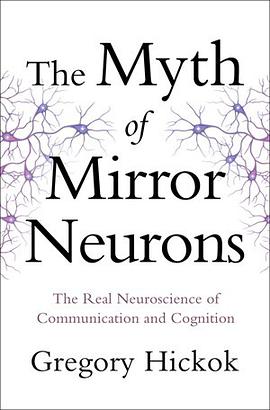
The Myth of Mirror Neurons 豆瓣
作者: Gregory Hickok 出版社: W. W. Norton & Company 2014 - 8
An essential reconsideration of one of the most far-reaching theories in modern neuroscience and psychology.
In 1992, a group of neuroscientists from Parma, Italy, reported a new class of brain cells discovered in the motor cortex of the macaque monkey. These cells, later dubbed mirror neurons, responded equally well during the monkey’s own motor actions, such as grabbing an object, and while the monkey watched someone else perform similar motor actions. Researchers speculated that the neurons allowed the monkey to understand others by simulating their actions in its own brain.
Mirror neurons soon jumped species and took human neuroscience and psychology by storm. In the late 1990s theorists showed how the cells provided an elegantly simple new way to explain the evolution of language, the development of human empathy, and the neural foundation of autism. In the years that followed, a stream of scientific studies implicated mirror neurons in everything from schizophrenia and drug abuse to sexual orientation and contagious yawning.
In The Myth of Mirror Neurons, neuroscientist Gregory Hickok reexamines the mirror neuron story and finds that it is built on a tenuous foundation—a pair of codependent assumptions about mirror neuron activity and human understanding. Drawing on a broad range of observations from work on animal behavior, modern neuroimaging, neurological disorders, and more, Hickok argues that the foundational assumptions fall flat in light of the facts. He then explores alternative explanations of mirror neuron function while illuminating crucial questions about human cognition and brain function: Why do humans imitate so prodigiously? How different are the left and right hemispheres of the brain? Why do we have two visual systems? Do we need to be able to talk to understand speech? What’s going wrong in autism? Can humans read minds?
The Myth of Mirror Neurons not only delivers an instructive tale about the course of scientific progress—from discovery to theory to revision—but also provides deep insights into the organization and function of the human brain and the nature of communication and cognition.
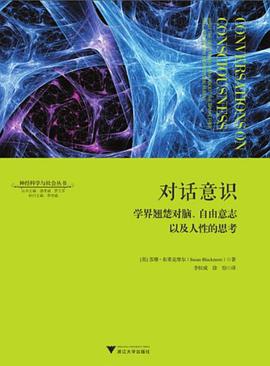
对话意识 豆瓣
作者: 苏珊·布莱克摩尔 出版社: 浙江大学出版社 2016 - 9
在《对话意识(学界翘楚对脑自由意志以及人性的思考)》一书中,作者苏珊·布莱克摩尔采访了当代意识研究领域最著名的研究者,共同讨论了一系列关于意识的论题,特别是意识的本质以及如果理解人类心灵。与以往相关著作不同的是,本书中的研究者大都是通过神经科学的方法来探讨意识问题的,并使得本书内容富有洞见、令人鼓舞。
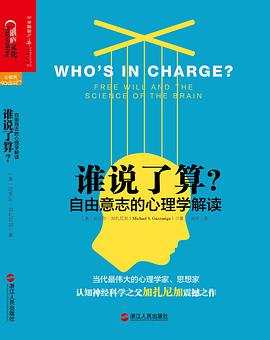
谁说了算? 豆瓣
Who’s in Charge--Free Will and the Science of the Brain
8.8 (8 个评分) 作者: [美]迈克尔·S.加扎尼加(Michael S. Gazzaniga) 译者: 闾佳 出版社: 浙江人民出版社 2013 - 7
左脑右脑谁说了算?是你在决定还是你的大脑在替你决定?人该为自己的罪行负责吗?
开创认知神经科学的著名思想家加扎尼加被誉为脑科学界的斯蒂芬•霍金。他在这本书里用“睿智而不夸张”的语言从脑科学的角度阐释自由意志问题,讲述了人类大脑的作用机制、意识的来源、社会意识的进化以及自由意志观念对于整个社会的影响。他告诉我们,人的思维是大脑整体运作的结果,既有从上而下也有从下而上的机制。本书还涉及物理学、社会学中那些会决定“我”的部分。
这是一本可以改变你的世界观的书。
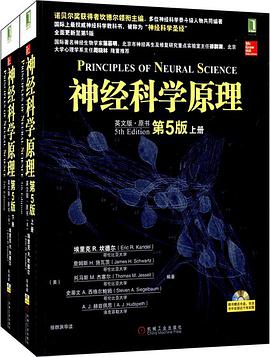
神经科学原理 豆瓣
Principles of Neural Science
作者: (美)埃里克 R. 坎德尔 / 詹姆斯 H. 施瓦茨 出版社: 机械工业出版社 2013 - 9
诺贝尔奖获得者坎德尔领衔主编,多位神经科学泰斗级人物共同编著
国际上最权威神经科学教科书,被称为“神经科学圣经”
全面更新至第5版
 国际著名神经生物学家蒲慕明、
 北京市神经再生及修复研究重点实验室主任徐群渊
 北京大学心理学系主任周晓林
隆重推荐
随书赠送光盘,包含书中全部近千张彩图