跟下下个研究计划有关
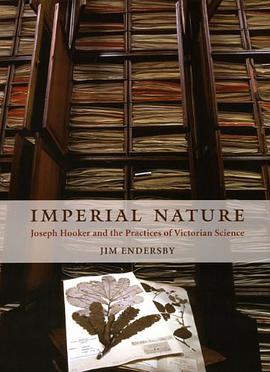
Imperial Nature 豆瓣
作者: Jim Endersby 出版社: University Of Chicago Press 2008 - 5
Joseph Dalton Hooker (1817-1911) was an internationally renowned botanist, a close friend and early supporter of Charles Darwin, and one of the first - and most successful - British men of science to become a full-time professional. He was also, Jim Endersby argues, the perfect embodiment of Victorian science. A vivid picture of the complex interrelationships of scientific work and scientific ideas, "Imperial Nature" gracefully uses one individual's career to illustrate the changing world of science in the Victorian era. By focusing on science's material practices and one of its foremost practitioners, Endersby ably links concerns about empire, professionalism, and philosophical practices to the forging of a nineteenth-century scientific identity.
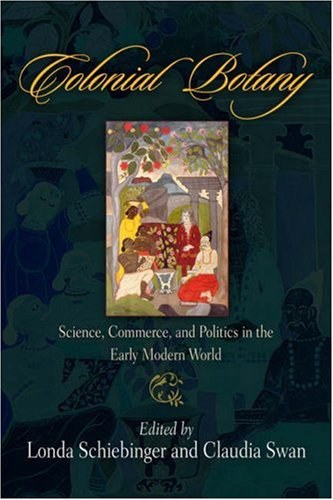
Colonial Botany 豆瓣
作者: Londa Schiebinger / Claudia Swan 出版社: University of Pennsylvania Press 2007 - 7
In the early modern world, botany was big science and big business, critical to Europe's national and trade ambitions. Tracing the dynamic relationships among plants, peoples, states, and economies over the course of three centuries, this collection of essays offers a lively challenge to a historiography that has emphasized the rise of modern botany as a story of taxonomies and "pure" systems of classification. Charting a new map of botany along colonial coordinates, reaching from Europe to the New World, India, Asia, and other points on the globe, Colonial Botany explores how the study, naming, cultivation, and marketing of rare and beautiful plants resulted from and shaped European voyages, conquests, global trade, and scientific exploration. From the earliest voyages of discovery, naturalists sought profitable plants for king and country, personal and corporate gain. Costly spices and valuable medicinal plants such as nutmeg, tobacco, sugar, Peruvian bark, peppers, cloves, cinnamon, and tea ranked prominently among the motivations for European voyages of discovery. At the same time, colonial profits depended largely on natural historical exploration and the precise identification and effective cultivation of profitable plants. This volume breaks new ground by treating the development of the science of botany in its colonial context and situating the early modern exploration of the plant world at the volatile nexus of science, commerce, and state politics. Written by scholars as international as their subjects, Colonial Botany uncovers an emerging cultural history of plants and botanical practices in Europe and its possessions.