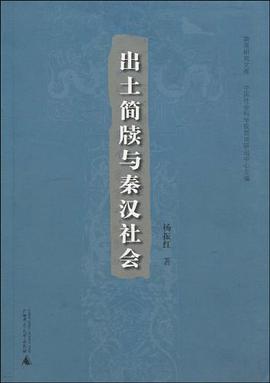
出土简牍与秦汉社会 豆瓣
作者:
杨振红
出版社:
广西师范大学出版社
2009
《出土简牍与秦汉社会》利用新出简牍材料,与传世文献相结合,对秦汉史研究中长期争论不决、关系秦汉社会结构与性质的三个重大问题——秦汉法律体系、战国秦汉土地制度,月令与秦汉政治关系——进行了深入探讨。《出土简牍与秦汉社会》的论点或为作者首次提出。如秦汉律二级分类构造说,或为作者重新诠释和论证,如战国秦汉名田宅制说,受到海内外学者的广泛关注和好评,引发了学术界对相关问题的热烈讨论。
目录
序/1
第一章 出土法律文书与秦汉律二级分类构造/1
一 学术史回顾与问题的提出/1
二 《二年律令》二十七种律均属九章/7
三 从睡虎地秦律到《九章律》/13
四 从魏晋以后律的演变看战国秦汉律/19
五 汉律正律与旁章/29
小结/34
第二章 《二年律令》的性质与汉代律令法系/36
一 学术史回顾与问题的提出/36
二 《二年律令》诸律令制作年代考/45
三 《二年律令》为吕后二年修订的法典辨/52
四 汉代的律令与法典的编纂修订/56
五 汉代法典体系的形成/68
六 汉令新识/76
小结/81
第三章 汉代法律体系及其研究方法/83
一 萧何“次律令”、“作律九章”的时间与汉二年萧何“为法令约束”/84
二 《二年律令》的性质与汉代法典的编纂修订/94
三 关于正律、旁章、傍章、单行律、追加法、律经等概念/97
四 秦汉律典构造与秦汉律二级分类说/109
小结/122
第四章 《二年律令》与秦汉“名田宅制”/126
一 《二年律令》所反映的“名田宅制”实态/126
二 战国秦汉土地制度形态的反思与重构/146
小结/163
附:龙岗秦简诸“田”、“租”简释义补正
——一结合张家山汉简看名田制的土地管理和田租征收/164
一 “行田”/165
二 “田实”/168
三 “田籍”/169
四 “程田”与“程”、“程租”、“租”及“匿田”/173
五 “盗田”/182
小结/185
第五章 月令与秦汉政治——兼论月令源流/187
一 关于尹湾《集簿》“以春令成户”与“春种树”/188
二 出土秦汉律令与月令/201
三 月令与西汉政治/211
小结/228
主要参考资料/234
后记/254
目录
序/1
第一章 出土法律文书与秦汉律二级分类构造/1
一 学术史回顾与问题的提出/1
二 《二年律令》二十七种律均属九章/7
三 从睡虎地秦律到《九章律》/13
四 从魏晋以后律的演变看战国秦汉律/19
五 汉律正律与旁章/29
小结/34
第二章 《二年律令》的性质与汉代律令法系/36
一 学术史回顾与问题的提出/36
二 《二年律令》诸律令制作年代考/45
三 《二年律令》为吕后二年修订的法典辨/52
四 汉代的律令与法典的编纂修订/56
五 汉代法典体系的形成/68
六 汉令新识/76
小结/81
第三章 汉代法律体系及其研究方法/83
一 萧何“次律令”、“作律九章”的时间与汉二年萧何“为法令约束”/84
二 《二年律令》的性质与汉代法典的编纂修订/94
三 关于正律、旁章、傍章、单行律、追加法、律经等概念/97
四 秦汉律典构造与秦汉律二级分类说/109
小结/122
第四章 《二年律令》与秦汉“名田宅制”/126
一 《二年律令》所反映的“名田宅制”实态/126
二 战国秦汉土地制度形态的反思与重构/146
小结/163
附:龙岗秦简诸“田”、“租”简释义补正
——一结合张家山汉简看名田制的土地管理和田租征收/164
一 “行田”/165
二 “田实”/168
三 “田籍”/169
四 “程田”与“程”、“程租”、“租”及“匿田”/173
五 “盗田”/182
小结/185
第五章 月令与秦汉政治——兼论月令源流/187
一 关于尹湾《集簿》“以春令成户”与“春种树”/188
二 出土秦汉律令与月令/201
三 月令与西汉政治/211
小结/228
主要参考资料/234
后记/254