当代中国阶级阶层变动(1978-2018) 豆瓣
作者:
李培林 等
出版社:
社会科学文献出版社
2018
- 9
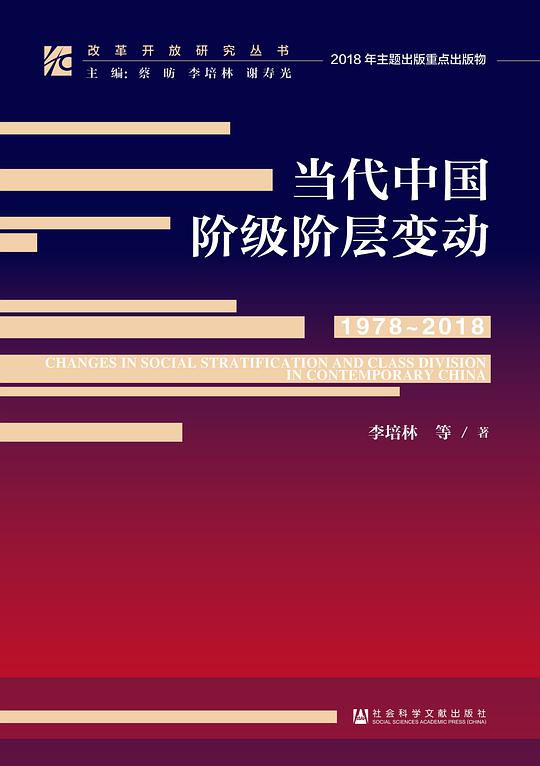
《当代中国阶级阶层变动(1978~2018)》揭示了改革开放40年来中国阶级阶层结构发生的深刻变化。基于大量的统计数据和调查数据,研究结果显示,近40年来工人队伍空前壮大,农民工成为新生力量;农民数量大规模减少,并且日趋分化和高龄化;专业技术人员成为中产阶层的主力;私营企业主成为广受关注的社会阶层;新社会阶层和新社会群体不断产生;等等。《当代中国阶级阶层变动(1978~2018)》认为,阶级阶层结构变动表现出一些新特征、新挑战,包括利益格局多样化发展,社会依然充满活力;不同发展阶段的社会矛盾重叠,产生一些两难选择;工农基础阶级的构成发生深刻变化,实现共同富裕要有一个过程;处理好精英群体与大众群体的关系至关重要,要避免社会认同危机和社会分裂;人民内部矛盾具有长期性和复杂性的特征,要不断提高依法、依规、靠制度解决问题的能力。
《当代中国阶级阶层变动(1978~2018)》还回答了围绕着阶级阶层的一些热点议题。例如,怎样理解工人阶级是领导阶级?当前收入差距是在扩大还是在缩小?社会阶层真的“固化”了吗?中国中等收入群体和中产阶层有多大规模?中同农民怎样才能普遍富裕起来?现阶段的贫富矛盾、劳资矛盾、干群矛盾是一种什么样的矛盾?农民工的大规模流动为何没有引起社会震荡?为什么当前很多民生问题表现为教育、医疗、环境等公共产品供给问题?什么是新集群行为或非直接利益冲突?为什么说要警惕权贵主义和民粹主义?
《当代中国阶级阶层变动(1978~2018)》指出要正确处理现阶段阶级阶层关系,必须充分认识解决阶级阶层矛盾的长期性、艰巨性和复杂性;要把改善民生作为当前解决阶级阶层矛盾的一项重要社会政策,把促进社会公平正义作为解决阶级阶层矛盾的长期任务;解决阶级阶层矛盾需要全面贯彻民主法冶,加强和改进党和政府的群众工作,要引导社会舆论和把握社会心态。
阶级阶层结构的变动趋势,从某种意义上说也决定了一个国家和社会未来的走向,因此要加强对新时代新阶段阶级阶层结构的研究,做好在这方面未来发展的顶层设计,为实现中国特色社会主义基本现代化谋篇布局。
《当代中国阶级阶层变动(1978~2018)》还回答了围绕着阶级阶层的一些热点议题。例如,怎样理解工人阶级是领导阶级?当前收入差距是在扩大还是在缩小?社会阶层真的“固化”了吗?中国中等收入群体和中产阶层有多大规模?中同农民怎样才能普遍富裕起来?现阶段的贫富矛盾、劳资矛盾、干群矛盾是一种什么样的矛盾?农民工的大规模流动为何没有引起社会震荡?为什么当前很多民生问题表现为教育、医疗、环境等公共产品供给问题?什么是新集群行为或非直接利益冲突?为什么说要警惕权贵主义和民粹主义?
《当代中国阶级阶层变动(1978~2018)》指出要正确处理现阶段阶级阶层关系,必须充分认识解决阶级阶层矛盾的长期性、艰巨性和复杂性;要把改善民生作为当前解决阶级阶层矛盾的一项重要社会政策,把促进社会公平正义作为解决阶级阶层矛盾的长期任务;解决阶级阶层矛盾需要全面贯彻民主法冶,加强和改进党和政府的群众工作,要引导社会舆论和把握社会心态。
阶级阶层结构的变动趋势,从某种意义上说也决定了一个国家和社会未来的走向,因此要加强对新时代新阶段阶级阶层结构的研究,做好在这方面未来发展的顶层设计,为实现中国特色社会主义基本现代化谋篇布局。