阶级
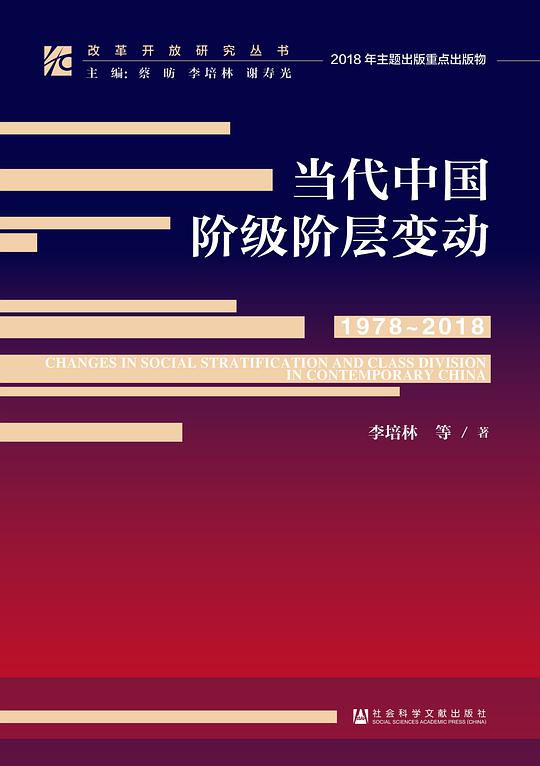
当代中国阶级阶层变动(1978-2018) Douban
author:
李培林 等
publishing house:
社会科学文献出版社
2018
- 9
《当代中国阶级阶层变动(1978~2018)》揭示了改革开放40年来中国阶级阶层结构发生的深刻变化。基于大量的统计数据和调查数据,研究结果显示,近40年来工人队伍空前壮大,农民工成为新生力量;农民数量大规模减少,并且日趋分化和高龄化;专业技术人员成为中产阶层的主力;私营企业主成为广受关注的社会阶层;新社会阶层和新社会群体不断产生;等等。《当代中国阶级阶层变动(1978~2018)》认为,阶级阶层结构变动表现出一些新特征、新挑战,包括利益格局多样化发展,社会依然充满活力;不同发展阶段的社会矛盾重叠,产生一些两难选择;工农基础阶级的构成发生深刻变化,实现共同富裕要有一个过程;处理好精英群体与大众群体的关系至关重要,要避免社会认同危机和社会分裂;人民内部矛盾具有长期性和复杂性的特征,要不断提高依法、依规、靠制度解决问题的能力。
《当代中国阶级阶层变动(1978~2018)》还回答了围绕着阶级阶层的一些热点议题。例如,怎样理解工人阶级是领导阶级?当前收入差距是在扩大还是在缩小?社会阶层真的“固化”了吗?中国中等收入群体和中产阶层有多大规模?中同农民怎样才能普遍富裕起来?现阶段的贫富矛盾、劳资矛盾、干群矛盾是一种什么样的矛盾?农民工的大规模流动为何没有引起社会震荡?为什么当前很多民生问题表现为教育、医疗、环境等公共产品供给问题?什么是新集群行为或非直接利益冲突?为什么说要警惕权贵主义和民粹主义?
《当代中国阶级阶层变动(1978~2018)》指出要正确处理现阶段阶级阶层关系,必须充分认识解决阶级阶层矛盾的长期性、艰巨性和复杂性;要把改善民生作为当前解决阶级阶层矛盾的一项重要社会政策,把促进社会公平正义作为解决阶级阶层矛盾的长期任务;解决阶级阶层矛盾需要全面贯彻民主法冶,加强和改进党和政府的群众工作,要引导社会舆论和把握社会心态。
阶级阶层结构的变动趋势,从某种意义上说也决定了一个国家和社会未来的走向,因此要加强对新时代新阶段阶级阶层结构的研究,做好在这方面未来发展的顶层设计,为实现中国特色社会主义基本现代化谋篇布局。
《当代中国阶级阶层变动(1978~2018)》还回答了围绕着阶级阶层的一些热点议题。例如,怎样理解工人阶级是领导阶级?当前收入差距是在扩大还是在缩小?社会阶层真的“固化”了吗?中国中等收入群体和中产阶层有多大规模?中同农民怎样才能普遍富裕起来?现阶段的贫富矛盾、劳资矛盾、干群矛盾是一种什么样的矛盾?农民工的大规模流动为何没有引起社会震荡?为什么当前很多民生问题表现为教育、医疗、环境等公共产品供给问题?什么是新集群行为或非直接利益冲突?为什么说要警惕权贵主义和民粹主义?
《当代中国阶级阶层变动(1978~2018)》指出要正确处理现阶段阶级阶层关系,必须充分认识解决阶级阶层矛盾的长期性、艰巨性和复杂性;要把改善民生作为当前解决阶级阶层矛盾的一项重要社会政策,把促进社会公平正义作为解决阶级阶层矛盾的长期任务;解决阶级阶层矛盾需要全面贯彻民主法冶,加强和改进党和政府的群众工作,要引导社会舆论和把握社会心态。
阶级阶层结构的变动趋势,从某种意义上说也决定了一个国家和社会未来的走向,因此要加强对新时代新阶段阶级阶层结构的研究,做好在这方面未来发展的顶层设计,为实现中国特色社会主义基本现代化谋篇布局。
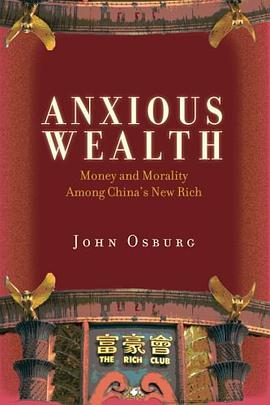
Anxious Wealth Douban
author:
John Osburg
publishing house:
Stanford University Press
2013
- 4
Who exactly are China's new rich? This pioneering investigation introduces readers to the private lives—and the nightlives—of the powerful entrepreneurs and managers redefining success and status in the city of Chengdu. Over the course of more than three years, anthropologist John Osburg accompanied, and in some instances assisted, wealthy Chinese businessmen as they courted clients, partners, and government officials.
Drawing on his immersive experiences, Osburg invites readers to join him as he journeys through the new, highly gendered entertainment sites for Chinese businessmen, including karaoke clubs, saunas, and massage parlors—places specifically designed to cater to the desires and enjoyment of elite men. Within these spaces, a masculinization of business is taking place. Osburg details the complex code of behavior that governs businessmen as they go about banqueting, drinking, gambling, bribing, exchanging gifts, and obtaining sexual services.
These intricate social networks play a key role in generating business, performing social status, and reconfiguring gender roles. But many entrepreneurs feel trapped by their obligations and moral compromises in this evolving environment. Ultimately, Osburg examines their deep ambivalence about China's future and their own complicity in the major issues of post-Mao Chinese society—corruption, inequality, materialism, and loss of trust.
Drawing on his immersive experiences, Osburg invites readers to join him as he journeys through the new, highly gendered entertainment sites for Chinese businessmen, including karaoke clubs, saunas, and massage parlors—places specifically designed to cater to the desires and enjoyment of elite men. Within these spaces, a masculinization of business is taking place. Osburg details the complex code of behavior that governs businessmen as they go about banqueting, drinking, gambling, bribing, exchanging gifts, and obtaining sexual services.
These intricate social networks play a key role in generating business, performing social status, and reconfiguring gender roles. But many entrepreneurs feel trapped by their obligations and moral compromises in this evolving environment. Ultimately, Osburg examines their deep ambivalence about China's future and their own complicity in the major issues of post-Mao Chinese society—corruption, inequality, materialism, and loss of trust.
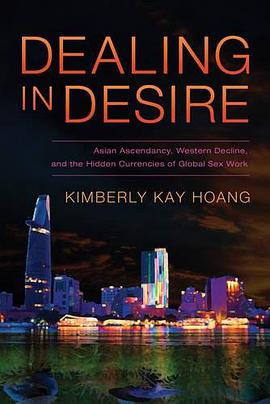
Dealing in Desire Douban Skybridge Goodreads
author:
Kimberly Kay Hoang
publishing house:
University of California Press
2015
- 2
other title:
Dealing in Desire: Asian Ascendancy, Western Decline, and the Hidden Currencies of Global Sex Work
This captivating ethnography explores Vietnam’s sex industry as the country ascends the global and regional stage. Over the course of five years, author Kimberly Kay Hoang worked at four exclusive Saigon hostess bars catering to diverse clientele: wealthy local Vietnamese and Asian businessmen, Viet Kieus (ethnic Vietnamese living abroad), Western businessmen, and Western budget-tourists. Dealing in Desire takes an in-depth and often personal look at both the sex workers and their clients to show how Vietnamese high finance and benevolent giving are connected to the intimate spheres of the informal economy. For the domestic super-elite who use the levers of political power to channel foreign capital into real estate and manufacturing projects, conspicuous consumption is a means of projecting an image of Asian ascendancy to potential investors. For Viet Kieus and Westerners who bring remittances into the local economy, personal relationships with local sex workers reinforce their ideas of Asia’s rise and Western decline, while simultaneously bolstering their diminished masculinity. Dealing in Desire illuminates Ho Chi Minh City’s sex industry as not just a microcosm of the global economy, but a critical space where dreams and deals are traded.
宋朝阶级结构 Douban
author:
王曾瑜
publishing house:
中国人民大学出版社
2010
- 1
《宋朝阶级结构(增订版)》系统而深入地论述了宋朝社会各阶级的经济状况,兼及它们的政治地位。唐宋都是以租佃制为主导的农业社会,乡村的雇佣制处于从属地位,但阶级状况有所变动,而宋朝的户口口分类制度则是研究宋朝阶级结构的突破口。在宋朝社会各阶级中占第一位的,是处于最底层的农民,他们却又是灿烂宋文明的基石。宋朝农民备受地租、高利贷和官府的苛重税役的压榨,大部分耕地被地主兼并,许多农民必须兼雇工或他业以维生。宋朝另一主体阶级是地主,其中包括皇室、官户、吏户、乡村上户、僧道户、斡人、坊郭上户等阶层。《宋朝阶级结构(增订版)》特别强调了官户在总体上是一个寄生和腐朽的阶层。宋朝的非主体阶级主要是城居的坊郭户,其中包括大、中、小商人和手工业者。大工商业实行合伙制或雇佣制,但并未成为这个以租佃制为主的农业社会走向解体或没落的因素。宋朝的私家奴婢大部分雇佣化,社会地位略有提高,法律上被称为“人力”和“女使”。