Art
Cézanne 豆瓣
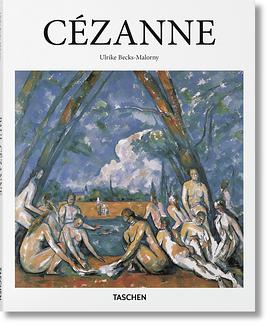
作者: Ulrike Becks-Malorny 出版社: Taschen 2016 - 6
Paintwork pioneer: The anchorman of modernism
In the latter half of the 19th century, in the verdant countryside near Aix-en-Provence, Paul Cézanne (1839–1906), busily plied his brush to landscapes and still lifes that would become anchors of modern art. With compact, intense dabs of paint and bold new approaches to light and space, he mediated the way from Impressionism to the defining movements of the early 20th century and became, in the words of both Matisse and Picasso, “father of us all.”
This fresh artist introduction selects key works from Cézanne’s oevure to understand his development, innovation, and crucial influence on modern art. From compositions of fruits and pears to scenes of outdoor bathers, we trace his experimentation with color, perspective, and texture to evoke “a harmony parallel to Nature,” as well as the very process of seeing and recording.
Along the way, we discover Cézanne’s celebrated Card Players, his layering of warm and cool hues to build up form and surface, and the geometric rigor of his landscapes from the vicinity of Aix-en-Provence, as bright with the light of southern France as they are bold with a radical new rendering of dimensions and depth.
About the series:
Each book in TASCHEN’s Basic Art series features:
a detailed chronological summary of the life and oeuvre of the artist, covering his or her cultural and historical importance
a concise biography
approximately 100 illustrations with explanatory captions
The Cello Suites 豆瓣
作者: Eric Siblin 出版社: Atlantic Monthly Press 2009
One evening, not long after ending a stint as the pop music critic at the Montreal Gazette, Eric Siblin attended a recital of Johann Sebastian Bach's "Cello Suites." There, something unlikely happened: he fell deeply in love with the music. So began an epic quest that would unravel three centuries of intrigue, politics, and passion. Part biography, part music history, and part mystery, The Cello Suites weaves together three dramatic narratives: Bach's composition of the suites and the manuscript's subsequent disappearance in the eighteenth century; Pablo Casals's historic discovery of the music in Spain in the late nineteenth century, and his popularization of the suites several decades later; and Siblin's own infatuation with the suites at the dawn of the twenty-first century. His search to learn all he can about the music leads Siblin to Barcelona, where Pablo Casals, just thirteen and in possession of his first cello, roamed the back streets with his father, in search of sheet music. To their amazement, they found Bach's lost "Cello Suites" tucked in a dark corner. Casals would play the suites every day for twelve years before finally performing them in public--and making them his own. As Siblin pursues the mysteries that continue to haunt this music more than 250 years after its composer's death, he asks the questions that have stumped modern scholars: why did Bach compose the suites for the cello, which was considered a lowly instrument in his day? And what happened to the original manuscript of the suites, which vanished after being hastily copied by Bach's second wife? The Cello Suites is a journey of discovery, fueled by the transcendent power of a musical masterpiece--and of the listeners who, like Siblin, have loved it through the ages.
Le Corbusier Le Grand 豆瓣
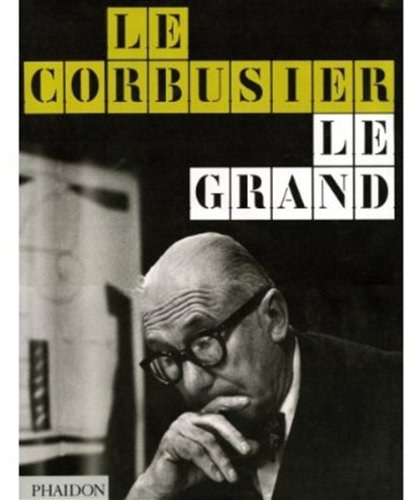
作者: Editors of Phaidon 译者: Elizabeth Clegg 出版社: Phaidon Press 2008 - 6
Le Corbusier (1887-1965) is one of the giants of twentieth-century architecture and design. Born Charles Edouard Jeanneret in La Chaux-de-Fonds, Switzerland, the self-named Le Corbusier was not only the creator of some of the most important and impressive buildings of the last century--Villa Savoye at Poissy, the Chapel of Notre Dame du Haut at Ronchamp, the Parliament Building in Chandigarh, India--he was also an accomplished painter, sculptor, furniture designer, urbanist, and author. His work and social theories continue to be a dominant force in the world of architecture and design, while his elegant bearing, typified by his round black eyeglasses, which are still today a signature look for architects around the world, helped cast him as an heroic figure out of Ayn Rand's novel The Fountainhead.
Drawing on an array of archival material, including sketches, photographs, and correspondences, Le Corbusier Le Grand depicts in roughly chronological order not only the vast and varied output of Le Corbusier, but also the major events, people, and forces that shaped the life of an artist who continues to fascinate those in and outside the architectural world.
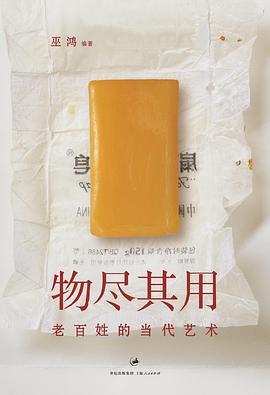
物尽其用 豆瓣
7.8 (24 个评分) 作者: [美国] 巫鸿 出版社: 上海人民出版社 2011 - 4
“物尽其用”是一个由“破烂儿”组成的庞大方阵,承载了亲人间相濡以沫的痕迹与温暖,承载了物资匮乏时代对生活的理解与敬重。
“物尽其用”是对一个逝去时代的展览,从北京到光州,从柏林到纽约,无数观众默默地流下眼泪,好像突然见到过世已久的亲人与挚友。
“物尽其用”是一种默默地收集与保存爱的哲学, 顽强地对抗着将置换与丢弃作为基本态度的当下,记录着中国老百姓对家庭与生活的永恒的爱。
赵湘源是宋冬的母亲,像中国千千万万勤俭持家的妇女一样,她保存下大量的生活物品:化石般的洗衣皂、孩子们丢弃的玩具、堆积如山的瓶瓶罐罐锅碗瓢盆……“物尽其用”是她的人生信条。艺术史家巫鸿和当代艺术家宋冬,与赵湘源女士一起,将她的这些庞大的收藏变成了一次巡回世界的展览。
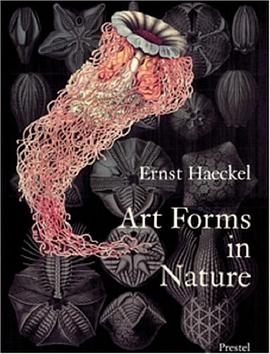
Art Forms in Nature 豆瓣
作者: Ernst Haeckel / Olaf Breidbach 出版社: Prestel 2008 - 8
The geometric shapes and natural forms, captured with exceptional precision in Ernst Haeckel's prints, still influence artists and designers to this day. This volume highlights the research and findings of this natural scientist. Powerful modern microscopes have confirmed the accuracy of Haeckel's prints, which even in their day, became world famous. Haeckel's portfolio, first published between 1899 and 1904 in separate installments, is described in the opening essays. The plates illustrate Haeckel's fundamental monistic notion of the "unity of all living things" and the wide variety of forms are executed with utmost delicacy. Incipient microscopic organisms are juxtaposed with highly developed plants and animals. The pages, ordered according to geometric and "constructive" aspects, document the oness of the world in its most diversified forms. This collection of plates was not only well-received by scientists, but by artists and architects as well. Rene Binet, a pioneer of glass and iron constructions, Emile Galle, a renowned Art Nouveau designer, and the photographer Karl Blossfeld all make explicit reference to Haeckel in their work.
艺术的起源 豆瓣
6.9 (7 个评分) 作者: [日本] 杉本博司 译者: 林叶 出版社: 广西师范大学出版社 2014 - 4
杉本博司向来以摄影家的身份为众人所知,举凡他的创作,如《透视画馆》《肖像》《剧场》《海景》等,无一不在挑战我们对于摄影表达的既有认知。他将时间、生命、历史这类具有纵向深度的主题,凝练成为二维的影像。在《艺术的起源》中,杉本博司详解了他“无相机摄影”新作《放电场》创作的原委和过程,以一般摄影者避之唯恐不及的静电灼烧底片,借闪电的意象连结起影像创造与地球生命的肇始。从未以影像的创作者自限的他,以光学玻璃雕塑五轮塔,探究人类宗教情感的来源,将金属块切削为数学模型,以有限的物质表现“无限”的概念,更为艺术家的想象力赋予其具象的造型。同时,杉本博司结合自己的摄影、建筑设计与收藏创作出令人眼前一亮的“杉本派”的装置艺术。当杉本博司对人类处境的思索越发明晰,我们也就看见他涉足更多人们未企及与尝试的全新领域,并以他的执著于探索精神将它们发挥得淋漓尽致,令人激赏。
《艺术的起源》便是杉本博司的自省、重新认识与超越的创作文集,他以文字梳理作品中“意象与语言的紧密交织”,将思索与创作历程全然呈现于读者面前。于是,我们有幸得见当代艺术与过往人类意识活动交织的吉光片羽,并一窥杉本博司所勾勒的人类精神史全貌。
本书收录了《放电场》、《偏光色》、《光学玻璃五轮塔》、《观念之形》等系列与多件装置艺术作品,值得提及的是,本书也体现了杉本博司对茶道的研究与兴趣,着墨较多的篇幅如与茶道相关的《三夕茶会》及向日本美学宗师千利休致敬的能剧创作《小田原》。
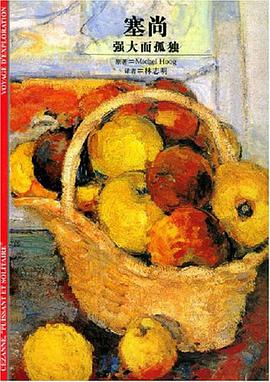
塞尚 豆瓣
作者: Michel Hoog / 林志明 译者: 林志明 出版社: 上海译文出版社 2004 - 10
《塞尚:强大而孤独》作者奥格,“我还欠您艺术中的真理,未来我会告诉您。”绘画是塞尚生命中唯一的关注。他既无需为穷困挂心,也不随其他艺术家放纵自我。不论在艾克斯或巴黎,孤独的他,在父亲的供养下,不屈不挠地为遵从色彩逻辑、征服新空间和“实现他的感受”而努力。塞尚的作品,曾遭人轻贬,无法受人赏识,然而他却在画中建立了新的世界观,哺育了20世纪的艺术。
“银行家塞尚悲叹地看到,在他柜台背后,诞生一位未来画家。在法国普罗旺斯地区艾克斯市(Aix-en-Provence),一位才华洋溢的中学生,借着这首诗,违抗父亲的意愿,肯定了自己想成为画家的决心。”
“画面上的素描和色彩元素,一点也不相分离;在作画的过程里,我们逐步着色,便是逐步描绘物形;色彩越和谐,物形便越精确。色彩一旦丰富了,物形也就饱满了。色调间的对比和相互关系,也就是物形描绘和立体感造型(modele)的秘诀。”
“大自然里无限的事物,它们吸引着我……我慢慢地进行,呈现在我面前的自然是如此的复杂;而且,又要不断地进步。”
“作画,便是去掌握那多种关系中的和谐,便是在一个新颖而有创意的逻辑中去发展它们,转变它们的调性,置于自己的音阶上。”
“因为,如果说对自然的强烈感受,我的确活生生地体验到它,是所有艺术概念的基础,同时,也是在它之上,才奠立了未来作品的伟大和美,对于如何去表达内心感情的手法,其认识却是同样的基本。这些手法,只有透过很长的体验,才能得到。”
“光和影是色彩间的一种关系:物体这两个主要的外在性效果,它们之间的差异,并不是来自其强烈程度的不同,而是来自两者各自的音色。”
“影子和光线一样,也是一道色彩,它只是相对不明亮;光和影,只是两种色调间的关系。”
“没有线条,就没有立体感,只有一些对比。这些对比,并非来自黑和白,而是来自色彩中的感受。”
“立体感来自色调间的精确关系。当各色调和谐并列,全部出现,画面自己便会呈显出立体感。”
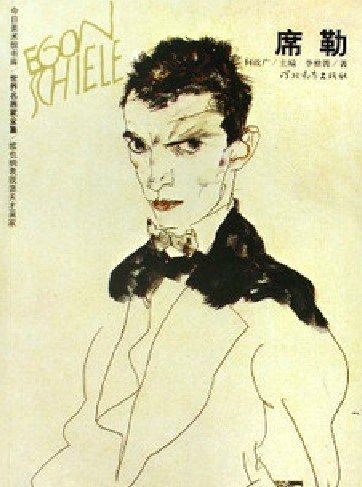
席勒 豆瓣
作者: 李维菁 出版社: 河北教育出版社 2006 - 10
维也纳表现派天才画家――席勒的生涯与艺术
早在1895年托尔斯泰的《论艺术》中就曾说到,艺术成为一个由审美家编造出来的谎言,艺术的作用不过是沦为娱乐而已。托尔斯泰并不是惟一一个提出这个观点的人。在欧洲的传统中,长久以来,审美家及其论点都笼罩在写实主义这把庞大的保护伞下,但是,这个根深蒂固的传统,却从19世纪末开始受到严重的挑战,并且逐渐式微。
过去的审美论者,往往在讨论艺术作品时,以“美”作为一切艺术讨论的终极与避难所,甚至还赋予其艺术道德上的内涵。这样的论理方式早已不足以应付新时代的需求。在19世纪末现代主义以后的讨论中,艺术的定义被扩大、深化,艺术不再是模仿现实,艺术适用于对付生命中的种种问题与呈现生命中的终极恐惧。特别是当欧洲笼罩在第一次世界大战的阴影下,社会
动荡不安,过去的艺术论以及审美观整个瓦解。
时代的背景:人类从未有过的孤寂 在一片充满不安全感与普遍虚无失落的社会气氛下,人们对于存在本身的问题与病症,有更为深入的体会与观察,这也是心理分析学派得以壮大的
社会必要条件。心理分析学派深深影响了现代主义以降的知识分子,他们倾向于对中产阶级所披戴的理性、实证主义者外观和道德符码下的伪善和粗暴加以拆解。
土地 豆瓣
作者: 胡昉 / 张巍 出版社: 湖南美术出版社 2004 - 6
《Asian Field土地Abtibt Gormley》首次向中国的读者展示中国观众对“土地‘的各种感受和反应,其中包括有留言、图片、文章等形式。 “从某种意义来说,《土地》是一项全球性项目,她是由地球上某一特定地区年龄各异的当地人民制造出来的。她由土制成、以火生成,其情感来自触摸,其思想来自观赏。”安东尼·葛姆雷的“土地”被认为是现代雕塑的经典作品。安东尼·葛姆雷是一位国际瞩目的艺术大师,自1989年,葛姆雷一直从事着一项与世界各国不同社区接触的长期项目———《土地》。为制造不同版本的《土地》雕塑,他游历了从巴西雨林到北欧等不同国家。
2003年1月,他与300多位不同年龄层次,来自广州东北部花都地区的市民一起,用了5天的时间,制造了近20万个小泥人,组成了大型雕塑巡展“土地”。
形式的生命 豆瓣
Vie des formes
作者: [法] 福西永 译者: 陈平 出版社: 北京大学出版社 2011 - 1
《形式的生命》是福西永的方法论代表著作,是一次激动人心的心灵冒险。作者遵循了最优秀的法国文学传统,运用文学修辞手法,将自己对于形式与风格问题的思考呈现出来,分别论述了空间王国、物质王国、心灵王国和时间王国中的形式,全书贯穿着纵横驰骋的思绪和奔放的想象力。全书由六篇组成,是一个有机整体。第一篇“形式的世界”揭示了艺术形式的内在逻辑和变形的基本原理,接来各篇分别讨论形式与空间、物质、心灵、时间各王国之间错综复杂的关系。最后一篇“手的礼赞”是脍炙人口的名篇,将前几部分的内容有机贯穿起来。他以独特的视角和方法,为美术史贡献了一种别样的形式主义理论,与沃尔夫林形成了鲜明而有趣的对比。
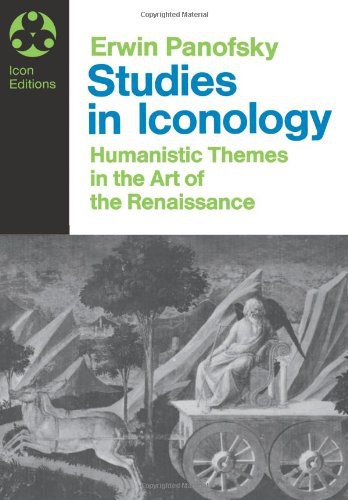
Studies in Iconology 豆瓣
作者: Erwin Panofsky / Gerda S. Panofsky 出版社: Westview Press 1972 - 3
Here, the themes and concepts of Renaissance art are analysed and related to both classical and medieval tendencies.
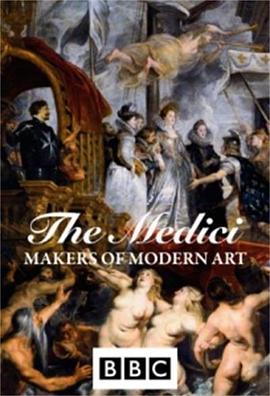
美第奇家族:现代艺术缔造者 (2008) 豆瓣
The Medici: Makers of Modern Art
8.0 (12 个评分) 演员: Andrew Graham-Dixon
其它标题: The Medici: Makers of Modern Art / 梅第奇家族:现代艺术缔造者
梅第奇家族的最重大的成就在于艺术和建筑方面,在文艺复兴时期起了很大的促进作用。乔凡尼是这个家族中第一个赞助艺术的。 援助马萨其奥并且定货重建圣洛伦佐教堂。科西莫·德·梅第奇著名的艺术性的合作者是多那太罗和菲利波·利比修士。那段时期里最灿烂的一笔就是米开朗基罗,从洛伦佐开始他在几代人的时间里都为梅第奇家族效劳。除了委任艺术和建筑方面的工作外,梅第奇家族也进行大量收藏,现在他们的收藏是佛罗伦萨的乌菲兹美术馆的核心展品。
在建筑方面,梅第奇家族给佛罗伦萨留下了许多著名的景点,其中包括乌菲兹美术馆,皮蒂宫,波波里庭院和贝尔维德勒别墅。
除了在艺术和建筑方面的成就.该家族在科学方面也有突出贡献,赞助了达芬奇和伽利略这样的天才.
这些惊人的成就使得梅第奇家族被称为文艺复兴教父(The Godfathers of the Renaissance)。
乔凡尼委任布鲁内勒斯基 重建圣洛伦佐教堂 1419年。
科西莫委任布鲁内勒斯基继续未完成的圆顶圣母百花大教堂。1436年 当时世界最大的圆顶完工 。
托莱多的埃利诺拉,科西莫一世的妻子,购买皮蒂宫 1550年 。
科西莫一世资助创建乌菲兹美术馆的乔治·瓦萨里(1560年)并且建立设计学院 1562年 。
玛丽·德·梅第奇,法国国王亨利四世的遗孀,路易十三的母亲,表现在彼得·保罗·鲁本斯的油画《法国王后玛丽·德·梅第奇在马赛登陆》中(1622年-23年)。
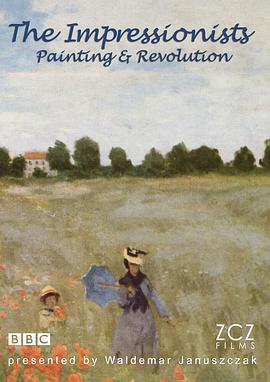
印象派 绘画与革命 (2011) 豆瓣
The Impressionists - Painting and Revolution
9.6 (22 个评分) 导演: Susan Doyon 演员: 瓦尔德马·雅努茨扎克
Gang of Four
Episode 1 of 4
Duration: 1 hour
Art writer Waldemar Januszczak explores the revolutionary achievements of the Impressionists. In the first episode, Waldemar delves into the back stories of four of the most influential Impressionists - Pissarro, Monet, Renoir and Bazille - who together laid the foundations of the artistic movement. He finds out what social and cultural influences drove them to their style of painting, how they were united and how ultimately they challenged and changed art forever.
Waldemar journeys from the shores of the West Indies, to the progressive city of Paris to the suburbs of South London, where these four artists drew inspiration from the cities and towns in which they lived. Whether it be the infamous spot on the river Seine - La Grenouillere - where Monet and Renoir beautifully captured animated people, iridescent light and undulating water or the minimalist, non-sensationalised illustrations of Pissarro's coarse countryside paintings, Waldemar discovers how the Impressionists broke conventions by depicting every day encounters within the unpredictable and ever changing sights around them.
------
Painting outdoors
Episode 2 of 4
Duration: 1 hour
Waldemar Januszczak continues his investigation of the Impressionists by taking us outdoors to their most famous locations. Although Impressionist pictures often look sunny and relaxed, achieving this peaceful air was hard work. Trudging through fog, wind and rain, across treacherous coastal rocks and knee-deep snow, Waldemar shows how the famous spontaneity of the Impressionists is thoroughly misleading.
This episode visits the French riverside locations that Monet loved to paint, and where Renoir captured the bonhomie of modern life. Waldemar also introduces a number of technical and practical developments of the age which completely revolutionised Impressionist painting - the invention of portable easels; the use of hog's hair in paint brushes; as well as the introduction of the railway through France. And a scientific demonstration in a Swedish snowdrift explains just how right the Impressionists were to paint brightly coloured shadows in their winter scenes, despite being accused of 'hallucinating' at the time.
Finally, Januszczak explains Cezanne's part in the Impressionist story from his dark and challenging early work to his first rural landscapes in France, and then his departure from Paris and separation from the Impressionist gang.
------
Painting the People
Episode 3 of 4
Duration: 1 hour
Waldemar Januszczak continues his investigation of the Impressionists, focusing this time on the people they painted and in particular the subjects of Degas, Caillebotte and the often forgotten Impressionist women artists. The Impressionists are famous for painting landscape but they were just as determined to paint people.
Looking closely at one of Impressionism's finest painters, Edgar Degas, Waldemar reveals how he consistently challenged traditions and strove to record real life as it appeared in the city, from sculpting the contorted movements of horses in motion at the Longchamp race course in Paris to encapsulating extravagant 3D viewpoints of the ballet dancers at the Paris Opera.
Waldemar also uncovers the intoxicating haziness the pastel produced in Degas' work when visiting his supplier Pastels de Roche. He also reveals the unusual viewpoints and dramatic perspectives of Caillebotte's paintings from the Place de L'Europe and the rebellious and revolutionary art of Morisot, Bracquemond and Cassatt, three impressive female artists who were eagerly embraced by the progressive movement of Impressionism
------
Final Flourish
Episode 4 of 4
Duration: 1 hour
This episode takes a closer look at the late years of Impressionism, using the last show these artists did together as a starting point.
Waldemar looks in considerable depth at the work of Georges Seurat, taking into consideration his academic training at the Beaux-Arts School in Paris and the artists that influenced him, such as Piero della Francesca and Puvis de Chavannes.
There is also an insight into the complex but fascinating world of optics and art, and the ways in which the Impressionists were using the new discoveries in light and eyesight to influence their work. A fascinating 'after-image' experiment brings to life the ways in which our own eyes see colour, both in its presence and its absence.
Van Gogh's time in Paris, a period very little is known about, is also covered, charting the incredible journey the artist made from his brown and dull canvases to the splendid colour and light that pervaded his work on the cusp of his departure for the South of France.
The film finishes with a revisiting of Monet and his later waterlily paintings in the Orangerie in Paris. Waldemar investigates how a bad case of cataracts was responsible for a seismic shift in his colour palette and his brushstrokes. Spending time with an ophthalmologist, he finds out how old age and a fairly common ailment of the eyes caused Impressionism to shift and become radical again at the turn of the century and into the 20th century
书法 豆瓣
作者: 邱振中 出版社: 北京师范大学出版社 2009 - 1
中国书法是中国独特的文化瑰宝,欣赏、学习书法是深入中国艺术、中国文化的重要途径。《书法7个问题:一份关于书法的知识、观念和深入途径的备忘录》对书法进行新锐而深刻的解说,以深入浅出的语言把书法的魅力和当代进展介绍给读书界。这些进展揭示了书法从未被人窥知的一面,以及书法对于整个艺术、文化、哲学等领域的重要意义。作者高屋建瓴的阐述,使得《书法7个问题:一份关于书法的知识、观念和深入途径的备忘录》既是一本专门的书法学习教材,更是一部书法艺术的研究论著。
《书法7个问题:一份关于书法的知识、观念和深入途径的备忘录》生动、睿智,往往从不经意处提出有意味的问题,从人们熟悉的作品中引发新颖的思考,在不断深入的思考中,引导读者深入书法艺术最前沿的话题。书中配有数百幅相关插图,特别是大量古典名作的配图,使读者在理论学习过程中全面感受古代杰作的魅力。与《中国书法:167个练习》配套使用,将理论学习与技法训练相结合,会有事半功倍的效果。
艺术哲学 豆瓣
作者: [法]丹纳 译者: 傅雷 出版社: 广西师范大学出版社 2002 - 1
《艺术哲学》是“一部有关艺术、历史及人类文化的巨著”,“采用的不是一般教科书的形式,而是以渊博精深之见解指出艺术发展的主要潮流”。丹纳主张研究学问,应“从事实出发,不从主义出发;不是提出教训而是探求规律,证明规律”。他认为物质文明与精神文明的性质面貌都取决于种族、环境、时代三大因素。从这原则出发,阐扬了意大利、尼德兰和古的艺术流派。最后一编“艺术中的理想”,为丹纳的美学。全书不但条分缕析,明白晓畅,而且富有热情,充满形象,色彩富丽,绝无一般理论文章的枯索沉闷之弊。
《艺术哲学》插图珍藏本分图本与文本两卷,图本共精选五百二十二幅,其中彩图四百八十四幅,全部由老一辈摄影家,八十高龄的陈渊先生精心翻拍而成。