Astrology
The Great Introduction to Astrology by Abū Maʿšar 豆瓣
作者: Keiji Yamamoto (ed.) / Charles Burnett (ed.) 出版社: Brill 2019 - 3
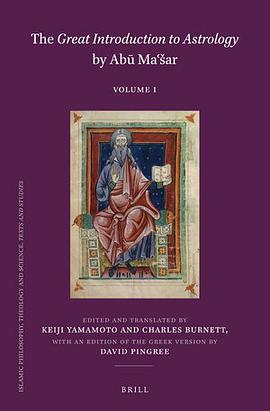
Abū Ma’͑šar’s Great Introduction to Astrology (mid-ninth century) is the most comprehensive and influential text on astrology in the Middle Ages. In addition to presenting astrological doctrine, it provides a detailed justification for the validity of astrology and establishes its basis within the natural sciences of the philosophers. These two volumes provide a critical edition of the Arabic text; a facing English translation, which includes references to the divergences in the twelfth-century Latin translations of John of Seville and Hermann of Carinthia (Volume 1); and the large fragment of a Greek translation (edited by David Pingree). Comprehensive Arabic, English, Greek and Latin glossaries enable one to trace changes in vocabulary and terminology as the text passed from one culture to another. (Volume 2.)
《明实录》天象记录辑校 豆瓣
作者: 刘次沅 出版社: 三秦出版社 2019 - 9
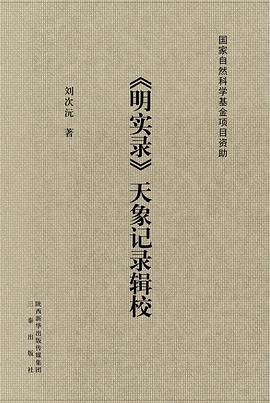
本书为国家自然科学基金项目研究成果。《明实录》是明代历朝官修的编年体史书,书中记录了从明太祖到明熹宗共十五代皇帝、约两百五十年的大量历史资料,具有重要史学价值,是研究明代历史的基础史籍之一。《明实录》中保存了大量的天象记录,是历代正史天文等志之外,中国古代优选的天象记录宝库,这些天象记录,对于历史学、科技史,甚至现代科学研究,都有不可替代的作用。本书以史语所影印整理的原北平图书馆藏红格手抄本《明实录》为底本,并参照《明实录校勘》,辑录出《明实录》中记载的天象,对其进行了勘误,还补充了《崇祯实录》和《崇祯长编》中的天象内容。天文内容比较专业,在史书编纂、传抄过程中容易发生错误,像数字、干支这类错误,后世很难根据文意更正,本书作者通过对这些天象记录进行全面天文计算验证,指出其中记载的错误,并用校勘记标出,进行了改正,对《明实录》中所记载的天象进行了还原。本书以明代皇帝为顺序,按年月对天象记录进行编排和校勘,天象记录清晰明了。本书对古籍整理校勘工作和明代历史、中国古代天文学史的研究有重要作用。
Books of Fate and Popular Culture in Early China 豆瓣
作者: Donald Harper / Marc Kalinowski 出版社: Brill Academic Pub 2017 - 8
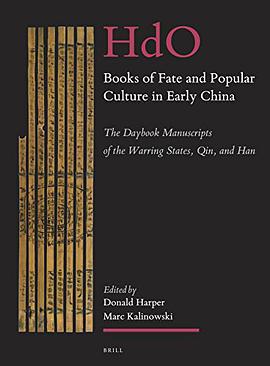
Books of Fate and Popular Culture in Early China is a comprehensive introduction to the manuscripts known as daybooks, examples of which have been found in Warring States, Qin, and Han tombs (453 BCE–220 CE). Their main content concerns hemerology, or “knowledge of good and bad days.” Daybooks reveal the place of hemerology in daily life and are invaluable sources for the study of popular culture.
Eleven scholars have contributed chapters examining the daybooks from different perspectives, detailing their significance as manuscript-objects intended for everyday use and showing their connection to almanacs still popular in Chinese communities today as well as to hemerological literature in medieval Europe and ancient Babylon.
Contributors include: Marianne Bujard, László Sándor Chardonnens, Christopher Cullen, Donald Harper, Marc Kalinowski, Li Ling, Liu Lexian, Alasdair Livingstone, Richard Smith, Alain Thote, and Yan Changgui.