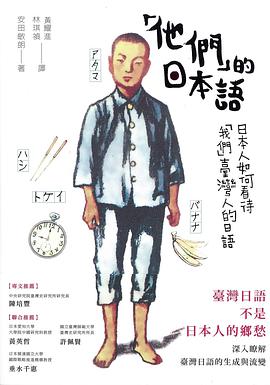
「他們」的日本語 Douban
かれらの日本語: 台湾「残留」日本語論
author:
安田敏朗
translator:
黃耀進
/
林琪禎
publishing house:
群學出版社
2016
- 3
從「大家的日本語」到「他們的日本語」,
「我們」學習「他們」的日語,真的這麼理所當然?
──從語言的混生變種現象,探討日本殖民統治的特殊性──
1898年,一位日本人,
對全臺灣發布政令,要臺灣人學習日語,以培養「本國精神」。
1930年,一位日本人,
操著一口濃厚九州腔日語,大聲訓斥臺灣學童的發音不夠標準。
1941年,一位日本人,
用臺語、日語交雜的混種語言,跟臺灣菜販你來我往的殺價。
1963年,一位日本人,
在臺灣爬山時,發現原住民小孩居然會哼唱日本童謠《桃太郎》。
1994年,一位日本人,
發現臺北某處公園內,一群老人流利地說著他們的臺灣腔日語。
2016年,一位臺灣人,
正努力背誦日文課本例句,希望發音能跟日文老師一模一樣。
語言使用的混雜與不完整,一直是殖民統治的常態。
然而,在臺灣的日語現象又更為複雜,
原因在於日本做為殖民者的特殊性。
做為一個有強烈「語言民族主義」意識的早熟亞洲帝國,
日本在臺灣推行了近乎宗教狂熱式的國語同化教育,
相信唯有推行國語,才能在精神上將臺灣人同化成日本人。
然而,事情沒那麼簡單。
除了日語源自漢文、本身即已非純粹外,
即便在日本內地,也存在著腔調迥異的方言,
而臺灣本就為多語言社會,更加深語言單一化的難度。
二十世紀的臺灣,身處連續殖民的政治情境。
戰後的國語同化政策,從日語換成了北京語;
但日本人發現,臺灣人在戰後仍繼續使用日語。
這不只引發其濃厚鄉愁,也引發關於國語教育的多方論戰。
針對這些現象的論辯及實例介紹,即為本書的主軸。
對親日的臺灣而言,應如何面對、理解日治時期的歷史?
除了懷想溫馨感人的歷史小故事,本書對日本的批判立場,
可提供我們理解臺灣史的另一個知識管道。
畢竟除了「親日」,要「知日」,也才更能「知臺」。
名人推薦
【專文導讀】
陳培豐(中央研究院臺灣史研究所研究員)
【聯合推薦】
黃英哲(日本愛知大學大學院中國研究科教授)
垂水千惠(日本橫濱國立大學國際戰略推進機構教授)
許佩賢(國立臺灣師範大學臺灣史研究所所長)
「我們」學習「他們」的日語,真的這麼理所當然?
──從語言的混生變種現象,探討日本殖民統治的特殊性──
1898年,一位日本人,
對全臺灣發布政令,要臺灣人學習日語,以培養「本國精神」。
1930年,一位日本人,
操著一口濃厚九州腔日語,大聲訓斥臺灣學童的發音不夠標準。
1941年,一位日本人,
用臺語、日語交雜的混種語言,跟臺灣菜販你來我往的殺價。
1963年,一位日本人,
在臺灣爬山時,發現原住民小孩居然會哼唱日本童謠《桃太郎》。
1994年,一位日本人,
發現臺北某處公園內,一群老人流利地說著他們的臺灣腔日語。
2016年,一位臺灣人,
正努力背誦日文課本例句,希望發音能跟日文老師一模一樣。
語言使用的混雜與不完整,一直是殖民統治的常態。
然而,在臺灣的日語現象又更為複雜,
原因在於日本做為殖民者的特殊性。
做為一個有強烈「語言民族主義」意識的早熟亞洲帝國,
日本在臺灣推行了近乎宗教狂熱式的國語同化教育,
相信唯有推行國語,才能在精神上將臺灣人同化成日本人。
然而,事情沒那麼簡單。
除了日語源自漢文、本身即已非純粹外,
即便在日本內地,也存在著腔調迥異的方言,
而臺灣本就為多語言社會,更加深語言單一化的難度。
二十世紀的臺灣,身處連續殖民的政治情境。
戰後的國語同化政策,從日語換成了北京語;
但日本人發現,臺灣人在戰後仍繼續使用日語。
這不只引發其濃厚鄉愁,也引發關於國語教育的多方論戰。
針對這些現象的論辯及實例介紹,即為本書的主軸。
對親日的臺灣而言,應如何面對、理解日治時期的歷史?
除了懷想溫馨感人的歷史小故事,本書對日本的批判立場,
可提供我們理解臺灣史的另一個知識管道。
畢竟除了「親日」,要「知日」,也才更能「知臺」。
名人推薦
【專文導讀】
陳培豐(中央研究院臺灣史研究所研究員)
【聯合推薦】
黃英哲(日本愛知大學大學院中國研究科教授)
垂水千惠(日本橫濱國立大學國際戰略推進機構教授)
許佩賢(國立臺灣師範大學臺灣史研究所所長)