International-Relations
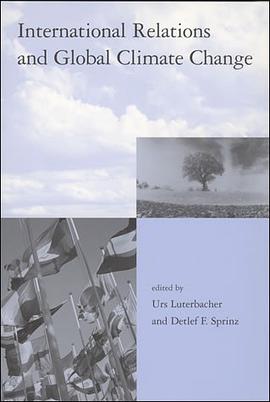
International Relations and Global Climate Change 豆瓣
作者: Luterbacher, Urs (EDT)/ Sprinz, Detlef F. (EDT) 出版社: The MIT Press 2001 - 10
This book surveys current conceptual, theoretical, and methodological approaches to global climate change and international relations. Although it focuses on the role of states, it also examines the role of nonstate actors and international organizations whenever state-centric explanations are insufficient.The book begins with a discussion of environmental constraints on human activities, the environmental consequences of human activities, and the history of global climate change cooperation. It then moves to an analysis of the global climate regime from various conceptual and theoretical perspectives. These include realism and neorealism, historical materialism, neoliberal institutionalism and regime theory, and epistemic community and cognitive approaches. Stressing the role of nonstate actors, the book looks at the importance of the domestic-international relationship in negotiations on climate change. It then looks at game-theoretical and simulation approaches to the politics of global climate change. It emphasizes questions of equity and the legal difficulties of implementing the UN Framework Convention on Climate Change and the Kyoto Protocol. It concludes with a discussion of global climate change and other aspects of international relations, including other global environmental accords and world trade. The book also contains Internet references to major relevant documents.
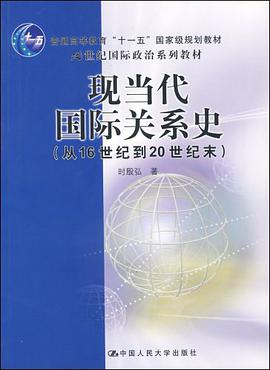
现当代国际关系史 豆瓣
作者: 时殷弘 出版社: 中国人民大学出版社 2006 - 8
本书是一部在广度、深度和简约度上皆超越“常规”的现当代国际关系史论著兼教科书。它基于对大约500年里现当代国际关系的基本方面、演化脉流和内在机理的深切理解,在大致隐含的、首先是关于国际体系与其要素和演进动能的国际关系理论性思考襄助下,浓缩地展示现当代国际关系的巨型历史图景,尤其侧重于20世纪全球性国际政治的多维度复杂画面,同时揭示和阐释其中的动态机理和深层逻辑。
本书以富含哲理和技能地论说思想方法和研究方法开篇,继之以主题集中、表述简约和内涵深邃地阐述16世纪初至19世纪初的现代国际权势斗争和现代国际体系演变。在多维度地揭示和说明19世纪孕育的20世纪基本趋势之后,本书分别以传统中心的衰落和侧翼大国的兴盛、超级强国的对抗和竞争、超级强国以外的主要新力量、大众政治/新技术/新国际规范为四大分支性主题,阐述和论说20世纪全球性国际政治的历史。全书以论说当今和未来世界政治的基本问题与现时代主要特征框架内的中国崛起结尾,而近乎每页都附的脚注展示了在研习现当代国际关系史方面可资利用的大量文献,包括多种精粹的经典文献。
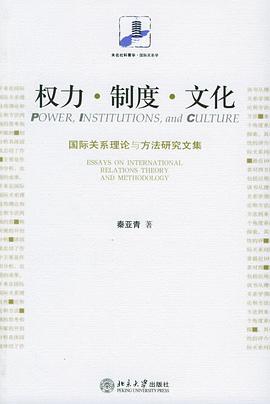
权力·制度·文化 豆瓣
作者: 秦亚青 出版社: 北京大学出版社 2005 - 7
该书从理论和方法两个方面系统总结了作者最近10年来在国际关系领域的研究和探索,包括对现实主义、自由主义和建构主义等西方国际关系理论所做的开创性评介和分析,对中国国际关系学科发展的解读和思考,以及应用国际政治理论和社会科学方法对具体国际关系现象的实证性研究,反映了一个中国学者的思维方式和学术探索。
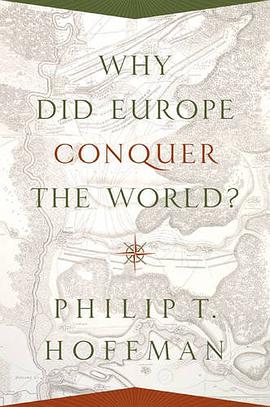
Why Did Europe Conquer the World? 豆瓣
作者: Philip T. Hoffman 出版社: Princeton University Press 2015 - 6
Between 1492 and 1914, Europeans conquered 84 percent of the globe. But why did Europe rise to the top, when for centuries the Chinese, Japanese, Ottomans, and South Asians were far more advanced? Why didn't these powers establish global dominance? In Why Did Europe Conquer the World?, distinguished economic historian Philip Hoffman demonstrates that conventional responses--such as geography, epidemic disease, and the Industrial Revolution--fail to provide answers. Arguing instead for the pivotal role of economic and political history, Hoffman shows that if variables had been at all different, Europe would not have achieved critical military innovations, and another power could have become master of the world.
In vivid detail, Hoffman sheds light on the two millennia of economic, political, and historical changes that set European states on a distinctive path of development and military rivalry. Compared to their counterparts in China, Japan, South Asia, and the Middle East, European leaders--whether chiefs, lords, kings, emperors, or prime ministers--had radically different incentives, which drove them to make war. These incentives, which Hoffman explores using an economic model of political costs and financial resources, resulted in astonishingly rapid growth in Europe's military sector from the Middle Ages on, and produced an insurmountable lead in gunpowder technology. The consequences determined which states established colonial empires or ran the slave trade, and even which economies were the first to industrialize.
Debunking traditional arguments, Why Did Europe Conquer the World? reveals the startling reasons behind Europe's historic global supremacy.