For many communities around the world, the revitalization or at least the preservation of an indigenous language is a pressing concern. Understanding the issue involves far more than compiling simple usage statistics or documenting the grammar of a tongue—it requires examining the social practices and philosophies that affect indigenous language survival.
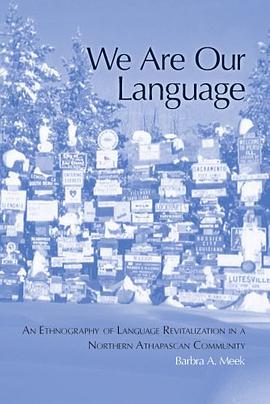
In presenting the case of Kaska, an endangered language in an Athabaskan community in the Yukon, Barbra Meek asserts that language revitalization requires more than just linguistic rehabilitation; it demands a social transformation. The process must mend rips and tears in the social fabric of the language community that result from an enduring colonial history focused on termination. These "disjunctures" include government policies conflicting with community goals, widely varying teaching methods and generational viewpoints, and even clashing ideologies within the language community.
This book provides a detailed investigation of language revitalization based on more than two years of active participation in local language renewal efforts. Each chapter focuses on a different dimension, such as spelling and expertise, conversation and social status, family practices, and bureaucratic involvement in local language choices. Each situation illustrates the balance between the desire for linguistic continuity and the reality of disruption.
We Are Our Language reveals the subtle ways in which different conceptions and practices—historical, material, and interactional—can variably affect the state of an indigenous language, and it offers a critical step toward redefining success and achieving revitalization.