Michael_Tomasello
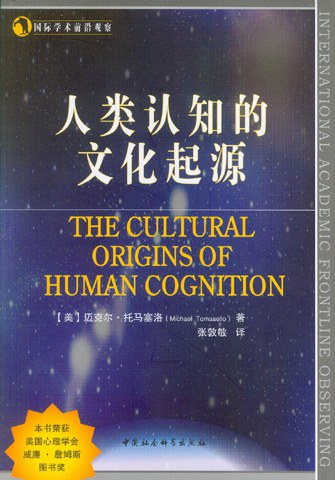
人类认知的文化起源 豆瓣
The Cultural Origins of Human Cognition
作者: 迈克尔·托马塞洛 译者: 张敦敏 出版社: 中国社会科学出版社 2011 - 11
也许我们经常问自己,在所有的动物物种中,是什么使人类如此特殊?这个问题并不缺乏答案,其中包括:因为我们人类能创造语言、数学、工具、艺术、音乐和幽默等,而这些能力又都是其他动物缺乏的。但如果我们继续追问,为什么我们人类有这些能力,而动物却没有?作者认为,在进化的道路上,我们和其他灵长类动物是在600万年前分手的。因此,人类认知中,可以大致分两部分,一部分为我们与其他灵长类动物共有,如感知、记忆和范畴化等,另一部分就是上述那些人类独有的部分。正是这些独有的部分把我们人类与其他动物区别开来了。这些独有的部分是怎样产生的呢?作者认为,在人类与其他灵长类动物分手之后,或许发生了某些基因事件和自然选择事件,使人类具有了把自己的同类成员认同为像自己一样的、有意向的行动者,最终能把他们理解为像自己一样的、有心智的行动者。这种新的对他人的理解方式彻底改变了所有社会互动的本质,包括社会学习。因此,进化以独特的文化形式开始在历史上发生了,在这个过程中,一代代的儿童在发育过程中向前辈学习各种事物,包括某些物质性或符号性的人造物品,其中当然有工具和语言等,从而人类就以这些自己独有的认知技能把自己和其他动物区别开了。
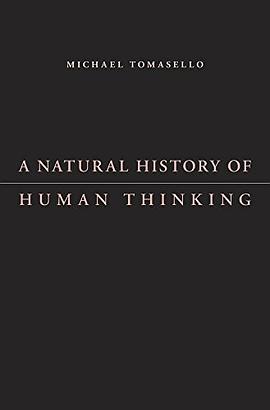
A Natural History of Human Thinking Goodreads 豆瓣
作者: Michael Tomasello 出版社: Harvard University Press 2014 - 2
Tool-making or culture, language or religious belief: ever since Darwin, thinkers have struggled to identify what fundamentally differentiates human beings from other animals. In this much-anticipated book, Michael Tomasello weaves his twenty years of comparative studies of humans and great apes into a compelling argument that cooperative social interaction is the key to our cognitive uniqueness. Once our ancestors learned to put their heads together with others to pursue shared goals, humankind was on an evolutionary path all its own.

Tomasello argues that our prehuman ancestors, like today's great apes, were social beings who could solve problems by thinking. But they were almost entirely competitive, aiming only at their individual goals. As ecological changes forced them into more cooperative living arrangements, early humans had to coordinate their actions and communicate their thoughts with collaborative partners. Tomasello's "shared intentionality hypothesis" captures how these more socially complex forms of life led to more conceptually complex forms of thinking. In order to survive, humans had to learn to see the world from multiple social perspectives, to draw socially recursive inferences, and to monitor their own thinking via the normative standards of the group. Even language and culture arose from the preexisting need to work together. What differentiates us most from other great apes, Tomasello proposes, are the new forms of thinking engendered by our new forms of collaborative and communicative interaction.

A Natural History of Human Thinking is the most detailed scientific analysis to date of the connection between human sociality and cognition.