SEAsia
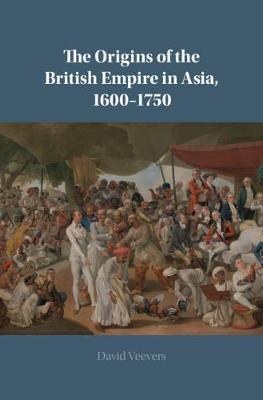
The Origins of the British Empire in Asia, 1600-1750 豆瓣
作者: David Veevers 出版社: Cambridge University Press 2020 - 6
This is an important, revisionist account of the origins of the British Empire in Asia in the early modern period. David Veevers uncovers a hidden world of transcultural interactions between servants of the English East India Company and the Asian communities and states they came into contact with, revealing how it was this integration of Europeans into non-European economies, states and societies which was central to British imperial and commercial success rather than national or mercantilist enterprise. As their servants skilfully adapted to this rich and complex environment, the East India Company became enfranchised by the eighteenth century with a breadth of privileges and rights - from governing sprawling metropolises to trading customs-free. In emphasising the Asian genesis of the British Empire, this book sheds new light on the foreign frameworks of power which fuelled the expansion of Global Britain in the early modern world.
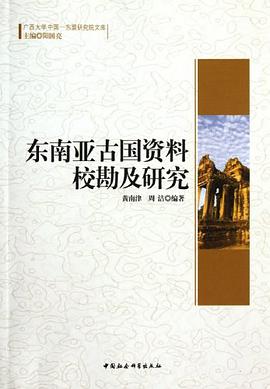
东南亚古国资料校勘及研究 豆瓣
作者: 黄南津 / 周洁 出版社: 中国社会科学出版社 2011
正当中国与东盟各国形成稳定健康的战略伙伴关系之际,我校以经济学、经济管理、国际贸易等经济学科为基础,整合法学、政治学、公共管理学、文学、新闻学、外语、教育学、艺术等学科力量,经广西壮族自治区政府批准于2005年成立了广西大学中国一东盟研究院;同时将“中国一东盟经贸合作与发展研究”作为“十一五”时期学校“211工程”的重点学科来进行建设。这两项行动所要实现的目标,就是要加强中国与东盟合作研究,发挥广西大学智库的作用,为国家和地方的经济、政治、文化、社会建设服务,并逐步形成具有鲜明区域特色的高水平的文科科研团队。几年来,围绕中国与东盟的合作关系及东盟各国的国别研究,研究院的学者和专家们投入了大量的精力并取得了丰硕的成果。为了使学者、专家们的智慧结晶得以在更广的范围内展示并服务于社会,发挥其更大的作用,我们决定将其中的一些研究成果结集并以《广西大学中国一东盟研究院文库》的形式出版。同时,这也是我院中国一东盟关系研究和“211工程”建设成果的一种汇报和检阅的形式。
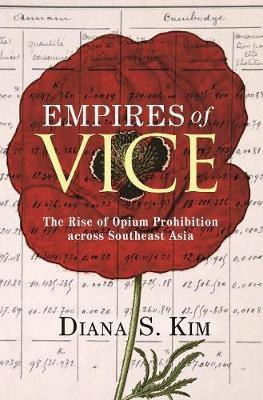
Empires of Vice 豆瓣
作者: Diana Kim 出版社: Princeton University Press 2020 - 2
A history of opium's dramatic fall from favor in colonial Southeast Asia
During the late nineteenth century, opium was integral to European colonial rule in Southeast Asia. The taxation of opium was a major source of revenue for British and French colonizers, who also derived moral authority from imposing a tax on a peculiar vice of their non-European subjects. Yet between the 1890s and the 1940s, colonial states began to ban opium, upsetting the very foundations of overseas rule―how did this happen? Empires of Vice traces the history of this dramatic reversal, revealing the colonial legacies that set the stage for the region's drug problems today.
Diana Kim challenges the conventional wisdom about opium prohibition―that it came about because doctors awoke to the dangers of drug addiction or that it was a response to moral crusaders―uncovering a more complex story deep within the colonial bureaucracy. Drawing on a wealth of archival evidence across Southeast Asia and Europe, she shows how prohibition was made possible by the pivotal contributions of seemingly weak bureaucratic officials. Comparing British and French experiences across today's Burma, Cambodia, Laos, Malaysia, Singapore, and Vietnam, Kim examines how the everyday work of local administrators delegitimized the taxing of opium, which in turn made major anti-opium reforms possible.
Empires of Vice reveals the inner life of colonial bureaucracy, illuminating how European rulers reconfigured their opium-entangled foundations of governance and shaped Southeast Asia's political economy of illicit drugs and the punitive state.