ai
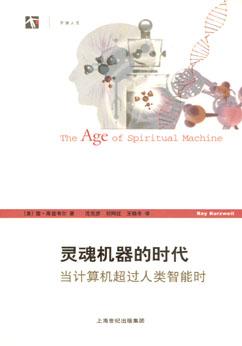
灵魂机器的时代:当计算机超过人类智能时 豆瓣
作者: (美)库兹韦尔 / Ray Kurzweil 译者: 沈志彦等 出版社: 上海译文出版社 2002 - 6
信息技术、生物工程、纳米材料是当代科技三大前沿,到21世纪,这三大技术将合力打造出的新的智能机器,将重塑人类的大脑和躯体。作者大胆预测:到21世纪,人类和机器将难分彼此,人类将不再是万物之灵。电脑将比人脑有高一万倍的智能。机器不仅具有智能,而且具有灵魂,将具有人类的意识、情绪和欲望;而人类身体中植入了用生物工程和纳米材料制成的电脑芯片、人造器官,将比现代人类更长寿,有更强的学习能力,更灵敏的视觉和听觉,而虚拟现实有可能使人机发生“恋爱”……这不是科幻小说,更不是天方夜谭,这是库兹韦尔为我们描述的“灵魂机器的时代”。
库兹韦尔在书后的大事年表中展示了宇宙演化、生命进化和科技发展的历程,使读者对世界科技的发展过程和未来走向一目了然。
感谢余秋雨先生为本书中文版写的精彩序文,它为我们如何阅读这本万花筒般的书指明了路径。
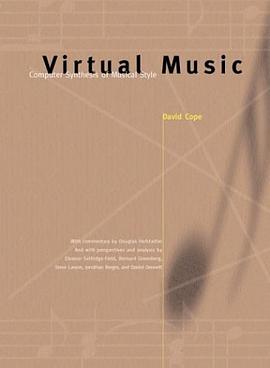
Virtual Music 豆瓣
作者: David Cope 出版社: The MIT Press 2004 - 3
Virtual Music is about artificial creativity. Focusing on the author's Experiments in Musical Intelligence computer music composing program, the author and a distinguished group of experts discuss many of the issues surrounding the program, including artificial intelligence, music cognition, and aesthetics.The book is divided into four parts. The first part provides a historical background to Experiments in Musical Intelligence, including examples of historical antecedents, followed by an overview of the program by Douglas Hofstadter. The second part follows the composition of an Experiments in Musical Intelligence work, from the creation of a database to the completion of a new work in the style of Mozart. It includes, in sophisticated lay terms, relatively detailed explanations of how each step in the process contributes to the final composition. The third part consists of perspectives and analyses by Jonathan Berger, Daniel Dennett, Bernard Greenberg, Douglas R. Hofstadter, Steve Larson, and Eleanor Selfridge-Field. The fourth part presents the author's responses to these commentaries, as well as his thoughts on the implications of artificial creativity.The book (and corresponding Web site) includes an appendix providing extended musical examples referred to and discussed in the book, including composers such as Scarlatti, Bach, Mozart, Beethoven, Schubert, Chopin, Puccini, Rachmaninoff, Prokofiev, Debussy, BartAAk, and others. It is also accompanied by a CD containing performances of the music in the text.