symphony
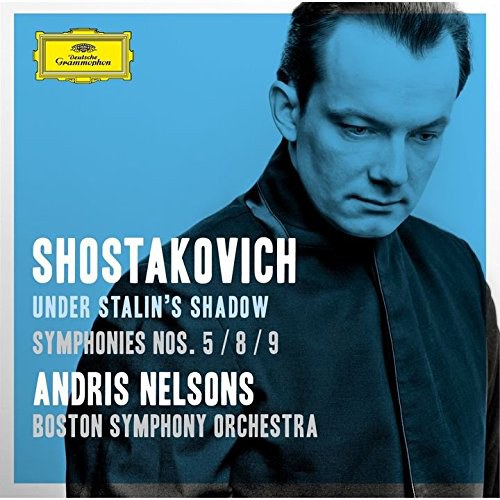
Shostakovich Under Stalin's Shadow - Symphonies Nos.5, 8, 9 豆瓣
Andris Nelsons / Boston Symphony Orchestra 类型: 古典
发布日期 2016年6月17日 出版发行: DG
Andris Nelsons is the Music Director of the Boston Symphony Orchestra and in fall 2015 he was announced as Gewandhauskapellmeister of the Gewandhausorchester Leipzig, commencing in the 2017/18 season. With both appointments, and in leading a pioneering alliance between these two esteemed institutions, Andris Nelsons is firmly underlined as one of the most renowned and innovative conductors on the international scene today.
Andris Nelsons even though he is only in his mid 30ies has had a long journey with Shostakovich. He is one of the last conductors of his generation who still grew up in the Russian and, more especially, the Soviet musical tradition ever since he started his training as a conductor. He studied in St Petersburg with Alexander Titov and also with Mariss Jansons. His new orchestra has had a great tradition in performing many of Shostakovich’s works in America for the first time.
This recording provides a kaleidoscope of Shostakovich’s struggle with historical events and political pressures. The pre-war eclectic but accessible and popular 5th, in which he would seem to bow to political pressure, ensured his temporary rehabilitation. The beautiful but dark and gloomy mid-war 8th provoked yet again his fall from favour and instead of providing the political authorities with a triumphant post-war 9th Symphony, Shostakovich wrote a light Haydnesque work which would not be performed until after Stalin’s death.
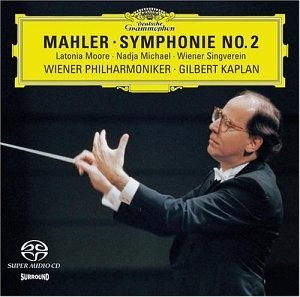
马勒第2交响曲-复活 豆瓣
9.2 (17 个评分) Mahler / Latonia Moore
发布日期 2003年11月11日 出版发行: Deutsche Grammophon
马勒完成第一交响曲后,即动手写作第二《复活》交响曲(2nd SYMPHONY IN C MINOR, “AUFERSTEHUNG”/RESURRECTION),费了六年,到一八九四年七月廿五日完成,时年三十四岁。一八九五年五月四日,在理察史特劳斯指挥下,于柏林首演了前三个乐章,但反应不佳,乐评几乎全是抨击和谩骂。十二月十三日,才由马勒亲自指挥下演奏全曲五个乐章,这次演出票房极差,不少乐评人亦拒不出席,马勒演出当天又不适,演出后便晕倒,但反应却很成功。
全曲重点在前后两个乐章。第二交响曲中,马勒最初题有暗示性的解说。第一乐章是表现第一交响曲的英雄的葬礼:“我愿意把第一乐章题为送葬曲,把他运到墓地后,曾反思:他为何而生,为何而苦恼?……在终章中,给出了答案。”
事实上,马勒费了很长的时间和精力,为终章寻找适当的歌词,思考它的音乐和结构,他曾博览群书,细读整本圣经,后来他祟拜的指挥家毕罗去世,马勒前往汉堡参加葬礼,在安息礼拜中聆听到克罗斯托克(KLOPSTOCK)作词的《复活颂歌》(AUFERSTEHEN/RESURRECTION ODE),深受感动,并决定拿这诗篇写作第二交响曲的终乐章。至于第二、三、四等三个乐章,则以间奏曲的感觉创作,因此,全曲的重心也就在前后两个乐章上。
首乐章是一阕葬礼进行曲
第一乐章:庄严肃穆的快板,C小调,4/4拍子(葬礼进行曲,约23分钟)
结构上有如是扩大了的奏鸣曲式,在强奏的弦乐颤音上,由大提琴和低音提琴奏出粗犷有力的片断动机,不久出现以C小调为中心的第一主题,由双簧管和英国号主奏,随后又由另两三个相异的主题,构成第一主题群,阴暗的音色带有不祥的气氛。在由第一小提琴主奏的第二主题中,也相继出现几段不同的主题,随后英国管的新主题,给人印象也很深。
这两个主题群结构复杂,所以呈示部很庞大。展开部中除用已呈示的主题外,还加入别的新主题,再现部则加以浓缩精简,两个主题变得隐晦。
次乐章是往日幸福回忆的间奏曲
第二乐章:中庸的行板,降A大调,3/8拍子(连德勒舞曲,约10分钟)
马勒将这乐章当做回忆幸福的往日的间奏曲,表现失败的英雄的爱,是整首交响曲中音乐较为明朗的部份。
弦乐合奏的主题,是朴素的连德勒舞曲(发源于奥地利南部LANDLER的慢圆舞曲,是圆舞曲的前身),写得极美,较海顿、舒伯特等前辈的连德勒舞曲写得更为精致美妙。这个主题共反复出现三次,中间安插了两个没有显着的对比性格的中段曲调。
第三乐章是尖酸讽刺的谐谑曲
第三乐章:沉着的,流畅的,C小调,3/8拍子(谐谑曲,约11分钟)
这乐章可以说是《青年的魔笛》中的歌曲《圣安东尼与鱼群》(ST. ANTHONY AND THE FISHES)的管弦乐版本,复杂的织体、尖酸般的幽默、冷嘲般的讽刺,将前乐章渴望、沉思的气氛一扫而空。
整个乐章以三段体作成,由定音鼓和低音乐器的四度动机开始,但立即出现第一小提琴流动的明快的主题,中段主题由法国号和小号高奏出来,弦乐器再配以流畅的伴奏。全曲在首段重现后,空洞且了无生气地静静终止。
第四乐章女低音之歌《原始之光》
第四乐章:非常庄严但质朴地,降D大调,4/4拍子(原始之光,约5分钟)
这是一段管弦乐伴奏的声乐曲,由女低音唱出《青年的魔笛》中的《原始之光》(URLICHT),歌词中译:
啊!红艳的玫瑰/一无所有/痛苦悲伤/我多希望去天堂
我来到宽广洁净的大道/有个天使来到我前进的道路阻挡/噢不!你不能拒绝我/因我是属神的便应归回上神的地方/亲爱的主赐我亮光引我进福乐的永生。
整个乐章根据歌词可分为两段,首段有圣咏般的伴奏,次段则有纤细而流动的感觉,但最后又返回开始时的气氛,安宁、镇定而平静地结束。
终章女声独唱与大合唱《复活颂歌》
第五乐章:谐谑曲的速度,降A大调,3/8拍子(复活颂歌,约34分钟)
紧接着第四乐章不停演奏,整个乐章可分为器乐的前段与声乐的后段两部份。以弦乐总奏,有如叫嚣呼号,带有凄怆感和焦虑感的狂野强奏开始,接着幕后四个法国号和四个小号,在多种打击乐器伴同下,吹奏出一段信号曲,在远处消失。其后,此一铜管乐加打击乐的幕后“小乐队”,还不时出现,营造遥远(天外之音)的效果。
马勒在这乐章的最早的总谱上注释为“沙漠的呼声”。很快,木管组便奏出圣咏般的新主题,经过宁静的乐段,便进入马勒所说的“一切已死之人的进行曲”,从打击乐开始,乐器逐渐增加,音量亦逐渐增大,最后整个乐队再次卷入混乱与恐怖的嘶叫声中,有如死亡的号哭充满了大地,马勒对这段音乐有这样的解说:“当最后审判来临,大地震动,最后的号筒响彻云霄,所有坟墓都裂开了,墓中的死人都复活挣扎起来,呻吟着,战憟着,加入行进中的行列富有的、贫穷的、农民、君主、主教、教王,都在恐怖中战栗,高声呼求,恳求怜悯。”
这段具有强大张力,爆发出有如暴风雨般的强大音响的音乐,不仅预示了该曲面世后仅十年便爆发的第一次世界大战的恐怖,更深刻地描写了人类在二十世纪在精神上和肉体上的痛苦忧伤。
加入声乐的后段,由女高音独唱和合唱,徐缓而庄严地唱出克罗斯托克带有神秘感的《复活颂歌》,歌词中译:
(女高音及合唱)
复活吧,是的,你将复活/凡圣之身,小憩后将复活/不朽的生命!不朽的生命!/主将召唤你,赐福予你。
你播的种又盛开/收获的主前行/他将收获聚齐/甚至是我们这些亡人!
(女低音)
噢,信主吧,我的心灵,噢信主吧/汝等并无所失/汝等渴求归汝有/凡汝之所爱/凡汝之所求皆归汝!
(女高音)
噢,信主吧/汝之降生非徒然!/无徒然的生命/无徒然的痛苦!
(合唱)
凡已生者/必死!/凡已死者必将再生!/莫再战栗莫再战栗!/装备自己重生,装备自己重生!
(女高音、女低音及合唱)
噢痛苦无处不在!/但我把痛苦压倒!/噢死亡!你征伏一切/如今也被征伏!
展开我为自己赢得的翅膀/心中爱意激荡/我将翱翔九天/直飞肉眼难及的光明/展开我为自己赢得的翅膀/翱翔九天
(合唱)
我会死去,以求重生!
(齐唱)
复活吧,你将复活/瞬间我的心灵将复苏!/心灵的期望和搏战/向上帝,向上帝/将引你前赴上帝圣殿!
当全曲进入结尾的复活动机时,钟鼓齐鸣,庄严的风琴也加入总奏中,人声大合唱和强大的管弦乐融成一体,形成强大的,充满欢乐的高潮结束,「复活」的信念为人类带来了盼望和乐观
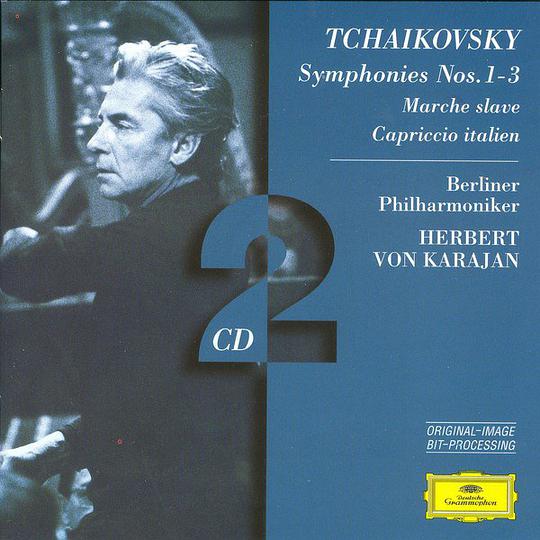
柴可夫斯基:第1,2&3交响曲 /卡拉扬 柏林爱乐 豆瓣
Karajan 类型: 古典
发布日期 2002年1月1日 出版发行: DG
关于老柴的1,2,3交响曲,似乎历来都未收到足够重视,包括富特文格勒在内的许多指挥巨匠甚至终生都未录制过这些作品。《柴可夫斯基传》的作者,20世纪英国著名评论家G·亚伯拉罕曾在自己的书中明确写道:“从柴可夫斯基的早期作品中最容易看出他音乐天赋的本质,看出他纯正的抒情才华。”老柴对交响乐这种体裁的重大改良之一就是将通俗化的圆舞曲巧妙融入他的交响曲,使旋律的可听性达到前所未有的高度,但这种颠覆性的尝试却是贯穿六部交响曲的整个过程,且是逐步递进的,并非偶尔为之。由此可见,他的第一至第三交响曲绝不是泛泛之作,我始终相信它们是抵达老柴交响乐世界的必经之路。(摘自《爱乐》)
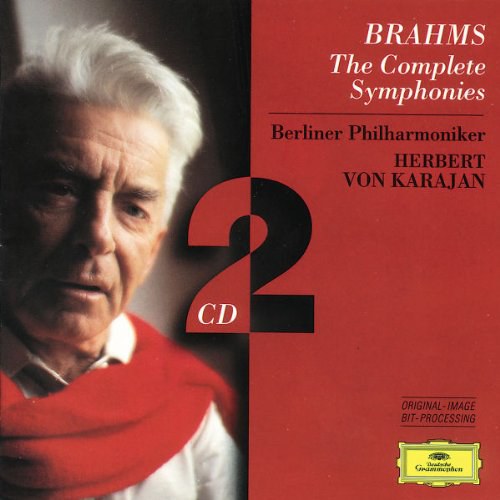
Brahms: The Complete Symphonies / Karajan, Berlin PO 豆瓣
8.8 (12 个评分) Herbert von Karajan / Berliner Philharmoniker
发布日期 1998年6月9日 出版发行: Deutsche Grammophon
Disc 1
01 Symphony No.1 in C minor, Op.68 - 1. Un poco sostenuto - Allegro - Meno allegro 13:14
02 Symphony No.1 in C minor, Op.68 - 2. Andante sostenuto 8:56
03 Symphony No.1 in C minor, Op.68 - 3. Un poco allegretto e grazioso 4:43
04 Symphony No.1 in C minor, Op.68 - 4. Adagio - Piu andante - Allegro non troppo, ma con brio - Piu allegro 17:25
05 Symphony No.3 in F, Op.90 - 1. Allegro con brio - Un poco sostenuto - Tempo I 9:56
06 Symphony No.3 in F, Op.90 - 2. Andante 7:42
07 Symphony No.3 in F, Op.90 - 3. Poco allegretto 6:03
08 Symphony No.3 in F, Op.90 - 4. Allegro 8:35

Disc 2
01 Symphony No.2 in D, Op.73 - 1. Allegro non troppo 14:53
02 Symphony No.2 in D, Op.73 - 2. Adagio non troppo - L'istesso tempo, ma grazioso 10:20
03 Symphony No.2 in D, Op.73 - 3. Allegretto grazioso ( Quasi andantino) - Presto ma non assai 4:59
04 Symphony No.2 in D, Op.73 - 4. Allegro con spirito 8:36
05 Symphony No.4 in E minor, Op.98 - 1. Allegro non troppo 12:47
06 Symphony No.4 in E minor, Op.98 - 2. Andante moderato 11:04
07 Symphony No.4 in E minor, Op.98 - 3. Allegro giocoso - Poco meno presto - Tempo I 6:03
08 Symphony No.4 in E minor, Op.98 - 4. Allegro energico e passionato - Più allegro 9:57
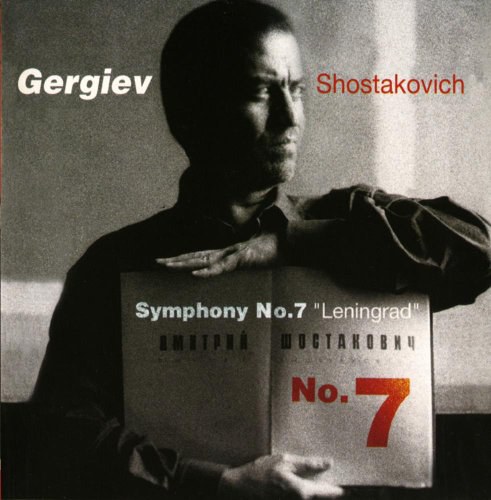
肖斯塔科维奇《第七交响曲》 / 捷吉耶夫指挥基洛夫剧院乐团 豆瓣
Rotterdam Hilharmonic Orchestra / Valery Gergiev
发布日期 2003年5月13日 出版发行: Philips
Shostakovich's "Leningrad" Symphony has been surrounded by controversy ever since it was written; it even ignited a battle between two great conductors, Toscanini and Stokowski, for the first American performance (Toscanini won). Composed in 1941 during the siege of Leningrad in homage to the Russian people's heroic resistance against the German invaders, it has been condemned by some as political propaganda, hailed by others as a symphonic masterpiece. Time and audiences everywhere have decided in favor of the latter view; today, the "Leningrad" is one of Shostakovich's best known, most popular symphonies. Though its programmatic content is clear, the emotional impact of the music itself invites listeners to imagine their own scenario. Gergiev has this music in his bloodstream and knows how to inspire an orchestra (two in this case); exploiting every instrumental resource, he elicits both massive and delicate playing, achieving powerful build-ups and tremendous climaxes. The result is a taut, concentrated performance that makes the symphony--Shostakovich's longest--seem shorter than usual; its no-holds-barred approach plumbs the depths and scales the heights of human experience, from bleak, grotesque irony to heart-breaking, anguished lamentation and ultimate triumph. The famous first movement march--a simple, deliberately trite little tune over a persistent snare drum figure--starts almost inaudibly; its eleven always different repetitions generate enormous suspense, and when the cumulative orchestration reaches its peak, you feel as if an entire army had marched over you. The recording's only flaw is its excessive dynamic contrast, so keep a finger on the volume control. --Edith Eisler
巴比罗利:西贝柳斯交响曲全集 豆瓣
John Barbirolli / Halle Orchestra
发布日期 2000年2月21日 出版发行: EMI
Disc: 1
01 1. Intermezzo
02 2. Ballade
03 3. Alla marcia
04 2. The Swan of Tuonela
05 4. Lemminkäinen's Return

Disc: 2
01 1. Andante, ma non troppo - Allegro energico
02 2. Andante (ma non troppo lento)
03 3. Scherzo (Allegro)
04 4. Finale: Quasi una fantasia (Andante - Allegro molto)
05 1. Tempo molto moderato, quasi adagio
06 2. Allegro molto vivace
07 3. Il tempo largo
08 4. Allegro

Disc: 3
01 1. Allegretto
02 2. Tempo andante, ma rubato
03 3. Vivacissimo
04 4. Finale (Allegro moderato)
05 1. Allegro moderato
06 2. Andantino con moto, quasi allegretto
07 3. Moderato - Allegro (ma non tanto)

Disc: 4
01 1. Tempo molto moderato - Allegro moderato - Presto
02 2. Andante mosso, quasi allegretto
03 3. Allegro molto - Un pochettino largamente
04 1. At the Castle Gate
05 2. Mélisande
06 7. Mélisande at the Spinning Wheel
07 9. The Death of Mélisande
08 Adagio
09 Un pochettino meno adagio - Vivacissimo - Adagio
10 Allegro molto moderato
11 Vivace - Presto - Adagio

Disc: 5
01 No. 1, All' overtura
02 No. 1, The Hunt
03 No. 2, Scena
04 1. The Lover
05 2. The Way of the Lover
06 3. Goodnight, my beloved, farewell
07 1. Allegro molto moderato
08 2. Allegretto moderato
09 3. Poco vivace
10 4. Allegro molto
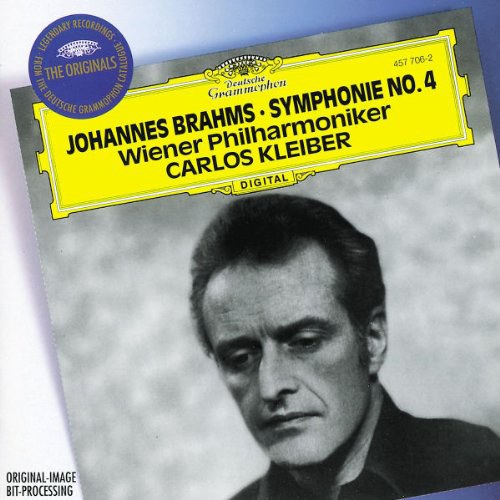
卡洛斯·克莱伯:勃拉姆斯第四交响曲 豆瓣 Spotify
9.4 (33 个评分) Wiener Philharmoniker / Vienna Philharmonic 类型: 古典
发布日期 1998年1月6日 出版发行: Deutsche Grammophon
01 Symphony No.4 in E minor, Op.98 - 1. Allegro non troppo
02 Symphony No.4 in E minor, Op.98 - 2. Andante moderato
03 Symphony No.4 in E minor, Op.98 - 3. Allegro giocoso - Poco meno presto - Tempo I
04 Symphony No.4 in E minor, Op.98 - 4. Allegro energico e passionato - Più allegro
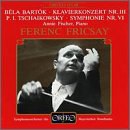
弗里乔伊:巴托克第三钢琴协奏曲/柴可夫斯基第六 “悲怆”交响曲 豆瓣
10.0 (5 个评分) 费伦茨·弗里乔伊 Ferenc Fricsay / Annie Fischer 类型: 古典
发布日期 1994年4月20日 出版发行: Orfeo D'or
这是Ferenc Fricsay有生的最后一场音乐会(注),之前处于自己艺术生涯颠峰的指挥家已经身怀绝症,可能正是由于这个原因,Fricsay选择了这两首特殊的作品。他们分别是两位伟大作曲家的天鹅之歌,而在指挥这两手作品的时候指挥家复杂的内心影响了对作品的演绎。所以这个1960年的实况“悲怆”不同于 Fricsay以往那种棱角分明的演绎,而是在舒缓悲情的气氛下产生了一次次撕心裂肺的演奏,并且也不再仅仅是一种感情上的宣泄,更多了几分对于宿命主题的深沉思考。——LAOXU (古典音乐论坛)
注:
LAOXU乐友的这一说法有误————这不是艺术家的最后一场音乐会。Fricsay平生的最后一场音乐会是1961.12.7在伦敦指挥英国爱乐乐团(Philharmonic Orchestra)演出的《贝多芬第七号交响曲》。