80s
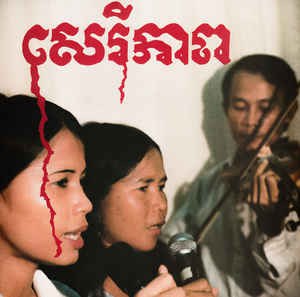
Cambodian Liberation Songs 豆瓣
9.3 (9 个评分)
Banteay Ampil Band
类型:
世界音乐
发布日期 1983年1月1日
出版发行:
Akuphone
Cambodian Liberation Songs is a painful call from forgotten resistance fighters, it is a captivating and moving record. It works as a witness of Cambodian history, bringing to the world the breathless voice of the members of the resistance from the Banteay Ampil Band.
Released in 1983, Cambodian Liberation Songs is a mysterious and overwhelming record. As a genuine piece of history, this “call from sorrow and fierce passion” makes use of a whole range of Cambodian music, from folk to rock, to express sufferings and complaints.
On 17 april 1975, the Cambodian people, already crushed under national and international conflicts, was commanded by force to forget their own past, it was annuum 0 of the Khmer Rouge calendar. Four years of genocide would follow before the start of a war opposing the Vietnamese army to the Khmers Rouges. Resistance units engaged in the conflict against what they considered as a Vietnamese invasion. This record, produced by a resistance group, was given the reference number KHMER 001. It was undoubtedly the first record composed and performed by non-Khmer Cambodians after the tragic events of 1975-79.
The Banteay Ampil Band was created in the refugee camp of Ampil, at the border with Thailand. Musicians and female singers, who had hidden their talents during the genocide, then gathered around the composer and violinist Oum Dara to engage in a new struggle: the resistance. Oum Dara, who had been a composer for Sin Sisamouth and Ros Srey Sothea among others, adapted several of his creations. It is therefore with a poignant charm that the Banteay Ampil Band binds together the golden age of Khmer music from the 1960s with the traditional repertoire and the context of their daily struggles. Violin, guitar and voices match together to produce melancholic and intense songs - the stirring tone of grief expressed by these resistants.
The band went to Singapore to record Cambodian Liberation Songs, the only record of the “Khmer People’s National Liberation Front”.
Released in 1983, Cambodian Liberation Songs is a mysterious and overwhelming record. As a genuine piece of history, this “call from sorrow and fierce passion” makes use of a whole range of Cambodian music, from folk to rock, to express sufferings and complaints.
On 17 april 1975, the Cambodian people, already crushed under national and international conflicts, was commanded by force to forget their own past, it was annuum 0 of the Khmer Rouge calendar. Four years of genocide would follow before the start of a war opposing the Vietnamese army to the Khmers Rouges. Resistance units engaged in the conflict against what they considered as a Vietnamese invasion. This record, produced by a resistance group, was given the reference number KHMER 001. It was undoubtedly the first record composed and performed by non-Khmer Cambodians after the tragic events of 1975-79.
The Banteay Ampil Band was created in the refugee camp of Ampil, at the border with Thailand. Musicians and female singers, who had hidden their talents during the genocide, then gathered around the composer and violinist Oum Dara to engage in a new struggle: the resistance. Oum Dara, who had been a composer for Sin Sisamouth and Ros Srey Sothea among others, adapted several of his creations. It is therefore with a poignant charm that the Banteay Ampil Band binds together the golden age of Khmer music from the 1960s with the traditional repertoire and the context of their daily struggles. Violin, guitar and voices match together to produce melancholic and intense songs - the stirring tone of grief expressed by these resistants.
The band went to Singapore to record Cambodian Liberation Songs, the only record of the “Khmer People’s National Liberation Front”.
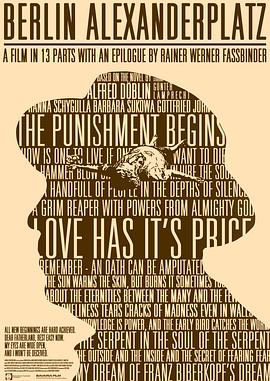
柏林亚历山大广场 (1980) 豆瓣 TMDB
Berlin Alexanderplatz Season 1 所属 电视剧集: 柏林亚历山大广场
8.4 (5 个评分)
导演:
赖纳·维尔纳·法斯宾德
演员:
古特·拉姆普雷切特
/
汉娜·许古拉
…
该电视剧改编自德国作家阿尔弗雷德•德布林的同名小说,故事发生在1920年代末的德国柏林。
因杀死与自己同居的妓女艾达,强壮、暴力、酗酒的弗朗兹•毕伯科夫(Günter Lamprecht )被判入狱四年,刑满释放后,他立誓要做一个正直的好人,可是因为不知从何做起,他终日在亚历山大广场附近游荡。不久,他拥有了出狱后的第一个女人,并为了她开始尝试各种体力活,但很快便被生活愚弄,这令性格里有一面相当单纯的他非常受打击,离开了原来的生活圈子。
和形形色色的人打过交道后,弗朗兹重回原来的生活环境,并在常去的小酒馆结识伦霍尔德(Peter Kollek)。伦霍尔德虽然说话结结巴巴,弗朗兹仍觉得他魅力非凡,开始对他盲目信任和依赖,甚至与他制定秘密的游戏协议,答应接手他玩腻的女人。游戏进行当中,弗朗兹展现出多情的一面,为了一个女人单方将协议撕毁,令伦霍尔德对他记恨在心,不久,伦霍尔德利用他对自己的信任,将他拉入小偷集团,害他失去一条胳膊。但截肢后,弗朗兹并没有报复的欲望。
弗朗兹的保护人兼旧女友爱娃(Hanna Schygulla)介绍单纯、美丽的女孩米兹(Karin Baal)与他认识,弗朗兹与之相爱并走出绝望,不过因为失去劳动能力,他只能靠米兹卖身养活。伦霍尔德无法忍受弗朗兹的幸福生活,生出无动机的邪念,再次利用弗朗兹对他“无动机的纯粹的爱(法斯宾德语)”,将弗朗兹又一次拉入小偷集团,并开始想方设法勾引米兹,试图将弗朗兹的生活彻底推上绝路。
因杀死与自己同居的妓女艾达,强壮、暴力、酗酒的弗朗兹•毕伯科夫(Günter Lamprecht )被判入狱四年,刑满释放后,他立誓要做一个正直的好人,可是因为不知从何做起,他终日在亚历山大广场附近游荡。不久,他拥有了出狱后的第一个女人,并为了她开始尝试各种体力活,但很快便被生活愚弄,这令性格里有一面相当单纯的他非常受打击,离开了原来的生活圈子。
和形形色色的人打过交道后,弗朗兹重回原来的生活环境,并在常去的小酒馆结识伦霍尔德(Peter Kollek)。伦霍尔德虽然说话结结巴巴,弗朗兹仍觉得他魅力非凡,开始对他盲目信任和依赖,甚至与他制定秘密的游戏协议,答应接手他玩腻的女人。游戏进行当中,弗朗兹展现出多情的一面,为了一个女人单方将协议撕毁,令伦霍尔德对他记恨在心,不久,伦霍尔德利用他对自己的信任,将他拉入小偷集团,害他失去一条胳膊。但截肢后,弗朗兹并没有报复的欲望。
弗朗兹的保护人兼旧女友爱娃(Hanna Schygulla)介绍单纯、美丽的女孩米兹(Karin Baal)与他认识,弗朗兹与之相爱并走出绝望,不过因为失去劳动能力,他只能靠米兹卖身养活。伦霍尔德无法忍受弗朗兹的幸福生活,生出无动机的邪念,再次利用弗朗兹对他“无动机的纯粹的爱(法斯宾德语)”,将弗朗兹又一次拉入小偷集团,并开始想方设法勾引米兹,试图将弗朗兹的生活彻底推上绝路。
勒克瑙之花 (1981) IMDb 豆瓣 维基数据 TMDB
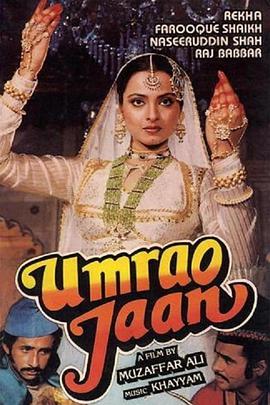
Umrao Jaan
9.7 (6 个评分)
导演:
Muzaffar Ali
演员:
瑞哈
/
法罗奎·夏克
…
其它标题:
Umrao Jaan
/
امراؤ جان
…
在英屬印度的法紮巴德,迪拉瓦爾在阿米蘭的印度陸軍尉官父親作證後,被判處幾年監禁。 1840年左右,他綁架了阿米蘭並把她賣給了舞館,以此來報復。 就在這裡,阿米蘭被重新取名為烏穆羅·賈安。 幾年後,烏穆羅長大了,她是一比特傑出的女詩人和舞女。 年輕的納瓦布·蘇坦被烏穆羅的美貌和她的詩歌所折服,但最終他被迫嫁給了他母親選擇的女孩,留下了心碎的烏穆羅。 於是烏穆羅在法伊茲·阿裡的懷抱中尋求安慰,最終與他私奔,卻發現他是一名通緝犯,被警衛槍殺。 烏穆羅重新回到坎普爾,在那裡她重新成為了一名詩人和舞女,但被舞館的高哈爾·米爾紮和侯賽尼追捕並帶回。 在那裡,她被告知必須嫁給高哈爾·米爾紮。 看看烏穆羅是如何逃避違背自己意願的結婚,以及她試圖找到回到父母身邊的方法。
Tokyo Nights: Female J-Pop Boogie Funk 81-88 豆瓣
Various Artists
类型:
流行
发布日期 2018年1月12日
出版发行:
Cultures Of Soul
Japan in the Eighties: a time when economic growth was at an average of four percent, GNP was the second largest in the world and unemployment was low. The country began to shift away from manufacturing and towards a more information and computer-based system, led by highly sophisticated technological advances. Even away from financial concerns, the decade also saw the establishment of Studio Ghibli and the popularisation of the likes of Super Mario Bros. and Donkey Kong, helping to take Japanese culture transatlantic.
During this time, many young men and women moved to bigger cities in search of wealth and fortune, finding affluent neon-lit wonderlands where prosperity helped give birth to flashy restaurants and opulent discos. There, a new sound was born, influenced by American R&B and boogie funk: 'City Pop'. As its name suggests, it was a sound designed to be heard in bustling urban environments, something that the opening notes of Culture of Soul’s new compilation takes to heart. For a few fleeting seconds, Hitomi Tohyama’s ‘Exotic Yokogao’ transports the listener directly into those boom times with the lively buzz of chatter and the chink of glasses, as if toasting the success of the decade.
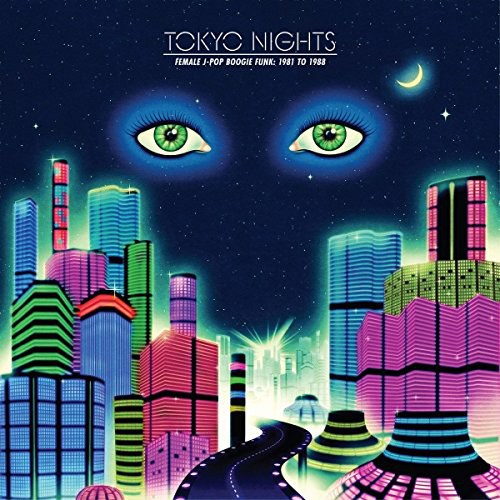
This is Tokyo Nights: Female J-Pop Boogie Funk: 1981-1988, a 12-track collection of some of the best and brightest examples of City Pop, all by female artists. Compiled by Eli Cohen of Alliance Upholstery and Deano Sounds of Cultures of Soul, the selection showcases some of the more unique aspects of the genre. For any listeners expecting a Japanese version of the type of boogie-funk and disco that tore through Studio 54 in the late 1970s, you may be in for a bit of a surprise. Yes, the strong rhythmic grooves and buoyant basslines of the likes of Chic and Parliament-Funkadelic are present here. It comes on strong on the likes of Aru Takamura’s ‘I’m In Love’, which adopts an almost laid-back, understated vocal style that makes it somewhat reminiscent of Diana Ross’s ‘Upside Down’, ‘Wanna Kiss’, also by Hitomi Tohyama, which features a prominent bassline directly taken from Chic’s ‘Good Times’, and Junko Ohashi’s ‘Dancin’, with its vintage chorus of “I’ve got dancin’ in my feet.”
Even on ‘Dancin’ though, there’s more than simply a re-tread of American sounds going on; it opens with an explosion of cosmic, swirling synths and its beats are reminiscent of early house music. Indeed, as Japan itself was becoming more technologically advanced, its music wasn’t about to get left behind. Instead, producers such as Tatsuro Yamashita and Haruomi Hosono were quick to adopt the latest, state of the art equipment, from synthesisers such as the Yamaha DX7 and Moog Polymoog to drum machines such as the Linndrum, with digital reverb being applied liberally.
As the collection’s title may suggest then, what results is a fusion of styles that keeps disco, funk and soul as its foundation, but layers on elements from a variety of other genres. There’s a familiarity to be heard in the underlying grooves, but the City Pop on display here reaches far beyond, giving an almost cinematic, all-encompassing breadth to its sound. Unsurprisingly, it’s J-Pop and power pop that comes to the fore the most in the majority of the compositions, not least in Mizuki Koyama’s ‘Kareniwa-Kanawanai’, possibly the most strident and striking example of City Pop fusion on the collection. An explosion of pounding drum machines accompanies Koyama’s emotional vocal melodies, only for that to be superseded by high-energy electronic brass and a shimmering hook so irrepressible that it’d feel as much at home on the charts as it would the dancefloor.
Not every track here is an instant floor-filler, particularly towards the back of the collection. This doesn’t make these tracks any less memorable though. They evoke the feeling of wandering through the streets in the early hours after a night out, taking in the surroundings in a more contemplative manner. Kikuchi Momoko’s ‘Mystical Composer’ kicks off this more meditative, languid vibe, with Yumi Seino’s ‘Sky Restaurant’ pushing the malleable nature of City Pop to its outer limits. Its mid-tempo pace, stately vocals and squalling, propulsive stadium rock riffs stand far apart from some of the rapid-fire percussion and feet-moving bombast that comes before it.
‘Sky Restaurant’ provides an apt way to close a record that revels in the music that accompanied one of Japan’s most prosperous times. It’s sonically grand, but even its title evokes the sense that in the 1980s it seemed like the sky really was the country’s limit. In 1992 though, the Bubble economy in Japan finally burst. The “Lost Decade” brought recession and economic stagnation, with wages falling on average, financial institutions being bailed out by the government and a number of failing firms becoming unsustainable. For a decade though, it seemed like Japan was on top of the world. Tokyo Nights is the ultimate feel-good record to celebrate those feel-good times.
During this time, many young men and women moved to bigger cities in search of wealth and fortune, finding affluent neon-lit wonderlands where prosperity helped give birth to flashy restaurants and opulent discos. There, a new sound was born, influenced by American R&B and boogie funk: 'City Pop'. As its name suggests, it was a sound designed to be heard in bustling urban environments, something that the opening notes of Culture of Soul’s new compilation takes to heart. For a few fleeting seconds, Hitomi Tohyama’s ‘Exotic Yokogao’ transports the listener directly into those boom times with the lively buzz of chatter and the chink of glasses, as if toasting the success of the decade.
This is Tokyo Nights: Female J-Pop Boogie Funk: 1981-1988, a 12-track collection of some of the best and brightest examples of City Pop, all by female artists. Compiled by Eli Cohen of Alliance Upholstery and Deano Sounds of Cultures of Soul, the selection showcases some of the more unique aspects of the genre. For any listeners expecting a Japanese version of the type of boogie-funk and disco that tore through Studio 54 in the late 1970s, you may be in for a bit of a surprise. Yes, the strong rhythmic grooves and buoyant basslines of the likes of Chic and Parliament-Funkadelic are present here. It comes on strong on the likes of Aru Takamura’s ‘I’m In Love’, which adopts an almost laid-back, understated vocal style that makes it somewhat reminiscent of Diana Ross’s ‘Upside Down’, ‘Wanna Kiss’, also by Hitomi Tohyama, which features a prominent bassline directly taken from Chic’s ‘Good Times’, and Junko Ohashi’s ‘Dancin’, with its vintage chorus of “I’ve got dancin’ in my feet.”
Even on ‘Dancin’ though, there’s more than simply a re-tread of American sounds going on; it opens with an explosion of cosmic, swirling synths and its beats are reminiscent of early house music. Indeed, as Japan itself was becoming more technologically advanced, its music wasn’t about to get left behind. Instead, producers such as Tatsuro Yamashita and Haruomi Hosono were quick to adopt the latest, state of the art equipment, from synthesisers such as the Yamaha DX7 and Moog Polymoog to drum machines such as the Linndrum, with digital reverb being applied liberally.
As the collection’s title may suggest then, what results is a fusion of styles that keeps disco, funk and soul as its foundation, but layers on elements from a variety of other genres. There’s a familiarity to be heard in the underlying grooves, but the City Pop on display here reaches far beyond, giving an almost cinematic, all-encompassing breadth to its sound. Unsurprisingly, it’s J-Pop and power pop that comes to the fore the most in the majority of the compositions, not least in Mizuki Koyama’s ‘Kareniwa-Kanawanai’, possibly the most strident and striking example of City Pop fusion on the collection. An explosion of pounding drum machines accompanies Koyama’s emotional vocal melodies, only for that to be superseded by high-energy electronic brass and a shimmering hook so irrepressible that it’d feel as much at home on the charts as it would the dancefloor.
Not every track here is an instant floor-filler, particularly towards the back of the collection. This doesn’t make these tracks any less memorable though. They evoke the feeling of wandering through the streets in the early hours after a night out, taking in the surroundings in a more contemplative manner. Kikuchi Momoko’s ‘Mystical Composer’ kicks off this more meditative, languid vibe, with Yumi Seino’s ‘Sky Restaurant’ pushing the malleable nature of City Pop to its outer limits. Its mid-tempo pace, stately vocals and squalling, propulsive stadium rock riffs stand far apart from some of the rapid-fire percussion and feet-moving bombast that comes before it.
‘Sky Restaurant’ provides an apt way to close a record that revels in the music that accompanied one of Japan’s most prosperous times. It’s sonically grand, but even its title evokes the sense that in the 1980s it seemed like the sky really was the country’s limit. In 1992 though, the Bubble economy in Japan finally burst. The “Lost Decade” brought recession and economic stagnation, with wages falling on average, financial institutions being bailed out by the government and a number of failing firms becoming unsustainable. For a decade though, it seemed like Japan was on top of the world. Tokyo Nights is the ultimate feel-good record to celebrate those feel-good times.