Psychology
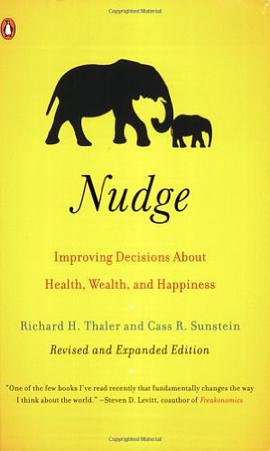
Nudge Douban Skybridge Goodreads
author: Richard H. Thaler / Cass R. Sunstein publishing house: Penguin Books 2009 - 2 other title: Nudge: Improving Decisions About Health, Wealth, and Happiness
在线阅读本书
Nudge is about choices—how we make them and how we can make better ones. Authors Richard H. Thaler and Cass R. Sunstein offer a new perspective on preventing the countless mistakes we make— including ill-advised personal investments, consumption of unhealthy foods, neglect of our natural resources, and other bad decisions. Citing decades of cutting-edge behavioral science research, they demonstrate that sensible “choice architecture”can successfully nudge people towards the best decisions without restricting their freedom of choice. S straightforward, informative, and entertaining, this is a must-read for anyone with interest in our individual and collective well-being.
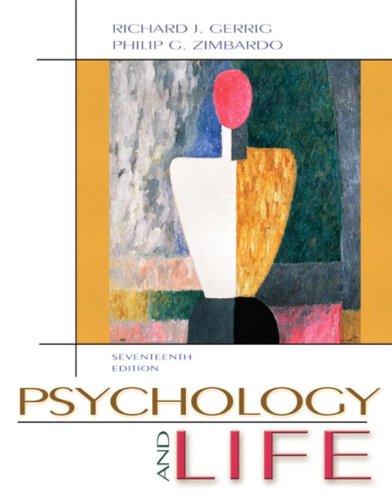
Psychology and Life Douban
author: Richard J. Gerrig / Philip G. Zimbardo publishing house: Allyn & Bacon 2004 - 5
This classic book is built around the central theme of presenting psychology as a science and applying that science to our daily lives. Psychology and Life continues to provide a rigorous, research-based presentation that demonstrates that this research has immediate in daily life. For Intro Psychology students, or anyone with an interest in the subject.
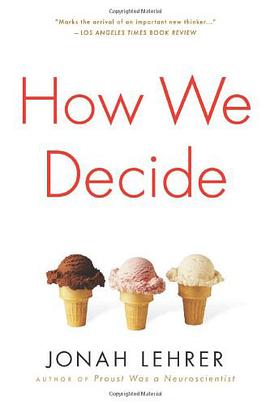
How We Decide Douban
author: Jonah Lehrer publishing house: Houghton Mifflin Co 2009 - 2
Product Description
The first book to use the unexpected discoveries of neuroscience to help us make the best decisions.
Since Plato, philosophers have described the decision-making process as either rational or emotional: we carefully deliberate, or we blink and go with our gut. But as scientists break open the mind's black box with the latest tools of neuroscience, they re discovering that this is not how the mind works. Our best decisions are a finely tuned blend of both feeling and reason and the precise mix depends on the situation. When buying a house, for example, it s best to let our unconscious mull over the many variables. But when we re picking a stock, intuition often leads us astray. The trick is to determine when to use the different parts of the brain, and to do this, we need to think harder (and smarter) about how we think.
Jonah Lehrer arms us with the tools we need, drawing on cutting-edge research as well as the real-world experiences of a wide range of deciders from airplane pilots and hedge fund investors to serial killers and poker players.
Lehrer shows how people are taking advantage of the new science to make better television shows, win more football games, and improve military intelligence. His goal is to answer two questions that are of interest to just about anyone, from CEOs to firefighters: How does the human mind make decisions? And how can we make those decisions better?
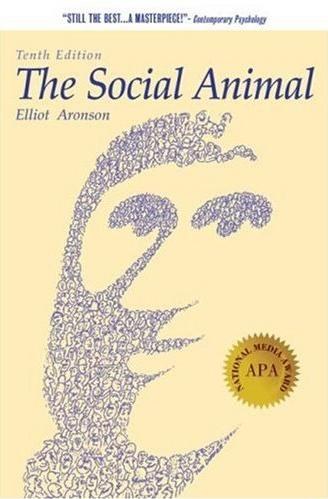
The Social Animal Douban
author: [美国] 埃利奥特·阿伦森 publishing house: W.H.Freeman & Co Ltd 2007 - 7
Newly revised and up-to-date, this edition of The Social Animal is a brief, compelling introduction to modern social psychology. Through vivid narrative, lively presentations of important research, and intriguing examples, Elliot Aronson probes the patterns and motives of human behavior, covering such diverse topics as terrorism, conformity, obedience, politics, race relations, advertising, war, interpersonal attraction, and the power of religious cults.
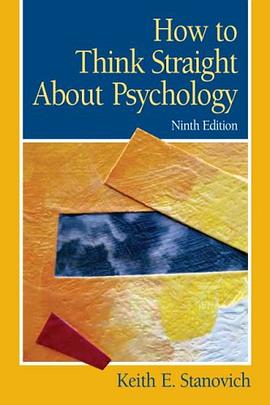
How To Think Straight About Psychology Douban
author: Keith E. Stanovich publishing house: Allyn & Bacon 2009 - 8
Keith Stanovich'swidely usedand highly acclaimed book helps students become morediscriminating consumers of psychological information, helping them recognize pseudoscience and be able to distinguish it from true psychological research.Stanovich helps instructors teach critical thinking skills within the rich context of psychology. It is the leading text of its kind. How to Think Straight About Psychology says about the discipline of psychology what many instructors would like to say but haven't found a way to. That is one reason adopters have called it “an instructor's dream text” and often comment “I wish I had written it. It tells my students just what I want them to hear about psychology”.