女性
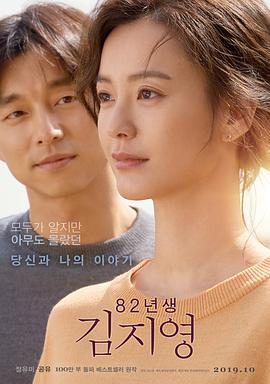
82年生的金智英 (2019) 豆瓣 维基数据 IMDb TMDB
82년생 김지영
其它标题:
82년생 김지영
/
82年生金智英
…
表面看来,金智英(郑有美 饰)是一个生活在幸福之中的家庭主妇,有一个收入不菲又温柔体贴的丈夫郑大贤(孔侑 饰)和一个非常可爱的女儿,在波澜不惊的日子里享受着每一天的平淡和安稳。
实际上,金智英的内心早就如同地震一般的产生了天崩地裂的动摇,在她的身上背负着无比沉重的枷锁。婆婆面前,她要扮演逆来顺受的好儿媳。丈夫面前,她又是无条件支持他的贤妻。面对女儿,金智英必须隐藏起脆弱,做她无坚不摧的母亲。那么,真正的金智英究竟在哪儿呢?长久的压抑和挣扎中,金智英患上了心理疾病,郑大贤决定和妻子一起接受心理咨询,共同面对命运设置给他们的难题。
坡道上的家 (2019) 豆瓣
坂の途中の家
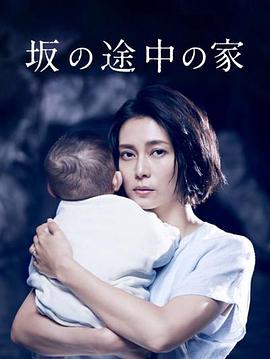
里莎子(柴崎幸 饰)和大部分同龄的女人一样,是一位非常平凡的家庭主妇,她的生活几乎被丈夫阳一郎(田边诚一 饰)和女儿文香(松本笑花 饰)填满了。最近,文香似乎到了叛逆期,总是会无缘预估的发脾气,这让里莎子感到非常的头疼,虽然她的母性的本能抑制着情绪,但还是有偶尔失控的时候。
某日,里莎子接到了通知,她被选为了国民参议院候补,需要每日出席庭审,虽然里莎子不情不愿,但国民的义务无法推脱。被告人是一位名叫安藤水穗(伊藤步 饰)的女子,她被控告杀死了自己的孩子。“究竟是怎样的女人会对自己的亲生骨肉痛下杀手”,怀揣着这样的疑问,同样身为母亲的里莎子开始一步一步的探寻水穗的内心。
失踪的孩子 豆瓣 Goodreads
Storia della bambina perduta
9.2 (518 个评分)
作者:
[意] 埃莱娜·费兰特
译者:
陈英
publishing house:
人民文学出版社
2018
- 7
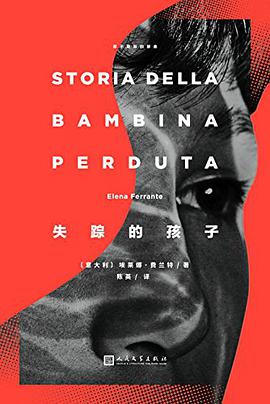
《失踪的孩子》是“那不勒斯四部曲”的第四部,小说聚焦了莉拉和埃莱娜(“我”)的壮年和晚年,为她们持续了五十多年的友谊划上了一个令人心碎的句号。
“我”为了爱情和写作,离开丈夫带着两个女儿回到了那不勒斯,不可避免地与莉拉,还有我曾想要逃离的城区再度变得亲密。“我”和莉拉甚至在同一年怀孕、生子,并经历了恐怖残暴的那不勒斯大地震,一切都分崩离析,一切又将被重建。
“我”在不自觉中卷入莉拉秘密的企图——她希望利用我的名声和写作技巧来对抗城区陈腐而猖獗的恶势力。但在经历了生命最恐怖的打击之后,莉拉选择以一种怪异夸张的方式在城区彻底将自己流放。
而“我”也将以惊人的韧性和诚实面对写作、爱情、家庭的失败。在经历了多年的自我怀疑之后,“我”决定忤逆(罔顾?)莉拉的告诫,将“我”和她一生的友谊写成一本小说,却招来了最深的背叛……
“我”为了爱情和写作,离开丈夫带着两个女儿回到了那不勒斯,不可避免地与莉拉,还有我曾想要逃离的城区再度变得亲密。“我”和莉拉甚至在同一年怀孕、生子,并经历了恐怖残暴的那不勒斯大地震,一切都分崩离析,一切又将被重建。
“我”在不自觉中卷入莉拉秘密的企图——她希望利用我的名声和写作技巧来对抗城区陈腐而猖獗的恶势力。但在经历了生命最恐怖的打击之后,莉拉选择以一种怪异夸张的方式在城区彻底将自己流放。
而“我”也将以惊人的韧性和诚实面对写作、爱情、家庭的失败。在经历了多年的自我怀疑之后,“我”决定忤逆(罔顾?)莉拉的告诫,将“我”和她一生的友谊写成一本小说,却招来了最深的背叛……
我的天才女友 第一季 (2018) 豆瓣 TMDB
L'amica geniale Season 1 所属 电视剧集: 我的天才女友
9.2 (749 个评分)
导演:
萨维里奥·科斯坦佐
演员:
伊利莎·德尔·吉尼欧
/
卢多维卡·纳斯提
…
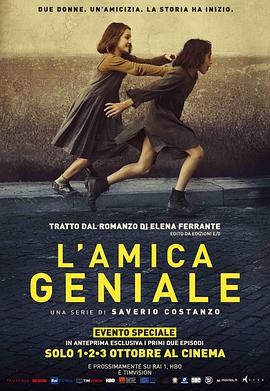
故事发生在位于意大利那不勒斯的一个贫穷而又破败的社区之中,莉拉(卢多维卡·纳斯蒂 Ludovica Nasti 饰)和爱莲娜(艾丽莎·德尔·杰尼奥 Elisa del Genio 饰)从小就生活在那里。莉拉出生在一个专制的家庭之中,父亲是一名鞋匠。虽然莉拉在班级里是公认的天才少女,但是在父亲的坚持之下,莉拉最终放弃了学业,在鞋店里成为了帮工。
和莉拉不同,爱莲娜在家人和老师的支持之下继续求学,虽然和莉拉走上了截然不同的人生道路,但爱莲娜的目光始终凝聚在莉拉的身上。在十六岁那一年,莉拉嫁给了苦苦追求她的富家子弟斯代凡诺(乔万尼·阿穆拉 Giovanni Amura 饰),可是等待着她的却并非美好的婚姻生活。
Women in China's Long Twentieth Century 豆瓣
作者:
Gail Hershatter
publishing house:
University of California Press
2007
- 3
This indispensable guide for students of both Chinese and women’s history synthesizes recent research on women in twentieth-century China. Written by a leading historian of China, it surveys more than 650 scholarly works, discussing Chinese women in the context of marriage, family, sexuality, labor, and national modernity. In the process, Hershatter offers keen analytic insights and judgments about the works themselves and the evolution of related academic fields. The result is both a practical bibliographic tool and a thoughtful reflection on how we approach the past.
Reading the Romance 豆瓣
作者:
Janice A. Radway
publishing house:
University of North Carolina Press; Revised edition (November 30, 1991)
1991
- 11
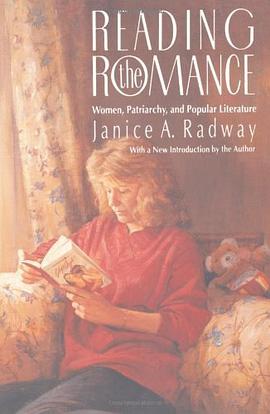
Originally published in 1984, Reading the Romance challenges popular (and often demeaning) myths about why romantic fiction, one of publishing's most lucrative categories, captivates millions of women readers. Among those who have disparaged romance reading are feminists, literary critics, and theorists of mass culture. They claim that romances enforce the woman reader's dependence on men and acceptance of the repressive ideology purveyed by popular culture. Radway questions such claims, arguing that critical attention "must shift from the text itself, taken in isolation, to the complex social event of reading." She examines that event, from the complicated business of publishing and distribution to the individual reader's engagement with the text.
Radway's provocative approach combines reader-response criticism with anthropology and feminist psychology. Asking readers themselves to explore their reading motives, habits, and rewards, she conducted interviews in a midwestern town with forty-two romance readers whom she met through Dorothy Evans, a chain bookstore employee who has earned a reputation as an expert on romantic fiction. Evans defends her customers' choice of entertainment; reading romances, she tells Radway, is no more harmful than watching sports on television.
"We read books so we won't cry" is the poignant explanation one woman offers for her reading habit. Indeed, Radway found that while the women she studied devote themselves to nurturing their families, these wives and mothers receive insufficient devotion or nurturance in return. In romances the women find not only escape from the demanding and often tiresome routines of their lives but also a hero who supplies the tenderness and admiring attention that they have learned not to expect.
The heroines admired by Radway's group defy the expected stereotypes; they are strong, independent, and intelligent. That such characters often find themselves to be victims of male aggression and almost always resign themselves to accepting conventional roles in life has less to do, Radway argues, with the women readers' fantasies and choices than with their need to deal with a fear of masculine dominance.
These romance readers resent not only the limited choices in their own lives but the patronizing atitude that men especially express toward their reading tastes. In fact, women read romances both to protest and to escape temporarily the narrowly defined role prescribed for them by a patriarchal culture. Paradoxically, the books that they read make conventional roles for women seem desirable. It is this complex relationship between culture, text, and woman reader that Radway urges feminists to address. Romance readers, she argues, should be encouraged to deliver their protests in the arena of actual social relations rather than to act them out in the solitude of the imagination.
In a new introduction, Janice Radway places the book within the context of current scholarship and offers both an explanation and critique of the study's limitations.

Radway's provocative approach combines reader-response criticism with anthropology and feminist psychology. Asking readers themselves to explore their reading motives, habits, and rewards, she conducted interviews in a midwestern town with forty-two romance readers whom she met through Dorothy Evans, a chain bookstore employee who has earned a reputation as an expert on romantic fiction. Evans defends her customers' choice of entertainment; reading romances, she tells Radway, is no more harmful than watching sports on television.
"We read books so we won't cry" is the poignant explanation one woman offers for her reading habit. Indeed, Radway found that while the women she studied devote themselves to nurturing their families, these wives and mothers receive insufficient devotion or nurturance in return. In romances the women find not only escape from the demanding and often tiresome routines of their lives but also a hero who supplies the tenderness and admiring attention that they have learned not to expect.
The heroines admired by Radway's group defy the expected stereotypes; they are strong, independent, and intelligent. That such characters often find themselves to be victims of male aggression and almost always resign themselves to accepting conventional roles in life has less to do, Radway argues, with the women readers' fantasies and choices than with their need to deal with a fear of masculine dominance.
These romance readers resent not only the limited choices in their own lives but the patronizing atitude that men especially express toward their reading tastes. In fact, women read romances both to protest and to escape temporarily the narrowly defined role prescribed for them by a patriarchal culture. Paradoxically, the books that they read make conventional roles for women seem desirable. It is this complex relationship between culture, text, and woman reader that Radway urges feminists to address. Romance readers, she argues, should be encouraged to deliver their protests in the arena of actual social relations rather than to act them out in the solitude of the imagination.
In a new introduction, Janice Radway places the book within the context of current scholarship and offers both an explanation and critique of the study's limitations.
The Female Gaze 豆瓣
作者:
Gamman, Lorraine; Marshment, Margaret
Feminism and Youth Culture 豆瓣
作者:
Angela McRobbie
publishing house:
MacMillan Publishing Company
1991
- 1
Representing Women 豆瓣
作者:
M.Macdonald
1995
This text reassesses how women are talked about and constructed visually across a range of popular media. Arguing for the importance of a historical approach, this book examines continuities and changes in dominant myths of femininity, especially in the transition from the modern to the postmodern period. The influences of feminism and consumerism on these developments are given particular attention. The book starts with an orientating chapter on the contributions of a variety of disciplines to our understanding of gender in relation to the media. Psychology, psychoanalysis, sociology, art history and cultural studies are each critically reviewed, enabling students to compare perspectives and to locate the variety of approaches they may encounter in other readings. A chapter on gender and consumerism and a detailed analysis of myths of femininity are also included. Outlining key theoretical debates in an accessible manner this book offers a wide range of examples from advertising, women's magazines, popular television programmes and mainstream film.
蔡畅 邓颖超 康克清妇女解放问题文选 : 1938-1987 豆瓣
作者:
中华全国妇女联合会 编
publishing house:
人民出版社
1988
本书是从三位大姐自30年代起至80年代(文章收到1987年)从事妇女运动、儿童工作的大量文章、讲话和报告之中择其重要部分辑成。
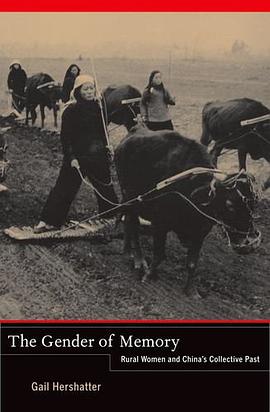
The Gender of Memory: Rural Women and China’s Collective Past 豆瓣 Goodreads
9.7 (7 个评分)
作者:
Gail Hershatter
publishing house:
University of California Press
2011
- 8
其它标题:
The Gender of Memory
What can we learn about the Chinese revolution by placing a doubly marginalized group―rural women―at the center of the inquiry? In this book, Gail Hershatter explores changes in the lives of seventy-two elderly women in rural Shaanxi province during the revolutionary decades of the 1950s and 1960s. Interweaving these women’s life histories with insightful analysis, Hershatter shows how Party-state policy became local and personal, and how it affected women’s agricultural work, domestic routines, activism, marriage, childbirth, and parenting―even their notions of virtue and respectability. The women narrate their pasts from the vantage point of the present and highlight their enduring virtues, important achievements, and most deeply harbored grievances. In showing what memories can tell us about gender as an axis of power, difference, and collectivity in 1950s rural China and the present, Hershatter powerfully examines the nature of socialism and how gender figured in its creation.
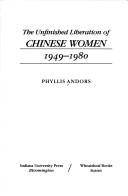
The Unfinished Liberation of Chinese Women, 1949-1980 豆瓣
作者:
Phyllis Andors
publishing house:
Indiana Univ Pr
1983
- 4
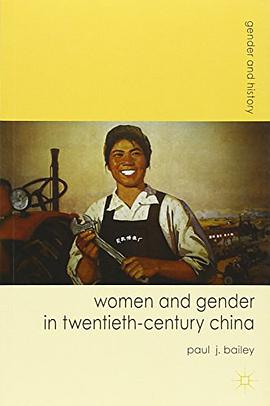
Women and Gender in Twentieth-Century China 豆瓣
作者:
Paul J. Bailey
publishing house:
Palgrave Macmillan
2012
- 10
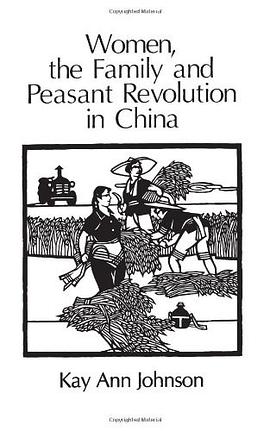
Women, the Family and Peasant Revolution in China 豆瓣
作者:
Kay Ann Johnson
publishing house:
University Of Chicago Press
1985
- 10
Kay Ann Johnson provides much-needed information about women and gender equality under Communist leadership. She contends that, although the Chinese Communist Party has always ostensibly favored women's rights and family reform, it has rarely pushed for such reforms. In reality, its policies often have reinforced the traditional role of women to further the Party's predominant economic and military aims.
Johnson's primary focus is on reforms of marriage and family because traditional marriage, family, and kinship practices have had the greatest influence in defining and shaping women's place in Chinese society. Conversant with current theory in political science, anthropology, and Marxist and feminist analysis, Johnson writes with clarity and discernment free of dogma. Her discussions of family reform ultimately provide insights into the Chinese government's concern with decreasing the national birth rate, which has become a top priority. Johnson's predictions of a coming crisis in population control are borne out by the recent increase in female infanticide and the government abortion campaign.
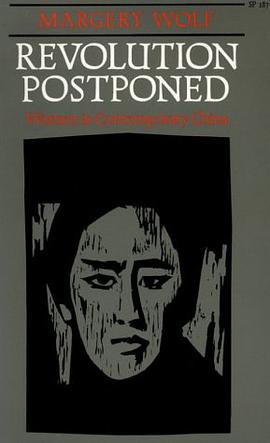
Revolution Postponed 豆瓣
作者:
Margery Wolf
publishing house:
Stanford University Press
1985
- 6
The Communist revolution promised Chinese women an end to thousands of years of subjugation, an equality with men in all matters legal, political, social, and economic. This book examines the extent to which this promise has been kept. Based on nearly a year of field research and interviews with over 300 women in six widely separated rural and urban areas, it gives us a vivid picture of Chinese women today - their day-to-day lives, their views of the present, and their hopes for the future. To date nothing approximating equality has been achieved: in working conditions, in pay, in educational opportunity. In the cities, and to a lesser extent in the countryside, women are better off than in pre-revolutionary China. But nowhere except in the rhetoric of the regime are they equal to men. Nor does the immediate future look much brighter, given the continuing social constraints, the government's controversial family limitation program, and the nature of the new economic policies introduced in 1980. So far as possible, the women interviewed are allowed to speak for themselves. Some take refuge behind government slogans, some are shy or wary, but a surprising number are quick to give their own opinions despite an ever-present government cadre. These opinions, combined with the author's astute observations on their local and national context, add up to a wholly new perspective on an all too familiar problem.