莉娅·威廉姆斯 — 演员 (24)


真相捕捉 第一季 (2019) [剧集] 豆瓣 TMDB
The Capture Season 1 所属 电视剧集: 真相捕捉
当士兵肖恩埃默里(特纳)在阿富汗谋杀的罪名被推翻,因为有缺陷的视频证据,他作为一个自由人和他的小女儿返回生活。但当伦敦一个夜晚的闭路电视镜头曝光时,肖恩的生活发生了令人震惊的转折,他必须很快再次为自由而战。随着新晋升的迪雷切尔凯里(格雷格)起草调查肖恩的案件,她很快了解到,真相有时可能是一个角度的问题。她应该信任肖恩·埃默里吗?这次抓捕是一部由六部分组成的惊悚片,讲述了一个令人不安的假新闻世界和情报部门的非凡能力。在这个“后真理时代”,我们真的能相信我们所看到的吗?这部影片由英国电影自由贸易协会(bafta)获奖电影制作人本•查南(ben chanan)执导,全盛时期电视台(heyday television)和nbc环球影城(nbc universal international studios)为bbc制作。


黑暗物质三部曲 第三季 (2022) [剧集] 豆瓣 TMDB
His Dark Materials Season 3 所属 电视剧集: 黑暗物质
BBC和HBO续订《黑暗物质三部曲》第三季,共8集,基于原著三部曲中的《琥珀望远镜》。

真相捕捉 第二季 (2022) [剧集] 豆瓣 TMDB
The Capture Season 2 所属 电视剧集: 真相捕捉
9.1 (202 个评分)
导演:
詹姆斯·肯特
/
菲利帕·兰格戴尔
演员:
荷丽黛·格兰杰
/
帕帕·厄希度
…
本剧引入了“客串主角”的概念,即每季一个女主以外的新主角。第一季的Callum Turner不会回归。
新季将再次质疑眼见是否一定为实。英国正遭受围攻:被黑客攻击的新闻动态推送、被操纵的媒体,以及政治中出现的干涉。在英国「校正」部门站稳脚跟的Rachel Carey高级督察,发现自己正处于一场新的阴谋之中,面临着一个新的目标。可是,当她甚至不能信任自己最亲近的同事时,又要如何解决这起案件呢?
相较第一季的监控问题,情况更加恶化。故事将讲述“隐形”杀手、深度伪造科技的可怕崛起、政府与大型科技公司之间日益紧张的关系,和英国媒体内部核心的腐败。
Holliday Grainger回归饰演女主角Rachel Carey高级督察。Paapa Essiedu(《我可以毁掉你》)饰演新客串男主Isaac Turner议员,一位年轻的后起之秀政客,有志于最高层职位。
新季将再次质疑眼见是否一定为实。英国正遭受围攻:被黑客攻击的新闻动态推送、被操纵的媒体,以及政治中出现的干涉。在英国「校正」部门站稳脚跟的Rachel Carey高级督察,发现自己正处于一场新的阴谋之中,面临着一个新的目标。可是,当她甚至不能信任自己最亲近的同事时,又要如何解决这起案件呢?
相较第一季的监控问题,情况更加恶化。故事将讲述“隐形”杀手、深度伪造科技的可怕崛起、政府与大型科技公司之间日益紧张的关系,和英国媒体内部核心的腐败。
Holliday Grainger回归饰演女主角Rachel Carey高级督察。Paapa Essiedu(《我可以毁掉你》)饰演新客串男主Isaac Turner议员,一位年轻的后起之秀政客,有志于最高层职位。

国王不死 (2000) [电影] 豆瓣
The King Is Alive
导演:
克里斯蒂安·莱沃
演员:
迈尔斯·安德森
/
罗曼娜·波琳热
…
其它标题:
The King Is Alive
/
沙漠中的李尔王
一辆旅游巴士载着数量众多的游客正在风驰电掣的驶往目的地,当司机发现导航系统出现了问题时,他们已经偏离了原定路线很远很远了。更糟糕的是,在茫茫沙漠之中,巴士因为故障抛锚了,一行人只得在炎炎的烈日之下等待着不知道什么时候才能到来的救援。
来自澳洲的杰克(迈尔斯·安德森 Miles Anderson 饰)认为这无尽的等待只会消耗他们仅剩不多的资源和生命力,于是自告奋勇的站了出来,决定前往距离这里最近的小村庄求救。随着杰克离开的时间越来越长,留在原地的人们内心里的不安也在猛烈的增加着。此时,剧作家亨利(大卫·布拉德利 David Bradley 饰)挺身而出,带领着大家排演起了《李尔王》来打发时间,但这对于解决目前的困境还远远不够。
来自澳洲的杰克(迈尔斯·安德森 Miles Anderson 饰)认为这无尽的等待只会消耗他们仅剩不多的资源和生命力,于是自告奋勇的站了出来,决定前往距离这里最近的小村庄求救。随着杰克离开的时间越来越长,留在原地的人们内心里的不安也在猛烈的增加着。此时,剧作家亨利(大卫·布拉德利 David Bradley 饰)挺身而出,带领着大家排演起了《李尔王》来打发时间,但这对于解决目前的困境还远远不够。
生之欲 (2022) [电影] TMDB 豆瓣 IMDb 维基数据
Living
其它标题:
Living
/
生之欲英国版
…
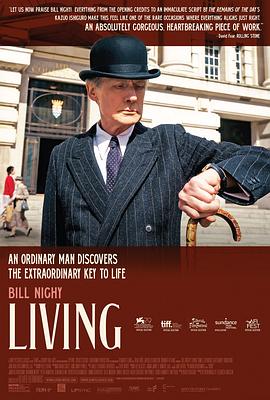
1952年的伦敦,担任公务员多年的威廉已经成为战后英国重建的官僚体制中的一枚螺丝钉,办公桌上堆积起无尽的文书工作,而此时这个疲惫的男子得知自己身患绝症,便开始想在死去之前,为灰暗单调的生活寻找一些意义。他尝试了纵欲,忽视家人和工作等,随后,威廉被同办公室年轻的女同事玛格丽特吸引,她本人似乎就代表着生命和生机,和威廉人生中路过的东西。两人的友谊逐渐加深,她不经意地向他展现了如何去面对人总有的一死,如何累计自己的人生经验和奉献最后一次全心努力,克服一切困难去推动一个被推迟已久的项目,帮助动伦敦贫困地区的孩子们。

The Comic Strip Presents: The Yob (1988) [电影] 豆瓣
导演:
Ian Emes
演员:
基思·艾伦
/
Lia Williams
…
Patrick is a director of avant-garde music videos. Whilst at a UB40 concert he walks into what he believes to be a portable toilet but is actually a matter transportation pod being used for an illegal experiment. As a result his personality is changed to that of a yobbish,Cockney Arsenal supporter. Written by don @ minifie-1
真相捕捉 (2019) [剧集] 维基数据 IMDb Eggplant.place TMDB
The Capture
其它标题:
The Capture
/
더 캡처
…
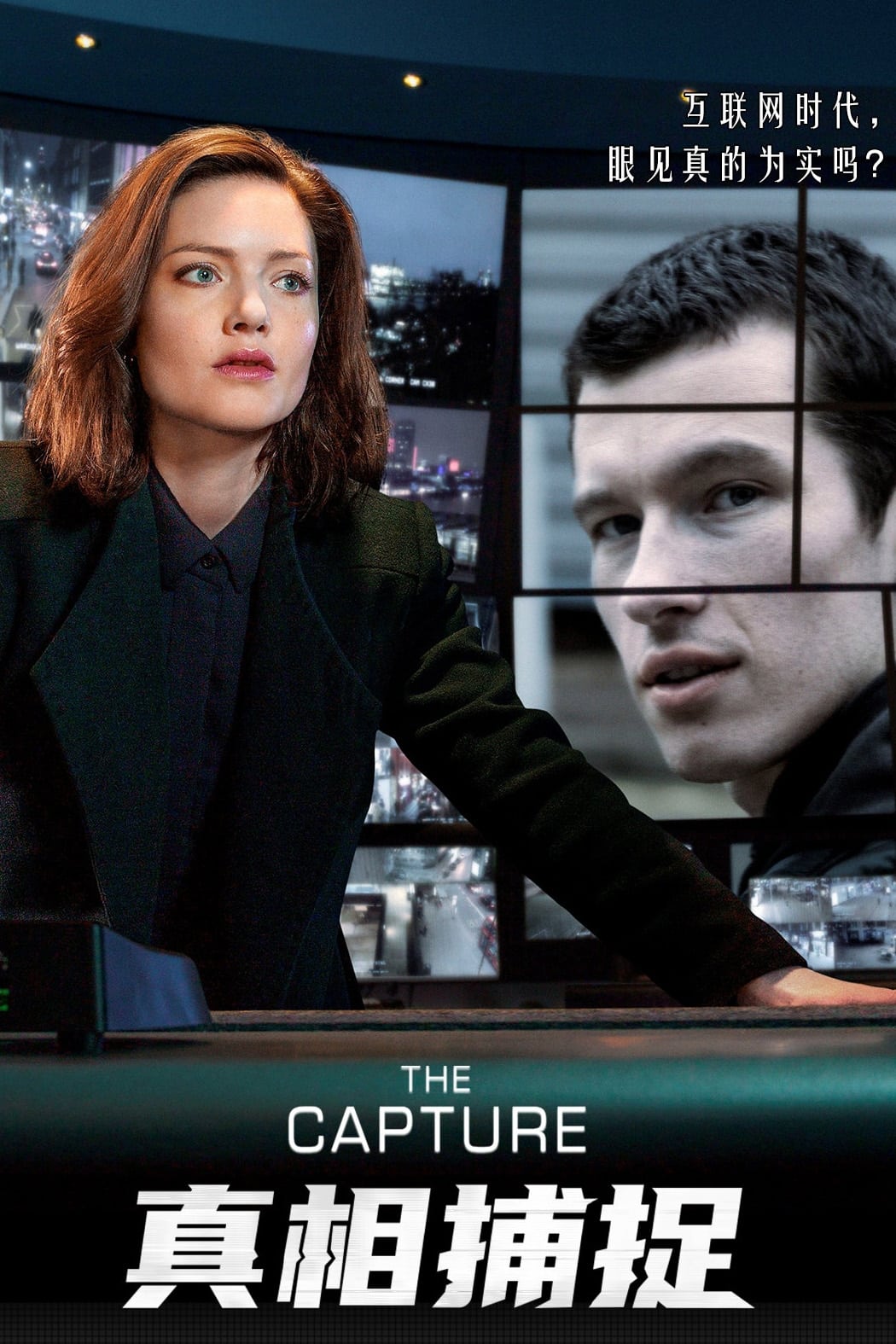
当士兵肖恩埃默里在阿富汗谋杀的罪名被推翻,因为有缺陷的视频证据,他作为一个自由人和他的小女儿返回生活。但当伦敦一个夜晚的闭路电视镜头曝光时,肖恩的生活发生了令人震惊的转折,他必须很快再次为自由而战。随着新晋升的迪雷切尔凯里起草调查肖恩的案件,她很快了解到,真相有时可能是一个角度的问题。她应该信任肖恩·埃默里吗?

阿卡迪亚 2011年版 [演出] 豆瓣
所属 演出: 阿卡迪亚
导演:
David Leveaux
Scene 1
The play opens on 10 April 1809, in a garden front room of a country house in Derbyshire with tutor Septimus Hodge trying to distract his 13 year-old pupil Thomasina from her enquiries as to the meaning of a "carnal embrace" by challenging her to prove Fermat's Last Theorem so he can focus on reading the poem 'The Couch of Eros', a piece written by another character, Mr. Ezra Chater. Thomasina starts questioning why the jam in rice pudding can never be unstirred, which leads her on to the topic of determinism, beginning to develop a theory regarding the chaotic shapes of nature. This however is interrupted by Mr. Chater himself who is shortly revealed to be angry that his wife, Mrs. Chater, was caught engaging in "carnal embrace" in the gazebo with Septimus, and has come intending to challenge Septimus to a duel. Septimus attempts to defuse the situation by heaping oleaginous praise on "The Couch of Eros", a tactic that works, as at this point Chater doesn't realise that it was Septimus who had previously negatively reviewed an earlier work of his, "The Maid of Turkey". Landscape architect Noakes enters, shortly accompanied by Captain Brice and Lady Croom, who then proceed to discuss the proposed modifications to the gardens, with Thomasina drawing a picture of an imaginary hermit (in the biblical style of John the Baptist) onto Mr. Noakes's picture of the garden (with its fantasy hermitage) as he sees it in the future.
[edit]Scene 2
The setting shifts to the present day, with Hannah Jarvis researching about the house, garden and specifically the hermit, for a study centering on Hermits and the romantic imagination. Bernard Nightingale enters, escorted by Chloe Coverley, who fails to impart to Hannah the true identity of Bernard, as he gave Hannah's last book a poor review. Chloe's brother, Valentine Coverley, is doing research into the population biology of the grouse in the surrounding grounds, based on data from the historical "game books". When eventually Bernard's identity is revealed after a verbal misstep by Chloe, Hannah initially reacts angrily but regardless she agrees to share the research material he requested, allowing him to propose his theory that one of the 1809 inhabitants, Mr. Ezra Chater, was killed in a duel by Lord Byron. Bernard notes that records of Chater disappear after 1809; the only other notable Ezra Chater is a botanist.
[edit]Scene 3
The third scene reverts back to the initial timeframe, again in a tutorial session between Septimus and Thomasina, this time in Latin translation. Again the focus of the lesson diverts somewhat, here on to the destruction of the Alexandrian Library, which upsets Thomasina, who mourns the loss of the knowledge contained there, though Septimus's response is that all that is lost will eventually turn up again. The discussion is once again interrupted by Mr. Chater, who once again challenges Septimus to a duel, having finally realised, learning off-stage from Lord Byron, that Septimus was behind the negative reviews of his work.
[edit]Scene 4
Hannah rediscovers Thomasina's primer containing her ideas on iteration and chaos theory, recalling the previous scene's assertion that what is lost is eventually rediscovered. Valentine reacts with interest to this, as his own research in the present day centres on similar areas and concepts.
[edit]Scene 5
In the first scene of act 2, Hannah, Valentine and Chloe are given a preview of Bernard's lecture detailing Byron's supposed role in what he believes was Chater's murder. Bernard becomes agitated when Hannah and Valentine challenge the solidity and logic of his argument, responding by launching into a diatribe about the irrelevance of science, before departing to share the lecture in the capital and make promotional appearances in the media. Hannah meanwhile begins to suspect that the hermit of Sidley Park, who was reportedly obsessed with algebra and the heat death of the universe, the theory suggested in Thomasina's diagram, and who was also born in the same year, could have been Septimus.
[edit]Scene 6
Reverting to 1809, scene 6 reveals that the duel never occurred, with the Chaters instead having departed for the West Indies along with Captain Brice; Mr. Chater is accompanying the expedition as a botanist, and Mrs. Chater as Captain Brice's paramour. Byron has left also. Septimus has killed a rabbit for Thomasina. Septimus returns to find Lady Croom searching for him, after finding two letters that Septimus had written in case he was killed by Chater, one a love letter addressed to herself and the other, written to Thomasina, regarding rice pudding. Lady Croom then invites Septimus to an amorous rendezvous.
[edit]Scene 7
The seventh scene takes place in both 1812 and the present day, with the action of each in the shared setting effectively running concurrently. Furthermore, in the present day, some of the characters are in fancy dress for a party, meaning that the clothes and appearance of both casts are to some extent similar. Chloe is reading newspaper reports on the Byron murder theory as proposed by Bernard, before talking about determinism with Valentine, in a conversation echoing the one between Septimus and Thomasina earlier; Chloe, however, believes that sex is the force throwing off the universe's ordered plan. Valentine uses his computer to further advance the ideas proposed by Thomasina, and discusses the concept of entropy, and whether or not it was Thomasina or Septimus who was the genius behind the theories. Hannah and Valentine mention that "the girl" died in a fire on the eve of her seventeenth birthday.
Meanwhile, Thomasina (who is approaching her seventeenth birthday at this point) asks Septimus to teach her to dance. Lady Croom enters, complaining to Mr. Noakes about the noise of his steam engine, before Thomasina explains that the machine operates under the laws of entropy (not yet propounded at the time) which prove that the universe is winding down. In the present, Bernard arrives at the house where he is met by Hannah, who has discovered evidence, a letter showing the true cause of Mr. Chater's death, that totally discredits his argument and vindicates Lord Byron. While Septimus waits for appropriate music for a dance lesson that Thomasina has asked for, he examines the picture she made to illustrate the irreversibility of heat, an action mirrored in the present setting with Valentine and Hannah also looking at the same diagram and discussing its significance. Bernard is forced to depart having been caught in a compromising position with Chloe. Eventually a waltz starts. Septimus dances with Thomasina, their relationship of teacher and pupil increasingly complicated by hints of romance. Gus—Valentine and Chloe's brother, who has remained silent for the entire course of the play, brings Hannah Thomasina's drawing of Septimus and the tortoise together. This confirms Hannah's belief that the hermit, who owned a tortoise called Plautus, is Septimus; after the death of Thomasina, and faced with her challenge to the laws of the universe as propounded by Newton, he indeed becomes the hermit obsessed with applying "honest English algebra" to the question of the future of the universe.
The play opens on 10 April 1809, in a garden front room of a country house in Derbyshire with tutor Septimus Hodge trying to distract his 13 year-old pupil Thomasina from her enquiries as to the meaning of a "carnal embrace" by challenging her to prove Fermat's Last Theorem so he can focus on reading the poem 'The Couch of Eros', a piece written by another character, Mr. Ezra Chater. Thomasina starts questioning why the jam in rice pudding can never be unstirred, which leads her on to the topic of determinism, beginning to develop a theory regarding the chaotic shapes of nature. This however is interrupted by Mr. Chater himself who is shortly revealed to be angry that his wife, Mrs. Chater, was caught engaging in "carnal embrace" in the gazebo with Septimus, and has come intending to challenge Septimus to a duel. Septimus attempts to defuse the situation by heaping oleaginous praise on "The Couch of Eros", a tactic that works, as at this point Chater doesn't realise that it was Septimus who had previously negatively reviewed an earlier work of his, "The Maid of Turkey". Landscape architect Noakes enters, shortly accompanied by Captain Brice and Lady Croom, who then proceed to discuss the proposed modifications to the gardens, with Thomasina drawing a picture of an imaginary hermit (in the biblical style of John the Baptist) onto Mr. Noakes's picture of the garden (with its fantasy hermitage) as he sees it in the future.
[edit]Scene 2
The setting shifts to the present day, with Hannah Jarvis researching about the house, garden and specifically the hermit, for a study centering on Hermits and the romantic imagination. Bernard Nightingale enters, escorted by Chloe Coverley, who fails to impart to Hannah the true identity of Bernard, as he gave Hannah's last book a poor review. Chloe's brother, Valentine Coverley, is doing research into the population biology of the grouse in the surrounding grounds, based on data from the historical "game books". When eventually Bernard's identity is revealed after a verbal misstep by Chloe, Hannah initially reacts angrily but regardless she agrees to share the research material he requested, allowing him to propose his theory that one of the 1809 inhabitants, Mr. Ezra Chater, was killed in a duel by Lord Byron. Bernard notes that records of Chater disappear after 1809; the only other notable Ezra Chater is a botanist.
[edit]Scene 3
The third scene reverts back to the initial timeframe, again in a tutorial session between Septimus and Thomasina, this time in Latin translation. Again the focus of the lesson diverts somewhat, here on to the destruction of the Alexandrian Library, which upsets Thomasina, who mourns the loss of the knowledge contained there, though Septimus's response is that all that is lost will eventually turn up again. The discussion is once again interrupted by Mr. Chater, who once again challenges Septimus to a duel, having finally realised, learning off-stage from Lord Byron, that Septimus was behind the negative reviews of his work.
[edit]Scene 4
Hannah rediscovers Thomasina's primer containing her ideas on iteration and chaos theory, recalling the previous scene's assertion that what is lost is eventually rediscovered. Valentine reacts with interest to this, as his own research in the present day centres on similar areas and concepts.
[edit]Scene 5
In the first scene of act 2, Hannah, Valentine and Chloe are given a preview of Bernard's lecture detailing Byron's supposed role in what he believes was Chater's murder. Bernard becomes agitated when Hannah and Valentine challenge the solidity and logic of his argument, responding by launching into a diatribe about the irrelevance of science, before departing to share the lecture in the capital and make promotional appearances in the media. Hannah meanwhile begins to suspect that the hermit of Sidley Park, who was reportedly obsessed with algebra and the heat death of the universe, the theory suggested in Thomasina's diagram, and who was also born in the same year, could have been Septimus.
[edit]Scene 6
Reverting to 1809, scene 6 reveals that the duel never occurred, with the Chaters instead having departed for the West Indies along with Captain Brice; Mr. Chater is accompanying the expedition as a botanist, and Mrs. Chater as Captain Brice's paramour. Byron has left also. Septimus has killed a rabbit for Thomasina. Septimus returns to find Lady Croom searching for him, after finding two letters that Septimus had written in case he was killed by Chater, one a love letter addressed to herself and the other, written to Thomasina, regarding rice pudding. Lady Croom then invites Septimus to an amorous rendezvous.
[edit]Scene 7
The seventh scene takes place in both 1812 and the present day, with the action of each in the shared setting effectively running concurrently. Furthermore, in the present day, some of the characters are in fancy dress for a party, meaning that the clothes and appearance of both casts are to some extent similar. Chloe is reading newspaper reports on the Byron murder theory as proposed by Bernard, before talking about determinism with Valentine, in a conversation echoing the one between Septimus and Thomasina earlier; Chloe, however, believes that sex is the force throwing off the universe's ordered plan. Valentine uses his computer to further advance the ideas proposed by Thomasina, and discusses the concept of entropy, and whether or not it was Thomasina or Septimus who was the genius behind the theories. Hannah and Valentine mention that "the girl" died in a fire on the eve of her seventeenth birthday.
Meanwhile, Thomasina (who is approaching her seventeenth birthday at this point) asks Septimus to teach her to dance. Lady Croom enters, complaining to Mr. Noakes about the noise of his steam engine, before Thomasina explains that the machine operates under the laws of entropy (not yet propounded at the time) which prove that the universe is winding down. In the present, Bernard arrives at the house where he is met by Hannah, who has discovered evidence, a letter showing the true cause of Mr. Chater's death, that totally discredits his argument and vindicates Lord Byron. While Septimus waits for appropriate music for a dance lesson that Thomasina has asked for, he examines the picture she made to illustrate the irreversibility of heat, an action mirrored in the present setting with Valentine and Hannah also looking at the same diagram and discussing its significance. Bernard is forced to depart having been caught in a compromising position with Chloe. Eventually a waltz starts. Septimus dances with Thomasina, their relationship of teacher and pupil increasingly complicated by hints of romance. Gus—Valentine and Chloe's brother, who has remained silent for the entire course of the play, brings Hannah Thomasina's drawing of Septimus and the tortoise together. This confirms Hannah's belief that the hermit, who owned a tortoise called Plautus, is Septimus; after the death of Thomasina, and faced with her challenge to the laws of the universe as propounded by Newton, he indeed becomes the hermit obsessed with applying "honest English algebra" to the question of the future of the universe.
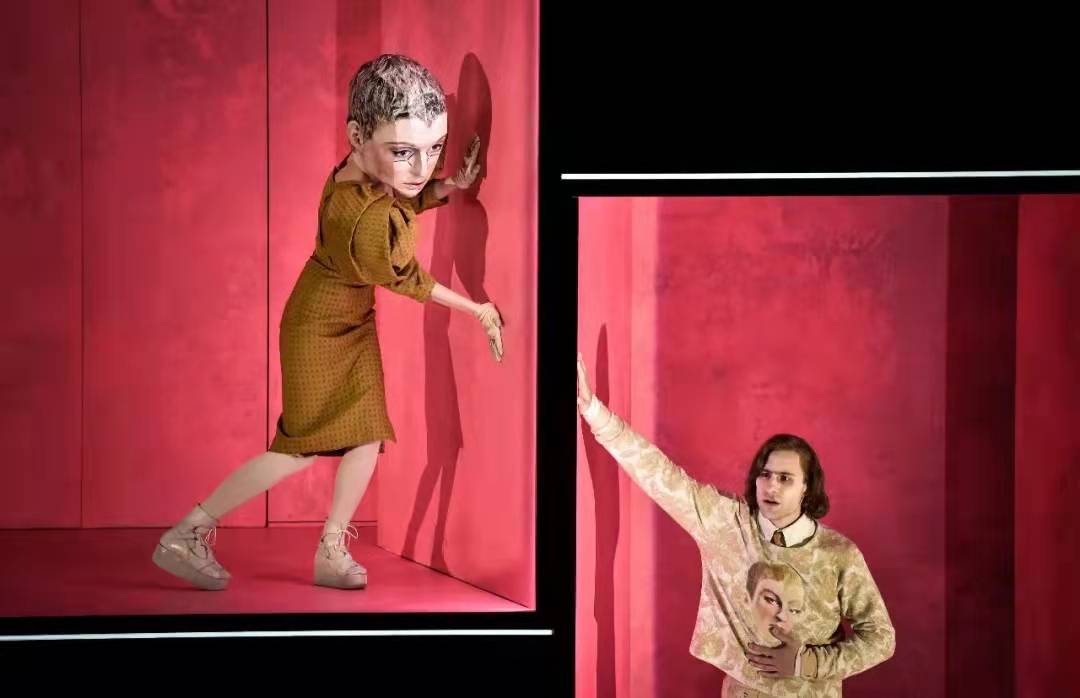
玛丽·斯图亚特 2016-2017 Almeida版 [演出] 豆瓣
所属 演出: 玛丽·斯图亚特
语言:
英语 english
剧院:
Almeida Theatre, London
导演:
Robert Icke
Mary Stuart is imprisoned in England - nominally for the murder of her husband Darnley, but actually due to her claim to the throne of England held by Queen Elizabeth I. While Mary's cousin, Elizabeth, hesitates over signing Mary's death sentence, Mary hopes for a reprieve.
After Mary finds out that Mortimer (created by Schiller), the nephew of her custodian, is on her side, she entrusts her life to him. Mortimer is supposed to give Robert Dudley, the Earl of Leicester a letter from Mary, in which she pleads for help. This is a delicate situation, for Leicester seems to support Queen Elizabeth.
After numerous requests, Mary finally gains the opportunity to meet Queen Elizabeth (something that, in reality, never happened). This meeting ends in an acrimonious argument, caused by Mary's unwillingness to submit entirely to Elizabeth's wish. The argument leads to the inevitable suspicion that the cause of reprieve will not succeed.
To complicate matters further, Mortimer plans to free Mary from the prison by force, a dramatized version of the unsuccessful Babington Plot, but when his attempt is found out he commits suicide.
Queen Elizabeth eventually persuades herself to sign Mary's death warrant. Elizabeth insists that her only reason for signing is the pressure from her own people to do so.
The signed warrant is handed to Queen Elizabeth's undersecretary Davison without any clear instructions on what to do with it. In the process, Elizabeth transfers the burden of responsibility to him, fully aware that he in turn will hand over the warrant to Lord Burleigh, and thus confirm Mary's death sentence.
Burleigh demands the signed document from Davison, who - despite his uncertainty - eventually hands it to him. As a result, Burleigh has Mary executed.
The play ends with Elizabeth blaming both Burleigh and Davison for Mary's death (banishing the former from court and having the latter imprisoned in the Tower), Lord Shrewsbury (who pleaded for mercy for Mary throughout the play) resigning his honors and Leicester leaving England for France. Elizabeth is left completely alone as the curtain falls.
After Mary finds out that Mortimer (created by Schiller), the nephew of her custodian, is on her side, she entrusts her life to him. Mortimer is supposed to give Robert Dudley, the Earl of Leicester a letter from Mary, in which she pleads for help. This is a delicate situation, for Leicester seems to support Queen Elizabeth.
After numerous requests, Mary finally gains the opportunity to meet Queen Elizabeth (something that, in reality, never happened). This meeting ends in an acrimonious argument, caused by Mary's unwillingness to submit entirely to Elizabeth's wish. The argument leads to the inevitable suspicion that the cause of reprieve will not succeed.
To complicate matters further, Mortimer plans to free Mary from the prison by force, a dramatized version of the unsuccessful Babington Plot, but when his attempt is found out he commits suicide.
Queen Elizabeth eventually persuades herself to sign Mary's death warrant. Elizabeth insists that her only reason for signing is the pressure from her own people to do so.
The signed warrant is handed to Queen Elizabeth's undersecretary Davison without any clear instructions on what to do with it. In the process, Elizabeth transfers the burden of responsibility to him, fully aware that he in turn will hand over the warrant to Lord Burleigh, and thus confirm Mary's death sentence.
Burleigh demands the signed document from Davison, who - despite his uncertainty - eventually hands it to him. As a result, Burleigh has Mary executed.
The play ends with Elizabeth blaming both Burleigh and Davison for Mary's death (banishing the former from court and having the latter imprisoned in the Tower), Lord Shrewsbury (who pleaded for mercy for Mary throughout the play) resigning his honors and Leicester leaving England for France. Elizabeth is left completely alone as the curtain falls.
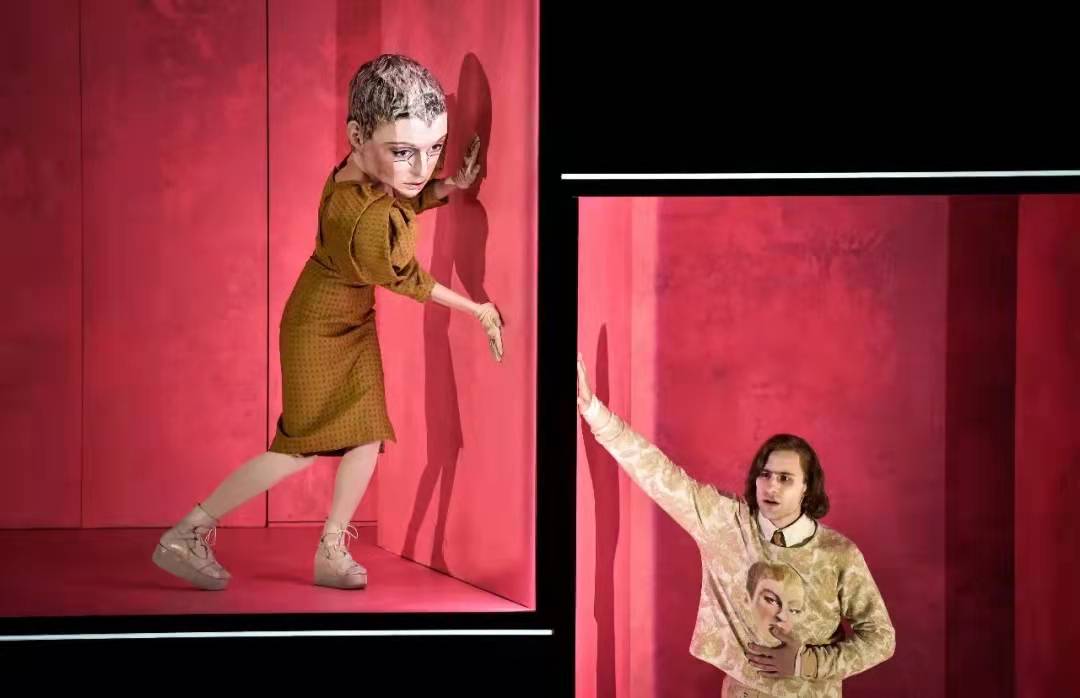
玛丽·斯图亚特 2018 Almeida West End版 [演出] 豆瓣
所属 演出: 玛丽·斯图亚特
语言:
英语 english
剧院:
Duke of York's Theatre, London
导演:
Robert Icke
Mary Stuart is imprisoned in England - nominally for the murder of her husband Darnley, but actually due to her claim to the throne of England held by Queen Elizabeth I. While Mary's cousin, Elizabeth, hesitates over signing Mary's death sentence, Mary hopes for a reprieve.
After Mary finds out that Mortimer (created by Schiller), the nephew of her custodian, is on her side, she entrusts her life to him. Mortimer is supposed to give Robert Dudley, the Earl of Leicester a letter from Mary, in which she pleads for help. This is a delicate situation, for Leicester seems to support Queen Elizabeth.
After numerous requests, Mary finally gains the opportunity to meet Queen Elizabeth (something that, in reality, never happened). This meeting ends in an acrimonious argument, caused by Mary's unwillingness to submit entirely to Elizabeth's wish. The argument leads to the inevitable suspicion that the cause of reprieve will not succeed.
To complicate matters further, Mortimer plans to free Mary from the prison by force, a dramatized version of the unsuccessful Babington Plot, but when his attempt is found out he commits suicide.
Queen Elizabeth eventually persuades herself to sign Mary's death warrant. Elizabeth insists that her only reason for signing is the pressure from her own people to do so.
The signed warrant is handed to Queen Elizabeth's undersecretary Davison without any clear instructions on what to do with it. In the process, Elizabeth transfers the burden of responsibility to him, fully aware that he in turn will hand over the warrant to Lord Burleigh, and thus confirm Mary's death sentence.
Burleigh demands the signed document from Davison, who - despite his uncertainty - eventually hands it to him. As a result, Burleigh has Mary executed.
The play ends with Elizabeth blaming both Burleigh and Davison for Mary's death (banishing the former from court and having the latter imprisoned in the Tower), Lord Shrewsbury (who pleaded for mercy for Mary throughout the play) resigning his honors and Leicester leaving England for France. Elizabeth is left completely alone as the curtain falls.
After Mary finds out that Mortimer (created by Schiller), the nephew of her custodian, is on her side, she entrusts her life to him. Mortimer is supposed to give Robert Dudley, the Earl of Leicester a letter from Mary, in which she pleads for help. This is a delicate situation, for Leicester seems to support Queen Elizabeth.
After numerous requests, Mary finally gains the opportunity to meet Queen Elizabeth (something that, in reality, never happened). This meeting ends in an acrimonious argument, caused by Mary's unwillingness to submit entirely to Elizabeth's wish. The argument leads to the inevitable suspicion that the cause of reprieve will not succeed.
To complicate matters further, Mortimer plans to free Mary from the prison by force, a dramatized version of the unsuccessful Babington Plot, but when his attempt is found out he commits suicide.
Queen Elizabeth eventually persuades herself to sign Mary's death warrant. Elizabeth insists that her only reason for signing is the pressure from her own people to do so.
The signed warrant is handed to Queen Elizabeth's undersecretary Davison without any clear instructions on what to do with it. In the process, Elizabeth transfers the burden of responsibility to him, fully aware that he in turn will hand over the warrant to Lord Burleigh, and thus confirm Mary's death sentence.
Burleigh demands the signed document from Davison, who - despite his uncertainty - eventually hands it to him. As a result, Burleigh has Mary executed.
The play ends with Elizabeth blaming both Burleigh and Davison for Mary's death (banishing the former from court and having the latter imprisoned in the Tower), Lord Shrewsbury (who pleaded for mercy for Mary throughout the play) resigning his honors and Leicester leaving England for France. Elizabeth is left completely alone as the curtain falls.


奥莉安娜 [演出] 豆瓣
Oleanna
类型:
Theater
编剧:
David Mamet 戴维·马梅特(美国)
/
戴维·马梅特
…
《奥莉安娜》是美国当代最有成就的作家和导演之一戴维·马梅特20世纪90年代重要的剧作,对其主题的解读应该建立在作者构建的语境基础之上,而不应只着眼于其表层意义。该剧揭示了后现代社会中人们交流的困境:一方面双方渴望理解,另一方面语言被误用和滥用,体现出男女争夺话语权的焦虑。同时,对美国现有的教育制度也进行了无情的抨击。
Act I
Carol, a female college student, is in the office of her professor, John. She expresses frustration that she does not understand the material in his class, despite having read the assigned books and attending his lectures. Of particular concern is a book written by John himself, wherein he questions the modern insistence that everyone participate in higher education, referring to it as "systematic hazing."
While talking with Carol, he is often interrupted by the phone ringing. John is about to be granted tenure, along with a handsome raise. Anticipating this, he is to about to close on a new house, but his wife repeatedly calls with last-minute issues, demanding that he meet her at the home as soon as possible.
After initially appearing insensitive, John eventually decides to help Carol, telling her that he "likes her" and that he also felt similar frustrations as a student. He takes the blame for her not understanding what he is talking about and agrees to give her an "A" if she'll return to his office several more times to discuss the material. At one heated point in the discussion he goes to put his hand on her shoulder to comfort her, but she violently shakes it off.
Finally, Carol has warmed to John and is on the verge of divulging a secret when the phone rings again and John's wife tells him that the realtor problems were all a scheme to get him back to the house for a surprise reception in his honor. He departs for home immediately.
Act II
Carol is back in John's office, but more poised than before. John's tenure is threatened because Carol has filed a formal complaint with the committee, accusing him of being sexist and pornographic. His hand on her shoulder is described as sexual harassment.
John hopes to resolve the matter privately with Carol so that the complaint may be withdrawn from the tenure committee. He tries to understand how his actions could have offended her so and attempts to convince her that he was only trying to help her without any ulterior motive.
Carol will not hear any of his pleas and gets ready to leave. As she does, John stands in front of the door and grabs hold of her. Carol screams for help.
Act III
John has been dismissed and is packing up his office. He has not been home, staying at a hotel for two days trying to work out in his head what has happened. He has asked Carol to speak to him once more and she has obliged.
Carol is even more forceful to name her instructor's flaws. She finds it hypocritical that a college professor could question the very system that offers him employment and gives him an academic platform to expound his views. She also makes references to "her group", which she is speaking for and which seems to be working to oust teachers like John.
In passing, John mentions that he has not been home recently. Carol reveals that if he had, he would have learned that her charges against him now amount to attempted rape. She then says she would be willing to drop her charges if John would agree to her group's list of books to be removed from the university, which includes his own.
With this, John decides to take a stand. He is willing to sacrifice his career to stand up to her assault on academic freedom. He angrily tells her to leave his office as his phone rings again. It is his wife, whom he calls "baby." Carol tells him not to refer his wife that way, causing John to snap. He savagely beats her and holds a chair above his head as she cowers on the floor. The play ends with Carol cryptically saying, "That's right."
Act I
Carol, a female college student, is in the office of her professor, John. She expresses frustration that she does not understand the material in his class, despite having read the assigned books and attending his lectures. Of particular concern is a book written by John himself, wherein he questions the modern insistence that everyone participate in higher education, referring to it as "systematic hazing."
While talking with Carol, he is often interrupted by the phone ringing. John is about to be granted tenure, along with a handsome raise. Anticipating this, he is to about to close on a new house, but his wife repeatedly calls with last-minute issues, demanding that he meet her at the home as soon as possible.
After initially appearing insensitive, John eventually decides to help Carol, telling her that he "likes her" and that he also felt similar frustrations as a student. He takes the blame for her not understanding what he is talking about and agrees to give her an "A" if she'll return to his office several more times to discuss the material. At one heated point in the discussion he goes to put his hand on her shoulder to comfort her, but she violently shakes it off.
Finally, Carol has warmed to John and is on the verge of divulging a secret when the phone rings again and John's wife tells him that the realtor problems were all a scheme to get him back to the house for a surprise reception in his honor. He departs for home immediately.
Act II
Carol is back in John's office, but more poised than before. John's tenure is threatened because Carol has filed a formal complaint with the committee, accusing him of being sexist and pornographic. His hand on her shoulder is described as sexual harassment.
John hopes to resolve the matter privately with Carol so that the complaint may be withdrawn from the tenure committee. He tries to understand how his actions could have offended her so and attempts to convince her that he was only trying to help her without any ulterior motive.
Carol will not hear any of his pleas and gets ready to leave. As she does, John stands in front of the door and grabs hold of her. Carol screams for help.
Act III
John has been dismissed and is packing up his office. He has not been home, staying at a hotel for two days trying to work out in his head what has happened. He has asked Carol to speak to him once more and she has obliged.
Carol is even more forceful to name her instructor's flaws. She finds it hypocritical that a college professor could question the very system that offers him employment and gives him an academic platform to expound his views. She also makes references to "her group", which she is speaking for and which seems to be working to oust teachers like John.
In passing, John mentions that he has not been home recently. Carol reveals that if he had, he would have learned that her charges against him now amount to attempted rape. She then says she would be willing to drop her charges if John would agree to her group's list of books to be removed from the university, which includes his own.
With this, John decides to take a stand. He is willing to sacrifice his career to stand up to her assault on academic freedom. He angrily tells her to leave his office as his phone rings again. It is his wife, whom he calls "baby." Carol tells him not to refer his wife that way, causing John to snap. He savagely beats her and holds a chair above his head as she cowers on the floor. The play ends with Carol cryptically saying, "That's right."

奥莉安娜 1993 London premiere版 [演出] 豆瓣
所属 演出: 奥莉安娜
导演:
Harold Pinter
《奥莉安娜》是美国当代最有成就的作家和导演之一戴维·马梅特20世纪90年代重要的剧作,对其主题的解读应该建立在作者构建的语境基础之上,而不应只着眼于其表层意义。该剧揭示了后现代社会中人们交流的困境:一方面双方渴望理解,另一方面语言被误用和滥用,体现出男女争夺话语权的焦虑。同时,对美国现有的教育制度也进行了无情的抨击。
Act I
Carol, a female college student, is in the office of her professor, John. She expresses frustration that she does not understand the material in his class, despite having read the assigned books and attending his lectures. Of particular concern is a book written by John himself, wherein he questions the modern insistence that everyone participate in higher education, referring to it as "systematic hazing."
While talking with Carol, he is often interrupted by the phone ringing. John is about to be granted tenure, along with a handsome raise. Anticipating this, he is to about to close on a new house, but his wife repeatedly calls with last-minute issues, demanding that he meet her at the home as soon as possible.
After initially appearing insensitive, John eventually decides to help Carol, telling her that he "likes her" and that he also felt similar frustrations as a student. He takes the blame for her not understanding what he is talking about and agrees to give her an "A" if she'll return to his office several more times to discuss the material. At one heated point in the discussion he goes to put his hand on her shoulder to comfort her, but she violently shakes it off.
Finally, Carol has warmed to John and is on the verge of divulging a secret when the phone rings again and John's wife tells him that the realtor problems were all a scheme to get him back to the house for a surprise reception in his honor. He departs for home immediately.
Act II
Carol is back in John's office, but more poised than before. John's tenure is threatened because Carol has filed a formal complaint with the committee, accusing him of being sexist and pornographic. His hand on her shoulder is described as sexual harassment.
John hopes to resolve the matter privately with Carol so that the complaint may be withdrawn from the tenure committee. He tries to understand how his actions could have offended her so and attempts to convince her that he was only trying to help her without any ulterior motive.
Carol will not hear any of his pleas and gets ready to leave. As she does, John stands in front of the door and grabs hold of her. Carol screams for help.
Act III
John has been dismissed and is packing up his office. He has not been home, staying at a hotel for two days trying to work out in his head what has happened. He has asked Carol to speak to him once more and she has obliged.
Carol is even more forceful to name her instructor's flaws. She finds it hypocritical that a college professor could question the very system that offers him employment and gives him an academic platform to expound his views. She also makes references to "her group", which she is speaking for and which seems to be working to oust teachers like John.
In passing, John mentions that he has not been home recently. Carol reveals that if he had, he would have learned that her charges against him now amount to attempted rape. She then says she would be willing to drop her charges if John would agree to her group's list of books to be removed from the university, which includes his own.
With this, John decides to take a stand. He is willing to sacrifice his career to stand up to her assault on academic freedom. He angrily tells her to leave his office as his phone rings again. It is his wife, whom he calls "baby." Carol tells him not to refer his wife that way, causing John to snap. He savagely beats her and holds a chair above his head as she cowers on the floor. The play ends with Carol cryptically saying, "That's right."
Act I
Carol, a female college student, is in the office of her professor, John. She expresses frustration that she does not understand the material in his class, despite having read the assigned books and attending his lectures. Of particular concern is a book written by John himself, wherein he questions the modern insistence that everyone participate in higher education, referring to it as "systematic hazing."
While talking with Carol, he is often interrupted by the phone ringing. John is about to be granted tenure, along with a handsome raise. Anticipating this, he is to about to close on a new house, but his wife repeatedly calls with last-minute issues, demanding that he meet her at the home as soon as possible.
After initially appearing insensitive, John eventually decides to help Carol, telling her that he "likes her" and that he also felt similar frustrations as a student. He takes the blame for her not understanding what he is talking about and agrees to give her an "A" if she'll return to his office several more times to discuss the material. At one heated point in the discussion he goes to put his hand on her shoulder to comfort her, but she violently shakes it off.
Finally, Carol has warmed to John and is on the verge of divulging a secret when the phone rings again and John's wife tells him that the realtor problems were all a scheme to get him back to the house for a surprise reception in his honor. He departs for home immediately.
Act II
Carol is back in John's office, but more poised than before. John's tenure is threatened because Carol has filed a formal complaint with the committee, accusing him of being sexist and pornographic. His hand on her shoulder is described as sexual harassment.
John hopes to resolve the matter privately with Carol so that the complaint may be withdrawn from the tenure committee. He tries to understand how his actions could have offended her so and attempts to convince her that he was only trying to help her without any ulterior motive.
Carol will not hear any of his pleas and gets ready to leave. As she does, John stands in front of the door and grabs hold of her. Carol screams for help.
Act III
John has been dismissed and is packing up his office. He has not been home, staying at a hotel for two days trying to work out in his head what has happened. He has asked Carol to speak to him once more and she has obliged.
Carol is even more forceful to name her instructor's flaws. She finds it hypocritical that a college professor could question the very system that offers him employment and gives him an academic platform to expound his views. She also makes references to "her group", which she is speaking for and which seems to be working to oust teachers like John.
In passing, John mentions that he has not been home recently. Carol reveals that if he had, he would have learned that her charges against him now amount to attempted rape. She then says she would be willing to drop her charges if John would agree to her group's list of books to be removed from the university, which includes his own.
With this, John decides to take a stand. He is willing to sacrifice his career to stand up to her assault on academic freedom. He angrily tells her to leave his office as his phone rings again. It is his wife, whom he calls "baby." Carol tells him not to refer his wife that way, causing John to snap. He savagely beats her and holds a chair above his head as she cowers on the floor. The play ends with Carol cryptically saying, "That's right."

天窗 [演出] 豆瓣
Skylight
其它标题:
Skylight
导演:
Richard Eyre
/
Stephen Daldry
…
演员:
Lia Williams
/
Daniel Betts
/
Michael Gambon
/
Carey Mulligan
/
Bill Nighy
East London school teacher Kyra Hollis is visited on the same night by son Edward and father Tom Sargeant. Kyra had been living with the Sargeant family years earlier, but left after her affair with Tom was discovered by Tom's wife, who has since died. Edward now accuses Kyra of having left him as well, as he saw her as a big sister; and he demands to know why she left his life.
Shortly thereafter, Tom, a wealthy restaurateur, with real life references to Terence Conran, appears unheralded and for no apparent reason. Kyra's less than glamorous lifestyle leads him to poke fun at her to the point of insult, accusing her of self-punishment. After Kyra cooks a spaghetti dinner (which the actress actually cooks on stage), the talk turns to their relationship, and it becomes clear that their chances to be rekindled rest on whether one of them can change their preconceived notions of the other.
Shortly thereafter, Tom, a wealthy restaurateur, with real life references to Terence Conran, appears unheralded and for no apparent reason. Kyra's less than glamorous lifestyle leads him to poke fun at her to the point of insult, accusing her of self-punishment. After Kyra cooks a spaghetti dinner (which the actress actually cooks on stage), the talk turns to their relationship, and it becomes clear that their chances to be rekindled rest on whether one of them can change their preconceived notions of the other.

天窗 版本1 [演出] 豆瓣
所属 演出: 天窗
East London school teacher Kyra Hollis is visited on the same night by son Edward and father Tom Sargeant. Kyra had been living with the Sargeant family years earlier, but left after her affair with Tom was discovered by Tom's wife, who has since died. Edward now accuses Kyra of having left him as well, as he saw her as a big sister; and he demands to know why she left his life.
Shortly thereafter, Tom, a wealthy restaurateur, with real life references to Terence Conran, appears unheralded and for no apparent reason. Kyra's less than glamorous lifestyle leads him to poke fun at her to the point of insult, accusing her of self-punishment. After Kyra cooks a spaghetti dinner (which the actress actually cooks on stage), the talk turns to their relationship, and it becomes clear that their chances to be rekindled rest on whether one of them can change their preconceived notions of the other.
Shortly thereafter, Tom, a wealthy restaurateur, with real life references to Terence Conran, appears unheralded and for no apparent reason. Kyra's less than glamorous lifestyle leads him to poke fun at her to the point of insult, accusing her of self-punishment. After Kyra cooks a spaghetti dinner (which the actress actually cooks on stage), the talk turns to their relationship, and it becomes clear that their chances to be rekindled rest on whether one of them can change their preconceived notions of the other.

Mr Bates vs The Post Office (2024) [剧集] TMDB 维基数据 IMDb
Mr Bates vs The Post Office
导演:
James Strong
演员:
Toby Jones
/
Julie Hesmondhalgh
…
其它标题:
贝茨先生大战邮局
/
英倫冤案:貝茨先生 vs 郵局
…
British television docudrama mini-series