
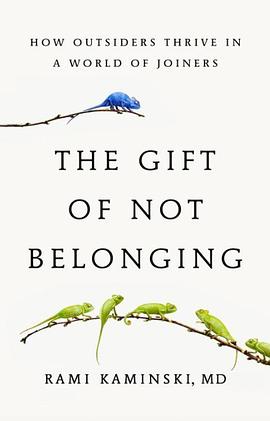
The Gift of Not Belonging [Book] Douban
局外人的天赋
author:
Rami Kaminski
publishing house:
Little Brown
2025
- 6
你小时候是不是从来不想参加课后俱乐部或夏令营?你讨厌派对,却喜欢和亲密的朋友一对一相处?你讨厌团队合作,却独自工作时却能迸发出创造力和专业素养?你很难融入集体吗?如果是这样,你很可能就是个内向型人格。
内向型人格并非天生的参与型人格。与内向型人格不同,他们既不害羞也不安静,一对一的社交也不容易疲倦。然而,在大型群体中,他们会感到不自在、疏离和孤独。
与那些被排斥或边缘化的人不同,内向型人格受到欢迎,而且通常很受欢迎。然而,他们从未感到真正融入其中。
在一个重视融入的文化中,许多内向型人格的一生都感到被误解。然而,精神病学家拉米·卡明斯基认为,与我们被教导的相反,归属感并非过上富足、有意义的生活的必要条件。恰恰相反。
当你对某个特定群体毫无兴趣时,你的自我价值感便不再取决于该群体的认可。你可以在个人关系中享受深厚的联结,而无需遵守群体的规则,也无需关心群体关心的事情。重要的是,除了为自己,你不知道其他任何思考和存在的方式。
《不属于的礼物》鼓励内向者拥抱他们独特的天赋,并为他们提供在社群世界中茁壮成长的知识和工具。
Were you the kid who never wanted to join after school clubs or go to sleepaway camp? Do you loathe parties but love spending time with close friends one-on-one? Are you allergic to teamwork but thrive creatively and professionally when working alone? Do you struggle to fit in? If so, you are likely an otrovert.
Otroverts are not natural born joiners. Unlike introverts, they are not shy or quiet, and do not quickly tire from one-on-one socializing. Yet in large groups they feel uncomfortable, alienated, and alone.
Unlike those who have been excluded or marginalized, otroverts are embraced and often quite popular. Yet they never feel like they truly belong.
In a culture that puts a premium on joining, many otroverts have gone through life feeling misunderstood. But, contrary to what we have been taught, argues psychiatrist Rami Kaminski, belonging is not a requirement for living a rich, rewarding life. Quite the opposite.
When you have no affinity for a particular group, your self-worth is not conditioned on the group’s approval. You can enjoy deep connection in individual relationships without the obligation to follow the rules the group follows, or care about what the group cares about. Best of all, you know of no other way to think or be, other than for yourself.
The Gift of Not Belonging urges otroverts to embrace their unique gifts, and equips them with the knowledge and tools to thrive in a communal world.
内向型人格并非天生的参与型人格。与内向型人格不同,他们既不害羞也不安静,一对一的社交也不容易疲倦。然而,在大型群体中,他们会感到不自在、疏离和孤独。
与那些被排斥或边缘化的人不同,内向型人格受到欢迎,而且通常很受欢迎。然而,他们从未感到真正融入其中。
在一个重视融入的文化中,许多内向型人格的一生都感到被误解。然而,精神病学家拉米·卡明斯基认为,与我们被教导的相反,归属感并非过上富足、有意义的生活的必要条件。恰恰相反。
当你对某个特定群体毫无兴趣时,你的自我价值感便不再取决于该群体的认可。你可以在个人关系中享受深厚的联结,而无需遵守群体的规则,也无需关心群体关心的事情。重要的是,除了为自己,你不知道其他任何思考和存在的方式。
《不属于的礼物》鼓励内向者拥抱他们独特的天赋,并为他们提供在社群世界中茁壮成长的知识和工具。
Were you the kid who never wanted to join after school clubs or go to sleepaway camp? Do you loathe parties but love spending time with close friends one-on-one? Are you allergic to teamwork but thrive creatively and professionally when working alone? Do you struggle to fit in? If so, you are likely an otrovert.
Otroverts are not natural born joiners. Unlike introverts, they are not shy or quiet, and do not quickly tire from one-on-one socializing. Yet in large groups they feel uncomfortable, alienated, and alone.
Unlike those who have been excluded or marginalized, otroverts are embraced and often quite popular. Yet they never feel like they truly belong.
In a culture that puts a premium on joining, many otroverts have gone through life feeling misunderstood. But, contrary to what we have been taught, argues psychiatrist Rami Kaminski, belonging is not a requirement for living a rich, rewarding life. Quite the opposite.
When you have no affinity for a particular group, your self-worth is not conditioned on the group’s approval. You can enjoy deep connection in individual relationships without the obligation to follow the rules the group follows, or care about what the group cares about. Best of all, you know of no other way to think or be, other than for yourself.
The Gift of Not Belonging urges otroverts to embrace their unique gifts, and equips them with the knowledge and tools to thrive in a communal world.