The Clean Body
豆瓣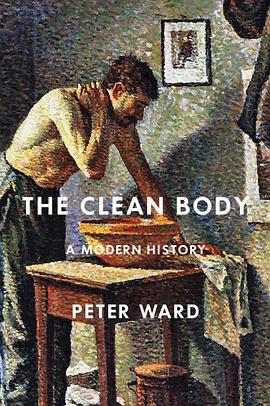
A Modern History
简介
How often did our ancestors bathe? How often did they wash their clothes and change them? What did they understand cleanliness to be? Why have our hygienic habits changed so dramatically over time? In short, how have we come to be so clean? The Clean Body explores one of the most fundamental and pervasive cultural changes in Western history since the seventeenth century: the personal hygiene revolution. In the age of Louis XIV bathing was rare and hygiene was mainly a matter of wearing clean underclothes. By the late twentieth century frequent - often daily - bathing had become the norm and wearing freshly laundered clothing the general practice. Cleanliness, once simply a requirement for good health, became an essential element of beauty. Beneath this transformation lay a sea change in understandings, motives, ideologies, technologies, and practices, all of which shaped popular habits over time. Peter Ward explains that what began as an urban bourgeois phenomenon in the later eighteenth century became a universal condition by the end of the twentieth, touching young and old, rich and poor, city dwellers and country residents alike. Based on a wealth of sources in English, French, German, and Italian, The Clean Body surveys the great hygienic transformation that took place across Europe and North America over the course of four centuries.
目录
Preface: Beginnings
Introduction: Contexts
PART ONE | CLEANLINESS AS TRADITION
1 Before the Deluge
PART TWO | CLEANLINESS AS HABIT
2 Public Places, Private Spaces
3 Clothes and Their Cleaning
4 The Soap Trade and the New Hygiene
5 The Educators
PART THREE | CLEANLINESS AS COMMODITY
6 Bathrooms and Bathing
7 The Laundry Revolution
8 Cleanliness and the Beauty Business
Conclusion: Making the Modern Clean Body
Acknowledgments
Appendix
Notes
Index