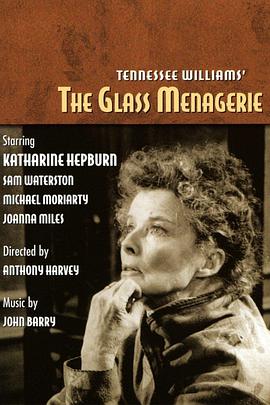
托马斯·拉尼尔·威廉斯 — 编剧 (34)
玻璃动物园 (1973) [电影] 豆瓣
The Glass Menagerie
导演: 安东尼·哈维 演员: 凯瑟琳·赫本 / 萨姆·沃特森
其它标题: The Glass Menagerie
在美国的圣路易斯,汤姆·温菲尔德和母亲阿曼达及姐姐劳拉住在无人管理、破旧不堪的公寓里。懦弱的劳拉是个跛子,由于行动不便而没有工作,她喜欢收集一些玻璃做成的小动物摆在家里;母亲平时靠给顾客打电话征订杂志赚点钱,因此生活的重担都压在汤姆的肩上。懂事的汤姆勤奋地工作,他想成为一个作家,但时值经济大萧条时期,日子过得格外的艰难。母亲对劳拉的婚事寄托了很大的希望,但女儿却连男朋友都没有。一天,在汤姆的邀请下,他的同事吉姆到他家吃晚饭。见到吉姆,劳拉大吃了一惊,并表现得十分紧张:原来他们是中学同学,那时吉姆是单纯的劳拉心中的偶像。母亲想撮合吉姆和劳拉,遗憾的是吉姆已有了女朋友,最后,他温柔地向劳拉告别;虽然汤姆热爱着姐姐,但他还是决定离开。他告别了空荡荡的家,但却始终无法忘却姐姐那闪烁着微光的玻璃动物园。
热铁皮屋顶上的猫 [演出] 豆瓣
Cat on a Hot Tin Roof
类型: Theater 编剧: Tennessee Williams
其它标题: Cat on a Hot Tin Roof / 朱门巧妇 / 热锡屋顶上的猫 导演: Rob Ashford / Debbie Allen 演员: Scarlett Johansson / Ciarán Hinds / Debra Monk / Benjamin Walker / Anika Noni Rose


出身贫寒的南部地主身患重病不久于世,他的两个性格相反的儿子布雷克和古柏带着各自的妻子参加他六十五岁的生日聚会。古柏是一位律师并管理大笔产业;弟弟布雷克却因为自己误会老友致使他自杀身亡,并怪其妻与挚友有染,不与其同房,成为大嫂的笑柄并无法接管产业。其实布雷克也不想继承产业,因为他觉得世上一切都很虚伪,但经过贤妻玛姬的激励以及伯父的开导,他才开始了解生活的意义,因而全家最终各得其所。

热铁皮屋顶上的猫 2012年版 [演出] 豆瓣
所属 演出: 热铁皮屋顶上的猫
剧院: Richard Rodgers Theatre 导演: Rob Ashford
其它标题: 2012年版 编剧: Tennessee Williams 演员: Scarlett Johansson / Ciarán Hinds


出身贫寒的南部地主身患重病不久于世,他的两个性格相反的儿子布雷克和古柏带着各自的妻子参加他六十五岁的生日聚会。古柏是一位律师并管理大笔产业;弟弟布雷克却因为自己误会老友致使他自杀身亡,并怪其妻与挚友有染,不与其同房,成为大嫂的笑柄并无法接管产业。其实布雷克也不想继承产业,因为他觉得世上一切都很虚伪,但经过贤妻玛姬的激励以及伯父的开导,他才开始了解生活的意义,因而全家最终各得其所。

热铁皮屋顶上的猫 2008年版 [演出] 豆瓣
所属 演出: 热铁皮屋顶上的猫
剧院: Broadhurst Theatre 导演: Debbie Allen
其它标题: 2008年版 编剧: Tennessee Williams 演员: Anika Noni Rose / James Earl Jones


出身贫寒的南部地主身患重病不久于世,他的两个性格相反的儿子布雷克和古柏带着各自的妻子参加他六十五岁的生日聚会。古柏是一位律师并管理大笔产业;弟弟布雷克却因为自己误会老友致使他自杀身亡,并怪其妻与挚友有染,不与其同房,成为大嫂的笑柄并无法接管产业。其实布雷克也不想继承产业,因为他觉得世上一切都很虚伪,但经过贤妻玛姬的激励以及伯父的开导,他才开始了解生活的意义,因而全家最终各得其所。

热铁皮屋顶上的猫 2003年版 [演出] 豆瓣
所属 演出: 热铁皮屋顶上的猫
剧院: Music Box Theatre 导演: Anthony Page
其它标题: 2003年版 编剧: Tennessee Williams 演员: Ashley Judd / Ned Beatty


出身贫寒的南部地主身患重病不久于世,他的两个性格相反的儿子布雷克和古柏带着各自的妻子参加他六十五岁的生日聚会。古柏是一位律师并管理大笔产业;弟弟布雷克却因为自己误会老友致使他自杀身亡,并怪其妻与挚友有染,不与其同房,成为大嫂的笑柄并无法接管产业。其实布雷克也不想继承产业,因为他觉得世上一切都很虚伪,但经过贤妻玛姬的激励以及伯父的开导,他才开始了解生活的意义,因而全家最终各得其所。

热铁皮屋顶上的猫 1990年版 [演出] 豆瓣
所属 演出: 热铁皮屋顶上的猫
剧院: Eugene O'Neill Theatre 导演: Howard Davies
其它标题: 1990年版 编剧: Tennessee Williams 演员: Kathleen Turner / Charles Durning


出身贫寒的南部地主身患重病不久于世,他的两个性格相反的儿子布雷克和古柏带着各自的妻子参加他六十五岁的生日聚会。古柏是一位律师并管理大笔产业;弟弟布雷克却因为自己误会老友致使他自杀身亡,并怪其妻与挚友有染,不与其同房,成为大嫂的笑柄并无法接管产业。其实布雷克也不想继承产业,因为他觉得世上一切都很虚伪,但经过贤妻玛姬的激励以及伯父的开导,他才开始了解生活的意义,因而全家最终各得其所。

热铁皮屋顶上的猫 1974年版 [演出] 豆瓣
所属 演出: 热铁皮屋顶上的猫
剧院: ANTA Playhouse 导演: Michael Kahn
其它标题: 1974年版 编剧: Tennessee Williams 演员: Elizabeth Ashley / Fred Gwynne


出身贫寒的南部地主身患重病不久于世,他的两个性格相反的儿子布雷克和古柏带着各自的妻子参加他六十五岁的生日聚会。古柏是一位律师并管理大笔产业;弟弟布雷克却因为自己误会老友致使他自杀身亡,并怪其妻与挚友有染,不与其同房,成为大嫂的笑柄并无法接管产业。其实布雷克也不想继承产业,因为他觉得世上一切都很虚伪,但经过贤妻玛姬的激励以及伯父的开导,他才开始了解生活的意义,因而全家最终各得其所。

热铁皮屋顶上的猫 1955年版 [演出] 豆瓣
所属 演出: 热铁皮屋顶上的猫
剧院: Morosco Theatre 导演: 未知
其它标题: 1955年版 编剧: Tennessee Williams 演员: Barbara Bel Geddes / Burl Ives


出身贫寒的南部地主身患重病不久于世,他的两个性格相反的儿子布雷克和古柏带着各自的妻子参加他六十五岁的生日聚会。古柏是一位律师并管理大笔产业;弟弟布雷克却因为自己误会老友致使他自杀身亡,并怪其妻与挚友有染,不与其同房,成为大嫂的笑柄并无法接管产业。其实布雷克也不想继承产业,因为他觉得世上一切都很虚伪,但经过贤妻玛姬的激励以及伯父的开导,他才开始了解生活的意义,因而全家最终各得其所。

热铁皮屋顶上的猫 版本7 [演出] 豆瓣
所属 演出: 热铁皮屋顶上的猫
语言: 英语 english 剧团: Young Vic 剧院: Apollo Theatre 导演: Benedict Andrews
其它标题: 版本7 编剧: Tennessee Williams 演员: Sienna Miller / Jack O'Connell


出身贫寒的南部地主身患重病不久于世,他的两个性格相反的儿子布雷克和古柏带着各自的妻子参加他六十五岁的生日聚会。古柏是一位律师并管理大笔产业;弟弟布雷克却因为自己误会老友致使他自杀身亡,并怪其妻与挚友有染,不与其同房,成为大嫂的笑柄并无法接管产业。其实布雷克也不想继承产业,因为他觉得世上一切都很虚伪,但经过贤妻玛姬的激励以及伯父的开导,他才开始了解生活的意义,因而全家最终各得其所。

热铁皮屋顶上的猫 2007年奥斯特玛雅版 [演出] 豆瓣
所属 演出: 热铁皮屋顶上的猫
语言: 德语 german 剧院: 德国柏林邵宾那剧院 导演: 托马斯·奥斯特玛雅
其它标题: 2007年奥斯特玛雅版 编剧: Tennessee Williams


出身贫寒的南部地主身患重病不久于世,他的两个性格相反的儿子布雷克和古柏带着各自的妻子参加他六十五岁的生日聚会。古柏是一位律师并管理大笔产业;弟弟布雷克却因为自己误会老友致使他自杀身亡,并怪其妻与挚友有染,不与其同房,成为大嫂的笑柄并无法接管产业。其实布雷克也不想继承产业,因为他觉得世上一切都很虚伪,但经过贤妻玛姬的激励以及伯父的开导,他才开始了解生活的意义,因而全家最终各得其所。

欲望号街车 [演出] 豆瓣
A Streetcar Named Desire
8.0 (8 个评分) 类型: Theater 编剧: Tennessee Williams / 田纳西•威廉斯(Tennessee Williams)
其它标题: A Streetcar Named Desire 导演: Herbert Machiz / 未知 演员: Rosemary Harris / James Farentino / Patricia Conolly / Alec Baldwin / Jessica Lange
Blanche DuBois is a fading, but still-attractive, Southern belle whose pretensions to virtue and culture only thinly mask alcoholism and delusions of grandeur. Her poise is an illusion she presents to shield others (but most of all, herself) from her reality, and an attempt to make herself still attractive to new male suitors. Blanche arrives at the apartment of her sister Stella Kowalski in the Faubourg Marigny neighborhood of New Orleans, on Elysian Fields Avenue; the local transportation that she takes to arrive there includes a streetcar route named "Desire." The steamy, urban ambiance is a shock to Blanche's nerves. Stella, who fears the reaction of her husband Stanley, welcomes Blanche with some trepidation. As Blanche explains that their ancestral Southern plantation, Belle Reve in Laurel, Mississippi, has been "lost" due to the "epic fornications" of their ancestors, her veneer of self-possession begins to slip drastically. Blanche tells Stella that her supervisor allowed her to take time off from her job as an English teacher because of her upset nerves, when in fact, she has been fired for having an affair with a 17-year-old student. This turns out not to be the only seduction in which she has engaged, and, along with other problems, has led her to escape Laurel. A brief marriage marred by the discovery that her husband, Allan Grey, was having a homosexual affair and his subsequent suicide has led Blanche to withdraw into a world in which fantasies and illusions blend seamlessly with reality.
In contrast to both the self-effacing and deferential Stella and the pretentious refinement of Blanche, Stella's husband, Stanley Kowalski, is a force of nature: primal, rough-hewn, brutish, and sensual. He dominates Stella in every way and is physically and emotionally abusive.[1] Stella tolerates his primal behavior as this is part of what attracted her in the first place; their love and relationship are heavily based on powerful—even animal-like—sexual chemistry, something that Blanche finds impossible to understand.
The arrival of Blanche upsets her sister and brother-in-law's system of mutual dependence. Stella's concern for her sister's well-being emboldens Blanche to hold court in the Kowalski apartment, infuriating Stanley and leading to conflict in his relationship with his wife. Blanche and Stanley are on a collision course, and Stanley's friend and Blanche's would-be suitor, Harold "Mitch" Mitchell,gets trampled in their path. Stanley discovers Blanche's past through a co-worker who travels to Laurel frequently, and he confronts her with the things that she has been trying to put behind her, partly out of concern that her character flaws may be damaging to the lives of those in her new home, just as they were in Laurel, and partly out of a distaste for her pretense in general. However, his attempts to "unmask" her are predictably cruel and violent. In their final confrontation, it is implied that Stanley rapes Blanche, resulting in her nervous breakdown. Stanley has her committed to a mental institution, and in the closing moments, Blanche utters her signature line to the kindly doctor who leads her away: "Whoever you are, I have always depended on the kindness of strangers."
The reference to the streetcar named Desire—providing the aura of New Orleans geography—is symbolic. Blanche not only has to travel on a streetcar route named "Desire" to reach Stella's home on "Elysian Fields" but her desire acts as an irrepressible force throughout the play—she can only hang on as her desires lead her.
The character of Blanche is thought to be based on Williams' sister Rose Williams who struggled with her mental health and became incapacitated after a lobotomy.
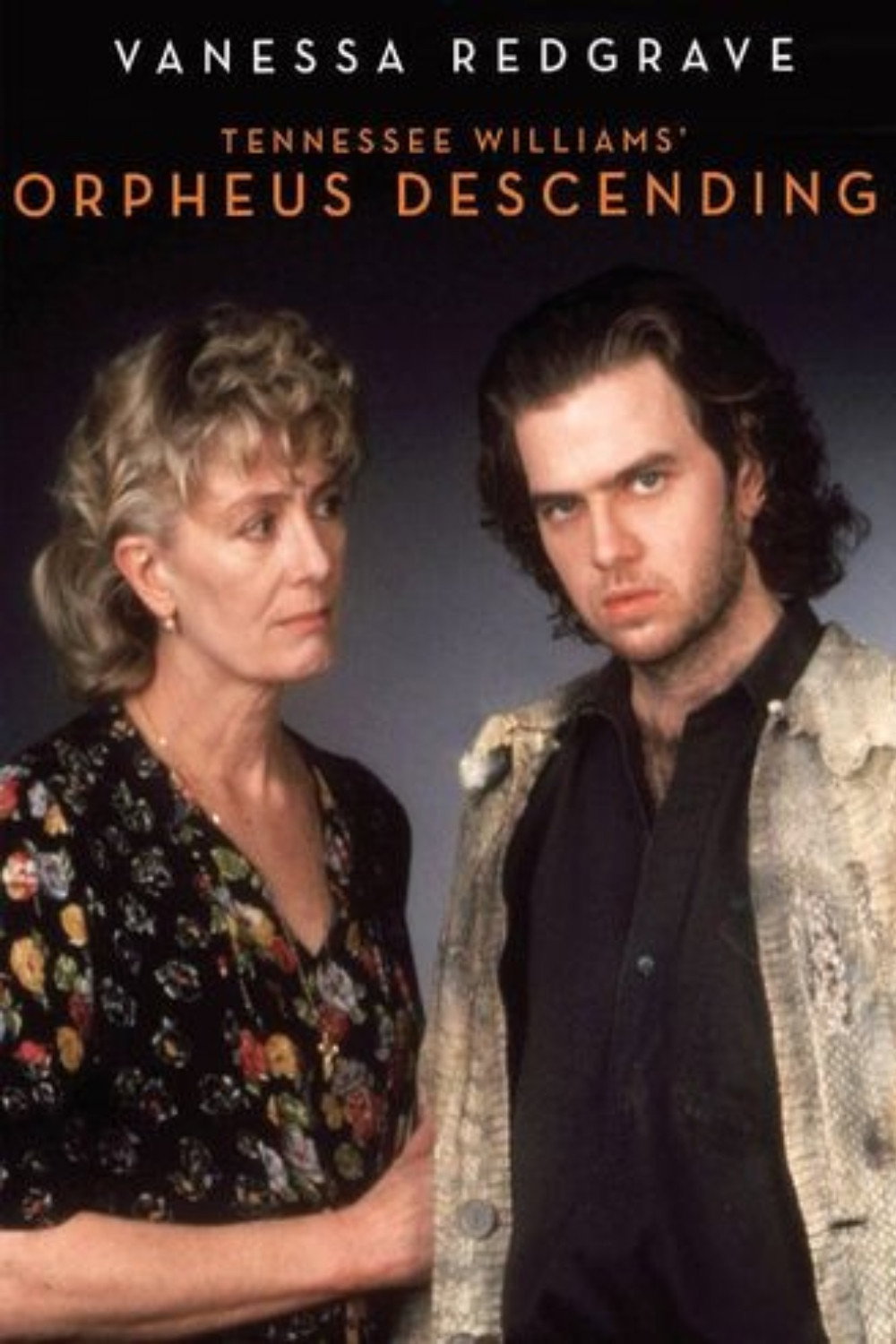
欲望号街车 1956年版 [演出] 豆瓣
所属 演出: 欲望号街车
剧院: Coconut Grove Playhouse 导演: Herbert Machiz
其它标题: 1956年版 编剧: Tennessee Williams
Blanche DuBois is a fading, but still-attractive, Southern belle whose pretensions to virtue and culture only thinly mask alcoholism and delusions of grandeur. Her poise is an illusion she presents to shield others (but most of all, herself) from her reality, and an attempt to make herself still attractive to new male suitors. Blanche arrives at the apartment of her sister Stella Kowalski in the Faubourg Marigny neighborhood of New Orleans, on Elysian Fields Avenue; the local transportation that she takes to arrive there includes a streetcar route named "Desire." The steamy, urban ambiance is a shock to Blanche's nerves. Stella, who fears the reaction of her husband Stanley, welcomes Blanche with some trepidation. As Blanche explains that their ancestral Southern plantation, Belle Reve in Laurel, Mississippi, has been "lost" due to the "epic fornications" of their ancestors, her veneer of self-possession begins to slip drastically. Blanche tells Stella that her supervisor allowed her to take time off from her job as an English teacher because of her upset nerves, when in fact, she has been fired for having an affair with a 17-year-old student. This turns out not to be the only seduction in which she has engaged, and, along with other problems, has led her to escape Laurel. A brief marriage marred by the discovery that her husband, Allan Grey, was having a homosexual affair and his subsequent suicide has led Blanche to withdraw into a world in which fantasies and illusions blend seamlessly with reality.
In contrast to both the self-effacing and deferential Stella and the pretentious refinement of Blanche, Stella's husband, Stanley Kowalski, is a force of nature: primal, rough-hewn, brutish, and sensual. He dominates Stella in every way and is physically and emotionally abusive.[1] Stella tolerates his primal behavior as this is part of what attracted her in the first place; their love and relationship are heavily based on powerful—even animal-like—sexual chemistry, something that Blanche finds impossible to understand.
The arrival of Blanche upsets her sister and brother-in-law's system of mutual dependence. Stella's concern for her sister's well-being emboldens Blanche to hold court in the Kowalski apartment, infuriating Stanley and leading to conflict in his relationship with his wife. Blanche and Stanley are on a collision course, and Stanley's friend and Blanche's would-be suitor, Harold "Mitch" Mitchell,gets trampled in their path. Stanley discovers Blanche's past through a co-worker who travels to Laurel frequently, and he confronts her with the things that she has been trying to put behind her, partly out of concern that her character flaws may be damaging to the lives of those in her new home, just as they were in Laurel, and partly out of a distaste for her pretense in general. However, his attempts to "unmask" her are predictably cruel and violent. In their final confrontation, it is implied that Stanley rapes Blanche, resulting in her nervous breakdown. Stanley has her committed to a mental institution, and in the closing moments, Blanche utters her signature line to the kindly doctor who leads her away: "Whoever you are, I have always depended on the kindness of strangers."
The reference to the streetcar named Desire—providing the aura of New Orleans geography—is symbolic. Blanche not only has to travel on a streetcar route named "Desire" to reach Stella's home on "Elysian Fields" but her desire acts as an irrepressible force throughout the play—she can only hang on as her desires lead her.
The character of Blanche is thought to be based on Williams' sister Rose Williams who struggled with her mental health and became incapacitated after a lobotomy.

欲望号街车 1973年版 [演出] 豆瓣
所属 演出: 欲望号街车
剧院: Vivian Beaumont Theatre 导演: 未知
其它标题: 1973年版 编剧: Tennessee Williams 演员: Rosemary Harris / James Farentino
Blanche DuBois is a fading, but still-attractive, Southern belle whose pretensions to virtue and culture only thinly mask alcoholism and delusions of grandeur. Her poise is an illusion she presents to shield others (but most of all, herself) from her reality, and an attempt to make herself still attractive to new male suitors. Blanche arrives at the apartment of her sister Stella Kowalski in the Faubourg Marigny neighborhood of New Orleans, on Elysian Fields Avenue; the local transportation that she takes to arrive there includes a streetcar route named "Desire." The steamy, urban ambiance is a shock to Blanche's nerves. Stella, who fears the reaction of her husband Stanley, welcomes Blanche with some trepidation. As Blanche explains that their ancestral Southern plantation, Belle Reve in Laurel, Mississippi, has been "lost" due to the "epic fornications" of their ancestors, her veneer of self-possession begins to slip drastically. Blanche tells Stella that her supervisor allowed her to take time off from her job as an English teacher because of her upset nerves, when in fact, she has been fired for having an affair with a 17-year-old student. This turns out not to be the only seduction in which she has engaged, and, along with other problems, has led her to escape Laurel. A brief marriage marred by the discovery that her husband, Allan Grey, was having a homosexual affair and his subsequent suicide has led Blanche to withdraw into a world in which fantasies and illusions blend seamlessly with reality.
In contrast to both the self-effacing and deferential Stella and the pretentious refinement of Blanche, Stella's husband, Stanley Kowalski, is a force of nature: primal, rough-hewn, brutish, and sensual. He dominates Stella in every way and is physically and emotionally abusive.[1] Stella tolerates his primal behavior as this is part of what attracted her in the first place; their love and relationship are heavily based on powerful—even animal-like—sexual chemistry, something that Blanche finds impossible to understand.
The arrival of Blanche upsets her sister and brother-in-law's system of mutual dependence. Stella's concern for her sister's well-being emboldens Blanche to hold court in the Kowalski apartment, infuriating Stanley and leading to conflict in his relationship with his wife. Blanche and Stanley are on a collision course, and Stanley's friend and Blanche's would-be suitor, Harold "Mitch" Mitchell,gets trampled in their path. Stanley discovers Blanche's past through a co-worker who travels to Laurel frequently, and he confronts her with the things that she has been trying to put behind her, partly out of concern that her character flaws may be damaging to the lives of those in her new home, just as they were in Laurel, and partly out of a distaste for her pretense in general. However, his attempts to "unmask" her are predictably cruel and violent. In their final confrontation, it is implied that Stanley rapes Blanche, resulting in her nervous breakdown. Stanley has her committed to a mental institution, and in the closing moments, Blanche utters her signature line to the kindly doctor who leads her away: "Whoever you are, I have always depended on the kindness of strangers."
The reference to the streetcar named Desire—providing the aura of New Orleans geography—is symbolic. Blanche not only has to travel on a streetcar route named "Desire" to reach Stella's home on "Elysian Fields" but her desire acts as an irrepressible force throughout the play—she can only hang on as her desires lead her.
The character of Blanche is thought to be based on Williams' sister Rose Williams who struggled with her mental health and became incapacitated after a lobotomy.
欲望号街车 1992年版 [演出] 豆瓣
所属 演出: 欲望号街车
剧院: Ethel Barrymore Theatre 导演: 未知
其它标题: 1992年版 编剧: Tennessee Williams 演员: Alec Baldwin / Jessica Lange
Blanche DuBois is a fading, but still-attractive, Southern belle whose pretensions to virtue and culture only thinly mask alcoholism and delusions of grandeur. Her poise is an illusion she presents to shield others (but most of all, herself) from her reality, and an attempt to make herself still attractive to new male suitors. Blanche arrives at the apartment of her sister Stella Kowalski in the Faubourg Marigny neighborhood of New Orleans, on Elysian Fields Avenue; the local transportation that she takes to arrive there includes a streetcar route named "Desire." The steamy, urban ambiance is a shock to Blanche's nerves. Stella, who fears the reaction of her husband Stanley, welcomes Blanche with some trepidation. As Blanche explains that their ancestral Southern plantation, Belle Reve in Laurel, Mississippi, has been "lost" due to the "epic fornications" of their ancestors, her veneer of self-possession begins to slip drastically. Blanche tells Stella that her supervisor allowed her to take time off from her job as an English teacher because of her upset nerves, when in fact, she has been fired for having an affair with a 17-year-old student. This turns out not to be the only seduction in which she has engaged, and, along with other problems, has led her to escape Laurel. A brief marriage marred by the discovery that her husband, Allan Grey, was having a homosexual affair and his subsequent suicide has led Blanche to withdraw into a world in which fantasies and illusions blend seamlessly with reality.
In contrast to both the self-effacing and deferential Stella and the pretentious refinement of Blanche, Stella's husband, Stanley Kowalski, is a force of nature: primal, rough-hewn, brutish, and sensual. He dominates Stella in every way and is physically and emotionally abusive.[1] Stella tolerates his primal behavior as this is part of what attracted her in the first place; their love and relationship are heavily based on powerful—even animal-like—sexual chemistry, something that Blanche finds impossible to understand.
The arrival of Blanche upsets her sister and brother-in-law's system of mutual dependence. Stella's concern for her sister's well-being emboldens Blanche to hold court in the Kowalski apartment, infuriating Stanley and leading to conflict in his relationship with his wife. Blanche and Stanley are on a collision course, and Stanley's friend and Blanche's would-be suitor, Harold "Mitch" Mitchell,gets trampled in their path. Stanley discovers Blanche's past through a co-worker who travels to Laurel frequently, and he confronts her with the things that she has been trying to put behind her, partly out of concern that her character flaws may be damaging to the lives of those in her new home, just as they were in Laurel, and partly out of a distaste for her pretense in general. However, his attempts to "unmask" her are predictably cruel and violent. In their final confrontation, it is implied that Stanley rapes Blanche, resulting in her nervous breakdown. Stanley has her committed to a mental institution, and in the closing moments, Blanche utters her signature line to the kindly doctor who leads her away: "Whoever you are, I have always depended on the kindness of strangers."
The reference to the streetcar named Desire—providing the aura of New Orleans geography—is symbolic. Blanche not only has to travel on a streetcar route named "Desire" to reach Stella's home on "Elysian Fields" but her desire acts as an irrepressible force throughout the play—she can only hang on as her desires lead her.
The character of Blanche is thought to be based on Williams' sister Rose Williams who struggled with her mental health and became incapacitated after a lobotomy.

欲望号街车 2005年版 [演出] 豆瓣
所属 演出: 欲望号街车
导演: Edward Hall
其它标题: 2005年版 编剧: Tennessee Williams 演员: John C. Reilly / Amy Ryan
Blanche DuBois is a fading, but still-attractive, Southern belle whose pretensions to virtue and culture only thinly mask alcoholism and delusions of grandeur. Her poise is an illusion she presents to shield others (but most of all, herself) from her reality, and an attempt to make herself still attractive to new male suitors. Blanche arrives at the apartment of her sister Stella Kowalski in the Faubourg Marigny neighborhood of New Orleans, on Elysian Fields Avenue; the local transportation that she takes to arrive there includes a streetcar route named "Desire." The steamy, urban ambiance is a shock to Blanche's nerves. Stella, who fears the reaction of her husband Stanley, welcomes Blanche with some trepidation. As Blanche explains that their ancestral Southern plantation, Belle Reve in Laurel, Mississippi, has been "lost" due to the "epic fornications" of their ancestors, her veneer of self-possession begins to slip drastically. Blanche tells Stella that her supervisor allowed her to take time off from her job as an English teacher because of her upset nerves, when in fact, she has been fired for having an affair with a 17-year-old student. This turns out not to be the only seduction in which she has engaged, and, along with other problems, has led her to escape Laurel. A brief marriage marred by the discovery that her husband, Allan Grey, was having a homosexual affair and his subsequent suicide has led Blanche to withdraw into a world in which fantasies and illusions blend seamlessly with reality.
In contrast to both the self-effacing and deferential Stella and the pretentious refinement of Blanche, Stella's husband, Stanley Kowalski, is a force of nature: primal, rough-hewn, brutish, and sensual. He dominates Stella in every way and is physically and emotionally abusive.[1] Stella tolerates his primal behavior as this is part of what attracted her in the first place; their love and relationship are heavily based on powerful—even animal-like—sexual chemistry, something that Blanche finds impossible to understand.
The arrival of Blanche upsets her sister and brother-in-law's system of mutual dependence. Stella's concern for her sister's well-being emboldens Blanche to hold court in the Kowalski apartment, infuriating Stanley and leading to conflict in his relationship with his wife. Blanche and Stanley are on a collision course, and Stanley's friend and Blanche's would-be suitor, Harold "Mitch" Mitchell,gets trampled in their path. Stanley discovers Blanche's past through a co-worker who travels to Laurel frequently, and he confronts her with the things that she has been trying to put behind her, partly out of concern that her character flaws may be damaging to the lives of those in her new home, just as they were in Laurel, and partly out of a distaste for her pretense in general. However, his attempts to "unmask" her are predictably cruel and violent. In their final confrontation, it is implied that Stanley rapes Blanche, resulting in her nervous breakdown. Stanley has her committed to a mental institution, and in the closing moments, Blanche utters her signature line to the kindly doctor who leads her away: "Whoever you are, I have always depended on the kindness of strangers."
The reference to the streetcar named Desire—providing the aura of New Orleans geography—is symbolic. Blanche not only has to travel on a streetcar route named "Desire" to reach Stella's home on "Elysian Fields" but her desire acts as an irrepressible force throughout the play—she can only hang on as her desires lead her.
The character of Blanche is thought to be based on Williams' sister Rose Williams who struggled with her mental health and became incapacitated after a lobotomy.

欲望号街车 2009年版 [演出] 豆瓣
所属 演出: 欲望号街车
导演: Steven McCasland
其它标题: 2009年版 编剧: Tennessee Williams 演员: Lisa Lamothe / Stephon O'Neal Pettway
Blanche DuBois is a fading, but still-attractive, Southern belle whose pretensions to virtue and culture only thinly mask alcoholism and delusions of grandeur. Her poise is an illusion she presents to shield others (but most of all, herself) from her reality, and an attempt to make herself still attractive to new male suitors. Blanche arrives at the apartment of her sister Stella Kowalski in the Faubourg Marigny neighborhood of New Orleans, on Elysian Fields Avenue; the local transportation that she takes to arrive there includes a streetcar route named "Desire." The steamy, urban ambiance is a shock to Blanche's nerves. Stella, who fears the reaction of her husband Stanley, welcomes Blanche with some trepidation. As Blanche explains that their ancestral Southern plantation, Belle Reve in Laurel, Mississippi, has been "lost" due to the "epic fornications" of their ancestors, her veneer of self-possession begins to slip drastically. Blanche tells Stella that her supervisor allowed her to take time off from her job as an English teacher because of her upset nerves, when in fact, she has been fired for having an affair with a 17-year-old student. This turns out not to be the only seduction in which she has engaged, and, along with other problems, has led her to escape Laurel. A brief marriage marred by the discovery that her husband, Allan Grey, was having a homosexual affair and his subsequent suicide has led Blanche to withdraw into a world in which fantasies and illusions blend seamlessly with reality.
In contrast to both the self-effacing and deferential Stella and the pretentious refinement of Blanche, Stella's husband, Stanley Kowalski, is a force of nature: primal, rough-hewn, brutish, and sensual. He dominates Stella in every way and is physically and emotionally abusive.[1] Stella tolerates his primal behavior as this is part of what attracted her in the first place; their love and relationship are heavily based on powerful—even animal-like—sexual chemistry, something that Blanche finds impossible to understand.
The arrival of Blanche upsets her sister and brother-in-law's system of mutual dependence. Stella's concern for her sister's well-being emboldens Blanche to hold court in the Kowalski apartment, infuriating Stanley and leading to conflict in his relationship with his wife. Blanche and Stanley are on a collision course, and Stanley's friend and Blanche's would-be suitor, Harold "Mitch" Mitchell,gets trampled in their path. Stanley discovers Blanche's past through a co-worker who travels to Laurel frequently, and he confronts her with the things that she has been trying to put behind her, partly out of concern that her character flaws may be damaging to the lives of those in her new home, just as they were in Laurel, and partly out of a distaste for her pretense in general. However, his attempts to "unmask" her are predictably cruel and violent. In their final confrontation, it is implied that Stanley rapes Blanche, resulting in her nervous breakdown. Stanley has her committed to a mental institution, and in the closing moments, Blanche utters her signature line to the kindly doctor who leads her away: "Whoever you are, I have always depended on the kindness of strangers."
The reference to the streetcar named Desire—providing the aura of New Orleans geography—is symbolic. Blanche not only has to travel on a streetcar route named "Desire" to reach Stella's home on "Elysian Fields" but her desire acts as an irrepressible force throughout the play—she can only hang on as her desires lead her.
The character of Blanche is thought to be based on Williams' sister Rose Williams who struggled with her mental health and became incapacitated after a lobotomy.

欲望号街车 2014年Young Vic版 [演出] 豆瓣
所属 演出: 欲望号街车
剧院: Young Vic 导演: Benedict Andrews
其它标题: 2014年Young Vic版 编剧: Tennessee Williams 演员: Gillian Anderson / Ben Foster
Blanche DuBois is a fading, but still-attractive, Southern belle whose pretensions to virtue and culture only thinly mask alcoholism and delusions of grandeur. Her poise is an illusion she presents to shield others (but most of all, herself) from her reality, and an attempt to make herself still attractive to new male suitors. Blanche arrives at the apartment of her sister Stella Kowalski in the Faubourg Marigny neighborhood of New Orleans, on Elysian Fields Avenue; the local transportation that she takes to arrive there includes a streetcar route named "Desire." The steamy, urban ambiance is a shock to Blanche's nerves. Stella, who fears the reaction of her husband Stanley, welcomes Blanche with some trepidation. As Blanche explains that their ancestral Southern plantation, Belle Reve in Laurel, Mississippi, has been "lost" due to the "epic fornications" of their ancestors, her veneer of self-possession begins to slip drastically. Blanche tells Stella that her supervisor allowed her to take time off from her job as an English teacher because of her upset nerves, when in fact, she has been fired for having an affair with a 17-year-old student. This turns out not to be the only seduction in which she has engaged, and, along with other problems, has led her to escape Laurel. A brief marriage marred by the discovery that her husband, Allan Grey, was having a homosexual affair and his subsequent suicide has led Blanche to withdraw into a world in which fantasies and illusions blend seamlessly with reality.
In contrast to both the self-effacing and deferential Stella and the pretentious refinement of Blanche, Stella's husband, Stanley Kowalski, is a force of nature: primal, rough-hewn, brutish, and sensual. He dominates Stella in every way and is physically and emotionally abusive.[1] Stella tolerates his primal behavior as this is part of what attracted her in the first place; their love and relationship are heavily based on powerful—even animal-like—sexual chemistry, something that Blanche finds impossible to understand.
The arrival of Blanche upsets her sister and brother-in-law's system of mutual dependence. Stella's concern for her sister's well-being emboldens Blanche to hold court in the Kowalski apartment, infuriating Stanley and leading to conflict in his relationship with his wife. Blanche and Stanley are on a collision course, and Stanley's friend and Blanche's would-be suitor, Harold "Mitch" Mitchell,gets trampled in their path. Stanley discovers Blanche's past through a co-worker who travels to Laurel frequently, and he confronts her with the things that she has been trying to put behind her, partly out of concern that her character flaws may be damaging to the lives of those in her new home, just as they were in Laurel, and partly out of a distaste for her pretense in general. However, his attempts to "unmask" her are predictably cruel and violent. In their final confrontation, it is implied that Stanley rapes Blanche, resulting in her nervous breakdown. Stanley has her committed to a mental institution, and in the closing moments, Blanche utters her signature line to the kindly doctor who leads her away: "Whoever you are, I have always depended on the kindness of strangers."
The reference to the streetcar named Desire—providing the aura of New Orleans geography—is symbolic. Blanche not only has to travel on a streetcar route named "Desire" to reach Stella's home on "Elysian Fields" but her desire acts as an irrepressible force throughout the play—she can only hang on as her desires lead her.
The character of Blanche is thought to be based on Williams' sister Rose Williams who struggled with her mental health and became incapacitated after a lobotomy.
欲望号街车 1947 Original Broadway production版 [演出] 豆瓣
所属 演出: 欲望号街车
剧院: Ethel Barrymore Theatre 导演: Elia Kazan
其它标题: 1947 Original Broadway production版 编剧: Tennessee Williams 演员: Jessica Tandy / Marlon Brando
Blanche DuBois is a fading, but still-attractive, Southern belle whose pretensions to virtue and culture only thinly mask alcoholism and delusions of grandeur. Her poise is an illusion she presents to shield others (but most of all, herself) from her reality, and an attempt to make herself still attractive to new male suitors. Blanche arrives at the apartment of her sister Stella Kowalski in the Faubourg Marigny neighborhood of New Orleans, on Elysian Fields Avenue; the local transportation that she takes to arrive there includes a streetcar route named "Desire." The steamy, urban ambiance is a shock to Blanche's nerves. Stella, who fears the reaction of her husband Stanley, welcomes Blanche with some trepidation. As Blanche explains that their ancestral Southern plantation, Belle Reve in Laurel, Mississippi, has been "lost" due to the "epic fornications" of their ancestors, her veneer of self-possession begins to slip drastically. Blanche tells Stella that her supervisor allowed her to take time off from her job as an English teacher because of her upset nerves, when in fact, she has been fired for having an affair with a 17-year-old student. This turns out not to be the only seduction in which she has engaged, and, along with other problems, has led her to escape Laurel. A brief marriage marred by the discovery that her husband, Allan Grey, was having a homosexual affair and his subsequent suicide has led Blanche to withdraw into a world in which fantasies and illusions blend seamlessly with reality.
In contrast to both the self-effacing and deferential Stella and the pretentious refinement of Blanche, Stella's husband, Stanley Kowalski, is a force of nature: primal, rough-hewn, brutish, and sensual. He dominates Stella in every way and is physically and emotionally abusive.[1] Stella tolerates his primal behavior as this is part of what attracted her in the first place; their love and relationship are heavily based on powerful—even animal-like—sexual chemistry, something that Blanche finds impossible to understand.
The arrival of Blanche upsets her sister and brother-in-law's system of mutual dependence. Stella's concern for her sister's well-being emboldens Blanche to hold court in the Kowalski apartment, infuriating Stanley and leading to conflict in his relationship with his wife. Blanche and Stanley are on a collision course, and Stanley's friend and Blanche's would-be suitor, Harold "Mitch" Mitchell,gets trampled in their path. Stanley discovers Blanche's past through a co-worker who travels to Laurel frequently, and he confronts her with the things that she has been trying to put behind her, partly out of concern that her character flaws may be damaging to the lives of those in her new home, just as they were in Laurel, and partly out of a distaste for her pretense in general. However, his attempts to "unmask" her are predictably cruel and violent. In their final confrontation, it is implied that Stanley rapes Blanche, resulting in her nervous breakdown. Stanley has her committed to a mental institution, and in the closing moments, Blanche utters her signature line to the kindly doctor who leads her away: "Whoever you are, I have always depended on the kindness of strangers."
The reference to the streetcar named Desire—providing the aura of New Orleans geography—is symbolic. Blanche not only has to travel on a streetcar route named "Desire" to reach Stella's home on "Elysian Fields" but her desire acts as an irrepressible force throughout the play—she can only hang on as her desires lead her.
The character of Blanche is thought to be based on Williams' sister Rose Williams who struggled with her mental health and became incapacitated after a lobotomy.

欲望号街车 Everyman Theatre 25th Anniversary版 [演出] 豆瓣
所属 演出: 欲望号街车
导演: Derek Goldman
其它标题: Everyman Theatre 25th Anniversary版 编剧: Tennessee Williams 演员: Danny Gavigan / Megan Anderson
Blanche DuBois is a fading, but still-attractive, Southern belle whose pretensions to virtue and culture only thinly mask alcoholism and delusions of grandeur. Her poise is an illusion she presents to shield others (but most of all, herself) from her reality, and an attempt to make herself still attractive to new male suitors. Blanche arrives at the apartment of her sister Stella Kowalski in the Faubourg Marigny neighborhood of New Orleans, on Elysian Fields Avenue; the local transportation that she takes to arrive there includes a streetcar route named "Desire." The steamy, urban ambiance is a shock to Blanche's nerves. Stella, who fears the reaction of her husband Stanley, welcomes Blanche with some trepidation. As Blanche explains that their ancestral Southern plantation, Belle Reve in Laurel, Mississippi, has been "lost" due to the "epic fornications" of their ancestors, her veneer of self-possession begins to slip drastically. Blanche tells Stella that her supervisor allowed her to take time off from her job as an English teacher because of her upset nerves, when in fact, she has been fired for having an affair with a 17-year-old student. This turns out not to be the only seduction in which she has engaged, and, along with other problems, has led her to escape Laurel. A brief marriage marred by the discovery that her husband, Allan Grey, was having a homosexual affair and his subsequent suicide has led Blanche to withdraw into a world in which fantasies and illusions blend seamlessly with reality.
In contrast to both the self-effacing and deferential Stella and the pretentious refinement of Blanche, Stella's husband, Stanley Kowalski, is a force of nature: primal, rough-hewn, brutish, and sensual. He dominates Stella in every way and is physically and emotionally abusive.[1] Stella tolerates his primal behavior as this is part of what attracted her in the first place; their love and relationship are heavily based on powerful—even animal-like—sexual chemistry, something that Blanche finds impossible to understand.
The arrival of Blanche upsets her sister and brother-in-law's system of mutual dependence. Stella's concern for her sister's well-being emboldens Blanche to hold court in the Kowalski apartment, infuriating Stanley and leading to conflict in his relationship with his wife. Blanche and Stanley are on a collision course, and Stanley's friend and Blanche's would-be suitor, Harold "Mitch" Mitchell,gets trampled in their path. Stanley discovers Blanche's past through a co-worker who travels to Laurel frequently, and he confronts her with the things that she has been trying to put behind her, partly out of concern that her character flaws may be damaging to the lives of those in her new home, just as they were in Laurel, and partly out of a distaste for her pretense in general. However, his attempts to "unmask" her are predictably cruel and violent. In their final confrontation, it is implied that Stanley rapes Blanche, resulting in her nervous breakdown. Stanley has her committed to a mental institution, and in the closing moments, Blanche utters her signature line to the kindly doctor who leads her away: "Whoever you are, I have always depended on the kindness of strangers."
The reference to the streetcar named Desire—providing the aura of New Orleans geography—is symbolic. Blanche not only has to travel on a streetcar route named "Desire" to reach Stella's home on "Elysian Fields" but her desire acts as an irrepressible force throughout the play—she can only hang on as her desires lead her.
The character of Blanche is thought to be based on Williams' sister Rose Williams who struggled with her mental health and became incapacitated after a lobotomy.

欲望号街车 版本10 [演出] 豆瓣
所属 演出: 欲望号街车
语言: 俄语 剧团: 圣彼得堡米罗诺夫剧院 剧院: 圣彼得堡米罗诺夫剧院 导演: Vlad Furman
其它标题: 版本10 编剧: Tennessee Williams
Blanche DuBois is a fading, but still-attractive, Southern belle whose pretensions to virtue and culture only thinly mask alcoholism and delusions of grandeur. Her poise is an illusion she presents to shield others (but most of all, herself) from her reality, and an attempt to make herself still attractive to new male suitors. Blanche arrives at the apartment of her sister Stella Kowalski in the Faubourg Marigny neighborhood of New Orleans, on Elysian Fields Avenue; the local transportation that she takes to arrive there includes a streetcar route named "Desire." The steamy, urban ambiance is a shock to Blanche's nerves. Stella, who fears the reaction of her husband Stanley, welcomes Blanche with some trepidation. As Blanche explains that their ancestral Southern plantation, Belle Reve in Laurel, Mississippi, has been "lost" due to the "epic fornications" of their ancestors, her veneer of self-possession begins to slip drastically. Blanche tells Stella that her supervisor allowed her to take time off from her job as an English teacher because of her upset nerves, when in fact, she has been fired for having an affair with a 17-year-old student. This turns out not to be the only seduction in which she has engaged, and, along with other problems, has led her to escape Laurel. A brief marriage marred by the discovery that her husband, Allan Grey, was having a homosexual affair and his subsequent suicide has led Blanche to withdraw into a world in which fantasies and illusions blend seamlessly with reality.
In contrast to both the self-effacing and deferential Stella and the pretentious refinement of Blanche, Stella's husband, Stanley Kowalski, is a force of nature: primal, rough-hewn, brutish, and sensual. He dominates Stella in every way and is physically and emotionally abusive.[1] Stella tolerates his primal behavior as this is part of what attracted her in the first place; their love and relationship are heavily based on powerful—even animal-like—sexual chemistry, something that Blanche finds impossible to understand.
The arrival of Blanche upsets her sister and brother-in-law's system of mutual dependence. Stella's concern for her sister's well-being emboldens Blanche to hold court in the Kowalski apartment, infuriating Stanley and leading to conflict in his relationship with his wife. Blanche and Stanley are on a collision course, and Stanley's friend and Blanche's would-be suitor, Harold "Mitch" Mitchell,gets trampled in their path. Stanley discovers Blanche's past through a co-worker who travels to Laurel frequently, and he confronts her with the things that she has been trying to put behind her, partly out of concern that her character flaws may be damaging to the lives of those in her new home, just as they were in Laurel, and partly out of a distaste for her pretense in general. However, his attempts to "unmask" her are predictably cruel and violent. In their final confrontation, it is implied that Stanley rapes Blanche, resulting in her nervous breakdown. Stanley has her committed to a mental institution, and in the closing moments, Blanche utters her signature line to the kindly doctor who leads her away: "Whoever you are, I have always depended on the kindness of strangers."
The reference to the streetcar named Desire—providing the aura of New Orleans geography—is symbolic. Blanche not only has to travel on a streetcar route named "Desire" to reach Stella's home on "Elysian Fields" but her desire acts as an irrepressible force throughout the play—she can only hang on as her desires lead her.
The character of Blanche is thought to be based on Williams' sister Rose Williams who struggled with her mental health and became incapacitated after a lobotomy.