Guoguang Wu — 作者 (4)
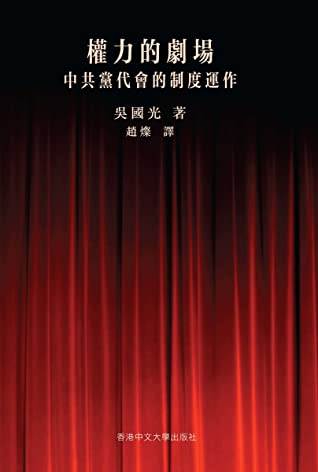
權力的劇場:中共黨代會的制度運作 [图书] 博客來
作者: Guoguang Wu / 吳國光 译者: 趙燦 出版社: 香港中文大學出版社 2018 - 8
全國代表大會是中國共產黨名義上的最高權力機構,負責制定黨的路線和確定全黨的領導人。本書細緻描述了中共黨代會的運作方式,深入分析了對於中共政治而言,黨代會上受到操控的會議、討論和選舉因何意義重大;揭示了威權政體須借用正式機構內的動員儀式和程序化運作以尋求政權的合法化。本書既是比較政治學界的理論創新,亦是理解當代中國政治現狀的重要書目。
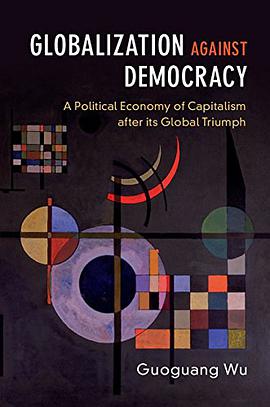
Globalization against Democracy [图书] 豆瓣
作者: Guoguang Wu 出版社: Cambridge University Press 2017 - 4
Globalization has reconfigured both the external institutional framework and the intrinsic operating mechanisms of capitalism. The global triumph of capitalism implies the embracing of the market by the state in all its variants, and that global capitalism is not confined to the shell of nation-state democracy. Guoguang Wu provides a theoretical framework of global capitalism for specialists in political economy, political science, economics and international relations, for graduate and undergraduate courses on globalization, capitalism, development and democracy, as well as for the public who are interested in globalization. Wu examines the new institutional features of global capitalism and how they reframe movements of capital, labor and consumption. He explores how globalization has created a chain of connection in which capital depends on effective authoritarianism, while democracy depends on capital. Ultimately, he argues that the emerging state-market nexus has fundamentally shaken the existing institutional systems, harming democracy in the process.
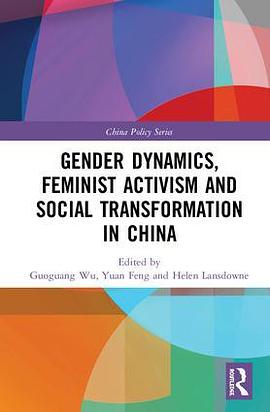
Gender Dynamics, Feminist Activism and Social Transformation in China [图书] 豆瓣 Goodreads
作者: Guoguang Wu / Yuan Feng 出版社: Routledge 2018 - 11
This book explores the extent to which women have been initiators, mobilizers, and driving forces of social transformation in China. The book considers how conceptions of women’s roles have changed as China has moved from state socialism to engagement with capitalist globalization, examines the growth of women’s gender and sexual consciousness and social movements for women’s rights, including for marginalized social and sex/gender grouops, and discusses women’s roles in society-state interactions, including many forms of social activism, cultural events, educational innovations, and more. Overall, the book demonstrates that women have not simply been passive receivers of the consequences of the forces of global capitalism, but that they have had a profound, active impact on social transformation in China.