Pete Walker — 作者 (8)
第一本复杂性创伤后压力症候群自我疗愈圣经 [图书] 豆瓣 谷歌图书 谷歌图书
Complex PTSD: From Surviving to Thriving: A Guide and Map for Recovering from Childhood Trauma
8.2 (9 个评分) 作者: Pete Walker 译者: 陈思含 出版社: 柿子文化 2020 - 2
内容简介
★★★这是第一本针对複杂性创伤后压力症候群如何进行自我疗癒的书★★★
创伤如何被製造?创伤如何来分解?
当所有的情绪、关係问题都沉重地压到自己身上时,
该如何让一颗受伤的心获得真正的自由?
?
这本书要特别给—
有过不快乐的童年、与父母关係欠佳、
人际关係经常不良、反覆出现亲密关係困难、
或长期以来人生观黑暗的你!
★美国亚马逊网路书店CPTSD相关议题畅销Top1
★亚马逊网路书店读者4.8颗星好评支持
★全面性的分类与说解,直接点破会轻易忽略的心理创伤
★提供有效可行的恐惧与压力减轻方案
★世界卫生组织于2019年首度将CPTSD纳入了疾病分类标准中
★理论教科书之外,值得细细研读、反覆内省的第二本教科书等级的书
你以为自己的不够好、不被爱、没价值、不安全、不被倾听,
就是医师所诊断的忧鬱症、成瘾者、焦虑失眠患者……
但其实,根源是来自你童年所受的伤害:虐待、贬抑、忽视、责打辱骂、没有爱……
以致你的「情绪调节」出了问题,让你——
拥有一颗易破碎的玻璃心、常为了别人的一句话而丧失信心、
觉得事情没有自己来就很容易失败、总觉得朋友都不是真心待己、
成为别人眼中的暴躁公主、情绪王子……
◎不搞错病症,对症**才有效
複杂性创伤后压力症候群(CPTSD)很容易被误解为一般的创伤后压力症候群,甚至被误诊为边缘性人格障碍、自恋型人格障碍、焦虑症、忧鬱症、解离性障碍,以致採用不当疗癒方法措施,造成治标不治本,或是误诊误治的状况。
本书是第一本针对複杂性创伤后压力症候群如何进行自我疗癒的书,作者在书中多次强调多元取向的**方式(非单一性的**方式),才是对CPTSD 有效的疗法。同时,也以精闢详细的说解,让读者得以正确地了解并确认複杂性创伤后压力症候群,而非其他的常见错误标籤,进一步来帮助当事人更正确地了解自己,并且摆脱种种错误标籤和无效**的自卑感或挫折感。
◎或许你忘了来自童年的伤
複杂性创伤后压力症候群(CPTSD)是后天因素所造成,多数是在虐待或忽略的家庭中成长,遭受长期创伤经验所致,而这创伤经验,可以发生在语言、情绪、心灵或身体的层面。
孩子因为试图努力与人亲近或得到接纳,但最后却徒劳无功,所以只能在被遗弃所带来的绝望中受苦。而一些父母更会透过体罚与轻蔑,来加深遗弃性的创伤。
父母的拒绝,放大了孩子的恐惧,再镀上一层羞耻感,而随著时间的进展,就演变成有毒的内在找碴鬼(恶性的自我批判),直到孩子长大后,都还在承担著父母的抛弃,最终变成自己最糟糕的敌人,落入了CPTSD的深渊。
有太多的人因为忽略了这样的创伤或情绪,造成了莫名的人际关係障碍、情感关係不协调……
「我为了自己所说所做的每件事而感到怀疑、羞耻,并因此感到痛苦。」
「我知道我对自己很严苛,但是如果我不时常督促自己,我会比现在更失败。」
「人生烂透了,而我甚至更烂!我甚至连挑母亲节卡片这麽简单的事都做不到。」
「看看我,没有什麽吓得了我,我这麽放鬆,连在椅子上都坐不直了。」
「你以为我会被那虚假的微笑给骗走吗?」
「我真是个失败者!我什麽都做不好!你一定对我很厌烦了。」
「我觉得好像要死了,我的背痛大概是肿瘤吧?我这个月瘦了将近一公斤,我就知道我有癌症!我真希望我赶快死了算了。」
◎来自自身有深度创伤的资深心理**师建言
本书作者是美国资深心理**师,也曾有严重的複杂性创伤后压力症候群(CPTSD),但在这本书裡,他以充满慈悲和同理心的角度,完整地协助读者理解複杂性创伤后压力症候群的种种複杂层面,尤其是情绪面的恶性循环与死胡同。
这样完整性、系统性的理解,使得倖存者(从创伤中复原者)能够更看清自己的状况、突破盲点,也能更有动机、採用更好的角度来帮助自己。
在同类型的书籍中,被推崇是複杂性创伤后压力症候群倖存者的疗癒圣经,更在创伤倖存者社群中受到了极高的评价与推荐,同时也是被心理助人工作者所採用的宝贵工具。
◎你受伤了吗?——5个常见的创伤症候
1.情绪重现(emotional flashbacks)。症状是突发的,而且常有一段时间的退化现象,排山 海地感受到童年受虐或受遗弃时的感觉,包括压倒性的恐惧、羞耻、孤立、暴怒、哀恸或忧鬱。
2.毒性羞耻(toxic shame)。倖存者压倒性地觉得自己丑陋、愚蠢、令人厌恶或烂得要命,于是消灭了受创者的自尊。毒性羞耻也可能来自于父母持续的忽略和拒绝。
3.自我抛弃(self-abandonment)。这是指严重失去了健康的自我意识。
4.恶性的内在批判(vicious inner critic,或称内在找碴鬼)。自我羞辱和责备,感觉自己不够好。
5.社交焦虑(social anxiety)。对社交非常不自在,变得不愿向他人寻求支持,并且不得不把「靠自己」当作求生的策略。
◎明白你受伤的心——4种创伤类型
童年虐待或遗弃的模式、出生排行、基因等差异,会导致受创的孩子偏向4F求生策略中的其中一种(或合併两种以上),而小时候之所以会这麽做,是为了预防、逃离或改善更多的创伤。
「战」(fight)类型会发展出一种像是自恋性的防卫反应,突然用有攻击性的反应去对待威胁。
「逃」(flight)类型会发展出一种类似强迫症的防卫反应,如逃跑,或象徵式地过度活跃。
「僵」(freeze)类型会发展出一种像是解离的防卫反映,如放弃、麻木、进入解离或崩溃,像是接受注定会受伤一样的反应。
「讨好」(fawn)类型则会发展出类似关係依赖的防卫反应,用取悦或提供帮助的方式,企图缓和或阻止对方。
◎13个实用步骤,帮你管理情绪重现
1.对自己说:「我正在经历情绪重现。」
2.提醒自己:「我感到害怕,但我没有危险!我现在很安全。」
3.承认自己有界线的权利和需求。
4.安慰鼓励地对内在小孩说话。
5.破解永恆的想法。
6.提醒自己现在是处于成人的身体中。
7.重回你的身体。
8.抗拒内在找碴鬼的夸大和灾难化。
9.允许自己哀悼。
10.培养安全的关係和寻求支持。
11.学习辨识会引起情绪重现的诱发因子。
12.搞清楚情绪重现的经历是什麽。
13.对缓慢的复原过程要有耐心。
Complex PTSD [图书] 豆瓣 谷歌图书
9.0 (6 个评分) 作者: Pete Walker 出版社: CreateSpace Independent Publishing Platform 2013
The causes of Complex Post-Traumatic Stress Disorder range from severe neglect to monstrous abuse. Many survivors grow up in houses that are not homes-- in families that are as loveless as orphanages and sometimes as dangerous. If you felt unwanted, unliked, rejected, hated and/or despised for a lengthy portion of your childhood, trauma may be deeply ingrained in your mind, soul and body. This book is a practical, user-friendly self-help guide to recovering from the lingering effects of childhood trauma, and to achieving a rich and fulfilling life
Complex PTSD: From Surviving to Thriving [图书] Goodreads
作者: Pete Walker 出版社: Azure Coyote Publishing 2013 - 12
I have Complex PTSD [Cptsd] and wrote this book from the perspective of someone who has experienced a great reduction of symptoms over the years. I also wrote it from the viewpoint of someone who has discovered many silver linings in the long, windy, bumpy road of recovering from Cptsd.
I felt encouraged to write this book because of thousands of e-mail responses to the articles on my website that repeatedly expressed gratitude for the helpfulness of my work. An often echoed comment sounded like this: At last someone gets it. I can see now that I am not bad, defective or crazy…or alone!
The causes of Cptsd range from severe neglect to monstrous abuse. Many survivors grow up in houses that are not homes – in families that are as loveless as orphanages and sometimes as dangerous.
If you felt unwanted, unliked, rejected, hated and/or despised for a lengthy portion of your childhood, trauma may be deeply engrained in your mind, soul and body.
This book is a practical, user-friendly self-help guide to recovering from the lingering effects of childhood trauma, and to achieving a rich and fulfilling life. It is copiously illustrated with examples of my own and my clients’ journeys of recovering. This book is also for those who do not have Cptsd but want to understand and help a loved one who does.
This book also contains an overview of the tasks of recovering and a great many practical tools and techniques for recovering from childhood trauma. It extensively elaborates on all the recovery concepts explained on my website, and many more. However, unlike the articles on my website, it is oriented toward the layperson. As such, much of the psychological jargon and dense concentration of concepts in the website articles has been replaced with expanded and easier to follow explanations. Moreover, many principles that were only sketched out in the articles are explained in much greater detail. A great deal of new material is also explored.
Key concepts of the book include managing emotional flashbacks, understanding the four different types of trauma survivors, differentiating the outer critic from the inner critic, healing the abandonment depression that come from emotional abandonment and self-abandonment, self-reparenting and reparenting by committee, and deconstructing the hierarchy of self-injuring responses that childhood trauma forces survivors to adopt.
The book also functions as a map to help you understand the somewhat linear progression of recovery, to help you identify what you have already accomplished, and to help you figure out what is best to work on and prioritize now. This in turn also serves to help you identify the signs of your recovery and to develop reasonable expectations about the rate of your recovery.
I hope this map will guide you to heal in a way that helps you to become an unflinching source of kindness and self-compassion for yourself, and that out of that journey you will find at least one other human being who will reciprocally love you well enough in that way.

The Tao of Fully Feeling: Harvesting Forgiveness Out of Blame [图书] Goodreads
作者: Pete Walker 出版社: Azure Coyote Pub 1995 - 1
This book is a handbook for increasing your emotional intelligence. Moreover, if you are a survivor of a dysfunctional family, it is a guide for repairing the damage done to your emotional nature in childhood. As such it is actually a sequel to my later book: Complex PTSD from Surviving To Thriving. The Tao of Fully Feeling focuses primarily on the emotional healing level of trauma recovery. It is a safe handbook for grieving losses of childhood.
Whether or not you are a childhood trauma survivor, this book is a guide to emotional health. The degree of our mental health is often reflected in the degree to which we love and respect ourselves and others in a myriad of different feeling states. Real self-esteem and real intimacy with others depends on the ability to lovingly be there for oneself and others, whether one's feeling experience is pleasant or unpleasant. Those who can only be there for themselves or another during the "good" times show no constancy, inspire little trust, and are only fair weather friends to themselves and others.
Without access to our dysphoric feelings, we are deprived of the most fundamental part of our ability to notice when something is unfair, abusive, or neglectful. Those who cannot feel their sadness often do not know when they are being unfairly excluded, and those who cannot feel their normal angry or fearful responses to abuse, are often in danger of putting up with it without protest.
Repressing our emotions creates anxiety and stress, and stress, like most of our emotions is often treated like some unwanted waste that must be removed. Until all of the emotions are accepted indiscriminately (and acceptance does not imply license to dump emotions irresponsibly or abusively), there can be no wholeness, no real sense of well being, and no solid sense of self esteem.
Thus, while it may be fairly easy to like oneself when feelings of love, happiness or serenity are present, deeper psychological health is seen only in the individual who can maintain a posture of self-compassion and self-respect in the times of emotional hurt that accompany life's inevitable losses, disappointments and unforeseen difficulties.
Finally this book explores the nature and limits of real forgiveness - identifying behaviors and people who cannot authentically be forgiven.
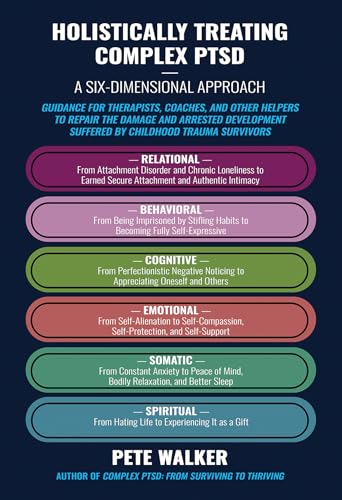
Holistically Treating Complex PTSD: A Six-Dimensional Approach: Guidance for Therapists, Coaches, and Other Helpers to Repair the Damage and Arrested Development ... Suffered by Childhood Trauma Survivors [图书] Goodreads
作者: Pete Walker 2024 - 10
My latest book is textbook-like, as it is a guide for psychotherapists and other helpers to learn my multidimensional approach to effectively treating the childhood trauma that is commonly at the roots of Complex PTSD. This book reorganizes and greatly expands the material of my earlier books. It emphasizes the crucial importance of relational psychotherapy in healing the fear and distrust that most survivors have of all other people. It can deeply aid therapists to mend the damage and arrested development that survivors experienced as traumatized children in the “care” of abusive and/or neglectful parents or other caretakers.

Many therapists have gratefully conveyed to me that the map, perspective, and tools herein for healing complex trauma aids their clients to identify, repair and evolve six key dimensions of their damaged and arrested development. These dimensions are the Relational, Behavioral, Cognitive, Emotional, Somatic, and Spiritual layers of their as-yet unmanifested innate Intelligence .

This damage and developmental delay can be remediated when therapists and/or other supportive people use the guidance and techniques that are fleshed out in this book. Such practice has helped many of them to become highly effective, trauma-informed therapists.

The psychoeducational approach herein helps survivors see that their symptoms are normal child reactions to abnormal upbringings that are steeped in abuse and neglect, danger, and lovelessness. Numerous trauma survivors tell me that my books are especially beneficial because they are almost immediately helpful, de-shaming, relieving and comforting.

Therapists can learn how to greatly aid survivors by helping them to see that, as children, they were helpless to recognize and defend themselves from being traumatized. With the therapists' help and compassion, this knowledge then aids them to develop self-compassion for their lifelong suffering.

When therapists successfully midwife the rebirth of survivors’ innate self-compassion, they can then expand it into helping them reclaim their instincts of healthy self-protection. This can then be used against their early brainwashing of being indoctrinated with a self-hating inner critic that viciously blames for all their suffering. Many survivors have embraced my model because it guides them to develop their arrested, instinctual trauma-healing self-kindness and self-protectiveness.

The fact that I am a CPTSD survivor myself with a good deal of recovery enables me to enrich this book with illustrative vignettes of what can and cannot aid their recovery. Over and over, survivors tell me that my vulnerable self-disclosure calms and de-shames them, teaches them therapeutic self-help techniques, and increases their motivation to work at recovering.
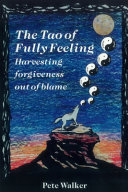
The Tao of Fully Feeling [图书] 谷歌图书 豆瓣
作者: Pete Walker 出版社: CreateSpace Independent Publishing Platform 2015 - 11
This book is a handbook for increasing your emotional intelligence. Moreover, if you are a survivor of a dysfunctional family, it is a guide for repairing the damage done to your emotional nature in childhood. As such it is actually a sequel to my later book: Complex PTSD from Surviving To Thriving. The Tao of Fully Feeling focuses primarily on the emotional healing level of trauma recovery. It is a safe handbook for grieving losses of childhood. Whether or not you are a childhood trauma survivor, this book is a guide to emotional health. The degree of our mental health is often reflected in the degree to which we love and respect ourselves and others in a myriad of different feeling states. Real self-esteem and real intimacy with others depends on the ability to lovingly be there for oneself and others, whether one's feeling experience is pleasant or unpleasant. Those who can only be there for themselves or another during the "good" times show no constancy, inspire little trust, and are only fair weather friends to themselves and others. Without access to our dysphoric feelings, we are deprived of the most fundamental part of our ability to notice when something is unfair, abusive, or neglectful. Those who cannot feel their sadness often do not know when they are being unfairly excluded, and those who cannot feel their normal angry or fearful responses to abuse, are often in danger of putting up with it without protest. Repressing our emotions creates anxiety and stress, and stress, like most of our emotions is often treated like some unwanted waste that must be removed. Until all of the emotions are accepted indiscriminately (and acceptance does not imply license to dump emotions irresponsibly or abusively), there can be no wholeness, no real sense of well being, and no solid sense of self esteem. Thus, while it may be fairly easy to like oneself when feelings of love, happiness or serenity are present, deeper psychological health is seen only in the individual who can maintain a posture of self-compassion and self-respect in the times of emotional hurt that accompany life's inevitable losses, disappointments and unforeseen difficulties. Finally this book explores the nature and limits of real forgiveness - identifying behaviors and people who cannot authentically be forgiven.
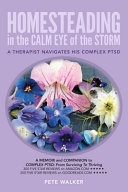
HOMESTEADING in the CALM EYE of the STORM [图书] 谷歌图书 豆瓣
作者: Pete Walker 出版社: CreateSpace Independent Publishing Platform 2017 - 10
Homesteading in the Calm Eye of the Storm is a companion book to my self-help book: COMPLEX PTSD: From Surviving to Thriving. Homesteading is also a memoir of my journey of recovering from C-PTSD. Written in a more playful, easier to read style than my other books, it is much less dense and relatively free of psychological jargon. Several previewers have described it as rich, poignant, funny and full of self-disclosive anecdotes that are sure to help other survivors in their recovery."Homesteading" has two parts. In Part I, I escape from my dysfunctional family and backpack around the world seeking happiness while I unconsciously flee my suffering. In Part II, I wander into the jungles of psychological theory and technique. I shift my focus from global adventurer to inner world explorer.The many hits and misses of my recovery efforts are detailed in this book. Eventually, I discover what works, and gradually move from struggling to survive to discovering how to thrive.Very gradually I find meaning, belonging and fulfillment. My fear shrinks, my toxic shame melts away, and peace of mind becomes my touchstone. My psyche heals as my self-kindness, self-care, and self-protection continuously grow.Eventually, I break the pattern of being attracted to painful relationships that mirror my experiences with my parents. This in turn frees me to find a number of truly intimate and comforting relationships.
Complex PTSD [图书] 谷歌图书
作者: Pete Walker 出版社: Azure Coyote 2021
This book is a practical guide to recovering from lingering childhood trauma. It is copiously illustrated with examples of the author's and his clients' journeys of recovering. It is a comprehensive self-help guide for working through the toxic legacy of the past