足立正生 — 编剧 (28)
新宿小偷日记 (1969) [电影] 豆瓣 维基数据 TMDB IMDb
新宿泥棒日記
6.7 (23 个评分) 导演: 大岛渚 演员: 户浦六宏 / 佐藤庆
其它标题: 新宿泥棒日記 / Diary of a Shinjuku Burglar
新宿是东京仅次于银座的繁华地带,人口最为密集,充满了混乱气息。一天,突然有人大叫“小偷”,一群追赶的人们把小偷抓住,剥开衣服,只剩一条兜档布,腹部露出樱花纹身,追赶的人们都说“服了”,全都倒立起来,事件随即演变成“现场剧院”的表演宣传。一个叫鸟男的旁观者走进新宿车站附近的一间书店里,偷了几本性科学和人体美术书,被店员梅子扭送到老板处。鸟男在被抓时还在不断的偷,并说“我差一点就要射精了”,被抓后鸟男也丝毫没有认罪的态度。老板对鸟男偷书的选择很赏识,反而拿钱叫梅子陪鸟男上餐厅。两人一起看偷来的书,互相挑逗,当夜作爱,但很不成功。

次日,两人请教性科学家,露骨的关于性爱的讨论和场面不断出现在银幕上,但两人兴趣索然。为刺激性欲,两人去偷看艺妓作爱,这些人为了帮助这两个缺乏性经验的男女,假装要强奸梅子,却假戏真做。深夜,梅子在书店把一本本有趣的书堆起来,每拿一本书,画面就出现作者的肖像,并朗读一段章节。后来。两个人加入了“现场剧院”的“期待扰乱戏剧”,梅子用月经模拟出剖腹的样子。此时,新宿街头的年轻人开始投掷石块。影片最后,反日共派的全日本学生自治会大联合的学生们在反战日袭击了新宿车站。
芋虫 (2010) [电影] 豆瓣
キャタピラー
5.6 (22 个评分) 导演: 若松孝二 演员: 寺岛忍 / 大西信满
其它标题: キャタピラー / 毛毛虫
20世纪40年代,战争阴影笼罩全世界。日本某个山村,壮年男子黑川久藏(大西信满 饰)应征入伍,归来时却变成了截去四肢、半边脸烧伤、耳聋嘴哑的废人。他的妻子茂子(寺岛忍 饰)无法接受这个事实,几欲自杀。不过久藏却被村民乃至政府大肆吹捧,奉为“活着的军神”。在村民和亲族的劝说下,茂子接受了几乎面目全非的丈夫。残缺的久藏无法感知到国内外的风云变幻,最基本的原欲成为了他迫切的需求。纵使茂子一百个不情愿,她仍要尽到一个做妻子所可能尽到的责任。在这一过程中,“军神”和“军神之妻”那脆弱的虚荣渐渐破灭,她和久藏各自面临灵魂深处无法回避的痛苦……
本片根据江户川乱步的同名短篇小说改编,并荣获2010年柏林国际电影节银熊奖最佳女主角奖(寺岛忍)。
归来的醉鬼 (1968) [电影] 豆瓣
帰って来たヨッパライ
7.3 (6 个评分) 导演: 大岛渚 演员: 加藤和彦 / 北山修
其它标题: 帰って来たヨッパライ / Kaette kita yopparai
「絞死刑」の田村孟、佐々木守、足立正生、大島渚など創造社の同人五人が共同でシナリオを執筆し、大島渚が監督したアングラ・レコードのヒットソングの映画化。撮影も同じ吉岡康弘。
大学生活最後の休暇を楽しむため、大ノッポ、中ノッポ、チビの三人は日本海の海辺に行った。暖い陽気に誘われて三人は、泳いだが、いつの間にか服がなくなり、代りに軍服と粗末な学生服があった。三人はそのため、密航者と思われ、パトカーに追われる破目になった。その途中、たまたま、魅力的なネエちゃんと知りあい、銭湯で服をすり換える、という知恵を授けられたが、見なれぬ青年と少年にピストルをつきつけられ、もとの服に戻されてしまった。青年たちには、何か事情があるらしいが、三人には何が何だかさっぱり分らない。ただただ、パトカーと、青年との手を逃れるべく、走り回らねばならなかった。追われているうちに、三人は次第に逃げ方も隠れ方も上手になっていったが、いまは、東京が平和で天国のように住み良い所に思えるのだった。三人の逃亡に協力してくれたネエちゃんは、毒虫という悪者の養女だが、三人には天使のように暖かく、優しかった。そんなうちに、中ノッポがネエちゃんに恋をしてしまった。だが、三人は、パトカーと、消えてはまた現われる青年の拳銃におびえながら東京に向って逃亡を続けていかなければならなかった。
Sex Jack (1970) [电影] 豆瓣
6.6 (11 个评分) 导演: 若松孝二 演员: 秋山未知汚 / 小水一男
其它标题: 性賊 セックスジャック
20世纪60年代,日本学生运动渐次激烈,学生和政府之间的对抗朝着暴力的方向失控狂奔。某晚,登川直造(笹原茂朱 饰)、丸山国男(山川蜜 饰)等人领导的学生组织在据点内遭到警方搜捕,混乱之中,他们夺下警察的配枪夺路而逃。在经过某个漆黑巷道时,他们将手枪扔在公共厕所的洗脸盆中,被路过于此的公司青年职员铃木(秋山未知污 饰)拾得。厌倦了枯燥呆板的公司氛围以及平庸无望的生活,铃木追上众人,希望加入他们的组织。次日,登川等人的拒捕行动被媒体歪曲成袭击警察的恶性案件。为避风头,他们跟随铃木躲进郊外一所公寓中,日常以吃喝、做爱打发时间,所有外务全由铃木打理。
学运的失败和理想的破灭让这群年轻人朝向破灭,纵情享乐。铃木却不愿面对这样的失败……
狂走情死考 (1969) [电影] 豆瓣
7.0 (12 个评分) 导演: 若松孝二 演员: 吉沢健 / 谷川俊之
其它标题: Kyoso Joshi-ko / Running in Madness, Dying in Love
20世纪60年代,安保运动如火如荼,日本社会动荡不安。这份躁动肆意延伸,继而连家庭亲人间也无法避免。青年左兵(吉沢健 饰)是全共斗的一名成员,时常活跃在革命运动的第一线。而他的哥哥则是一名警察,不同的阶级立场令流着相同血液的兄弟俩时常发生争吵。某个晚上,愤怒的哥哥对左兵拳脚相向,嫂子袖里(武藤洋子 饰)从旁奋力阻拦,却无意间枪杀了丈夫。
在此之后,左兵将哥哥伪装成自杀的场面,随后带着袖里逃亡。逃亡期间,袖里为自责所折磨,痛苦不堪,这两个同病相怜的人儿最终坠入爱河。一路向北的逃亡之旅,不知何时是一个终点……
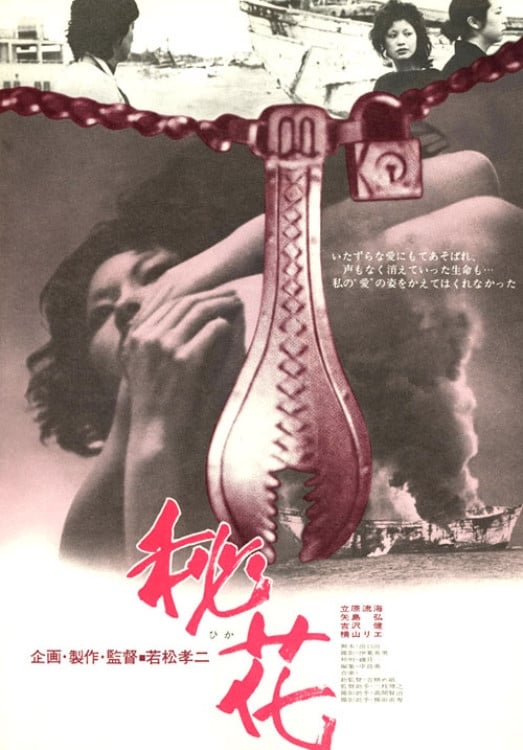
被侵犯的白衣 (1967) [电影] 豆瓣 维基数据 IMDb TMDB
犯された白衣
5.5 (15 个评分) 导演: 若松孝二 演员: 唐十郎 / Reiko Koyanagi
其它标题: 犯された白衣 / Violated Angels
白百合医院位于某个海滨小镇的森林中,这里的宿舍住着六名青春美丽的女护士。由于病患稀少,与世隔绝,女孩们身心的欲望难以抑制,在漫长而躁动的夜晚,她们有的选择彼此慰籍,有的则蹲在门外窥视,目光中充满了兴奋、激动和不安。某晚,一个俊美且面带忧郁的男青年(唐十郎 饰)路过此地,他正处在青春躁动期,对女性的身体既充满渴望,又对这样的诱惑怀有莫大的恐惧和憎恶。
女孩们将青年引入宿舍,并强迫他窥视两个女孩缠绵的场景。青年无法忍耐,他闯了进去,怒不可遏地枪杀一名女孩。在此之后,他囚禁了其他五名护士。在手枪面前,她们惶恐、谄媚、义正言辞,却发现死亡才是唯一的通行证……
饥饿艺术家 (2016) [电影] 豆瓣
断食芸人
5.8 (5 个评分) 导演: 足立正生 演员: 山本浩司 / 桜井大造
其它标题: 断食芸人 / Artist of Fasting
根据卡夫卡的同名短篇小说改编,描述了一个“痴迷”饥饿艺术的表演者,从其风靡全城的荣光到被人厌弃的落漠,始终不被真正理解而孤寂痛苦直至无声死去的过程。足立正生是日本著名的左翼导演,在学生时代自主拍摄了《锁阴》一片而引人注目。大学退学后,他加入了著名导演若松孝二的独立公司,编写了以性与革命为主题的大量剧本,1966年首次执导商业性影片《堕胎》。足立正生一直以来其实验性的风格和大胆的作风都时常被大众讨论,此次的题材也一如既往的充满想法。
滔滔不绝的祈祷者 (1971) [电影] 豆瓣 IMDb TMDB
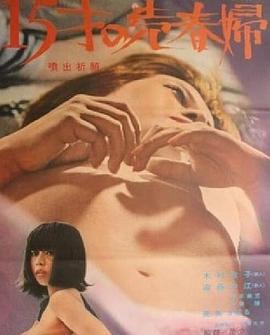
噴出祈願 15歳の売春婦
导演: 足立正生 演员: 佐々木天 / 斉藤博
其它标题: 噴出祈願 15歳の売春婦 / 噴出祈願 15歳の売春婦
A young prostitute tries to understand why she suffers from melancholy and benumbed feelings. Against a background of sexual liberation and political subversion, this latest libertine work by radical film director M. Adachi is one of the very few existing feminist erotic films. Masao Adachi's personality and films deserve careful consideration. Relatively unknown as yet to Western audiences, he happens to be one of the most radical film-makers around in recent years. Gushing Prayer, shows the influence of Koji Wakamatsu, another enfant terrible of Japanese cinema whom Adachi assisted on many films. Gushing Prayer does not hesitate to show the resentments and dissatisfactions of someone who ought to be nothing more than an object of fantasies. Highly pertinent, with a bold avant-garde style, he sets the record straight as far as the sexual desires of supposedly liberated Japanese women are concerned. One of the rare feminist films of the 70's, it audaciously evokes sexual liberation and political subversion.
永远的处女 (1969) [电影] IMDb 豆瓣 TMDB 维基数据
ゆけゆけ二度目の処女
7.7 (19 个评分) 导演: 若松孝二 演员: 秋山道男 / 小樱咪咪
其它标题: ゆけゆけ二度目の処女 / Yuke yuke nidome no shojo
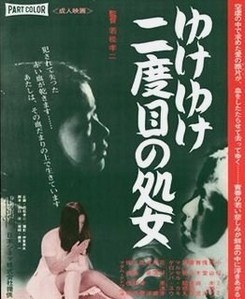
17岁的女高中生波波(小桜ミミ 饰)人生坎坷,当她9岁之时,父亲与情人殉情,之后母亲病故。正值花季的她没有收获完美的爱情,反而连续两次被人强暴。
对人生绝望的波波万念俱灰,一心求死。无耻的青年们当然不会理解她心中的绝望,只是一次次玷污波波的纯洁。木讷的青年月雄(秋山道男 饰)呆呆地看着眼前的一切,他同样拥有不堪的过去。波波将希望放在月雄身上,祈求眼前的年轻人能引领她走向死亡。而月雄则带她走入自己的内心世界……
新宿的疯狂 (1970) [电影] 豆瓣
新宿マッド
导演: 若松孝二 演员: 谷川俊之 / 江岛裕子
其它标题: 新宿マッド / Shinjuku mad
*Shinjuku Mad* was one of
Koji Wakamatsu's six films from 1970. Grim and gritty, stark and steady, burdened with anti-moralizing, generously padded with sex, and totally redeemed by a soundtrack that needs to be released NOW. I knew nothing about this film, loading it up on to my laptop, and every last one of this film's sixty-sixty minutes kept me riveted.
Bear with me. The film opens with the band cycling through a jazzy rave-up, the black and images depict dead Japanese throughout a modern city. From the alleyways of the slums, to center of the park, you catch glimpses of bodies everywhere. This introduction is capped off by a lingering shot of a blood-soaked naked woman, face down. By this point, the band has reached a sort of peak. There's a cut, the band changes the direction of the song a bit, and then we're treated to a series of exterior shots from downtown, the lunch hour, maybe. You see a lot of storefronts and stairwells, people moving about. All of the people in these splices are done in negative image.
What follows can only be described as harrowing. After the credits, the reel switches to color. We're treated to the on-screen stabbing of a young man in a toga, his attackers strip his special lady-friend of her toga, spend about two minutes smearing her breasts with still-warm blood, and then take turns raping her. She doesn't seem to put up much of a fight. The scene is lensed with all of the enthusiasm of a television spot for a whole foods market.
Well, that's a fucked up way to start a movie. If you're still reading, I'll have you know the brutality eases up a little, but the camera's tendency to seek out each scene's more lurid details is relentless. The band never lets up, either. Another constant feature of the film is the protagonist's alienation from society. That's a pretty dated-concept, in a way. This film is cashing in on what could loosely be called the Existential demographic in 1970's Japan. Parts of it could have been written by Oe. Others by Mishima. It definitely, at times, addresses a bit of that lingering air of revolution, but more on that later.
The father of the kid stabbed in Technicolor shows up in the nest reel, in the same apartment his son was murdered in. This confused, grieving father asks a totally baked Shoko Asahara for information about the events leading up to his son's death. The long-haired no-goodnik is toking on a Sharpie-sized doobie. He gets so fucking high he passes out and the dad is left there in the empty apartment, getting a major contact-buzz.
So, the plot is basically that kind of exchange in larger and larger settings, intercut with glorious shots of the disillusioned father walking through industrial slums. The father, searching for the "Why" to his son's death goes on his quest and pisses just about everyone he comes into contact with off. He goes into subway stations and totally kills some beatniks' buzzes. Then he bullies a Hare Krishna ROCK AND ROLL SUPERSTAR and his belly-dancing percussionist at a park. Then he heads off to a bar, and we're treated to what must have been Tokyo's Greatest Garage Band getting low-down and sleazy here. This scene pretty much sums up what the film is about. As you dig the scuzz and the fuzz, the camera catches all manner of degeneracy and wanton reefer-use. And the bar has no less than three groups of people making out. And they get excessive with the groping.
Eventually, the father catches the ringleader of the vicious band of murderer-rapists. "Shinjuku Mad," is his name. After an unbelievably long and convoluted exchange between the protagonist and Shinjuku Mad, it comes out that Mad and the boys are rebelling against all of Japan. It's open season on everyone but them. His son was only a casualty, nothing personal. Their intent is to go on rebelling against society through random acts of violence against people and property.
After going through all the trouble of finding Shinjuku Mad, the old man's mind is blown by revolution for revolution's sake. After a few pummellings, he manages to turn the fight around. He winds up leaving with a nude girl that had been tied to a post for the entire scene.
He goes back to the apartment his son was murdered in to find his special lady-friend naked with six other dope-smoking cats grooving on free love and blue balls.
He decides he's happier with Shinjuku Mad alive and kicking, the band is at another one of its high points, and the camera pans out to the railroad yard, telephones wires, and the bare sides of modern buildings.
That was Japan, thirty-seven years ago.
银河系 (1967) [电影] 豆瓣
銀河系
导演: 足立正生 演员: 花上晃 / 竹邑類
其它标题: 銀河系 / Gingakei
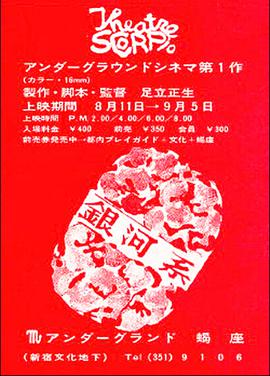
A car wreck on a beach road. While the passengers gather round the broken engine the driver, a young man meets his doppelganger on the beach. He beats and strangles him to death. A hospital. The young man walks down a flight of stairs passing a group of beautiful nurses and is hit by a crutch, thrown by his doppelganger who’d been waiting for him at the top of the staircase. Again he beats him to death with the crutch disposing of the corpse in the nearby toilet room. Leaving the toilet the young man is again confronted with his living doppelganger and collapses. A car. The young man now drives through Tokyo’s outskirts accompanied by a beautiful woman who tries to hug and kiss him. Desperately he tries to escape from her leaping through the windshield of the driving car now flying high above the highways landing on a table on the rooftop of a building trying to hide from the woman, who somehow managed to follow him through the air…
Sounds crazy? It’s the synopsis of the first 10 minutes of Adachi’s independently produced experiment in classical surrealism, a dreamlike Möbius-strip of a film, which was the formal opening film at the famous underground theatre Zasori-za located in the basement of Shinjuku Bunka, the headquaters of ATG and the Tokyo underground movements of the 60’s. The original print was sepia-tinted, hence the distorted colour of the stills.
花俏处女 (1969) [电影] TMDB 维基数据 IMDb 豆瓣
処女ゲバゲバ
7.1 (8 个评分) 导演: 若松孝二 演员: Eri Ashikawa / 谷川俊之
其它标题: 처녀 게바게바 / 処女ゲバゲバ
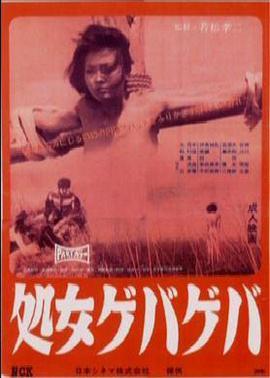
原本计划私奔的一对男女,最终被游击队抓回,蒙住眼睛、全身捆绑带到了一片荒郊野外。四周静谧无声,使他们觉得自己被困在一间漆黑的地下室内。组织成员对他们百般戏弄与虐待,男子窥准时机,裸身逃亡;女人则被组织悬在十字架上,等待仪式性的惩罚。为了营救爱人,男人不久后折返,对游击队成员乃至虐待成性的老大展开不可饶恕的杀戮。寂静旷野,血腥弥漫……
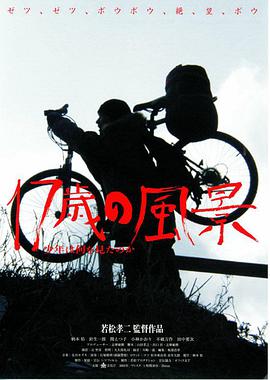
17岁之风景 (2004) [电影] 豆瓣
17歳の風景 少年は何を見たのか
导演: 若松孝二 演员: 柄本佑 / 不破万作
其它标题: 17歳の風景 少年は何を見たのか
不知什么原因,17岁的少年(柄本佑 饰)用金属球棍杀害了他的母亲。在此之后,少年骑上单车,一路北上,16天内总共行程1300公里,途经六日町、柏崎、象泻、男鹿半岛等地。期间,他邂逅了痛陈日本二战罪恶的退伍老兵、面临渔业凋零却无计可施的渔民以及当年被迫来至日本而毕生思念故土的朝鲜老妪。少年沉默寡言,从未作过多盘桓,他只知一路狂奔,却不知未来将在何方……
本片根据真实事件改编。2000年,日本岡山县发生17岁少年用金属球棍击杀亲生母亲的骇人事件,少年于16日在秋田被捕。片中曲由友川カズキ担任,男主角及影片标题由柄本佑负责,他同时也是日本演技派演员柄本明之子。
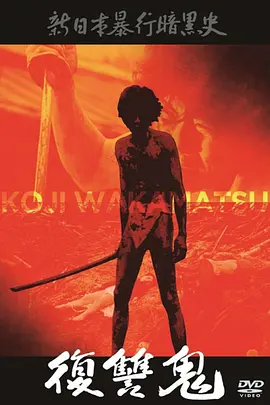
新日本暴行黑暗史·复仇的恶魔 (1968) [电影] 豆瓣
新日本暴行暗黒史 復讐鬼
导演: 若松孝二 演员: 吉沢健 / 津島明子
其它标题: 新日本暴行暗黒史 復讐鬼 / Fukushûki
ある山村。肺病家系と言われ村八分にされ暮らしている兄と妹。そして悲劇は起きた。縛り上げられた兄の目の前で妹が村の男たちに凌辱されてしまう。そのショックで妹は発狂し、兄は村中を惨劇の場へと落とす復讐の鬼と化すのだった…。日本犯罪史上に残る惨劇“津山三十人殺し”をモデルにした作品。
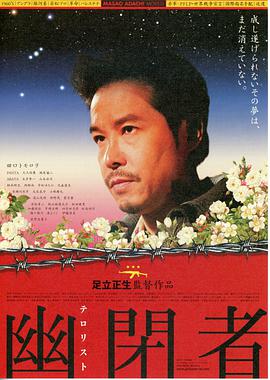
幽闭者 (2007) [电影] 豆瓣
幽閉者 テロリスト
导演: 足立正生 演员: 田口トモロヲ / 井浦新
其它标题: 幽閉者 テロリスト / Yûheisha - terorisuto
在一次恐怖袭击中,M作为飞机场袭击作战的头目策划着这次军事行动。可是不幸的是,一切进行的都很顺利,M的手榴弹却是一颗哑弹。失败后,同伴们全部都自裁谢罪,只有M留了下来。被保安队抓住的M,为了让他把下次行动计划全部吐露出来,保安队开始了对他非人的虐待……
丑陋之人 (2013) [电影] 豆瓣
The Ugly One
导演: 埃里克·鲍迪莱 演员: 朱丽叶·纳维斯 / Rabih Mroue
其它标题: The Ugly One
On a beach in Beirut, Lili and Michel meet… or maybe they are coming together again. An unlikely couple caught between two different eras, between a future and a past that seem possibly interchangeable, they are trying to establish what is an ambiguous memory: that of a terrorist act, an explosion and the loss of a child, Elena. The voice of a Japanese narrator adds a further layer of complication to their scrambled memories in evoking his own past in war-torn Beirut and the 27 years he spent alongside Palestinians as a member of the Japanese Red Army. Michel and Lili’s destiny seems subject to the mystery that this man, the legendary screenwriter of the Japanese New Wave, Masao Adachi, has created for them, and which he punctuates with a series of revelations.
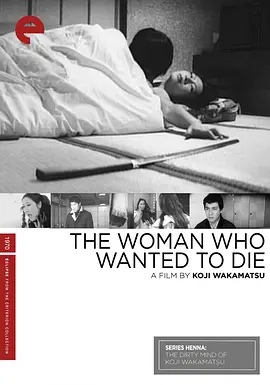
性轮回:寻死之女 (1971) [电影] 豆瓣
性輪廻 死にたい女
导演: 若松孝二 演员: 島絵梨子 / 矢島宏
其它标题: 性輪廻 死にたい女 / The Woman Who Wanted To Die
While Mishima has just committed suicide in public, two couples accidentally meet in an inn in the countryside: the man and the woman, now with different companions,had known each other years ago…
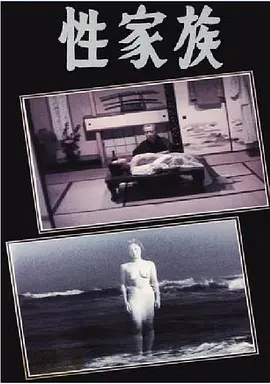
性家族 (1971) [电影] 豆瓣
导演: 若松孝二 演员: 香取環 / 林美樹
导演: 若松孝二
编剧: 足立正生
主演: 香取環 / 林美樹 / 武藤洋子
制片国家/地区: 日本
语言: 日语
上映日期: 1971
片长: 73分钟
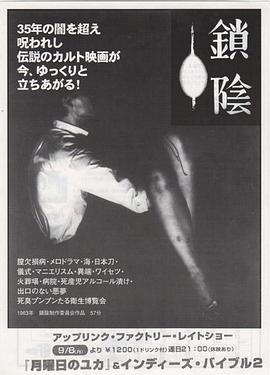
锁阴 (1963) [电影] 豆瓣
鎖陰
导演: 足立正生 演员: 竹田ひろし / 木村京子
其它标题: 鎖陰 / 1963
Sa-in (Blocked Vagina) 1963. Directed by Masao Adachi with some students of Nihon University (Nihon University Film Study Club) Blocked Vagina represents the blocked situation following the demonstrations against the AMPO in 1960. There was a happening during the projection of this movie Sa-in no Go (The Ceremony of the Blocked Vagina) with fight against the police. The film was stole during that fight. Pou Pou / Pu Pu (1959) by Motoharu Jonouchi. Surrealist movie by Motoharu Jonouchi a friend of Masao Adachi from Nichidai, Nihon University.