大岛渚 — 演员 (13)
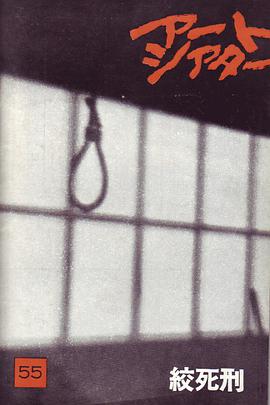
绞死刑 (1968) [电影] IMDb 豆瓣 TMDB 维基数据
絞死刑
8.3 (52 个评分) 导演: 大岛渚 演员: 渡边文雄 / 佐藤庆
其它标题: 絞死刑 / Death by Hanging
影片故事的原素材是在日朝鲜人李珍宇,在种族歧视之下,精神空想到变态地步。不仅歼杀两名年轻女子,而且把经历写成小说参加报社征文,甚至在杀人之后还用平静的声音打电话给报社。在被判死刑后,一名在日朝鲜女记者与他通信,希望唤起他的民族意识。影片基于这样一个现实事件,但情节又几乎出离了故事本身。
影片一开始就是突如其来的处决R氏,也没有解释原因。行刑之后R氏居然没有死,只是丧失记忆昏迷过去。执行死刑的一干人等决定先恢复他犯罪的意识,再执行第二次死刑。于是,一干人等当场扮演R氏身边的人物,试图唤醒R的记忆,甚至扮演R的教育部长把突然出现的姑娘杀了。被害姑娘苏醒后成了身穿朝鲜民族服装的中年妇女,被R唤作姐姐,并夸奖R的民族意识、责难日本帝国主义。影片后半部分描写了R的想象世界。死刑执行人们围坐着举行酒宴,R和女人躺在他们中间,两个人的谈话内容正是李珍宇与朝鲜女记者的通信内容。R恢复了记忆,但始终认为自己没有犯罪,检查官决定释放他。当R打开门的一瞬间,他似乎难以忍受外面的阳光。检查官指责他的无罪意识的空想性质,并把国家概念置于R氏的自由想象之上。最后,R氏返回站在绞刑台上。
这是大岛渚开创低成本剧情片电影——1000万日元电影的开山之作。
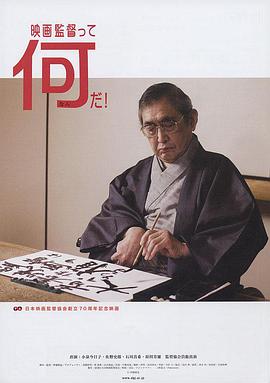
何为导演? (2006) [电影] 豆瓣
映画監督って何だ!
导演: 伊藤俊也 演员: 深作欣二 / 福冈芳穂
其它标题: 映画監督って何だ! / What's a Director?
日本映画监督协会成立70周年纪念作品
映画『映画監督って何だ!』は、日本映画監督協会が創立70周年記念事業の一環として製作したものです。協会員が一丸となって製作したこの記念映画には、監督90名が俳優として出演し、さらにスタッフとして60名の監督が参加しています。まさに「監督の監督による」映画作りだったといえます。もちろん、協会員150名以外にも、小泉今日子、佐野史郎、石川真希、原田芳雄などの俳優陣や、撮影、美術、録音などの本業スタッフの援軍も得ています。
「映画監督」の仕事の本質は何かを改めて問うところからはじめ、<時代劇>あり、<再現劇>あり、さらには<ドキュメント>、<インタビュー>で構成されるこの映画の一貫するテーマは、<「映画の著作権」獲得>への宣言です。そうです。この記念映画は、1971年施行の現行著作権法により奪われた映画監督の著作権について、映画監督の誇りをかけて「監督は映画の著作権者である!」と宣言し、悲願の実現を目指すものです。
映画のオープニングは“設立秘話”です。1936年(昭和11年)2月26日未明、東京・神田の駿台荘に集まった伊丹万作、衣笠貞之助、伊藤大輔、村田実、牛原虚彦の5監督が衆議一決、日本映画監督協会の設立を決定しました。折りしもこの日は、「動乱の昭和」の予兆となった「2.26事件」の当日でした。
次に映画は一転して時代劇になります。登場するのは浪人・管徳右衛門(小栗康平監督)と元・花魁の脚本太夫(阪本順治監督)。ふたりの間に生まれた子供を悪徳大家・著作軒二十九(若松孝二監督)が用心棒を連れて奪いに来るアクション劇です。いうまでもなく、カントクとキャクホンの間に生まれた「作品」を「著作権29条」が奪っていく――この映画のテーマ、「著作権問題」のアナロジーです。
さらに著作権にかかわる話は女弁士(小泉今日子)と男弁士(成田裕介監督)によって案内されます。女弁士は“歴史探偵”となって、1931年(昭和6年)、日本帝国議会での著作権法改正法案説明者、内務省警保局図書課員・小林尋次氏(山本晋也監督)を訪ね、当時の「映画監督と著作権の関係」を聞きます。小林氏は「完成された映画の著作権は映画監督が原始取得するものであるが、契約に基づき、完成と同時に映画会社に移るものとして意見を統一した」が、「質問を受けなかったので答弁の機会はなかった」と応えて、無情にも冥界に去っていきます。しかしその内容は小林氏の著した「現行著作権法の立法理由と解釈」(昭和33年文部省発行)に明記されています。1971年施行の改正著作権法は、著作権は「著作者が映画の製作に参加することを約束しているときには、映画製作者に帰属する」と、監督の著作権をまったく認めていません。改正著作権法によって「監督の著作権が剥奪された」と主張する所以です。
そして映画は、1960年代の著作権制度審議会や、69年、70年の衆参両院の文教委員会での現行著作権法の審議過程を黒海議事録を基に精密に再現します。そこに登場する安達健二文化庁次官役の小水一男監督をはじめ、野党議員を演じる監督協会員諸氏の演技は全員“著作権奪還への思い”を秘めてか、迫力に満ちており、静謐な中にも次第に緊張が高まっていくその芝居は圧巻です。かつての「文士劇」をはるかに凌駕する「監督劇」となっています。
「映画監督って何だ!」という問いには、直接的には協会員20名がインタビューに応えています。その問いは、<自らの存在自体が明らかになる多様な答え>と現実の撮影現場での<監督を凝視するドキュメント>が相まって、重層的に解き明かされていきます。
さらに、五所平之助監督の『煙突の見える場所』(1953年度作品)の一場面を鈴木清順、林海象、本木克英の3監督がそれぞれの視点で撮影する劇中劇が加わります。映画ファン必見のシークエンスです。「同じ脚本でも監督が違えば、まったく違う場面ができる。これは監督が真の著作者であり、監督に著作権が存在する証明になる」(伊藤俊也監督)という狙いを越えて、その<方法自体がテーマ>と重なるこの記念映画は、結果として映画の「新しい可能性」すら期待させる作品になっています。
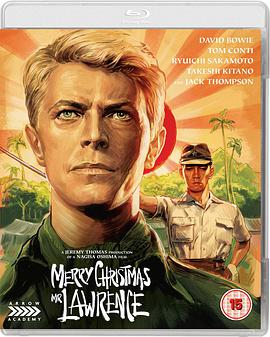
「戦場のメリークリスマス」30年目の真実〜異色の大島渚映画が蒔いた種〜 (2015) [电影] 豆瓣
故・大島渚の代表作で、今なお高い人気を誇る『戦場のメリークリスマス』。国際共同製作として作られた本作の、公開までの5年間の紆余曲折を貴重な証言や資料でたどる。
2013年1月に惜しまれつつもこの世を去った巨匠・大島渚。彼の代表作である『戦場のメリークリスマス』(’83)は、公開から30年たった今もなお、語られることの多い作品だ。デヴィッド・ボウイ、ビートたけし、坂本龍一をはじめとする異色のキャスティングや、当時は珍しかった国際共同製作といった、途方もない挑戦が成功した裏には、大島の不屈の情熱と、それに魅せられた人々の想いがあった。関係者へのインタビューや貴重な資料とともに、名作誕生の裏側と後世に残したものに迫る。
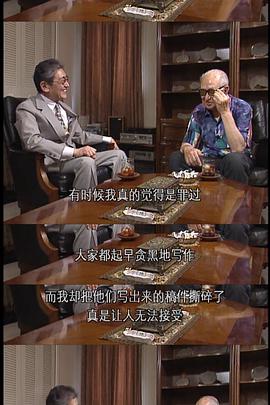
黑泽明的电影人生 (1993) [电影] 豆瓣
わが映画人生 黒澤明監督編
8.7 (9 个评分) 演员: 黑泽明 / 大岛渚
其它标题: わが映画人生 黒澤明監督編 / My Life in Cinema: Akira Kurosawa
In a long dialogue, Nagisa Oshima interviews Akira Kurosawa, leading him to share his thoughts about filmmaking, his life and works, and numerous anecdotes relating to his films and his various film activities.
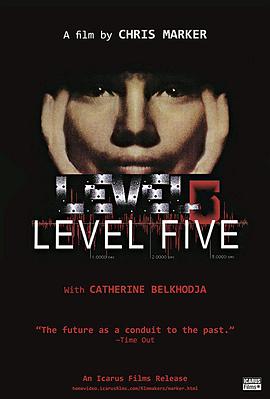
第五等级 (1997) [电影] 豆瓣 维基数据 IMDb TMDB
Level Five
8.0 (22 个评分) 导演: 克里斯·马克 演员: Catherine Belkhodja / Kenji Tokitsu
其它标题: 제5단계 / Level Five
法国计算机程序员劳拉继承了一项制作二战冲绳战役游戏的任务.她从互联网搜寻战斗的信息,采访日本专家和目击者.冲绳之战离奇的情形,尤其是历史和记忆的影像,使得她深刻反思自己的生活和人性,
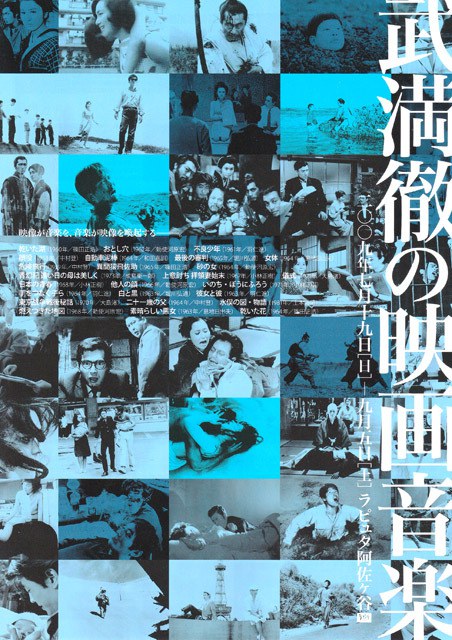
武满彻的电影音乐 (1994) [电影] 豆瓣
Music for the Movies: Tôru Takemitsu
导演: Charlotte Zwerin 演员: 武满彻 / 大岛渚
其它标题: Music for the Movies: Tôru Takemitsu / 武滿徹電影配樂
日本传奇现代音乐大师武满彻的珍贵纪录片!包括武满彻访谈,还有敕使河原宏、小林正树、大岛渚等电影导演对其音乐的评价。
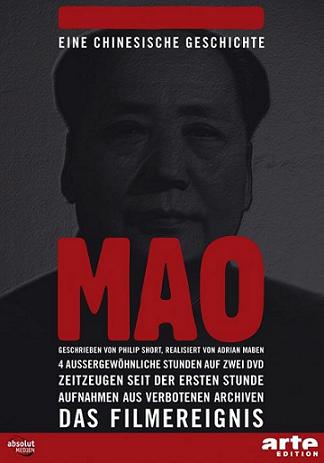
传记:毛泽东 (2006) [剧集] 豆瓣
伝記・毛沢東 Season 1
导演: 大岛渚 演员: 大岛渚 / 铃木瑞穗
directed by Adrian Maben and published by NHK, Arte broadcasted as part of NHK Special series in 2006 - English, Japanese Multilanguage narrationalso known as Mao, Une Histoire Chinoise Mao Zedong Mou Taku-tou Mao, Eine Chinesische Geschichte

Information
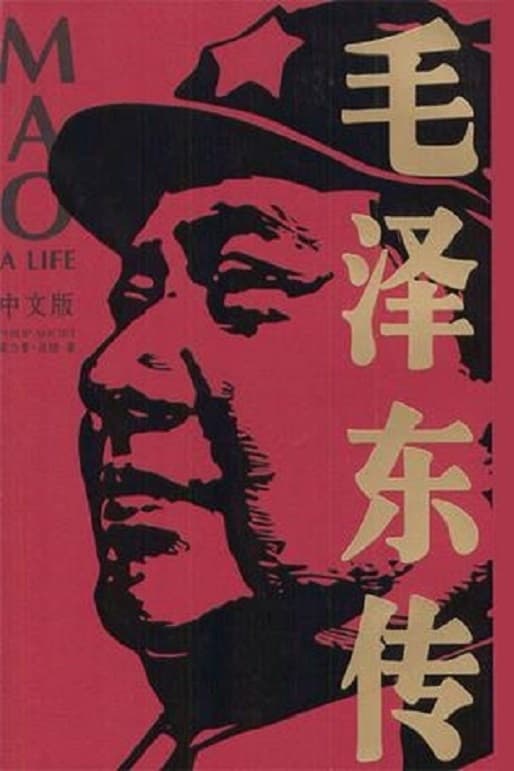
The 4 films of this series are drawn from the biography written by Philip Short entitled Mao Tsé-Toung (Mao a life) published in the USA, in England, in France and even in China.
Mao Tse tung (other way of writing: Mao Zedong) belongs to the coining/shaping figures of world history. He was a military strategist, politician, visionary, philosopher and a poet at the same time; an ingenious manipulator and propagandist, who understood to connect sensuality, politics and revolution. It has, like Richard Nixon said, "moved a nation and changed the world". Mao governed China 30 years long. He was admired in the own country like a God, in the western world, he was the concept of the enemy to some and modern redeemer and revolutionary idol to those waving their "Mao Bible" in their hands. Until today the icon of Mao has not fallen in China, despite all changes even to a red capitalism. 25 years after his death, combining previously classified Chinese archived material with unseen documents, biographic studies and interviews with people having known Mao himself, a comprehensive film biography in four parts could be created.

01. Against the Tide - Mao's Early Years (1893-1945)

Part one of the series describes Mao Zedong's youth, his formative adulthood, and his consolidation of power. Archival photographs from Mao's childhood and education, film clips from his campaigns against foreign invaders and Chinese nationalists, and lavish, government-produced reconstructions of the Long March detail the drama of those decades. Film excerpts featuring Jiang Qing, the actress who became Mao's fifth wife and a feared political force, highlight the Chairman's unpredictable life choices.


02. The Sorcerer's Apprentice - Founding the Republic (1945-1959)

Part two of the series China: Through Mao's Eyes explores the formation of the People's Republic of China, its complicated relationship with the Soviet Union, and events that prefaced the Cultural Revolution. Footage documenting the turmoil of the Anti-Rightist movement, China's role in the Korean War, and the misnamed Great Leap Forward reveals Mao's uneven leadership as the young nation struggled to define itself. Interviews with close associates illuminate the Chairman's personal side, including his unusual eating habits, attire, and leisure activities.


03. Not A Dinner Party - The Cultural Revolution (1958-1969)

Part three of the series China: Through Mao's Eyes examines the origins of the Cultural Revolution, Mao's orchestration of it, the political and economic shockwaves it created, and its human cost. Rarely seen archival footage of young Red Guard operatives raiding and ransacking a home—combined with present-day interviews featuring former Red Guards and their victims—create an in-depth portrayal of the tumultuous period. One commentator links the Cultural Revolution with the entrepreneurial freedom that China's government now fosters.


04. Mao Is Not Dead (1970 and Beyond)

Part four of the series China: Through Mao's Eyes details the watershed Nixon-Mao diplomacy, Mao's death and its aftermath, and the legacy of his rule and philosophy. Scenes showing an aged and infirm Mao meeting with foreign emissaries and CPC assemblies reveal his determination to shape policy and preserve his imposing image as long as possible. Today's citizens who look back nostalgically on Mao's reign are contrasted with a young, materialistic, sexually uninhibited generation—although the program makes clear that the Chairman still inspires awe and reverence throughout Chinese society.
海边风景:北野武 (2000) [电影] 豆瓣
Scenes by the Sea: Takeshi Kitano
导演: Louis Heaton 演员: 塔缇娜·阿里 / 汤姆·康蒂
其它标题: Scenes by the Sea: Takeshi Kitano
First major English-language documentary profile of the cult Japanese actor/director, Takeshi Kitano. Featuring interviews with many of his regular contributors and colleagues, the film explores Kitano's rise from working-class poverty to superstar of Japanese radio, TV, comedy and journalism, and follows the making of his US-Japanese gangster film, 'Brother'.
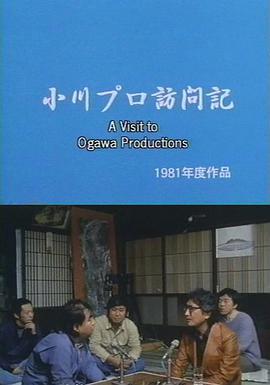
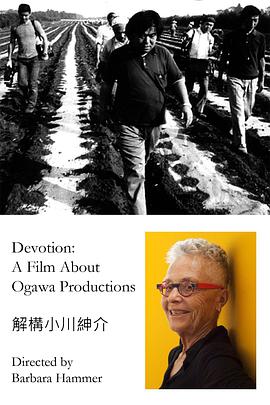
大岛渚访问小川绅介 (1981) [电影] 豆瓣
小川プロ訪問記
导演: Oshige Junichiro 演员: 大岛渚 / 小川绅介
其它标题: 小川プロ訪問記 / A Visit to Ogawa Productions
In 1981 film director Nagisa Oshima - the 'New Wave' Japanese director best known in this country for films such as Cruel Story of Youth (1960), In the Realm of the Senses (1976), and Merry Christmas, Mr. Lawrence (1983) - traveled to the Yamagata countryside to visit the documentary filmmaking collective led by Shinsuke Ogawa (1935-1992), who was then in the midst of filming A Japanese Village - Furuyashikimura, a feature-length documentary chronicling the seasonal cycle of rice growing.
Ogawa, who produced Summer in Narita (1968), Peasants of the Second Fortress (1971), and Red Persimmons (2004), gives Oshima a brief tour of their rural location, including the rice fields they are cultivating as well as filming, and introductions to local villagers. They then settle down for a wide-ranging conversation about Ogawa Productions' approach to documentary filmmaking - that of self-styled "film nomads" who live and work for extended periods of time in various regions of the country-focusing in particular on their current production, which involves an intimate interaction over a period of several years with local farmers, weather conditions, the environment, and aspects of village life.
A VISIT TO OGAWA PRODUCTIONS thus offers a rare insight into the social and cinematic philosophy of one of Japan's best-known documentary film collectives. As the film reveals, Ogawa Productions' in-depth portraits of Japanese society - whether of protest movements or traditional agricultural life - grew out of an unusual commitment to integrate themselves with the communities they filmed, to the extent that their filmmaking literally became an alternative lifestyle.
大岛帮 (1983) [电影] 豆瓣
The Oshima Gang: The Making of 'Merry Christmas Mr. Lawrence'
演员: 大岛渚 / 大卫·鲍伊
其它标题: The Oshima Gang: The Making of 'Merry Christmas Mr. Lawrence'
毛泽东传 (1976) [电影] TMDB
伝記・毛沢東
导演: Nagisa Ōshima 演员: Nagisa Ōshima / Mizuho Suzuki
其它标题: 伝記・毛沢東 / 毛澤東傳之共產黨鬥爭史
本片其实就是法国纪录片,非常平实的用西方的镜头记录中国的正史,一共4集。

第1集:革命家的诞生
第2集:建国与大跃进
第3集:文化大革命
第4集:从文革到改革开放