伊日·门泽尔 — 演员 (13)
焚尸人 (1969) [电影] TMDB IMDb 豆瓣 维基数据
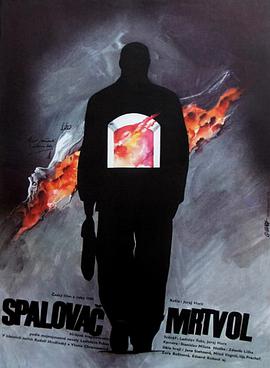
Spalovač mrtvol
8.3 (47 个评分) 导演: 尤拉伊·赫兹 演员: 弗拉丝塔·赫拉莫斯托娃 / 鲁道夫·霍辛斯基
其它标题: Spalovač mrtvol / The Cremator
《焚尸人》根据拉迪斯拉夫·富克斯的同名小说改编。讲述了一个令人毛骨悚然的故事。卡尔是火葬场的管理人,他是反犹太主义者,并极其迷恋死亡。适逢纳粹侵略捷克斯洛伐克,他认为自己大展宏图的机会来了,但正当他准备大显身手时,却发现自己的妻子不是“纯净”的血统。这个事实让他走上了疯狂之路。他准备谋杀自己的妻子和同样不“纯洁”的儿子。
严密监视的列车 (1966) [电影] TMDB 豆瓣 IMDb 维基数据
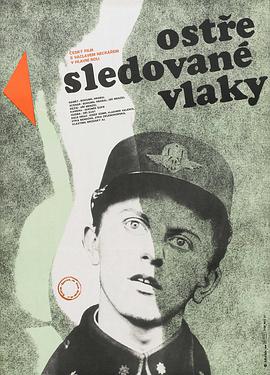
Ostre sledované vlaky
7.8 (81 个评分) 导演: 伊日·门泽尔 演员: 瓦茨拉夫·内茨卡 / 约瑟夫·索姆尔
其它标题: Ostre sledované vlaky / 严密看管的列车
二战期间,德国纳粹将战火燃至捷克境内,一时间硝烟四起。然而,在捷克某个乡村火车站内,却生活着一群事不关己、高高挂起的乐天派。谄媚且爱养鸽子的站长马克思(Vladimír Valenta 饰)、风流成性的胡比克(Josef Somr 饰)、成天想着与胡比克鬼混的女站员赞妮克(Vlastimil Brodský 饰)以及羞涩的见习员米罗(Václav Neckár 饰)。正因为有了他们,沉闷的乡间小站才充满着欢声笑语。
米罗与女列车员玛萨(Jitka Scoffin 饰)相爱,但在欢愉之时他却发现自己不举!这令米罗失去活下去的勇气……
本片荣获1968年奥斯卡最佳外语片奖。
失翼灵雀 (1969) [电影] TMDB 豆瓣 IMDb 维基数据
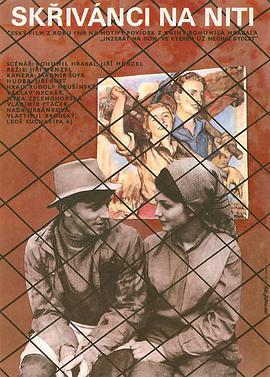
Skrivánci na niti
8.5 (37 个评分) 导演: 伊日·门泽尔 演员: 鲁道夫·霍辛斯基 / 伏拉基米尔·布劳德斯基
其它标题: Skrivánci na niti / 被拴住的云雀
捷克“胜利二月”后的一处废铁回收厂里,因宗教信仰不愿在周日工作的厨师帕维尔(Václav Neckár 饰)与检察官、哲学教授、奶牛场主等人组成的一只劳动小组正在罢工,昔日工人、如今他们的头头奉命带领一支剧组来这里拍摄宣传电影,导演获悉罢工后拂袖而去,但这次拍摄却把帕维尔和在附近劳改的美丽女犯基塔(Jitka Zelenohorská 饰)的手牵到了一起。贸易协会派人劝解罢工,反被奶牛场主反诘,而奶牛场主也至此不知所踪。同时看管女犯的法警结婚了,而工人们只能唠着哲学与艺术的话题偷窥女犯人们。不久少先队员来访,教授质问带队的辅导员,结果他也不知去向了。基塔终于答应了帕维尔的求婚,两人进行了一场缺席婚礼,最后大领导视察地区工作,帕维尔向他提出了跟教授一样的问题……
本片遭禁21年后获1990年柏林金熊奖、国际影评人费比西奖。
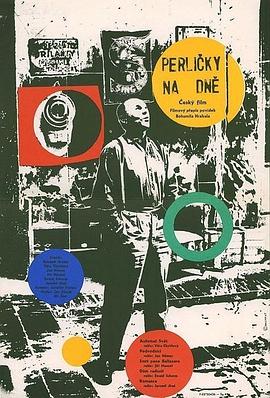
底层的珍珠 (1965) [电影] 豆瓣
Perličky na dně
7.0 (12 个评分) 导演: 维拉·希蒂洛娃 / 亚罗米尔·伊雷什 演员: Pavla Marsálková / 费迪南德·克鲁塔
其它标题: Perličky na dně / Pearls of the Deep
本片是捷克新浪潮运动兴起时的一次集体亮相,这些崇尚个性的导演大多数毕业于布拉格电影学校,他们希望打破苏联电影教学模式试图以崭新的影像语言描绘他们所看到的世界,这些题材各异的短片表现了年轻导演对于世界的理解和他们的关注点,这五位导演分别是伊日· 门泽尔(《严密监控的列车》)、维拉 齐蒂洛娃(《雏菊》)、亚罗米尔·伊雷什(《瓦莱莉和她的奇迹一周》)、埃德尔瓦·朔尔姆和扬·涅麦茨。他们以他们的年轻和热情在一个禁忌的年代用最大可能表现了他们的思想和充满先锋、前卫的视觉。
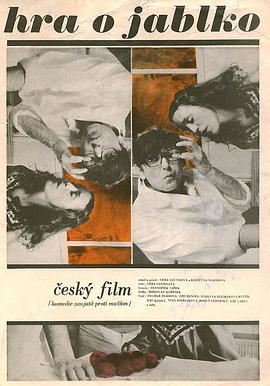
禁果游戏 (1977) [电影] 豆瓣
Hra o jablko
导演: 维拉·希蒂洛娃 演员: Dagmar Bláhová / 伊日·门泽尔
其它标题: Hra o jablko / The Apple Game
医生与护士,妇产科里的医院风云。从一位男医生的性生活发展,以诙谐手法刻划人性及医院里的人际关系。
安娜,27岁的助产士,在城里大医院谋得护士一职,之前她在乡下用自然的方式对许多孕妇做过分娩,但在这新的大环境里却失去自信心,尤其是面对主治大夫约翰的暗讽作弄时,让她十分紧张。
单身的约翰与已婚妇人玛莎的风流韵事常起波澜,一天在街上不期而遇看到安娜,遂邀她到小饭馆里喝酒。欢愉的一夜,约翰醉了,安娜叫车送他回去,可是约翰说不出地址,只好留在她家。
第二天,约翰醒来自行离去,但不久又折回拿遗落的钥匙,在安娜的怂恿下,他们匆忙的出门,汽车直驶郊外,两人悠闲的渡过星期天。
隔天上班,安娜对约翰医生对她的不理不睬与冷漠态度感到十分意外,也发现任何新进的护士都是约翰猎取的目标。她帮助理拿验孕报告,因不知姓名而在档案上写著安娜的名字,化验报告是怀孕成功,在楼梯间约翰看了一下报告,安娜并未多做解释,反而扮演自己是怀孕少女的角色。约翰只示意淡淡的关怀,其事不关己的态度,使安娜决定要教训他。
约翰随安娜返乡探望姊姊,在抵达时紧急协助难产母牛产下一只小牛,获得当场人士热烈的掌声,一致推崇她的接生技术,约翰当场也向她求婚,但在知道怀孕是个骗局之后,他又反悔了。回到家里,安娜发现自己真的怀孕了。她决定辞职,离开医院的工作。
约翰更大的烦恼涌现:多年努力有成的科研生育计划案,因最近一次与玛莎大夫的争吵,阴错阳差的被销毁了。这个临床报告无法提出,致使约翰不得不离开医院,迳自下乡去另找一份工作。
有一天,他发现安娜怀孕却自由自在的身影,感慨堂堂经过严格科学历练的专业医生有时真的比不上一位草根性的助产士而汗颜,村姑护士让风流西医彻底体会爱是奉献与知足长乐的真正含义。
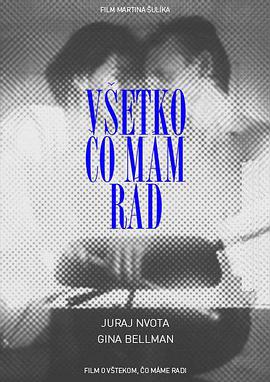
我所爱的一切 (1993) [电影] 豆瓣
Vsetko co mam rad
导演: 马丁·舒利克 演员: 尤拉伊·恩沃塔 / 吉娜·贝尔曼
其它标题: Vsetko co mam rad / Everything I Like
At 38, Thomas is at a crossroads in his life. His parents are nonstop guilt-inducers, his ex-wife is always on his back, and his son is far from inspirational. Thomas himself is almost too intellectual to survive daily life. The attentions of a straightforward English teacher seem to be a way out.
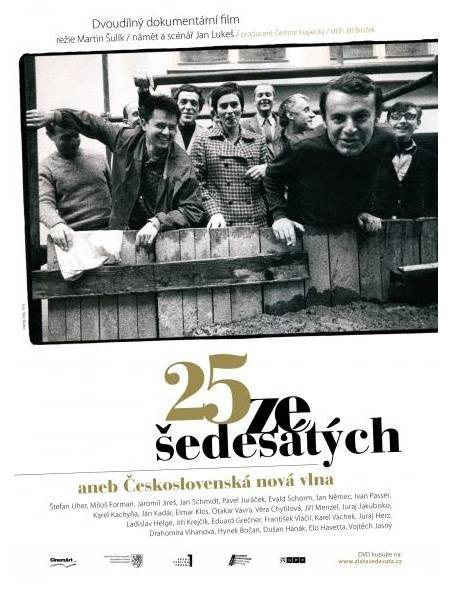
捷克斯洛伐克60年代新浪潮电影二十五面体 (2010) [电影] 豆瓣
25 ze šedesátý cheskoslovenská nová vlna
9.2 (5 个评分) 导演: 马丁·苏力克 演员: 斯蒂芬·乌赫尔 / 米洛斯·福尔曼
其它标题: 25 ze šedesátý cheskoslovenská nová vlna / 捷克斯洛伐克60年代新浪潮電影二十五面「睇」
The 2-part feature-length documentary "25 ze šedesátých aneb Československá nová vlna" ("25 from the Sixties, or Czechoslovak New Wave") presents a complex view of the phenomenon of Czech and Slovak New Wave in the cultural and social context of the 60's. 25 fundamental films commented on by their makers and film historians offer the viewer a dramatic insight into the golden era of Czechoslovak cinema.
The documentary is a follow-up on the biographical TV series "Zlatá šedesátá" (Czech Television, 2009), based on the filmmakers' personal remembrances. As opposed to the series, the documentary presents the Czech and Slovak cinema of the 60's in the national, international and also inter-generational context. It describes the ways the New Wave crossed the existing artistic boundaries, how it variegated the world cinema and where it left an ineffaceable impression. It analyses the work of filmmakers in a state-funded cinema, under the pressure of ideological demands on one hand and commerce on the other. It presents the dilemma of a man - an artist - on the edge between contradictory social systems and incongruous aesthetic requirements. The existential drama of a man acting freely and at the same time mercilessly crushed by the wheels of the system.
The 60's are, from this point of view, mostly an era of fortunate historical constellation, not only in - at that time - Czechoslovakia, but on a world-wide scale. An era of expectations and upswing, but also an era of exemplary human decisions and artistic pursuit. Those are some of the things "25 ze šedesátých aneb Československá nová vlna" wants to commemorate.
Part 1 comments on:
■"Slnko v sieti" ("The Sun in a Net," 1962) by Štefan Uher
■"Konkurs" ("Audition," 1963) by Miloš Forman
■"Křik" ("The Cry," 1963) by Jaromil Jireš
■"Postava k podpírání" ("Joseph Kilian," 1963) by Pavel Juráček & Jan Schmidt
■"Každý den odvahu" ("Courage for Every Day," 1964) by Evald Schorm
■"Démanty noci" ("Diamonds of the Night," 1964) by Jan Němec
■"Intimní osvětlení" ("Intimate Lighting," 1966) by Ivan Passer
■"Ať žije republika" ("Long Live the Republic," 1965) by Karel Kachyňa
■"Obchod na korze" ("The Shop on Main Street," 1965) by Ján Kadár & Elmar Klos
■"Romance pro křídlovku" ("Romance for Bugle," 1966) by Otakar Vávra
■"Sedmikrásky" ("Daisies," 1966) by Věra Chytilová
■"Ostře sledované vlaky" ("Closely Watched Trains," 1966) by Jiří Menzel
Part 2 comments on:
■"Kristove roky" ("The Prime of Life," 1967) by Juraj Jakubisko
■"Stud" ("Shame," 1967) by Ladislav Helge
■"Svatba jako řemen" ("A Hard and Fast Marriage," 1967) by Jiří Krejčík
■"Drak sa vracia" ("Dragon's Return," 1967) by Eduard Grečner
■"Marketa Lazarová" ("Marketa Lazarová," 1967) by František Vláčil
■"Spřízněni volbou" ("Elective Affinities," 1968) by Karel Vachek
■"Spalovač mrtvol" ("The Cremator," 1968) by Juraj Herz
■"Zabitá neděle" ("Squandered Sunday," 1969) by Drahomíra Vihanová
■"Pasťák" ("The Decoy," 1968) by Hynek Bočan
■"Případ pro začínajícího kata" ("Case for a Rookie Hangman," 1969) by Pavel Juráček
■"322" ("322," 1969) by Dušan Hanák
■"Slávnosť v botanickej záhrade" ("Celebration in the Botanical Garden," 1969) by Elo Havetta
■"Všichni dobří rodáci" ("All My Good Countrymen," 1968) by Vojtěch Jasný
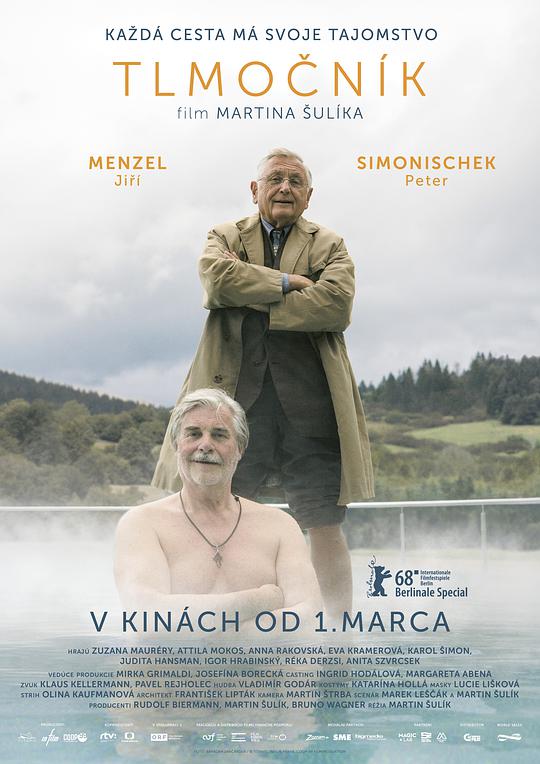
翻译员 (2018) [电影] 豆瓣
Tlmočník
7.1 (7 个评分) 导演: 马丁·舒利克 演员: 伊日·门泽尔 / 彼得·西蒙尼舍克
其它标题: Tlmočník / 二战忏悔路
在非洲出生的联合国翻译员希尔薇亚,一天无意间听到有人用只有包括希尔薇亚在内的少数人听得懂的非洲土语,讨论一项暗杀阴谋,暗杀对象是即将在联合国大会发表演说的一位非洲国家元首。而希尔薇亚在听到这项惊人秘密之后,很快也成为凶手的追杀对象。密勤局指派托宾·凯勒探员负责席希尔薇亚的安全。但凯勒在调查过程中却发掘出她过去黑暗复杂的一面,他开始怀疑她并没有完全说出实情,对她的不信任感愈来愈强烈。而他在处理这一难题的同时,也必须和这位他负责保护的陌生女子诚实分享他自己的痛苦过去。这场诡谲多变的政治暗杀行动日益逼近,希尔薇亚的人身安全也随时遭到威胁……
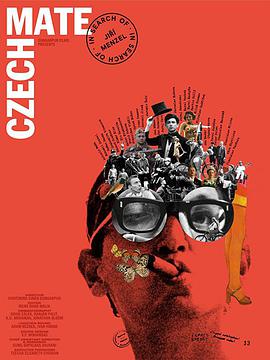
捷克伙伴:寻找伊日·门泽尔 (2018) [电影] 豆瓣 维基数据 IMDb TMDB
CzechMate: In Search of Jirí Menzel
导演: 施云德拉·塞恩·邓加佩 演员: 伊日·门泽尔 / 米洛斯·福尔曼
其它标题: CzechMate: In Search of Jiří Menzel / CzechMate: In Search of Jirí Menzel
An epic exploration of the Czechoslovak New Wave cinema of the 1960s and 70s, structured around a series of conversations with one of its most acclaimed exponents - Closely Observed Trains director Jiří Menzel.
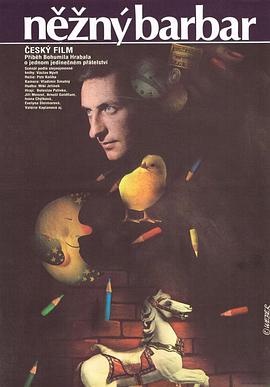
温柔的野蛮人 (1990) [电影] 豆瓣
Nežný Barbar
导演: Petr Koliha 演员: 波莱克·波利夫卡 / 伊日·门泽尔
其它标题: Nežný Barbar / Tender Barbarian
50年代的布拉格,画家、作家与诗人三位好友整天过着波希米亚式的放浪生活。作风前卫大胆的画家沃拉吉米尔,笔下交错纵横的复杂线条总是教人难以参透;但不管是任何破铜烂铁到了他手中,都能摇身一变为化腐朽为神奇的天然画作。即便钢铁厂薪水微薄、作品饱受上级嘲笑,每天也只能以粗陋面包勉强果腹,他依然甘之如饴。然而苦于无法获得世人、甚至好友的赏识,怀才不遇的孤独与挫折始终深深煎熬着他。
赫拉巴尔一生干过许多工作,1949至1952年间曾短暂待过克拉德诺钢铁厂,并在此初次遇到毕生挚友、也是他笔下许多小说中的角色,那就是片中主角沃拉吉米尔波狄尼克(Vladimir Boudnik)。作为一位画家与摄影师,沃拉吉米尔在战后捷克艺文界占有举足轻重的地位,也是爆炸主义(Explosionism)的当家旗手。钢铁厂的工作经验,让他学会将身旁随手可得的工业废弃物用来创作;他尤其专精于版画,开创出许多崭新的版画技巧,更是最早透过行动艺术来与一般大众交流的捷克艺术家之一。
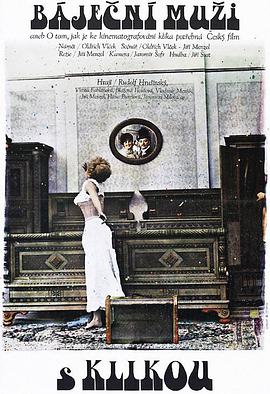
银幕的魔术师 (1978) [电影] 豆瓣 IMDb 维基数据 TMDB
Bajecni muzi s klikou
导演: 伊日·门泽尔 演员: 鲁道夫·霍辛斯基 / 弗拉丝塔·法比安诺娃
其它标题: Bajecni muzi s klikou / Magicians of the Silverscreen
This 1978 film, set in 1907, is a tribute commemorating the 80th year of Czechoslovak filmmaking. Among the accomplishments of Czechoslovak filmmakers of the period are, the improvement on the Lumière camera and the creation of a commercially viable indigenous cinema years before Berlin. Czechoslovak films were sufficiently distinctive and plentiful to make a notable contribution to world cinema of the time. In this movie, the filming of several one-reel movies of the period is re-enacted ~ Clarke Fountain, All Movie Guide.
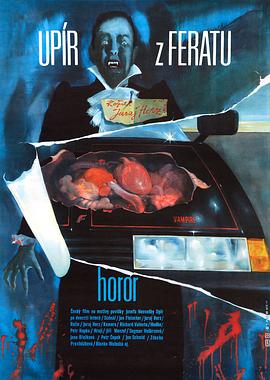
费拉特吸血鬼 (1982) [电影] 豆瓣
Upir z Feratu
导演: 尤拉伊·赫兹 演员: 伊日·门泽尔 / 达格玛·维斯科莫娃
其它标题: Upir z Feratu / Ferat Vampire
A doctor Marek is shocked when his beloved nurse Mima signs a contract with foreign car manufacturer Ferat, in order to work for them as a rally-driver. A fellow doctor makes him believe that human blood is being used as fuel for Mima's ever winning car, but does that really work?
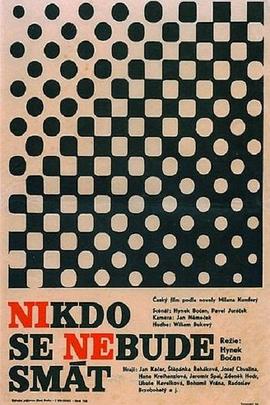
没人笑得出来 (1966) [电影] 豆瓣
Nikdo se nebude smát
导演: Hynek Bocan 演员: Jan Kacer / Stepánka Rehákova
其它标题: Nikdo se nebude smát / Nobody Will Laugh
影片故事来自米兰-昆德拉的短篇小说,由Pavel Jurácek和导演Hynek Bocan共同执笔改编,是捷克新浪潮电影中的一部重要作品。获1965年德国曼海姆-海登堡国际电影节金奖。
In this Czech comedy, an art critic is hounded by a determined man who wishes to publish his manuscript about a famous artist. When the critic receives the author's work, he sends a letter wishing the man luck without reading a single page. The determined author forces the art critic to tell him what he thinks of his manuscript. In the meantime, the writer loses his job, his girlfriend, and falls out of favor with the Communist Party before learning his literary efforts are no good.
Czech filmmaker Hynek Bocan largely eschewed the conventions of his country's New Wave cinema in favor of making well-crafted, traditional literary adaptations. A graduate of his native Prague's prestigious FAMU in 1961, Bocan started out working at the Barrandov Film Studio, assisting such filmmakers as Karel Kachyna, Jan Nemec, and Jiri Weiss. In addition to directing, Bocan collaborated on the screenplays of all of his films. He made his directorial debut with Nikdo se Nebude Smat/No Laughing Matter (1965). In 1969, while working on his third film, Pastak/The Decoy, Bocan encountered political differences with his government and was prevented from completing the production; it was not until 1990 that the film was finished and released. Unable to work in features, Bocan turned to television to co-write and direct the nine-episode series Zahada Hlavolau/The Mystery of a Brain Teaser. In 1974, Bocan was allowed to return to filmmaking, and he released Muz z Lonyna/The Man From London. Bocan has subsequently divided his time between feature films and television.