Sadao Maruyama — Actor (7)
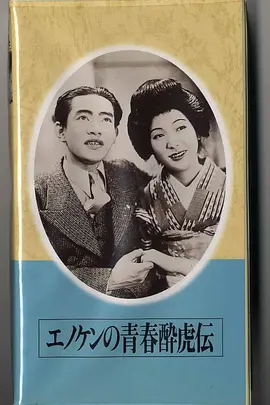
Enoken's Story of a Young, Drunken Tiger (1934) [Movie] Douban IMDb TMDB
エノケンの青春酔虎伝
director:
Kajirō Yamamoto
actor:
Kenichi Enomoto
/
Masako Tsutsumi
…
other title:
エノケンの青春酔虎伝
/
Romantic and Crazy
…
This, the first Enoken film, was made in 1934. Production was proposed to Pierre Brillante (PB), Enoken's theatrical troupe based at the Shochikuza Theater in Asakusa, by Iwao Mori, a producer at P.C.L. (Photo Science Laboratory), a new film company that had just been established in 1932. P.C.L. was known for its modern style, as exemplified by its first film, “Hoyoyohi Jinsei” (1933). For Enoken, who was strongly influenced by Hollywood musicals and Broadway reviews, the prospect of making a P.C.L. film that would be released in a Western-style theater was a no-brainer. Therefore, he chose Kajiro Yamamoto, who had been active at Nikkatsu Kyoto, to direct the film. The reason for this was “because he understands musical scores.
Enoken and Yamamoto's goal seems to have been to make a Hollywood style musical. In particular, they took their inspiration from the Eddie Cantor comedies that were released in rapid succession between 1931 and 1933. Cantor, who moves chokomaka with his small body, is characterized, like Enoken, by his large, circling eyeballs. The opening song, Printemps, sung by Sadakazu Futamura, Kanta Kisaragi and Enoken with the female students in the open air, is Yes, Yes, My Baby Said Yes, Yes (composed by Con Conrad), a song from Cantor's Whoopee! (1931). It is also performed in the middle of Romantic and Crazy in a scene where Enomoto is teased by Rirako and other female students, but visually, a similar situation can be seen in the Yes. Yes! number in Whoopee. Boku wa yuutsu da sung while studying for exams is also originally My Baby Just Cares For Me also from Cantor's Whoope!.
Enoken and Yamamoto's goal seems to have been to make a Hollywood style musical. In particular, they took their inspiration from the Eddie Cantor comedies that were released in rapid succession between 1931 and 1933. Cantor, who moves chokomaka with his small body, is characterized, like Enoken, by his large, circling eyeballs. The opening song, Printemps, sung by Sadakazu Futamura, Kanta Kisaragi and Enoken with the female students in the open air, is Yes, Yes, My Baby Said Yes, Yes (composed by Con Conrad), a song from Cantor's Whoopee! (1931). It is also performed in the middle of Romantic and Crazy in a scene where Enomoto is teased by Rirako and other female students, but visually, a similar situation can be seen in the Yes. Yes! number in Whoopee. Boku wa yuutsu da sung while studying for exams is also originally My Baby Just Cares For Me also from Cantor's Whoope!.

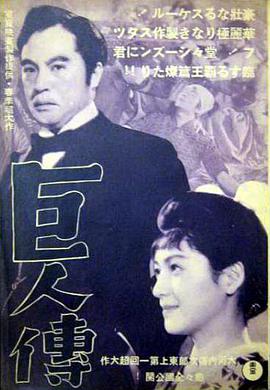
Kyojin-den (1938) [Movie] Douban
巨人傳
other title:
巨人传
/
巨人傳
ヴィクトル・ユゴーの『レ・ミゼラブル』を映画化した、伊丹万作最後の監督作品。時代を幕末から明治維新直後に設定し、前科者で何度も脱獄を試みたものの失敗、19年の刑に処された大沼という男が、ついには役人を殺して脱獄に成功、時代の混乱に乗じて世の中を渡り歩いていく姿を描く。ある時、彼は不幸な少女・千代子を引き取り、育て上げていくのだが……。これまでにもゴルズワジーの『逃走』を翻案した「逃げ行く小平次」、モルナールの『リリオム』の翻案「金的力太郎」で多大な評価を得ていた伊丹が、再び『レ・ミゼラブル』を見事に日本の風土に展開した作品。この頃から闘病生活に入った彼は、以後、稲垣浩の「無法松の一生」「手をつなぐ子ら」など脚本を担当したのみで、ついに監督に復帰することなく、1946年、世を去った。
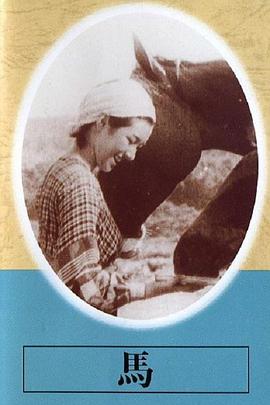
Horse (1941) [Movie] Douban
馬
other title:
马
/
馬
…
The story of the film is simple: A young girl in the countryside raises a young horse and develops a deep relationship to the animal. But the war is becoming part of life, so in the end she has to sacrifice her horse and sell it to the military.
The idea of propaganda film has been discussed by various scholars. Donald Keene mentioned that it only takes the ending of a film like uma to turn an overall innocent story into propaganda. The film was in 1941 officially supported and praised by the Japanese government. An official government statement commented: “Feel Gratitude in your hear and lend yourself to support the war effort” and Army Minister Tojo Hideki commented: “Only by means of the heartfelt affection of the breeders can fine horses – a mobile weapon that will become increasingly necessary in the future – be raised.”
A film about a teenager fond of horses, that turns into a propaganda film – so why should you be interested? Uma directed by Kajiro Yamamoto is often regarded as being the first film with a major involvement of Akira Kurosawa – who apart from his job as assistant director was said to have a love affair with the film’s teen aged star Takamine Hideko. Takamine herself was already one of the greatest stars of Japanese cinema, affectionately referred to as “Deko-chan” by her fans. After the war she would appear in many famous movies, most prominently in the works of Kinoshita and Naruse.
The idea of propaganda film has been discussed by various scholars. Donald Keene mentioned that it only takes the ending of a film like uma to turn an overall innocent story into propaganda. The film was in 1941 officially supported and praised by the Japanese government. An official government statement commented: “Feel Gratitude in your hear and lend yourself to support the war effort” and Army Minister Tojo Hideki commented: “Only by means of the heartfelt affection of the breeders can fine horses – a mobile weapon that will become increasingly necessary in the future – be raised.”
A film about a teenager fond of horses, that turns into a propaganda film – so why should you be interested? Uma directed by Kajiro Yamamoto is often regarded as being the first film with a major involvement of Akira Kurosawa – who apart from his job as assistant director was said to have a love affair with the film’s teen aged star Takamine Hideko. Takamine herself was already one of the greatest stars of Japanese cinema, affectionately referred to as “Deko-chan” by her fans. After the war she would appear in many famous movies, most prominently in the works of Kinoshita and Naruse.
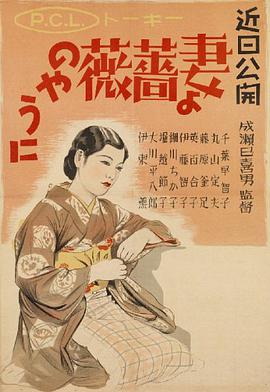
Wife! Be Like a Rose! (1935) [Movie] WikiData IMDb TMDB Eggplant.place Douban
妻よ薔薇のやうに
other title:
愿妻如蔷薇
/
妻よ薔薇のやうに
…
Kimiko, a Tokyo white-collar working girl, lives with her serious, intellectual, haiku-writing mother. Kimiko seeks to marry her boyfriend but needs her absent father to act as the go-between and negotiate the marriage. Kimiko travels and finds her father living with a second family.