Peter Mattei — 演员 (10)
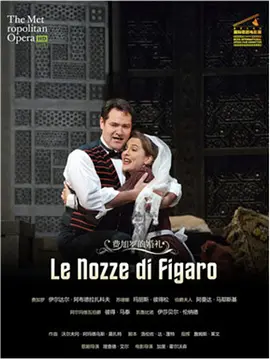
费加罗的婚礼 (2014) [电影] 豆瓣
"The Metropolitan Opera HD Live" Mozart: Le Nozze Di Figaro
导演: Richard Eyre 演员: Ildar Abdrazakov / Marlis Petersen
其它标题: "The Metropolitan Opera HD Live" Mozart: Le Nozze Di Figaro / 《费加罗的婚礼》大都会歌剧院版
费加罗(Ildar Abdrazakov 饰)是在阿玛维瓦伯爵手下任职的男仆,与同为女仆的苏珊娜(Marlis Petersen 饰)两情相悦,两人约定携手步入婚礼的殿堂。然而,阿玛维瓦伯爵贪恋苏珊娜的美貌已久,想方设法阻碍她和费加罗的结合,愤怒的费加罗决定利用自己的智慧,联手伯爵的妻子罗西娜给这个贪婪好色的老头子一点颜色瞧瞧。
苏珊娜给伯爵写了一封热情洋溢的信,约他在花园里见面。当夜,伯爵趁着月色准时赴约,隐约看到一女子站在树下,于是不分青红皂白就抱住她亲热了起来,哪知道这名女子不是苏珊娜,而是他的妻子罗西娜。
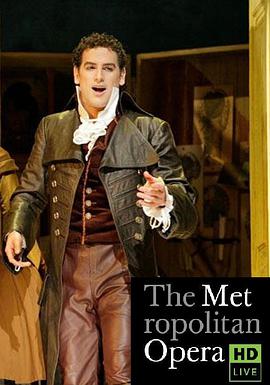
罗西尼《塞维利亚的理发师》 (2008) [电影] 豆瓣
The Metropolitan Opera HD Live: Season 1, Episode 5 Rossini's Il barbiere di Siviglia
导演: Gary Halvorson 演员: Joyce DiDonato / Juan Diego Flórez
其它标题: The Metropolitan Opera HD Live: Season 1, Episode 5 Rossini's Il barbiere di Siviglia / 大都会歌剧院高清转播系列 第一季第五集
《塞维利亚的理发师》,二幕喜歌剧,以法国作家包玛蔡斯的同名讽刺喜剧为蓝本,并由史特宾尼编剧。罗西尼以短短13天一气呵成谱曲,但它的首演却不尽人意,是西欧歌剧史上十分著名的首演失败之一,失败的原因是多方面的。在罗西尼之前,当时意大利老资格的作曲家派西埃洛已将博马舍的喜剧《塞维利亚理发师》创作成歌剧。1816年,罗西尼受雇剧团的经理根据罗马教皇警察局的挑选又要他创作一部新的《塞维利亚理发师》。派西埃洛在观众中享有很高的声誉,罗西尼预料到会遇到麻烦。他事先写信给派西埃洛,请求他的准许。派西埃洛已经注意到了罗西尼这个年青的对手,回信时既客气又挖苦,说由他来批准罗马当局选定的脚本非常荣幸。尽管如此,相当多的观众仍认为罗西尼重新创作派西埃洛已经创作过的歌剧是胆大妄为,甚至感到非常气愤,1816年2月5日在罗马阿根廷剧院首次公演。首演当天,口哨声、喝倒彩声此起彼伏,观众几乎听不见演员在唱什么。第二天情况有所好转,一周以后,该剧的演出才获得巨大的成功。并与莫扎特的《费加罗的婚礼》共称为喜剧的双绝。很快成为世界各地歌剧院最重要的演出戏码之一,也使得此剧成为歌剧史上永放光芒的不朽名作。
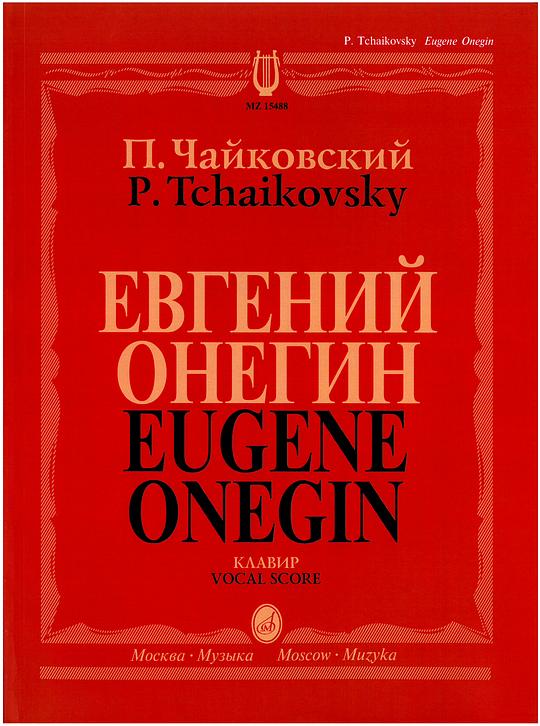
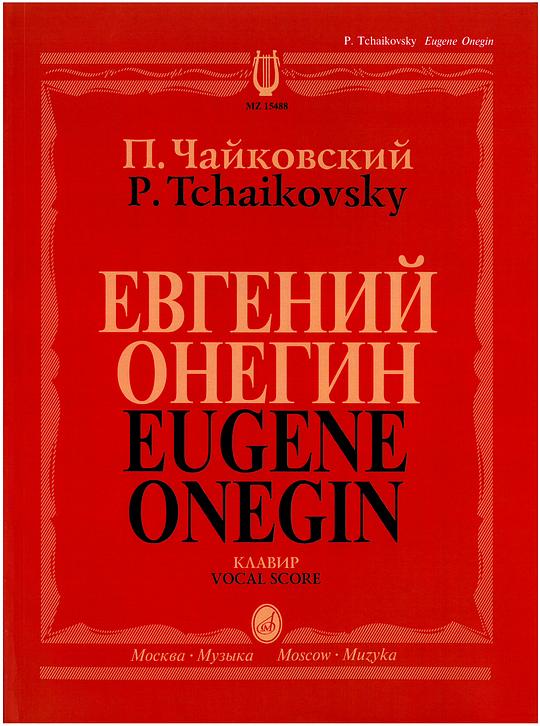
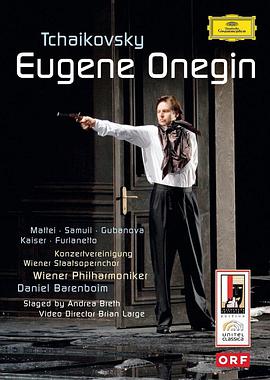
Eugene Onegin [电影] 豆瓣
Eugene Onegin
导演: Andrea Breth / Brian Large 演员: Peter Mattei / Daniel Barenboim
其它标题: 柴科夫斯基-歌剧《叶甫盖尼·奥涅金》
2007年萨尔茨堡音乐节推出全新制作的柴科夫斯基歌剧《叶甫盖尼·奥涅金》,获得极大成功,演唱塔吉雅娜的俄罗斯女高音Anna Samuil获得最多喝彩,同时,该制作本身也赢得一致称赞。
“每一细节都掌控得无与伦比!”(《萨尔茨堡晚报》);
“三个小时的激情、温柔和渴望,美妙的演出、伟大的歌唱!”(《联合通讯社》)。
塞维利亚的理发师 2007年大都会歌剧团版 [演出] 豆瓣
所属 演出: 塞维利亚的理发师
语言: italian 意大利语 剧团: Metropolitan Opera Orchestra 大都会歌剧团管弦乐团 ; Metropolitan Opera Chorus 大都会歌剧团合唱团 剧院: Metropolitan Opera House 大都会歌剧院 导演: Bartlett Sher
其它标题: 2007年大都会歌剧团版 编剧: Cesare Sterbini 作曲: Gioachino Rossini 演员: Peter Mattei / Juan Diego Flórez
Place: Seville, Spain
Time: 18th century
Act 1
The square in front of Bartolo's house
In a public square outside Bartolo's house a band of musicians and a poor student named Lindoro are serenading, to no avail, the window of Rosina ("Ecco, ridente in cielo"; "There, laughing in the sky"). Lindoro, who is really the young Count Almaviva in disguise, hopes to make the beautiful Rosina love him for himself – not his money. Almaviva pays off the musicians who then depart, leaving him to brood alone. Rosina is the young ward of the grumpy, elderly Bartolo and she is allowed very little freedom because Bartolo plans to marry her once she is of age and thus appropriate her not inconsiderable dowry.
Figaro approaches singing (Aria: "Largo al factotum della città"; "Make way for the factotum of the city"). Since Figaro used to be a servant of the Count, the Count asks him for assistance in helping him meet Rosina, offering him money should he be successful in arranging this. (Duet: "All'idea di quel metallo"; "At the idea of that metal"). Figaro advises the Count to disguise himself as a drunken soldier, ordered to be billeted with Bartolo, so as to gain entrance to the house. For this suggestion, Figaro is richly rewarded.
A room in Bartolo's house with four doors
The scene begins with Rosina's cavatina, "Una voce poco fa" ("A voice a little while ago"). (This aria was originally written in the key of E major, but it is sometimes transposed a semitone up into F major for coloratura sopranos to perform, giving them the chance to sing extra, almost traditional, cadenzas, sometimes reaching high Ds or even Fs.)
Knowing the Count only as Lindoro, Rosina writes to him. As she is leaving the room, Bartolo and Basilio enter. Bartolo is suspicious of the Count, and Basilio advises that he be put out of the way by creating false rumours about him (this aria, "La calunnia è un venticello" – "Calumny is a little breeze" – is almost always sung a tone lower than the original D major).
When the two have gone, Rosina and Figaro enter. Figaro asks Rosina to write a few encouraging words to Lindoro, which she has actually already written. (Duet: "Dunque io son...tu non m'inganni?"; "Then I'm the one...you're not fooling me?"). Although surprised by Bartolo, Rosina manages to fool him, but he remains suspicious. (Aria: "A un dottor della mia sorte"; "To a doctor of my class").
Count Almaviva, disguised as a soldier and pretending to be drunk, enters the house and demands to be quartered there. In fear of the drunken man, Berta the housekeeper rushes to Bartolo for protection. Bartolo tells the "soldier" that he (Bartolo) has an official exemption which excuses him from the requirement to quarter soldiers in his home. Almaviva pretends to be too drunk and belligerent to understand, and dares Bartolo to brawl. While Bartolo searches his cluttered desk for the official document which would prove his exemption, Almaviva whispers to Rosina that he is Lindoro in disguise, and passes a love-letter to her. Bartolo suspiciously demands to know what is in the piece of paper in Rosina's hands, but she fools him by handing over her laundry list. Bartolo and the Count argue loudly. Basilio enters; then Figaro, who warns that the noise of the argument is rousing the whole neighborhood. Finally, the noise attracts the attention of the Officer of the Watch and his troops, who crowd into the room. Bartolo demands that the Officer arrest the "drunken soldier". The Officer starts to do so, but Almaviva quietly reveals his true identity to the Officer, and he (the Officer) backs off and stands down. Bartolo and Basilio are astonished and mystified; Figaro laughs quietly at them. (Finale: "Fredda ed immobile, come una statua"; "Cold and still, just like a statue"). The confusion intensifies and causes everyone to suffer headaches and auditory hallucinations ("Mi par d'esser con la testa in un'orrida fucina; dell'incudini sonore l'importuno strepitar."; "My head seems to be in a fiery forge: the sound of the anvils deafens the ear.")
Act 2
A room in Bartolo's house with a piano
Almaviva again appears at the doctor's house, this time disguised as a priest who is also a singing tutor and pretending to act as substitute for the supposedly ailing Basilio, Rosina's regular singing teacher. Initially, Bartolo is suspicious, but does allow Almaviva to enter when the Count gives him Rosina's letter. He describes his plan to discredit Lindoro whom he believes to be one of the Count's servants, intent on pursuing women for his master. While Almaviva pretends to give Rosina her singing lesson, Figaro arrives to shave Bartolo. Bartolo demurs, but Figaro makes such a scene he agrees, but in order not to leave the supposed music master alone with Rosina, the doctor has Figaro shave him right there in the music room. When Basilio suddenly appears, he is bribed by a full purse from Almaviva and persuaded to leave again, with much discussion of how ill he looks. (Quintet: "Don Basilio! – Cosa veggo!"; "Don Basilio! – What do I see?"). Figaro begins to shave Bartolo, but Bartolo overhears the lovers conspiring, and angrily drives everybody away.
The scene returns to the location of act 1 with a grill looking out onto the square. Bartolo orders Basilio to have the notary ready to marry him to Rosina that evening. He also explains his plot to come between the lovers. Basilio leaves and Rosina arrives. Bartolo shows Rosina the letter she wrote to "Lindoro", and persuades her that this is evidence that Lindoro is merely a flunky of Almaviva and is toying with her at Almaviva's behest. Rosina believes him and agrees to marry him.
During an instrumental interlude, the music creates a thunder storm to indicate the passage of time. The Count and Figaro climb up a ladder to the balcony and enter the room through a window. Rosina shows Almaviva the letter and accuses him of betraying her. Almaviva reveals his identity and the two reconcile. While Almaviva and Rosina are enraptured by one another, Figaro keeps urging them to leave. Two people are heard approaching the front door, who later turn out to be Basilio and the notary. However, when the Count, Rosina, and Figaro attempt to leave by way of the ladder, they discover it has been removed. The marriage contract requires two witnesses; Figaro is one, but another is needed. The Count makes Basilio an offer he can't refuse: the choice of accepting a bribe and being a witness to his marriage or receiving two bullets in the head (an easy choice, Basilio says). He and Figaro witness the signatures to a marriage contract between the Count and Rosina. Bartolo barges in, accompanied by the Officer and the men of the watch, but too late; the marriage is already complete. The befuddled Bartolo (who was the one who had removed the ladder) is pacified by being allowed to retain Rosina's dowry. The opera concludes with an anthem to love ("Amor e fede eterna, si vegga in noi regnar!").
叶甫盖尼 • 奥涅金 2007年萨尔茨堡艺术节版 [演出] 豆瓣
所属 演出: 叶甫盖尼 • 奥涅金
语言: 俄语 剧团: Wiener Philharmoniker 维也纳爱乐乐团 ; Konzertvereinigung Wiener Staatsopernchor 维也纳国家歌剧院合唱团音乐会协会 剧院: Großes Festspielhaus 萨尔茨堡艺术节大剧院 导演: Andrea Breth
其它标题: 2007年萨尔茨堡艺术节版 编剧: Pyotr Ilyich Tchaikovsky / Konstantin Shilovsky 作曲: Pyotr IIyich Tchaikovsky 演员: Peter Mattei / Anna Samuil
Time: The 1820s
Place: St Petersburg and surrounding countryside
Act 1
Scene 1: The garden of the Larin country estate
Madame Larina and the nurse Filippyevna are sitting outside in the garden. They can hear Madame Larina's two daughters, Tatyana and her younger sister Olga, singing a love song. Madame Larina begins to reminisce about her own courtship and marriage. A group of peasants enter, and celebrate the harvest with songs and dances. Tatyana and Olga watch. Tatyana has been reading a romantic novel and is absorbed by the story; her carefree sister, on the other hand, wants to join in the celebrations. Madame Larina tells Tatyana that real life is very different from her novels. Filippyevna announces that visitors have arrived: Olga's fiancé Lensky, a young poet, and his friend Eugene Onegin, visiting the area from St Petersburg. The pair are shown in and Lensky introduces Onegin to the Larin family. Onegin is initially surprised that Lensky has chosen the extrovert Olga rather than her more subtle elder sister as his fiancée. Tatyana for her part is immediately and strongly attracted to Onegin. Lensky expresses his delight at seeing Olga and she responds flirtatiously. Onegin tells Tatyana of his boredom in the country and describes the death of his uncle and his subsequent inheritance of a nearby estate. Filippyevna recognizes that Onegin has had a profound effect on Tatyana.
Scene 2: Tatyana's room
Tatyana is dressed for bed. Restless and unable to sleep, she asks her nurse Filippyevna to tell her about her youth and early marriage. Tatyana confesses that she is in love. Left alone, Tatyana pours out her feelings in a letter to Onegin. She tells him that she loves him and believes that she will never feel this way about anyone else, and begs him to understand and help her. She finishes writing the letter at dawn. A shepherd's pipe is heard in the distance. Filippyevna enters the room to wake Tatyana. Tatyana persuades her to send her grandson to deliver the letter to Onegin.
Scene 3: Another part of the estate
Servant girls pick fruit and sing as they work. Tatyana waits anxiously for Onegin's arrival. Onegin enters to see Tatyana and give her his answer to her letter. He explains, not unkindly, that he is not a man who loves easily and is unsuited to marriage. He is unworthy of her love and can only offer her brotherly affection. He warns Tatyana to be less emotionally open in the future. The voices of the servant girls singing are heard again. Tatyana is crushed and unable to reply.
Act 2
Scene 1: The ballroom of the Larin house
A ball is being given in honour of Tatyana, whose name day it is. Onegin is dancing with her. He grows irritated with a group of neighbours who gossip about him and Tatyana, and with Lensky for persuading him to come to the ball. He decides to avenge himself by dancing and flirting with Olga. Lensky is astounded and becomes extremely jealous. He confronts Olga but she cannot see that she has done anything wrong and tells Lensky not to be ridiculous. Onegin asks Olga to dance with him again and she agrees, as "punishment" for Lensky's jealousy. The elderly French tutor Monsieur Triquet sings some couplets in honour of Tatyana, after which the quarrel between Lensky and Onegin becomes more intense. Lensky renounces his friendship with Onegin in front of all the guests, and challenges Onegin to a duel, which the latter is forced, with many misgivings, to accept. Tatyana collapses and the ball ends in confusion.
Scene 2: On the banks of a wooded stream, early morning
Lensky is waiting for Onegin with his second Zaretsky. Lensky reflects on his life, his fear of death and his love for Olga. Onegin arrives with his manservant Guillot. Both Lensky and Onegin are reluctant to go ahead with the duel, reflecting on the senselessness of their sudden enmity. But it is too late; neither man has the courage to stop the duel. Zaretsky gives them the signal and Onegin shoots Lensky dead.
Act 3
Scene 1: The house of a rich nobleman in St Petersburg
Five years have passed, during which Onegin has travelled extensively around Europe. Standing alone at a ball, he reflects on the emptiness of his life and his remorse over the death of Lensky. Prince Gremin enters with Tatyana, his wife, now a grand, aristocratic beauty. She is greeted by many of the guests with great deference. Onegin is taken aback when he sees Tatyana, and deeply impressed by her beauty and noble bearing. Tatyana, in turn, is overwhelmed with emotion when she recognizes him, but tries to suppress it. Gremin tells Onegin about his great happiness and love for Tatyana, and re-introduces Onegin to his wife. Onegin, suddenly injected with new life, realizes that he is in love with Tatyana. He determines to write to her and arrange a meeting.
Scene 2: A room in Prince Gremin's house
Tatyana has received Onegin's letter, which has stirred up the passion she felt for him as a young girl and disturbed her. Onegin enters. Tatyana recalls her earlier feelings and asks why Onegin is pursuing her now. Is it because of her social position? Onegin denies any cynical motivation: his passion is real and overwhelming. Tatyana, moved to tears, reflects how near they once were to happiness but nevertheless asks him to leave. He asks her to have pity. Tatyana admits she still loves Onegin, but asserts that their union can never be realized, as she is now married, and determined to remain faithful to her husband despite her true feelings. Onegin implores her to relent, but she bids him farewell forever, leaving him alone and in despair.
叶甫盖尼 • 奥涅金 2017年大都会歌剧团版 [演出] 豆瓣
所属 演出: 叶甫盖尼 • 奥涅金
语言: russian 俄语 剧团: Metropolitan Opera Orchestra 大都会歌剧团管弦乐团 ; Metropolitan Opera Chorus 大都会歌剧团合唱团 ; Metropolitan Opera Ballet 大都会歌剧团芭蕾舞团 剧院: Metropolitan Opera House 大都会歌剧院 导演: Deborah Warner / Paula Williams
其它标题: 2017年大都会歌剧团版 编剧: Pyotr Ilyich Tchaikovsky / Konstantin Shilovsky 作曲: Pyotr Ilyich Tchaikovsky 演员: Peter Mattei / Anna Netrebko
Time: The 1820s
Place: St Petersburg and surrounding countryside
Act 1
Scene 1: The garden of the Larin country estate
Madame Larina and the nurse Filippyevna are sitting outside in the garden. They can hear Madame Larina's two daughters, Tatyana and her younger sister Olga, singing a love song. Madame Larina begins to reminisce about her own courtship and marriage. A group of peasants enter, and celebrate the harvest with songs and dances. Tatyana and Olga watch. Tatyana has been reading a romantic novel and is absorbed by the story; her carefree sister, on the other hand, wants to join in the celebrations. Madame Larina tells Tatyana that real life is very different from her novels. Filippyevna announces that visitors have arrived: Olga's fiancé Lensky, a young poet, and his friend Eugene Onegin, visiting the area from St Petersburg. The pair are shown in and Lensky introduces Onegin to the Larin family. Onegin is initially surprised that Lensky has chosen the extrovert Olga rather than her more subtle elder sister as his fiancée. Tatyana for her part is immediately and strongly attracted to Onegin. Lensky expresses his delight at seeing Olga and she responds flirtatiously. Onegin tells Tatyana of his boredom in the country and describes the death of his uncle and his subsequent inheritance of a nearby estate. Filippyevna recognizes that Onegin has had a profound effect on Tatyana.
Scene 2: Tatyana's room
Tatyana is dressed for bed. Restless and unable to sleep, she asks her nurse Filippyevna to tell her about her youth and early marriage. Tatyana confesses that she is in love. Left alone, Tatyana pours out her feelings in a letter to Onegin. She tells him that she loves him and believes that she will never feel this way about anyone else, and begs him to understand and help her. She finishes writing the letter at dawn. A shepherd's pipe is heard in the distance. Filippyevna enters the room to wake Tatyana. Tatyana persuades her to send her grandson to deliver the letter to Onegin.
Scene 3: Another part of the estate
Servant girls pick fruit and sing as they work. Tatyana waits anxiously for Onegin's arrival. Onegin enters to see Tatyana and give her his answer to her letter. He explains, not unkindly, that he is not a man who loves easily and is unsuited to marriage. He is unworthy of her love and can only offer her brotherly affection. He warns Tatyana to be less emotionally open in the future. The voices of the servant girls singing are heard again. Tatyana is crushed and unable to reply.
Act 2
Scene 1: The ballroom of the Larin house
A ball is being given in honour of Tatyana, whose name day it is. Onegin is dancing with her. He grows irritated with a group of neighbours who gossip about him and Tatyana, and with Lensky for persuading him to come to the ball. He decides to avenge himself by dancing and flirting with Olga. Lensky is astounded and becomes extremely jealous. He confronts Olga but she cannot see that she has done anything wrong and tells Lensky not to be ridiculous. Onegin asks Olga to dance with him again and she agrees, as "punishment" for Lensky's jealousy. The elderly French tutor Monsieur Triquet sings some couplets in honour of Tatyana, after which the quarrel between Lensky and Onegin becomes more intense. Lensky renounces his friendship with Onegin in front of all the guests, and challenges Onegin to a duel, which the latter is forced, with many misgivings, to accept. Tatyana collapses and the ball ends in confusion.
Scene 2: On the banks of a wooded stream, early morning
Lensky is waiting for Onegin with his second Zaretsky. Lensky reflects on his life, his fear of death and his love for Olga. Onegin arrives with his manservant Guillot. Both Lensky and Onegin are reluctant to go ahead with the duel, reflecting on the senselessness of their sudden enmity. But it is too late; neither man has the courage to stop the duel. Zaretsky gives them the signal and Onegin shoots Lensky dead.
Act 3
Scene 1: The house of a rich nobleman in St Petersburg
Five years have passed, during which Onegin has travelled extensively around Europe. Standing alone at a ball, he reflects on the emptiness of his life and his remorse over the death of Lensky. Prince Gremin enters with Tatyana, his wife, now a grand, aristocratic beauty. She is greeted by many of the guests with great deference. Onegin is taken aback when he sees Tatyana, and deeply impressed by her beauty and noble bearing. Tatyana, in turn, is overwhelmed with emotion when she recognizes him, but tries to suppress it. Gremin tells Onegin about his great happiness and love for Tatyana, and re-introduces Onegin to his wife. Onegin, suddenly injected with new life, realizes that he is in love with Tatyana. He determines to write to her and arrange a meeting.
Scene 2: A room in Prince Gremin's house
Tatyana has received Onegin's letter, which has stirred up the passion she felt for him as a young girl and disturbed her. Onegin enters. Tatyana recalls her earlier feelings and asks why Onegin is pursuing her now. Is it because of her social position? Onegin denies any cynical motivation: his passion is real and overwhelming. Tatyana, moved to tears, reflects how near they once were to happiness but nevertheless asks him to leave. He asks her to have pity. Tatyana admits she still loves Onegin, but asserts that their union can never be realized, as she is now married, and determined to remain faithful to her husband despite her true feelings. Onegin implores her to relent, but she bids him farewell forever, leaving him alone and in despair.
帕西法尔 2013年大都会歌剧团版 [演出] 豆瓣
所属 演出: 帕西法尔
语言: german 德语 剧团: Metropolitan Opera Orchestra 大都会歌剧团管弦乐团 ; Metropolitan Opera Chorus 大都会歌剧团合唱团 剧院: Metropolitan Opera House 大都会歌剧院 导演: François Girard
其它标题: 2013年大都会歌剧团版 编剧: Richard Wagner 作曲: Richard Wagner 演员: Jonas Kaufmann / Katarina Dalayman
Place: Near the seat of the Grail
Act I
In a forest near the home of the Grail and its Knights, Gurnemanz, eldest Knight of the Grail, wakes his young squires and leads them in prayer. He sees Amfortas, King of the Grail Knights, and his entourage approaching. Amfortas has been injured by his own Holy Spear, and the wound will not heal.
Vorspiel
Musical introduction to the work with a duration of c. 9–13 minutes.
Scene 1
Gurnemanz asks the lead Knight for news of the King's health. The Knight says the King has suffered during the night and is going early to bathe in the holy lake. The squires ask Gurnemanz to explain how the King's injury can be healed, but he evades their question and a wild woman – Kundry – bursts in. She gives Gurnemanz a vial of balsam, brought from Arabia, to ease the King's pain and then collapses, exhausted.
Amfortas arrives, borne on a stretcher by Knights of the Grail. He calls out for Gawain, whose attempt at relieving the King's pain had failed. He is told that Gawain has left again, seeking a better remedy. Raising himself somewhat, the King says going off without leave ("Ohn' Urlaub?") is the sort of impulsiveness which led himself into Klingsor's realm and to his downfall. He accepts the potion from Gurnemanz and tries to thank Kundry, but she answers abruptly that thanks will not help and urges him onward to his bath.
The procession leaves. The squires eye Kundry with mistrust and question her. After a brief retort, she falls silent. Gurnemanz tells them Kundry has often helped the Grail Knights but that she comes and goes unpredictably. When he asks directly why she does not stay to help, she answers, "I never help! ("Ich helfe nie!"). The squires think she is a witch and sneer that if she does so much, why will she not find the Holy Spear for them? Gurnemanz reveals that this deed is destined for someone else. He says Amfortas was given guardianship of the Spear, but lost it as he was seduced by an irresistibly attractive woman in Klingsor's domain. Klingsor grabbed the Spear and stabbed Amfortas. The wound causes Amfortas both suffering and shame, and will never heal on its own.
Squires returning from the King's bath tell Gurnemanz that the balsam has eased the King's suffering. Gurnemanz's own squires ask how it is that he knew Klingsor. He solemnly tells them how both the Holy Spear, which pierced the side of the Redeemer on the Cross, and the Holy Grail, which caught the flowing blood, had come to Monsalvat to be guarded by the Knights of the Grail under the rule of Titurel, father of Amfortas. Klingsor had yearned to join the Knights but, unable to keep impure thoughts from his mind, resorted to self-castration, causing him to be expelled from the Order. Klingsor then set himself up in opposition to the realm of the Grail, learning dark arts, claiming the valley domain below and filling it with beautiful Flowermaidens to seduce and enthrall wayward Grail Knights. It was here that Amfortas lost the Holy Spear, kept by Klingsor as he schemes to get hold of the Grail as well. Gurnemanz tells how Amfortas later had a holy vision which told him to wait for a "pure fool, enlightened by compassion" ("Durch Mitleid wissend, der reine Tor") who will finally heal the wound.
At this moment, cries are heard from the Knights ("Weh! Weh!"): a flying swan has been shot, and a young man is brought forth, a bow in his hand and a quiver of matching arrows. Gurnemanz speaks sternly to the lad, saying this is a holy place. He asks him outright if he shot the swan, and the lad boasts that if it flies, he can hit it ("Im Fluge treff' ich was fliegt!") Gurnemanz tells him that the swan is a holy animal, and asks what harm the swan had done him, and shows the youth its lifeless body. Now remorseful, the young man breaks his bow and casts it aside. Gurnemanz asks him why he is here, who his father is, how he found this place and, lastly, his name. To each question the lad replies, "I don't know." The elder Knight sends his squires away to help the King and now asks the boy to tell what he does know. The young man says he has a mother, Herzeleide (Heart's Sorrow) and that he made the bow himself. Kundry has been listening and now tells them that this boy's father was Gamuret, a knight killed in battle, and also how the lad's mother had forbidden her son to use a sword, fearing that he would meet the same fate as his father. The youth now recalls that upon seeing knights pass through his forest, he had left his home and mother to follow them. Kundry laughs and tells the young man that, as she rode by, she saw Herzeleide die of grief. Hearing this, the lad first lunges at Kundry but then collapses in grief. Kundry herself is now weary for sleep, but cries out that she must not sleep and wishes that she might never again waken. She disappears into the undergrowth.
Gurnemanz knows that the Grail draws only the pious to Monsalvat and invites the boy to observe the Grail rite. The youth does not know what the Grail is, but remarks that as they walk he seems to scarcely move, yet feels as if he is traveling far. Gurnemanz says that in this realm time becomes space ("Zum Raum wird hier die Zeit").
Verwandlungsmusik (Transformation)
An orchestral interlude of about 4 minutes.
Scene 2
They arrive at the Hall of the Grail, where the Knights are assembling to receive Holy Communion ("Zum letzten Liebesmahle"). The voice of Titurel is heard, telling his son, Amfortas, to uncover the Grail. Amfortas is wracked with shame and suffering ("Wehvolles Erbe, dem ich verfallen"). He is the guardian of these holy relics yet has succumbed to temptation and lost the Spear. He declares himself unworthy of his office. He cries out for forgiveness ("Erbarmen!") but hears only the promise that he will one day be redeemed by the pure fool.
On hearing Amfortas' cry, the youth appears to suffer with him, clutching at his heart. The knights and Titurel urge Amfortas to reveal the Grail ("Enthüllet den Gral"), and he finally does. The dark hall is now bathed in the light of the Grail as the Knights eat. Gurnemanz motions to the youth to participate, but he seems entranced and does not. Amfortas does not share in taking communion and, as the ceremony ends, collapses in pain and is carried away. Slowly the hall empties leaving only the young man and Gurnemanz, who asks him if he has understood what he has seen. When the lad cannot answer, Gurnemanz dismisses him as just a fool and sends him out with a warning to hunt geese, if he must, but to leave the swans alone. A voice from high above repeats the promise: "The pure fool, enlightened by compassion".
Act II
Vorspiel
Musical introduction of c. 2–3 minutes.
Scene 1
Klingsor's magic castle. Klingsor conjures up Kundry, waking her from her sleep. He calls her by many names: First Sorceress (Urteufelin), Hell's Rose (Höllenrose), Herodias, Gundryggia and, lastly, Kundry. She is now transformed into an incredibly alluring woman, as when she once seduced Amfortas. She mocks Klingsor's mutilated condition by sarcastically inquiring if he is chaste ("Ha ha! Bist du keusch?"), but she cannot resist his power. Klingsor observes that Parsifal is approaching and summons his enchanted knights to fight the boy. Klingsor watches as Parsifal overcomes his knights, and they flee. Klingsor wishes destruction on their whole race.
Klingsor sees this young man stray into his Flowermaiden garden and calls to Kundry to seek the boy out and seduce him, but when he turns, he sees that Kundry has already left on her mission.
Scene 2
The triumphant youth finds himself in a wondrous garden, surrounded by beautiful and seductive Flowermaidens. They call to him and entwine themselves about him while chiding him for wounding their lovers ("Komm, komm, holder Knabe!"). They soon fight and bicker among themselves to win his devotion, to the point that he is about to flee, but then a voice calls out, "Parsifal!" He now recalls this name is what his mother called him when she appeared in his dreams. The Flowermaidens back away from him and call him a fool as they leave him and Kundry alone.
Parsifal wonders if the Garden is a dream and asks how it is that Kundry knows his name. Kundry tells him she learned it from his mother ("Ich sah das Kind an seiner Mutter Brust"), who had loved him and tried to shield him from his father's fate, the mother he had abandoned and who had finally died of grief. She reveals many parts of Parsifal's history to him and he is stricken with remorse, blaming himself for his mother's death. He thinks himself very stupid to have forgotten her. Kundry says this realization is a first sign of understanding and that, with a kiss, she can help him understand his mother's love. As they kiss Parsifal suddenly recoils in pain and cries out Amfortas' name: he feels the wounded king's pain burning in his own side and now understands Amfortas' passion during the Grail Ceremony ("Amfortas! Die Wunde! Die Wunde!"). Filled with this compassion, Parsifal rejects Kundry's advances.
Furious that her ploy has failed, Kundry tells Parsifal that if he can feel compassion for Amfortas, then he should be able to feel it for her as well. She has been cursed for centuries, unable to rest, because she saw Christ on the cross and laughed at His pains. Now she can never weep, only jeer, and she is enslaved to Klingsor as well. Parsifal rejects her again but then asks her to lead him to Amfortas. She begs him to stay with her for just one hour, and then she will take him to Amfortas. When he still refuses, she curses him to wander without ever finding the Kingdom of the Grail, and finally calls on her master Klingsor to help her.
Klingsor appears and throws the Spear at Parsifal, but it stops in midair, above his head. Parsifal takes it and makes the sign of the Cross with it. The castle crumbles and the enchanted garden withers. As Parsifal leaves, he tells Kundry that she knows where she can find him.
Act III
Vorspiel
Musical introduction of c. 4–6 minutes.
Scene 1
The scene is the same as that of the opening of the opera, in the domain of the Grail, but many years later. Gurnemanz is now aged and bent. It is Good Friday. He hears moaning near his hermit's hut and discovers Kundry unconscious in the brush, as he had many years before ("Sie! Wieder da!"). He revives her using water from the Holy Spring, but she will only speak the word "serve" ("Dienen"). Gurnemanz wonders if there is any significance to her reappearance on this special day. Looking into the forest, he sees a figure approaching, armed and in full armour. The stranger wears a helmet and the hermit cannot see who it is. Gurnemanz queries him and chides him for being armed on sanctified ground and on a holy day, but gets no response. Finally, the apparition removes the helmet and Gurnemanz recognizes the lad who shot the swan, and joyfully sees that he bears the Holy Spear.
Parsifal tells of his desire to return to Amfortas ("Zu ihm, des tiefe Klagen"). He relates his long journey, how he wandered for years, unable to find a path back to the Grail. He had often been forced to fight, but never wielded the Spear in battle. Gurnemanz tells him that the curse preventing Parsifal from finding his right path has now been lifted, but that in his absence Amfortas has never unveiled the Grail, and lack of its sustaining properties has caused the death of Titurel. Parsifal is overcome with remorse, blaming himself for this state of affairs. Gurnemanz tells him that today is the day of Titurel's funeral, and that Parsifal has a great duty to perform. Kundry washes Parsifal's feet and Gurnemanz anoints him with water from the Holy Spring, recognizing him as the pure fool, now enlightened by compassion, and as the new King of the Knights of the Grail.
Parsifal looks about and comments on the beauty of the meadow. Gurnemanz explains that today is Good Friday, when all the world is renewed. Parsifal baptizes the weeping Kundry. Tolling bells are heard in the distance. Gurnemanz says "Midday: the hour has come. My lord, permit your servant to guide you!" ("Mittag: – Die Stund ist da: gestatte Herr, dass dich dein Knecht geleite") – and all three set off for the castle of the Grail. A dark orchestral interlude ("Mittag") leads into the solemn gathering of the knights.
Scene 2
Within the castle of the Grail, Amfortas is brought before the Grail shrine and Titurel's coffin. He cries out, asking his dead father to grant him rest from his sufferings and expresses the desire to join him in death ("Mein Vater! Hochgesegneter der Helden!"). The Knights of the Grail passionately urge Amfortas to uncover the Grail again but Amfortas, in a frenzy, says he will never again show the Grail. He commands the Knights, instead, to kill him and end his suffering and the shame he has brought on the Knighthood. At this moment, Parsifal steps forth and says that only one weapon can heal the wound ("Nur eine Waffe taugt"). He touches Amfortas' side with the Spear and both heals and absolves him. Parsifal commands the unveiling of the Grail. As all present kneel, Kundry, released from her curse, sinks lifeless to the ground as a white dove descends and hovers above Parsifal.
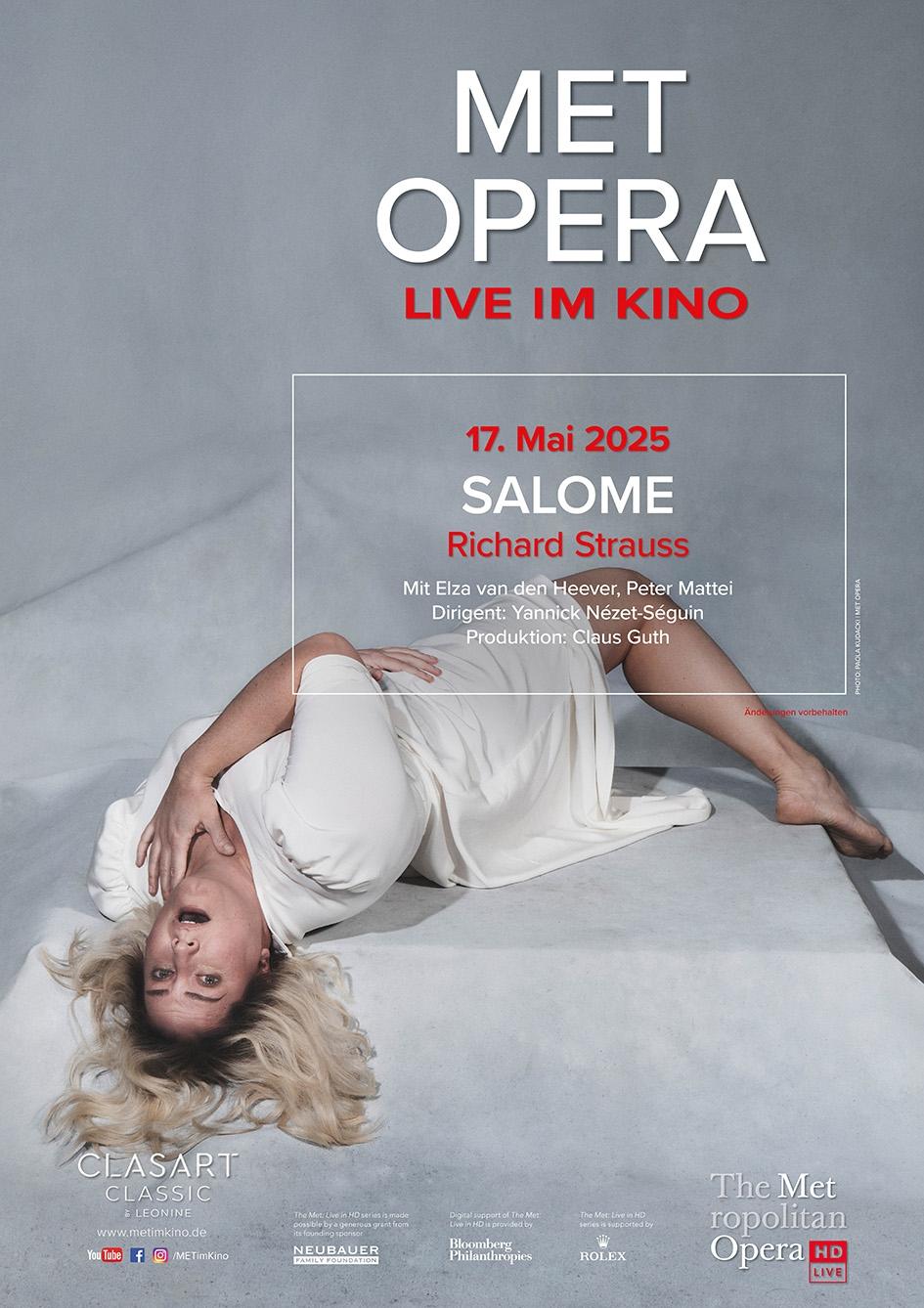
The Metropolitan Opera: Salome (2025) [电影] TMDB
The Metropolitan Opera: Salome
其它标题: 살로메
In der Neuinszenierung von Claus Guth, einem der führenden Opernregisseure Europas, erhält Strauss‘ biblische Geschichte Salome einen psychologisch einfühlsamen Anstrich, reich an Symbolik und subtilen Schattierungen. Im Mittelpunkt stehen die Sopranistin Elza van den Heever in der Rolle der verstörten Antiheldin, die den Kopf von Jochanaan fordert, gesungen von Publikumsliebling Peter Mattei.