Wojciech Jerzy Has — 导演 (6)
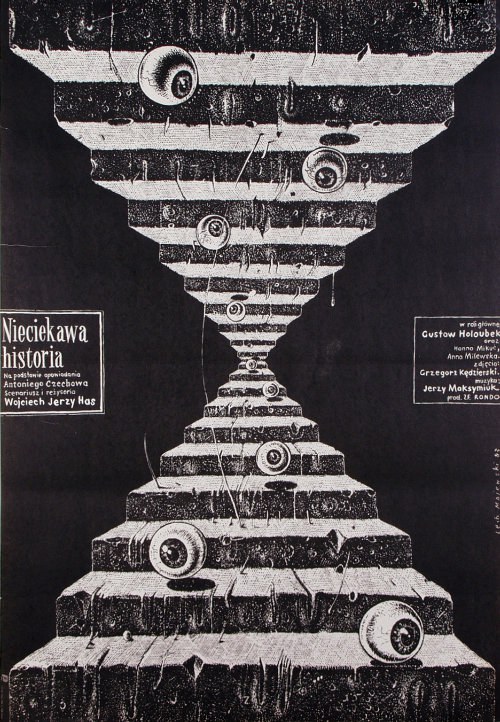
平淡历史 (1983) [电影] 豆瓣
Nieciekawa historia
导演: Wojciech Has 演员: Marek Bargielowski / Wladyslaw Dewoyno
其它标题: Nieciekawa historia / An Uneventful Story
改编自契诃夫的小说札记《没意思的故事》,电影主要讲述教授尼古拉得了神经衰弱症之后行为举止心理轨迹变化的故事,前半部分印象深刻的是拒绝给学生做毕业论文,后半部分则是关于女儿婚姻大事的抉择。第一次看窗户时学生走了,第二次看时,女儿也离他而去,再也没有回头。
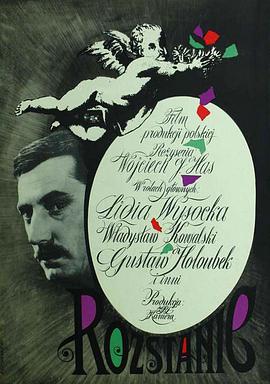
再见 (1958) [电影] 豆瓣 TMDB IMDb 维基数据
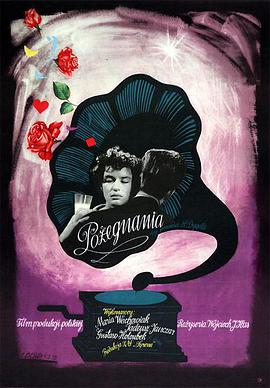
Pozegnania
导演: Wojciech Has 演员: Maria Wachowiak / Tadeusz Janczar
其它标题: Pozegnania / Farewells
一位战前自由散漫、富有空想浪漫空想精神的中产阶级青年,不满与其父观念不和,外出散心偶遇一可人烂漫的舞女,不及倾心,其父领之归家;转眼间战争爆发,青年父母逃至国外,青年在集中营呆过一段时间后回到波兰,发觉满目疮痍国将不国,而当年的舞女业已嫁作贵人妇,为求生存,人人都在钻营挣扎,舞女之夫单独逃亡,是否能成就重逢爱人的倾城之恋,其未可知,他们一同望向渺茫空旷的远方。
本片导演沃伊采克·哈斯出生于1925年波兰的克拉科夫,二战期间他在克拉科夫商学院学习,之后他参加了克拉科夫艺术学院的地下学习班,战争结束后,他进入恢复的克拉科夫艺术学院,1946年他完成了一年期的电影学习,开始在华沙纪录电影制片厂制作纪录片和教育片,在1950年代他进入了罗兹电影学院工作。
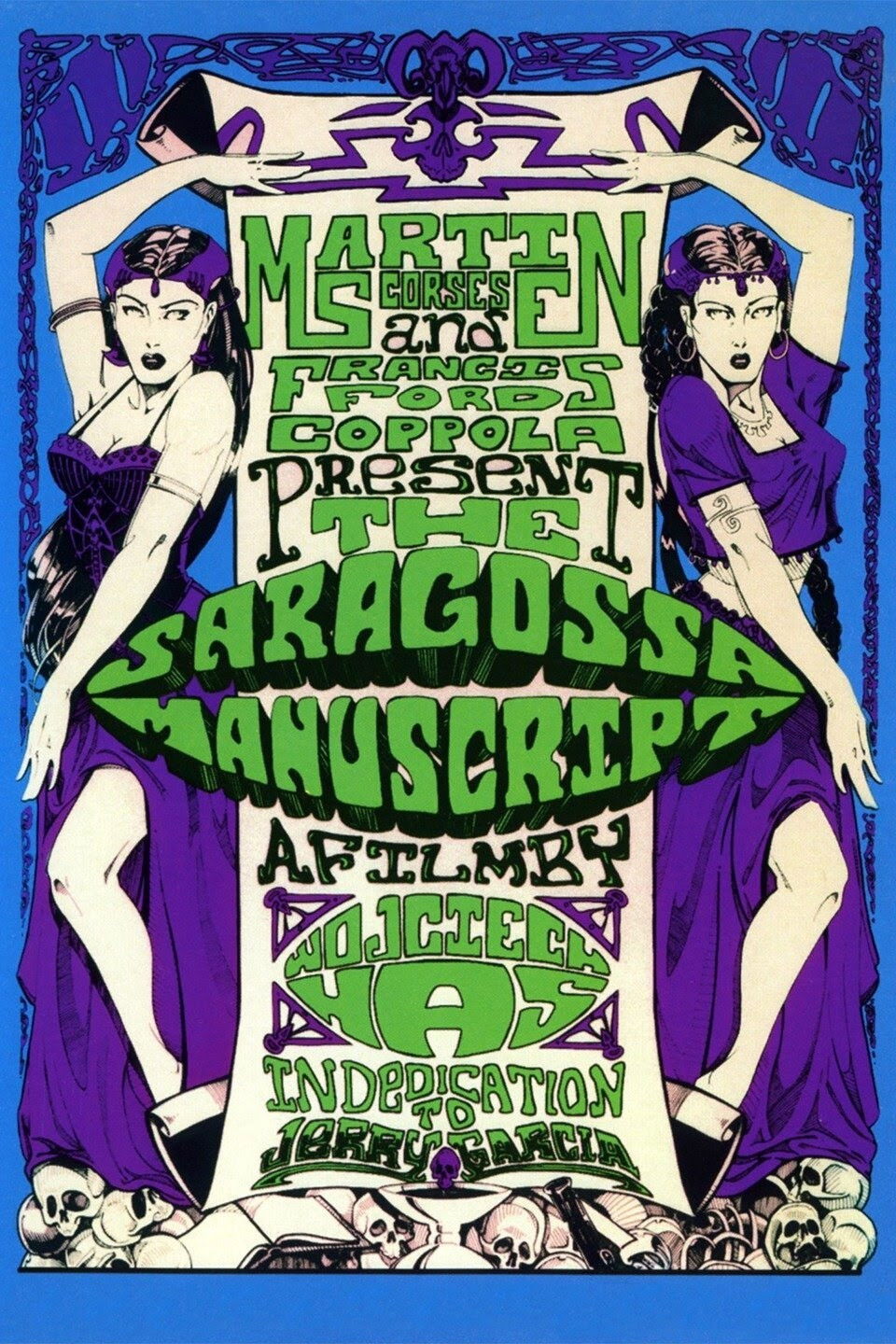
1947年,哈斯拍摄了自己的中等片长的剧情片处女作Harmony,并且于1957年开始制作长片,1974年开始他成为罗兹电影学院导演系教授,在他漫长的电影生涯中他拍摄了大量影片,其中比较著名的有《玩偶》、《萨拉戈萨的手稿》,《沙漏》等
哈斯在自己的作品中极力避免政治和商业倾向,总是富于创造性,同时建立起如同他本人一样的一种诗人特质。哈斯在每一部影片中都尝试建立一种自我的世界,人物、情节以及矛盾都要为这个自我世界让位,所以他的电影的特征就是神秘复杂的时间,陌生的事物以及特别的叙事节奏,以此建立起他独特的个人空间。
Gold Dreams (1962) [电影] 豆瓣 IMDb TMDB 维基数据
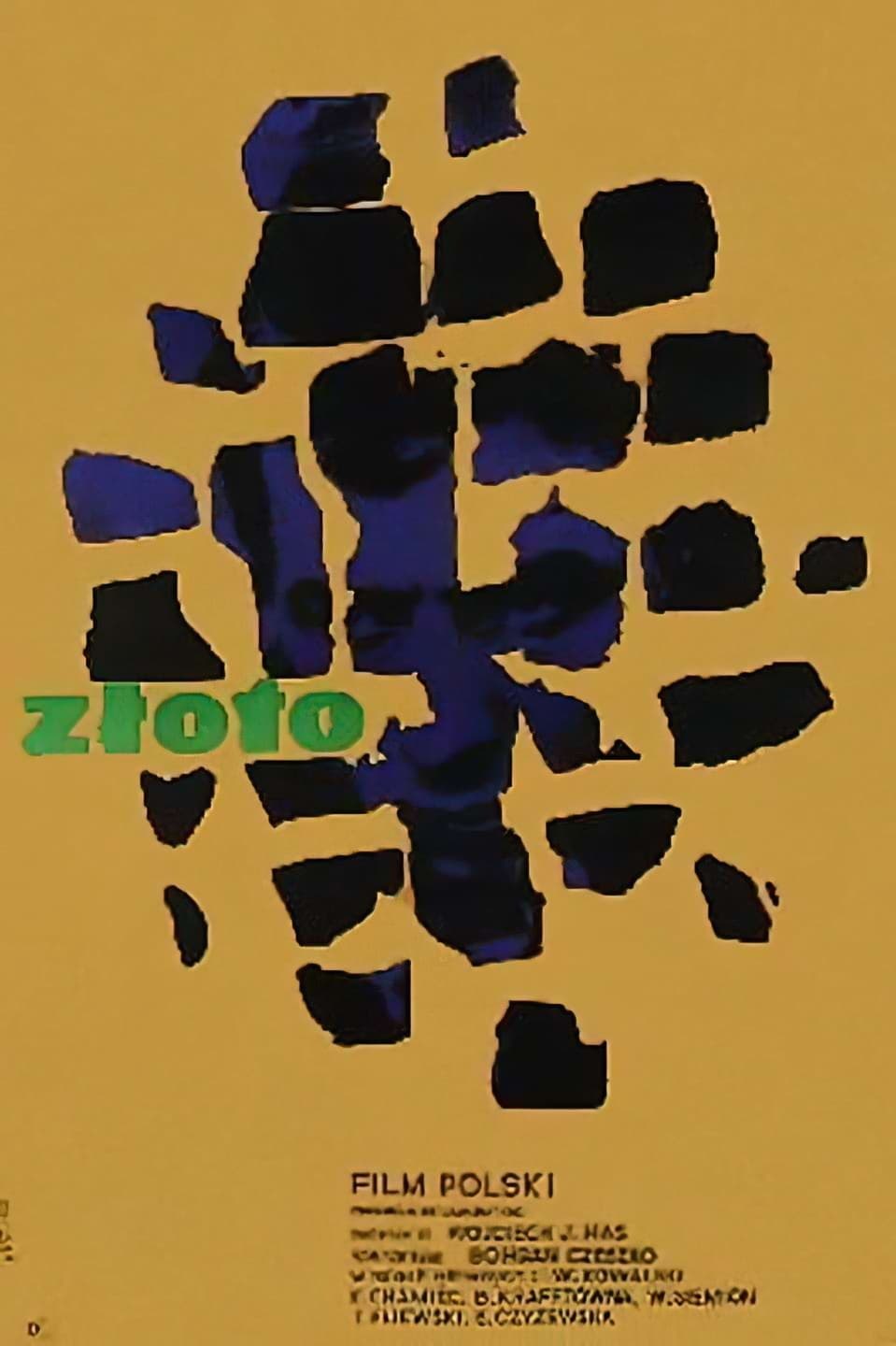
Złoto
导演: Wojciech Jerzy Has 演员: Władysław Kowalski / Krzysztof Chamiec
其它标题: Złoto / Zloto
1961 ZLOTO / GOLD DREAMS - An ensemble cast features in this psychological drama (screenplay by Bohdan Czeszko) that almost seems to be a routine propaganda film. Set on the building site of an energy plant, it centers on a young man who finds it difficult to work in a team and simultaneously harbors a secret. He is running from responsibility for he believes that while driving he hit and killed a pedestrian. In time, it turns out that he in fact it a dog. Has appeared in this film in a bit part, portraying a police officer.
写作与斗争 (1985) [电影] 豆瓣
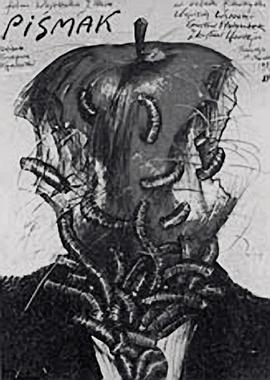
Pismak
导演: Wojciech Has
其它标题: Pismak / Write and Fight
1984 PISMAK / WRITE AND FIGHT (screenplay by Wladyslaw Terlecki based on his own novel) - Set in a prison during World War I, the film centers on a journalist who aspires to be a writer and is imprisoned with a safe-robber and a monk. His cellmates appear to him to be the perfect topic for a novel. Critic Jan Slodowki described the film as "a study in isolation told through the three voices of three people condemned to be with each other; among them, the writer, a maturing artist, his gaze fixed on himself, proves the central figure."