Maintenance of Everything: Part One [Book] Skybridge Goodreads
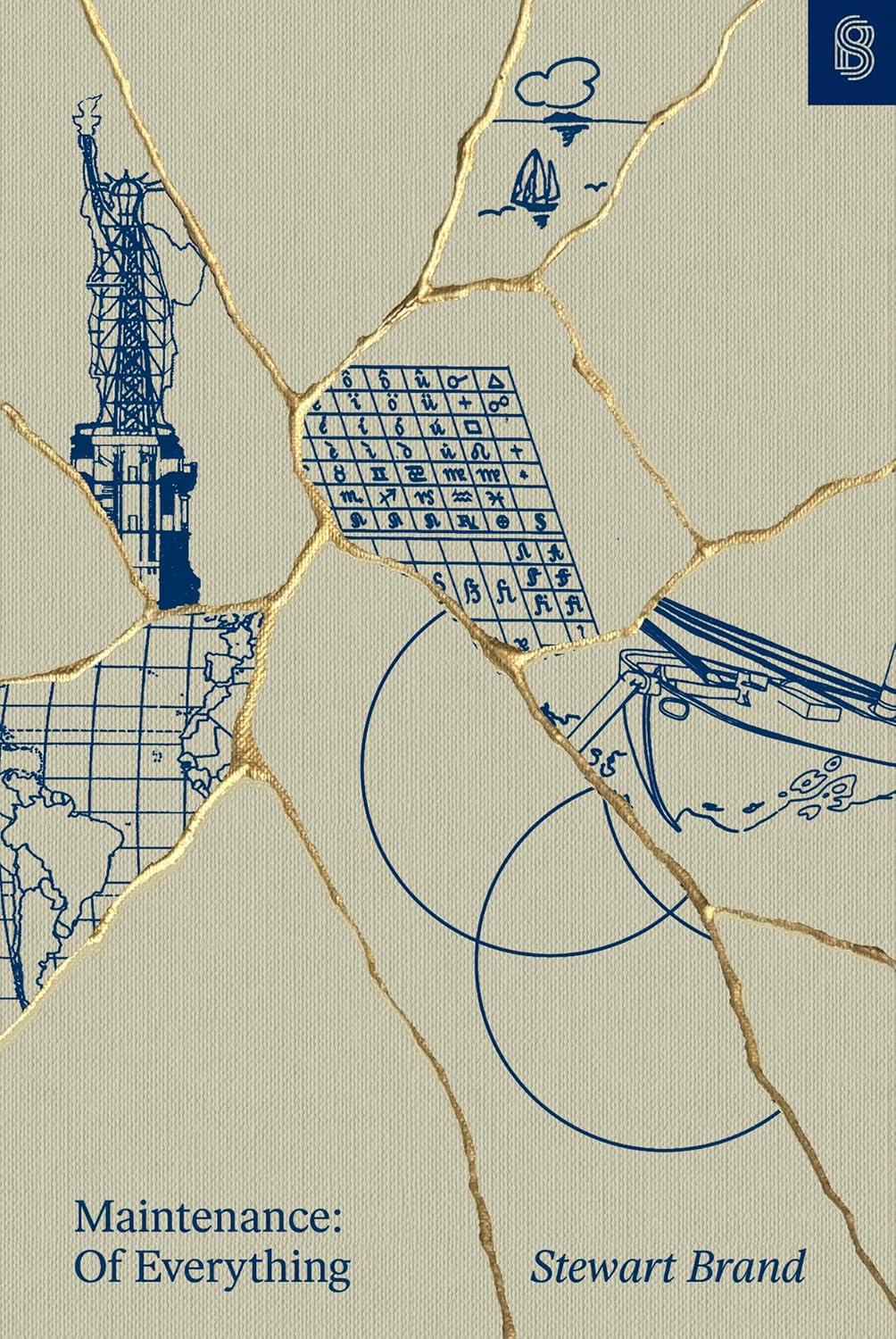
The first in-depth exploration of maintenance—and a powerful argument for its civilizational importance—from the author of How Buildings Learn and creator of the Whole Earth Catalog .
Maintenance is what keeps everything going. It’s what keeps life going. Yet it’s also easy to shirk or defer—until the thing breaks, the system falters, and everything stops. The apparent paradox is Maintenance is absolutely necessary and maintenance is optional.
The first in a multi-volume work, Of Everything, Part One offers a comprehensive overview of the civilizational importance of maintenance. The book begins with a dramatic contest of maintenance styles under life-critical the Golden Globe around-the-world solo sailboat race of 1968. It goes on to explore the insights that can be gleaned from vehicle maintenance, from the zeal of motorcycle maintainers to the maintenance philosophies that fought for dominance of the auto industry to the state of electric vehicle manufacturing today, with absorbing detours into the evolution of precision in manufacturing, the enduring importance of manuals, sustainment in the military, and the never-ending battle against corrosion.
Of Everything is a wide-ranging and provocative call to expand what we mean by “maintenance”—not just the tiresome preventative tasks but the whole grand process of keeping a thing going. It invites us to understand not only the profound impact maintenance has on our daily lives but also why taking responsibility for maintaining something—whether a motorcycle, a monument, or our very planet—can be a radical act.
Maintenance is what keeps everything going. It’s what keeps life going. Yet it’s also easy to shirk or defer—until the thing breaks, the system falters, and everything stops. The apparent paradox is Maintenance is absolutely necessary and maintenance is optional.
The first in a multi-volume work, Of Everything, Part One offers a comprehensive overview of the civilizational importance of maintenance. The book begins with a dramatic contest of maintenance styles under life-critical the Golden Globe around-the-world solo sailboat race of 1968. It goes on to explore the insights that can be gleaned from vehicle maintenance, from the zeal of motorcycle maintainers to the maintenance philosophies that fought for dominance of the auto industry to the state of electric vehicle manufacturing today, with absorbing detours into the evolution of precision in manufacturing, the enduring importance of manuals, sustainment in the military, and the never-ending battle against corrosion.
Of Everything is a wide-ranging and provocative call to expand what we mean by “maintenance”—not just the tiresome preventative tasks but the whole grand process of keeping a thing going. It invites us to understand not only the profound impact maintenance has on our daily lives but also why taking responsibility for maintaining something—whether a motorcycle, a monument, or our very planet—can be a radical act.