Robert Forczyk — 作者 (33)
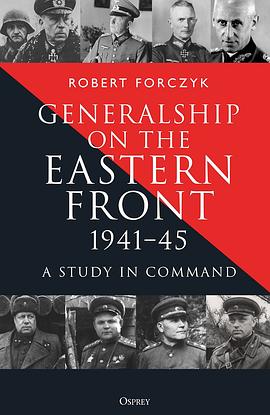
Generalship on the Eastern Front, 1941–45 [图书] 豆瓣
作者: Robert Forczyk 出版社: Osprey Publishing 2026 - 6
A comprehensive evaluation of generalship on the most important front in World War II.
The war on the Eastern Front from 1941 to 1945 was the largest sustained air-ground conflict in military history and played the decisive role in the defeat of the Third Reich. This new study seeks to analyse the command and generalship of the combatants.
The scale of the conflict was immense. Lasting over 46 months it involved over 10 million combatants at its peak, and resulted in roughly 15 million military deaths, as well as about 20 million civilian deaths. More than 50 percent of all German military fatalities in 1941–45 occurred there, and by the time the Western Allies invaded France in June 1944, the Wehrmacht was already decimated.
Who were the generals who led these campaigns on the Eastern Front? The standard historiography of World War II tends to focus on a few prominent leaders while ignoring the mass of commanders and operational-level military staffs who actually fought most of the war and this new study by renowned Eastern Front historian Robert Forczyk seeks to redress the balance.
Generalship on the Eastern Front offers an objective analytic framework for assessing the senior German and Soviet commanders on the Eastern Front through the lens of generalship and battle command, examining a total of 54 German and 140 Soviet officers.
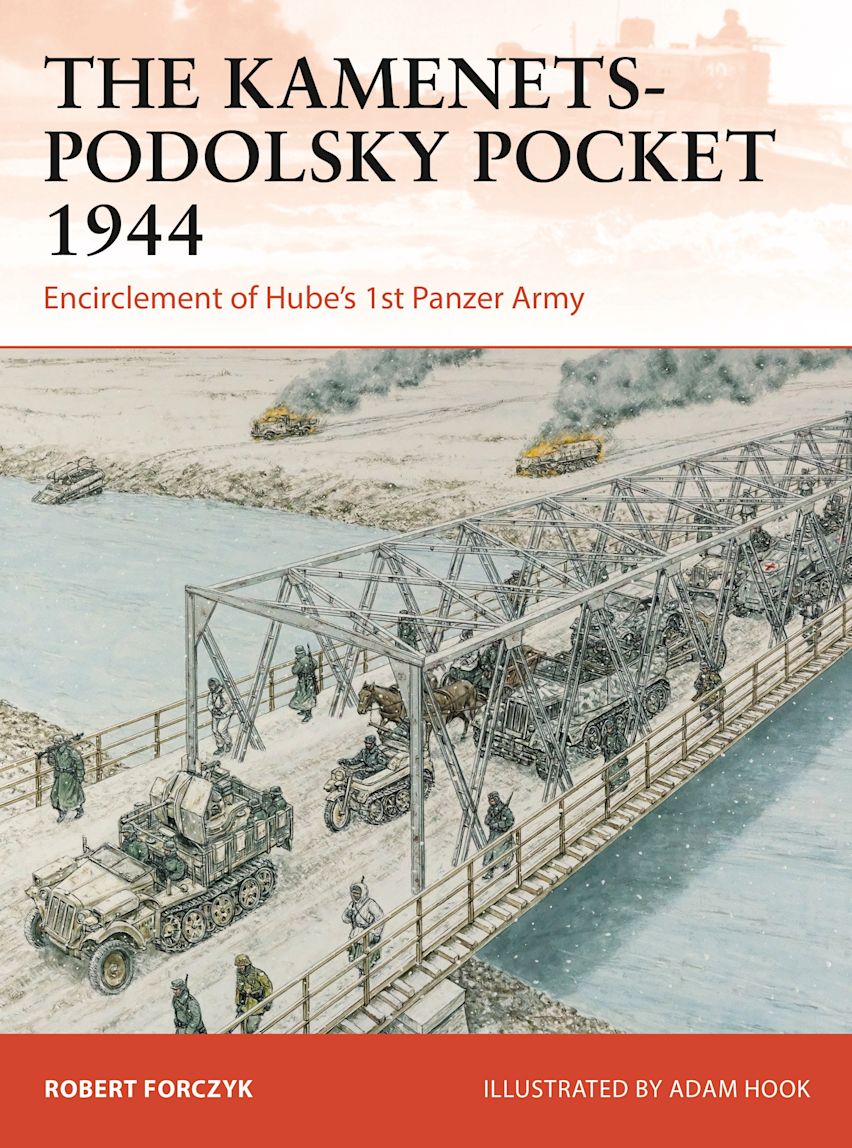
The Kamenets-Podolsky Pocket 1944 [图书] 谷歌图书 豆瓣 Goodreads
作者: Robert Forczyk / Adam Hook 出版社: Osprey Publishing 2025 - 1
A detailed exploration of a critical month-long battle, which set the stage for German strategic-level defeats on both the Eastern and Western fronts.

In February 1944, 1st Panzer Army (under Generaloberst Hube) played a major role in the relief operation that saved part of the German forces trapped in the Korsun Pocket. However, the losses suffered in that effort left Hube's forces materially weakened, exhausted and with vulnerable flanks. Unexpectedly, Zhukov's 1st Ukrainian Front and Konev's 2nd Ukrainian Front attacked on 4 March, conducting a huge pincer operation against 1st Panzer Army. Within three weeks, Hube's 200,000-strong army was isolated, with its back to the Dniester River. The destruction of Hube's army would doubtless precipitate a rapid German collapse on the Eastern Front – two months before the Allied invasion of France.

In this work, Eastern Front expert Robert Forczyk presents a superbly illustrated examination of the initial Soviet encirclement operation, Hube's full-scale breakout operation to save his army, and the relief operation by 2nd SS-Panzer Corps (redeployed from the West) in April 1944. Although Hube's army managed to escape Zhukov's trap, it lost most of its equipment and was no longer fully combat capable. The German Army in the East had been seriously weakened, and the amount of German armour deployed in the West to counter any Allied landings in France had simultaneously been reduced.
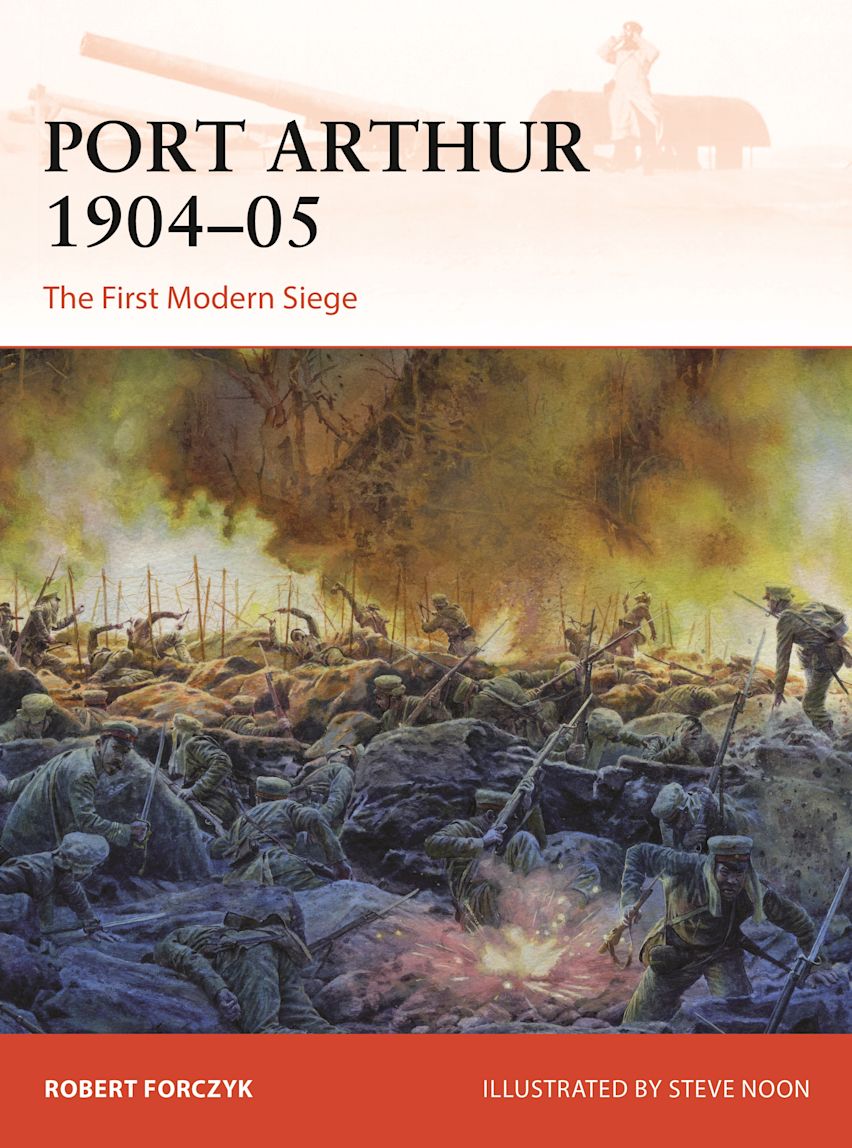
Port Arthur 1904–05 [图书] 豆瓣 谷歌图书 Goodreads
作者: Robert Forczyk 出版社: Osprey Publishing 2024 - 1
A gripping, illustrated narrative of the longest and most brutal land battle of the 1904–05 Russo-Japanese War.
Growing rivalry between Imperial Russia and Imperial Japan over territorial control in China and Korea led to the outbreak of war in February 1904. Japan struck the first blow with a surprise naval attack against the anchored Russian Pacific Fleet at its base in Port Arthur. Once the fleet had been neutralized, the Japanese landed their Second Army on the Liaotung Peninsula in May 1904, in order to besiege Port Arthur. The fighting that followed has become legend in military history.
Respected military historian Robert Forczyk describes the Russian relief operation towards Port Arthur (the Battle of Telissu), and the lengthy siege of the Russian-held town and harbour. The initial Japanese attempts to capture the port by assault are documented in detail, together with the Japanese progress through the heavily fortified lines protecting Port Arthur.
Specially commissioned artworks bring to life in vivid detail the Battle of Nanshan Hill, the Japanese assault on the Wantai Heights, and the bombardments of the Russian forts. Maps and diagrams explore the strategic situation and tactical progress of the fighting in step-by-step detail, and over 60 period photographs reveal the appearance and weaponry of the opposing forces and the terrain around Port Arthur.
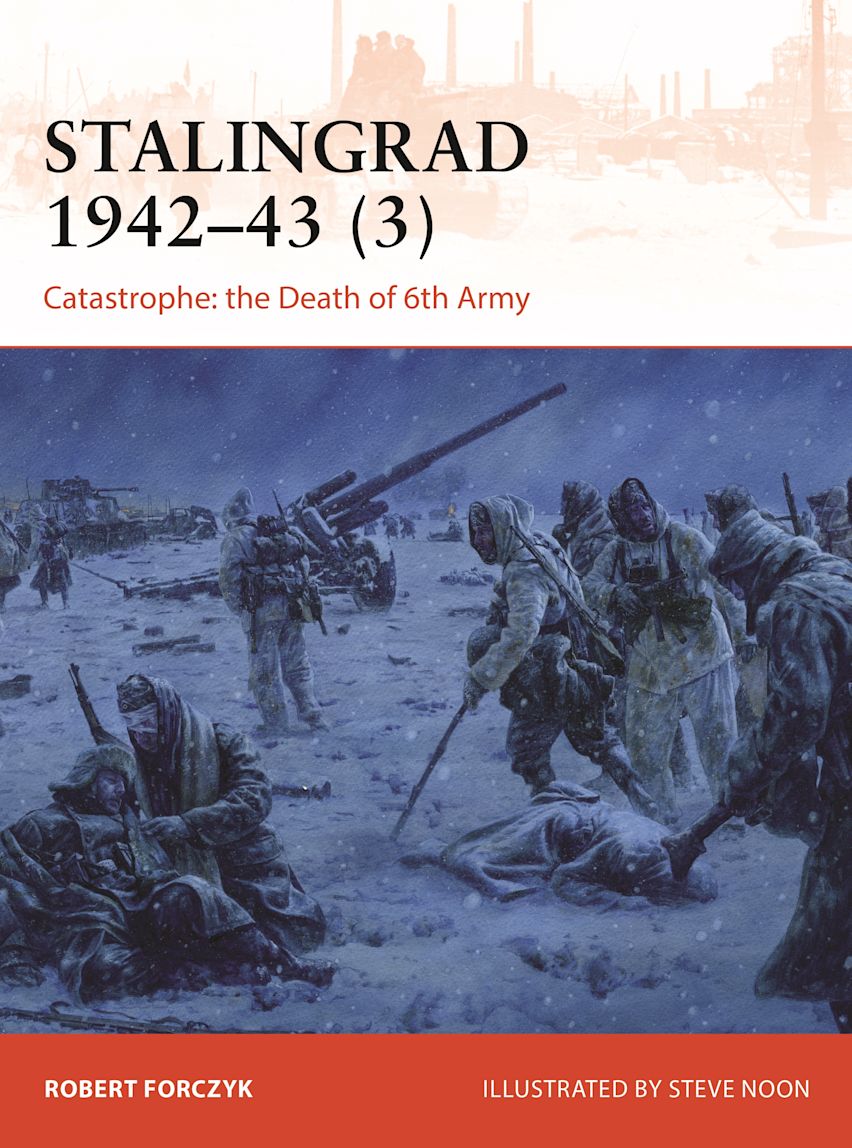
Stalingrad 1942–43 (3) [图书] 豆瓣 谷歌图书 Goodreads
作者: Robert Forczyk / Steve Noon 出版社: Osprey Publishing 2022 - 11
The final part in a three-book series on the Battle of Stalingrad, examining the Soviet encirclement, German relief efforts, and the final surrender of Paulus' 6.Armee.
Having fought hard just to reach the outskirts of Stalingrad, the Axis forces found themselves embroiled in a protracted urban battle amid the ruins of a devastated city on the Volga. The Soviet Red Army was able to hold onto the city then mount a surprise winter counter-offensive known as Operation Uranus, which succeeded in encircling the German 6.Armee at Stalingrad. Despite a desperate German relief operation, the Red Army eventually crushed the 6.Armee and hurled the remnants of the German southern front back in disorder.
This third and final volume in the Stalingrad trilogy begins just after the German 6.Armee has been isolated at Stalingrad, and covers the period from 24 November 1942 to 2 February 1943. The specially commissioned maps and 3D diagrams guide the reader in step-by-step, easily to follow detail through the German relief operation (Wintergewitter), the fighting on the Chir River, and the Soviet operations Koltso and Little Saturn, and are complimented by the battlescene artworks that vividly depict the harsh conditions experienced by the common soldiers fighting on both sides.
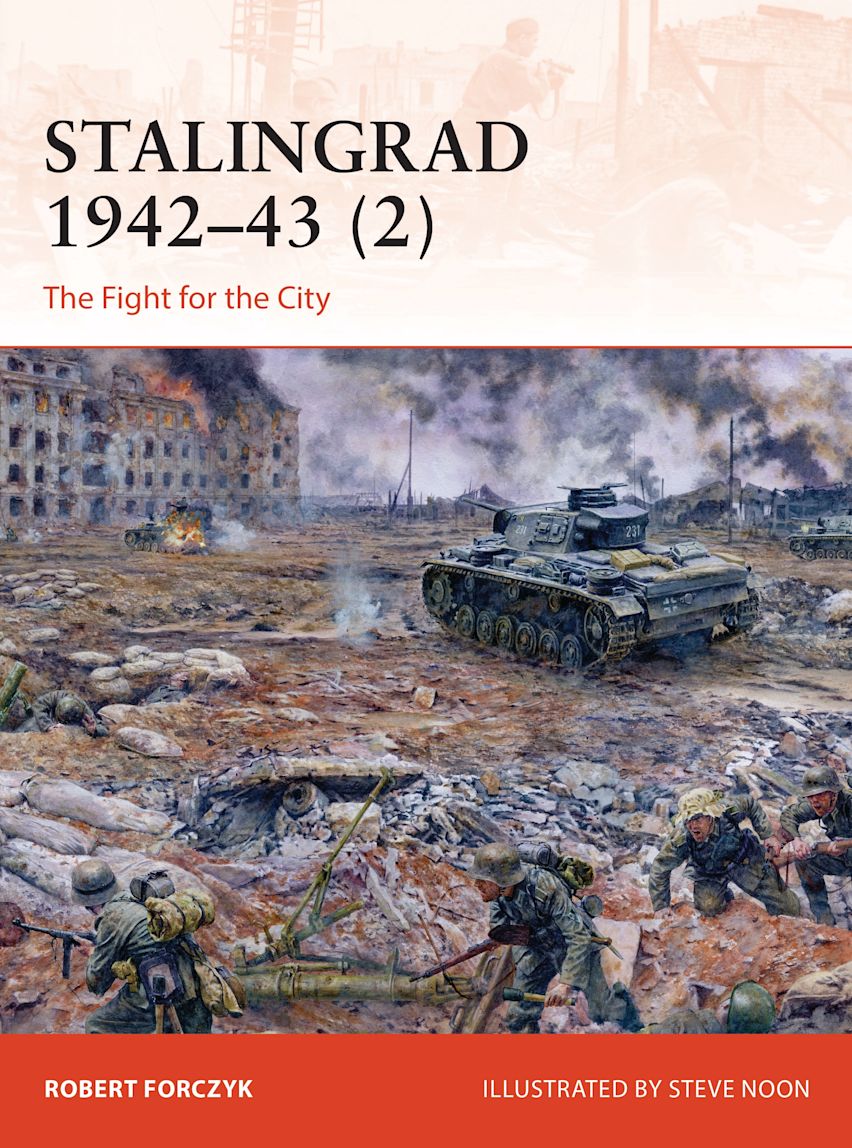
Stalingrad 1942–43 (2) [图书] 谷歌图书 Goodreads 豆瓣
作者: Robert Forczyk / Steve Noon 出版社: Osprey Publishing 2021 - 9 其它标题: Stalingrad 1942–43 (2)
The second in a three-part series examining the Stalingrad campaign, one of the most decisive military operations in World War II, that set the stage for the ultimate defeat of the Third Reich.

In early September 1942, Hitler believed that Stalingrad was about to 6.Armee and 4.Panzer-Armee had reached the outskirts, and they were ordered to conclude the capture of the city as soon as possible. However, this proved easier said than done. On 13 September, the direct German assault was launched on the city on the Volga, already devastated by massive Luftwaffe raids. A protracted urban battle followed amid the ruins. Although hit hard by the initial German offensive, the ruthless and obstinate Red Army was able to hold onto the city through the costly battle of attrition that sacrificed huge amounts of men and materiel. This second volume in the Stalingrad trilogy, written by a foremost expert on the military history of the Eastern Front, brings the fighting in the city to life in full visual detail, including the iconic battles at the Krasny Oktyabr Steel Plant, the Grain Elevator, the Barrikady and STZ factories, the 'Tennis Racquet' and Rynok–Spartanovka. Drawing from sources on both sides, it offers a truly comprehensive account of history's greatest urban battle.
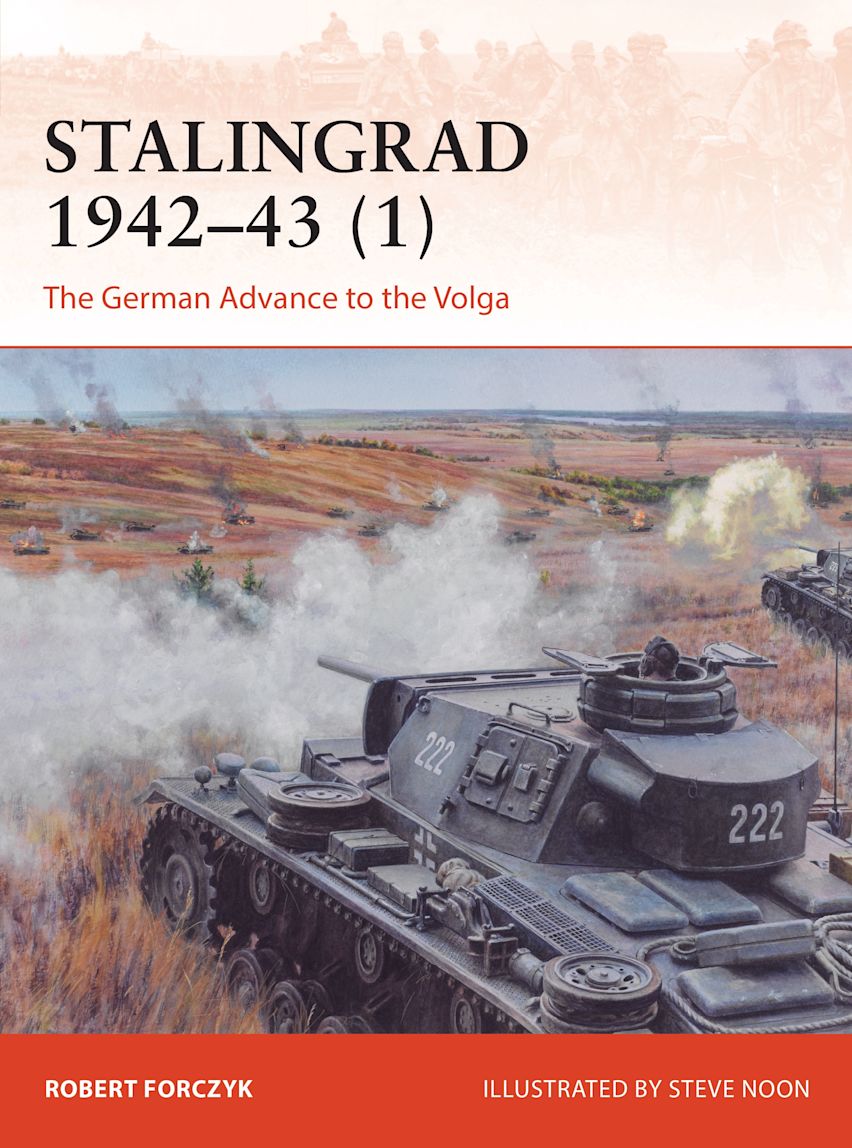
Stalingrad 1942–43 (1) [图书] 谷歌图书 Goodreads 豆瓣
作者: Robert Forczyk / Steve Noon 出版社: Osprey Publishing 2021 - 1
After failing to defeat the Soviet Union with Operation Barbarossa in 1941, Adolf Hitler planned a new campaign for the summer of 1942 that was intended to achieve a decisive victory: Operation Blue (Case Blau). In this new campaign, Hitler directed that one army group (Heeresgruppe A) would advance to seize the Soviet oilfields in the Caucasus, while the other (Heeresgruppe B) pushed on to the Volga River.
The expectation was for a rapid victory - instead, German forces had to fight hard just to reach the outskirts of Stalingrad, and then found themselves embroiled in a protracted urban battle amid the ruins of a devastated city on the Volga. The Soviet Red Army was hit hard by the initial German offensive but held onto the city and then launched Operation Uranus, a winter counteroffensive that encircled the German 6. Armee at Stalingrad. Despite a desperate German relief operation, the Red Army eventually crushed the German forces and hurled the remnants of the German southern front back in disorder.
This first volume in the Stalingrad trilogy covers the period from 28 June to 11 September 1942, including operations around Voronezh. The fighting in the Don Bend, which lasted weeks, comprised some of the largest tank battles of World War II - involving more armour than the tanks employed at Prokhorovka in 1943.
Velikiye Luki 1942–43 [图书] 谷歌图书 Goodreads 豆瓣
作者: Robert Forczyk / 彼得·丹尼斯 出版社: Osprey Publishing 2020 - 7
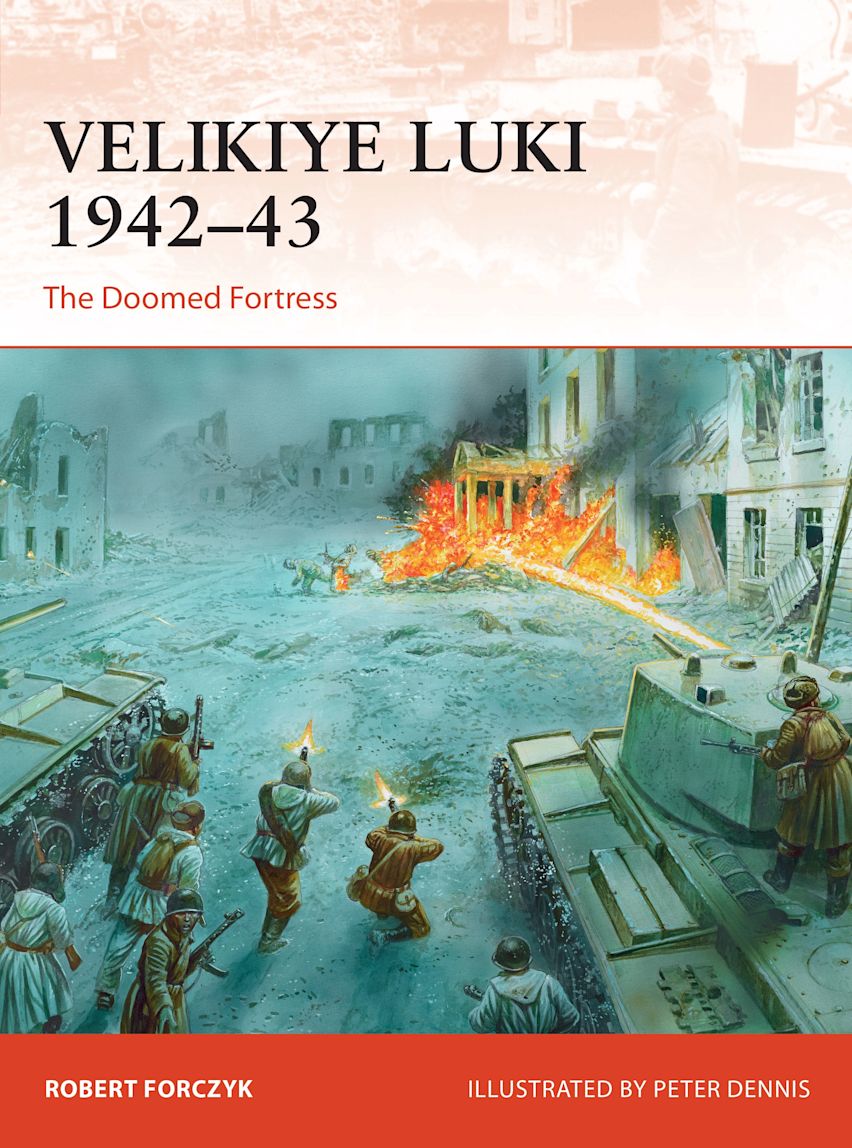
Velikiye Luki had been an important Russian fortress city since the 13th century and had become an important rail-hub by the 19th century. In August 1941, the Germans occupied the city of 30,000 during Operation Barbarossa and made it a bulwark on the boundary between Heeresgruppe Nord and Heeresgruppe Mitte. In the winter of 1942-43, while Soviet forces were encircling Stalingrad, the Stavka (High Command) conducted a simultaneous offensive to isolate and destroy the 7,500-man German garrison in Velikiye Luki. After surrounding the city on 27 November 1942, the Soviet 3rd Shock Army gradually reduced the city to rubble, while the German garrison, sustained by Luftwaffe air lifts, hunkered down in the medieval city and awaited rescue.
This illustrated title reveals the full story of the tense seven-week siege of Velikiye Luki, which saw Soviet forces striving to liberate the city in the face of a determined garrison and fierce relief efforts. Detailed analysis by renowned World War II historian Robert Forczyk is complimented by stunning and historically accurate battlescenes, maps, and bird's-eye-views to offer a comprehensive look at this gripping campaign.
The Kuban 1943 [图书] 谷歌图书 Goodreads 豆瓣
作者: Robert Forczyk 出版社: Osprey Publishing 2018 - 2
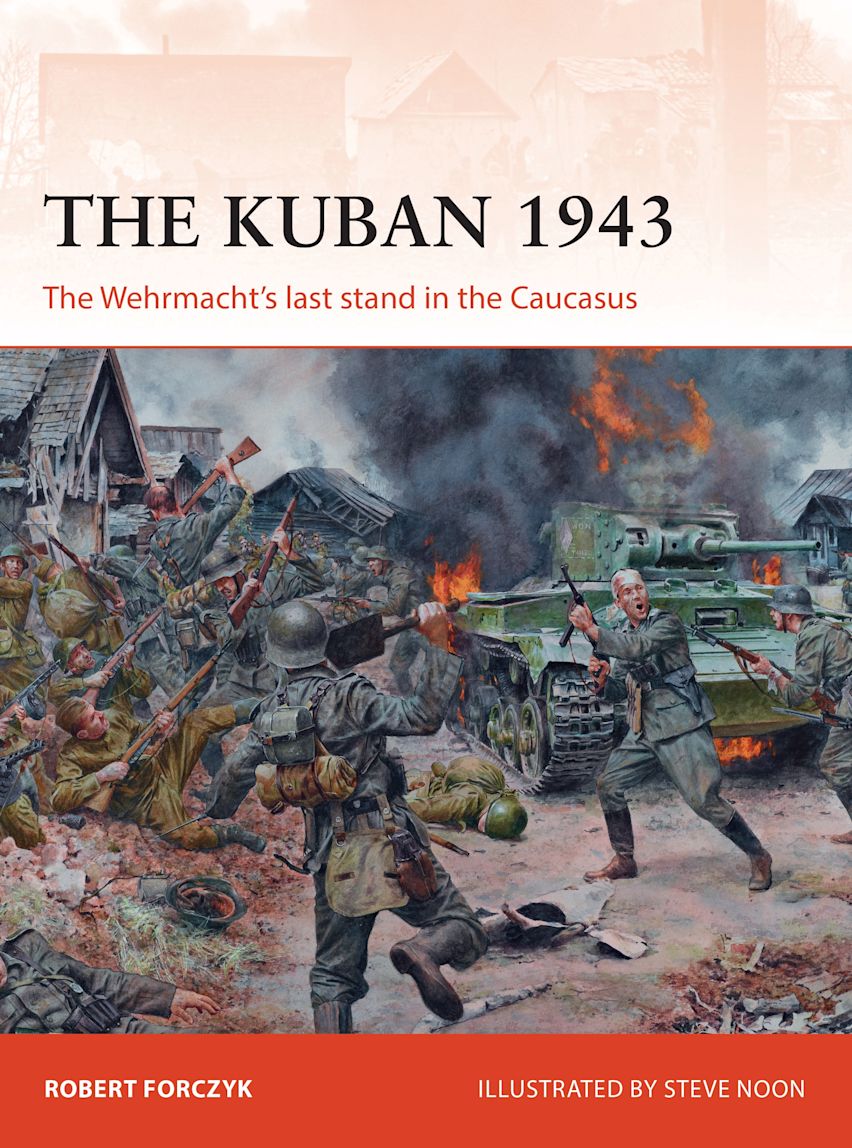
In the summer of 1942, the Wehrmacht invaded the Caucasus in order to overrun critical oil production facilities at Maikop, Grozny, and Baku. However, the Red Army stopped the Germans short of their objectives and then launched a devastating winter counteroffensive that encircled them at Stalingrad. Consequently, Hitler grudgingly ordered an evacuation from the Caucasus, but ordered 17. Armee to fortify the Kuban bridgehead and hold it at all costs in order to leave open the possibility of future offensives. On the other side, the Soviet Stavka ordered the North Caucasus Front and the Black Sea Fleet to eliminate the Kuban bridgehead as soon as possible. The stage was set for a contest between an immovable object and an unstoppable force.

With the help of stunning specially commissioned artwork, this book tells the enthralling story of the impressive but strategically foolish German stand at Kuban, which tied down seven Soviet armies in a sideshow battle of attrition, which the Soviets dubbed "the Kuban meat grinder."
Kursk 1943 [图书] 谷歌图书 豆瓣 Goodreads
作者: Robert Forczyk / Graham Turner 出版社: Osprey Publishing 2017 - 3
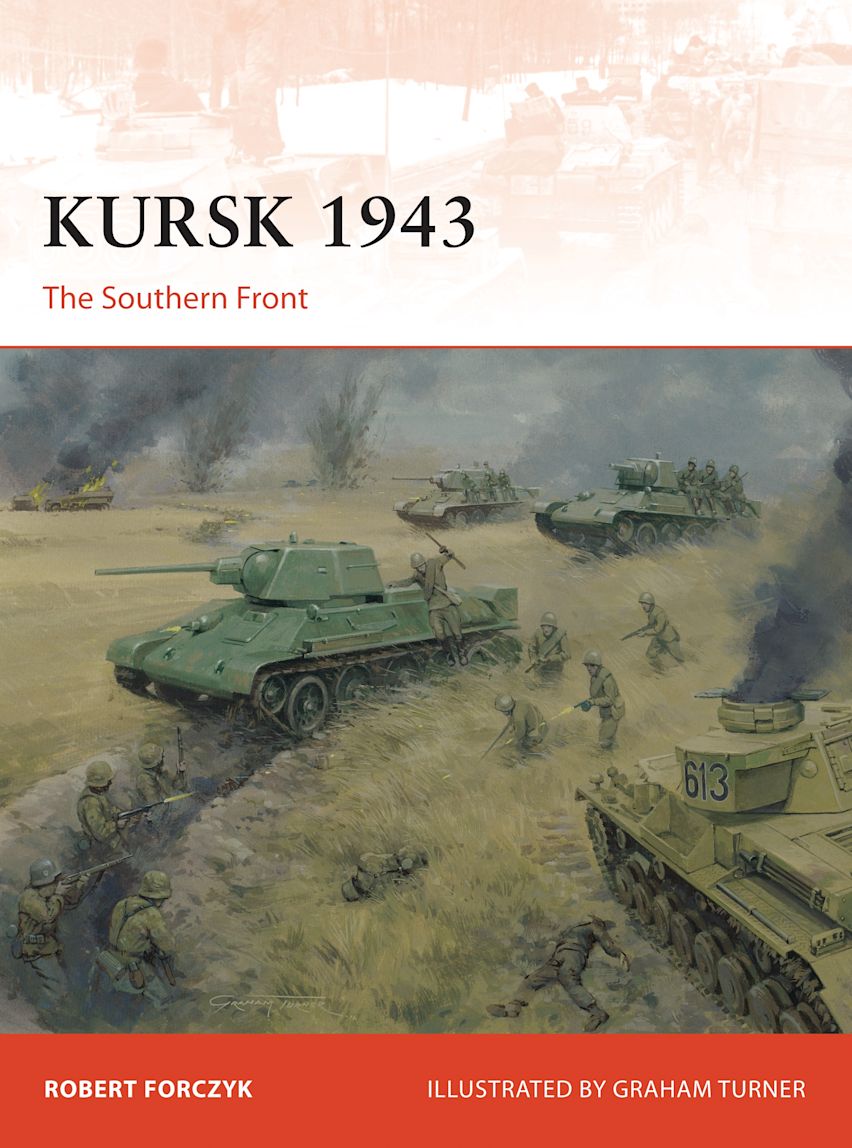
Mauled at Stalingrad, the German army looked to regain the initiative on the Eastern Front with a huge offensive launched near the city of Kursk, 280 miles southwest of Moscow. Armed with the new Panther tank, Hitler and Field Marshal von Manstein were confident that they could inflict another crushing defeat on the Soviet Union. What they did not know is that the Soviets knew about the coming attack, and they were ready.

This book focuses on the southern front of this campaign, which featured the one of the biggest clashes of armor of the war, as over a thousand tanks clashed in the battle of Prokhorovka. It examines in detail the tactics and mistakes of the army commanders as they orchestrated one of the bloodiest battles in World War II. Using campaign maps, stunning photographs, and vivid artwork, this new study, a companion to CAM 272 Kursk 1943: The Northern Front, examines whether the German offensive was doomed from the start as it takes the reader through this titanic clash of armor.
The Dnepr 1943 [图书] 谷歌图书 Goodreads 豆瓣
作者: Robert Forczyk / Steve Noon 出版社: Osprey Publishing 2016 - 3 其它标题: The Dnepr 1943
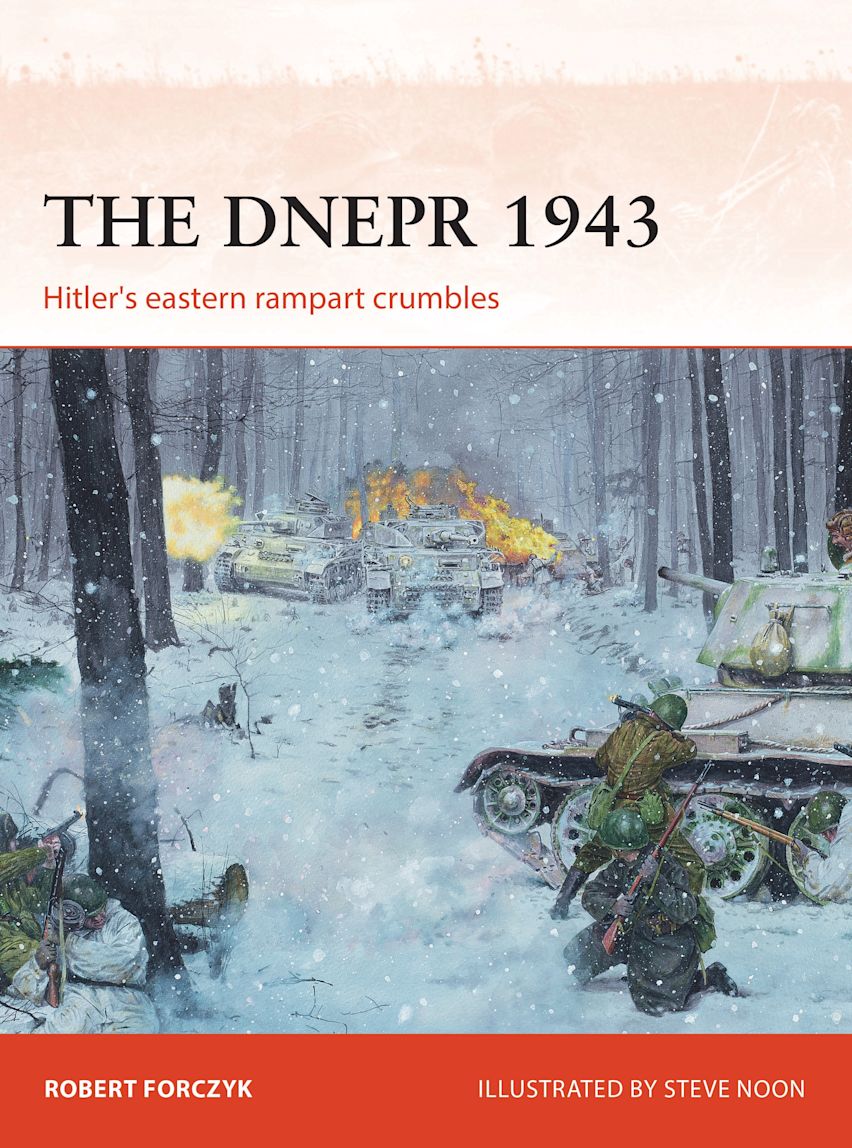
Against the wishes of Hitler, German forces under Erich von Manstein were forced to retreat following the failure of their offensive at Kursk in July 1943. The weakened force had only one possible refuge, behind the wide Dnepr River. The race to the natural defensive line was on, with the Soviets launching one of their largest offensives of the war--with over two million men on the move.

Expert Eastern Front historian Robert Forczyk describes the dramatic four-month campaign that saw the Red Army not only succeed in crossing the Dnepr at multiple points, but also liberate Kiev, the capital of the Ukraine. Revealing new details about the largest Soviet airborne operation of the war and the increasingly desperate delaying tactics employed by von Manstein as catastrophic casualties mounted on either side, Forczyk charts the course of the battle that confirmed that the relentless Soviet advance westward could not be halted. Berlin would be next.
Nez Perce 1877 [图书] Goodreads 谷歌图书 豆瓣
作者: Robert Forczyk / 彼得·丹尼斯 出版社: Osprey Publishing 2011 - 2
Osprey's examination of one of the most famous battles of the latter part of the American Indian Wars (1622-1918). With the wars between the US and the Native Americans drawing to a close, one tribe in Eastern Oregon continued to resist. The Nez Perce, led by the "Red Napoleon" Chief Joseph, refused to surrender and accept resettlement. Instead, Chief Joseph organized a band of 750 warriors and set off for the Canadian border, pursued by 2,000 US Army troops under Major-General Oliver Howard. The army chased the natives for three months, fighting 13 actions. Finally, just 40 miles from the Canadian border, the Army ran Chief Joseph to the ground, and forced him to surrender after a five-day battle near Bear Paw Mountain.
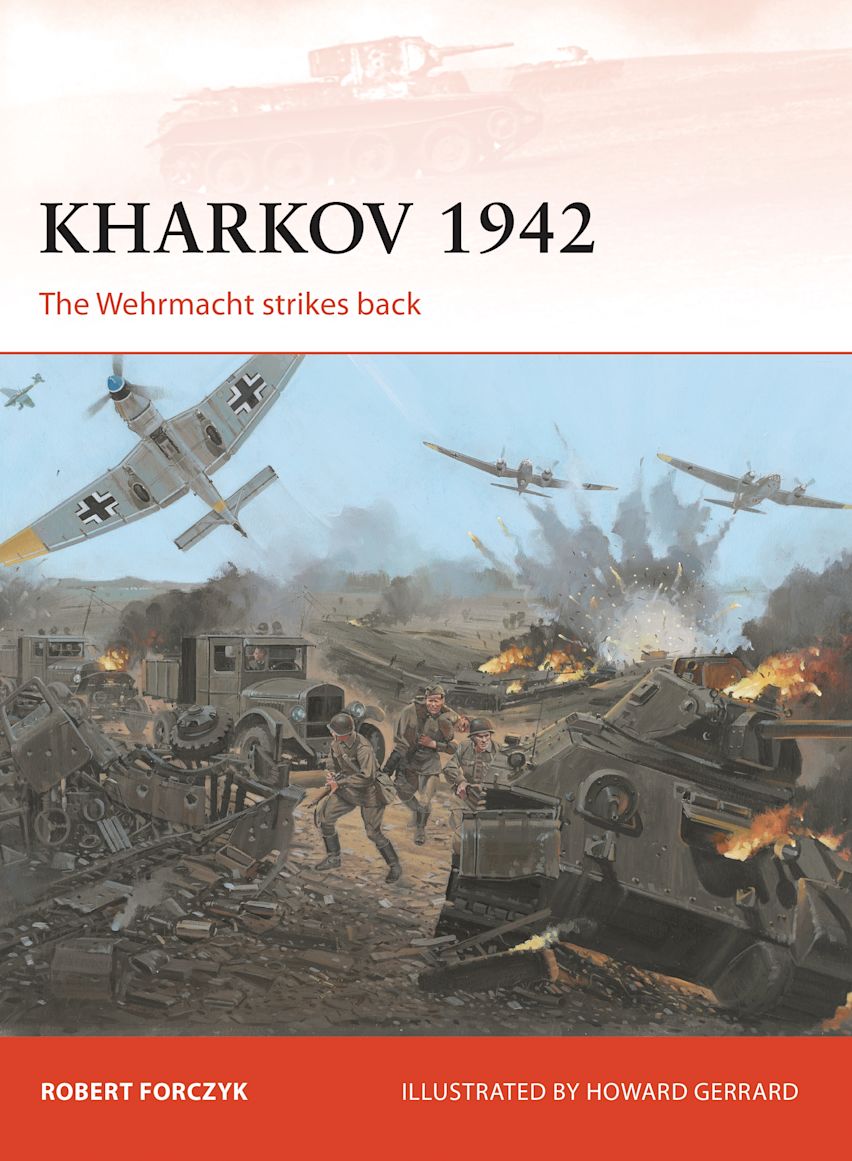
Kharkov 1942 [图书] 谷歌图书 豆瓣 Goodreads
作者: Robert Forczyk 出版社: Osprey Publishing 2013 - 4
After failing to finish off the German Army in the 1941/42 Winter Counter offensive Stalin directed the Red Army to conduct a powerful blow in one sector of the Eastern Front in order to disrupt German plans. The sector chosen was Kharkov. Under Marshal Semyon Timoshenko, the Stavka's remaining reserves were assembled and prepared to conduct a breakthrough attack intended to encircle the German Sixth Army near Kharkov. However, Stalin was unaware that the Germans were planning their own riposte at Kharkov, known as Operation Fredericus. When Timoshenko began his offensive in May 1942, he did not realize the limitations of his own forces or the agility of the Germans to recover from setbacks, all of which contributed to one of the Red Army greatest defeats of World War II. This volume will pay particular attention to intelligence and logistics issues, as well as how this campaign served as a prelude to the battle of Stalingrad. It will also focus on the nascent development of the Red Army's tank corps and 'deep battle' tactics, as well as the revival of the German Panzertruppen after Barbarossa.
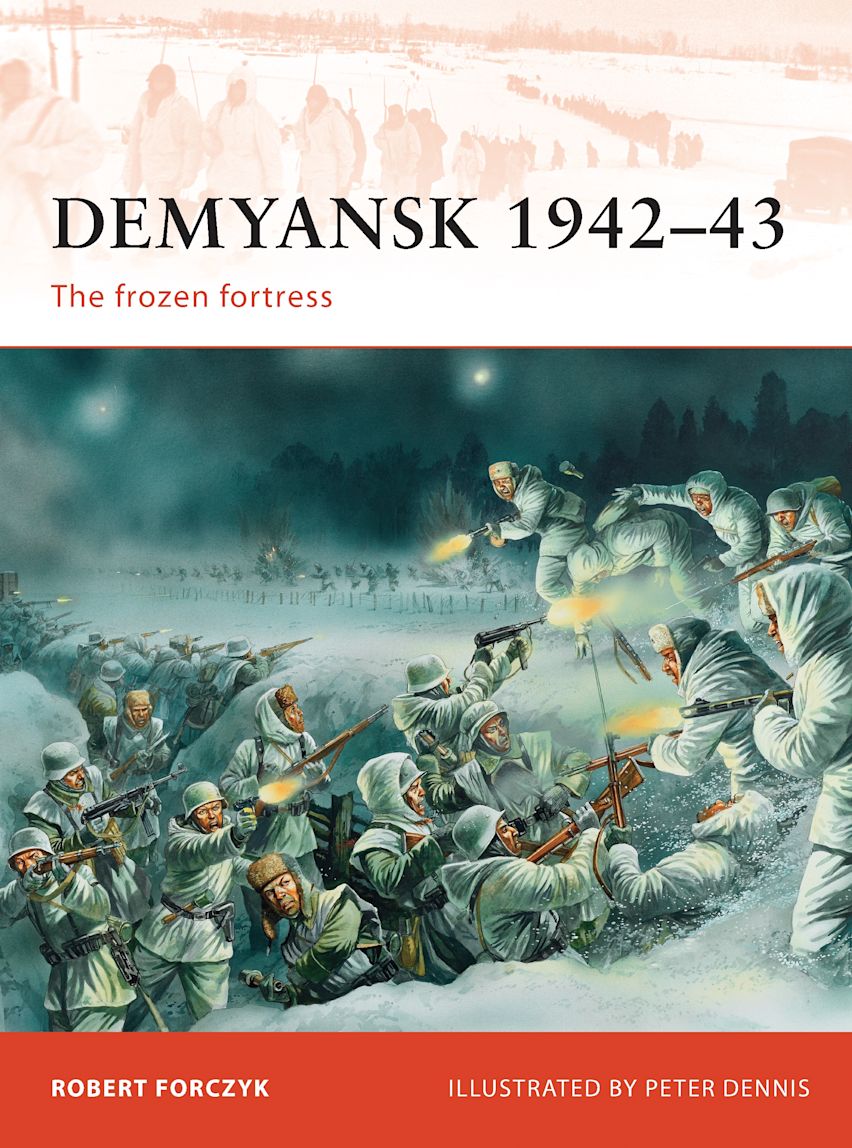
Demyansk 1942–43 [图书] 谷歌图书 Goodreads 豆瓣
作者: Robert Forczyk / 彼得·丹尼斯 出版社: Osprey Publishing 2012 - 6
The fighting around the town of Demyansk was one of the longest encirclement battles on the Eastern Front during World War II, stretching from February 1942 to February 1943. Originally, the German 16. Armee occupied Demyansk in the autumn of 1941 because it was key terrain that would be used as a springboard for an eventual offensive into the Valdai Hills. Instead, the Soviet winter counter offensive in February 1942 encircled the German II Armeekorps and other units, inside the Demyansk Pocket. Yet despite severe pounding from five Soviet armies, the embattled German troops held the pocket and the Luftwaffe organized a major aerial resupply effort to sustain the defenders. For the first time in military history, an army was supplied entirely by air. In February 1943, Marshal Timoshenko was ordered to launch an offensive to cut off the base of the salient and annihilate the 12 divisions. At the same time, Hitler finally came to his senses after the Stalingrad debacle and authorized the 16. Armee to withdraw from the pocket. This volume will conclude with the drama of a German Army-sized withdrawal under fire in winter, under attack from three sides.
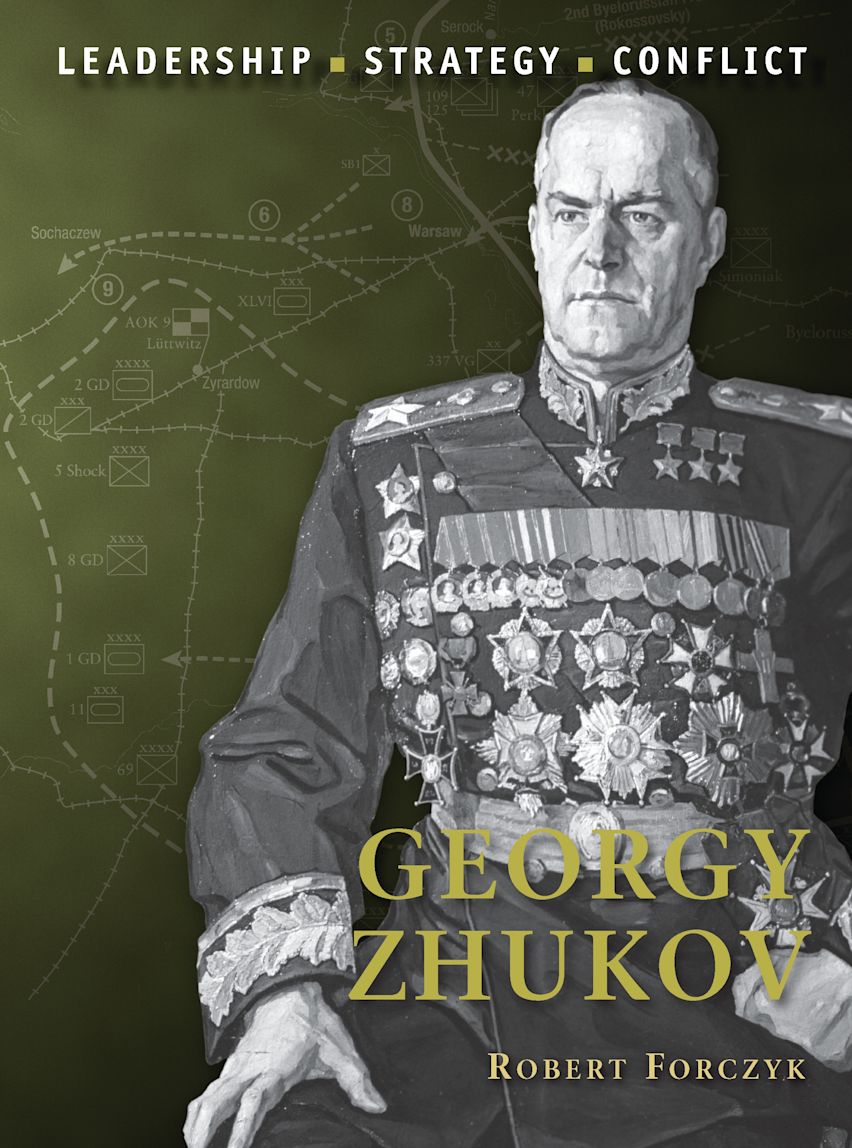
Georgy Zhukov [图书] 豆瓣 谷歌图书 Goodreads
作者: Robert Forczyk 出版社: Osprey Publishing 2012 - 3
Zhukov was the dominant figure in the Red Army during World War II even though his actual job title varied from day to day. Serving as a senior General Staff representative from the Stavka, Zhukov moved from one critical sector to the next, serving as advisor, coordinator and de facto front commander as required. There is no doubt that Zhukov played a critical role in salvaging the critical situation in the fall of 1941 and leading the Red Army to an amazing reversal of fortunes in 1942-43 and eventual victory in 1944-45. He was instrumental in the initial defence of Leningrad, before moving to Moscow to stem the German advance and lead the counterattack in the winter of 1941. In 1942-43 he was responsible for Operation Uranus that cut off the German 6. Armee in Stalingrad, and led the defence of the Kursk Pocket against Manstein's attacks. His was the voice of reason and patience that convinced Stalin to let the Germans expend themselves at Kursk before launching the Soviet offensive that drove the Germans back hundreds of miles and almost broke the German Army inthe Ukraine. Without him Kursk would never have been fought as a defensive battle by the Russians. In 1944 he led the massive Soviet Operation Bagration that destroyed the German Heeresgruppe Mitte and continued on in command of front through to the end of the war, which saw him become the first post-war Soviet commander in East Germany.
However, Zhukov's methods were brutal and contributed to massive Soviet casualties, while he continued to keep his hand in political affairs as well. As the most recognized Soviet soldier of World War II, Zhukov's post-war fall from grace was equally precipitous and it was not until the fall of the Soviet Union that he was awarded his reputation was restored.
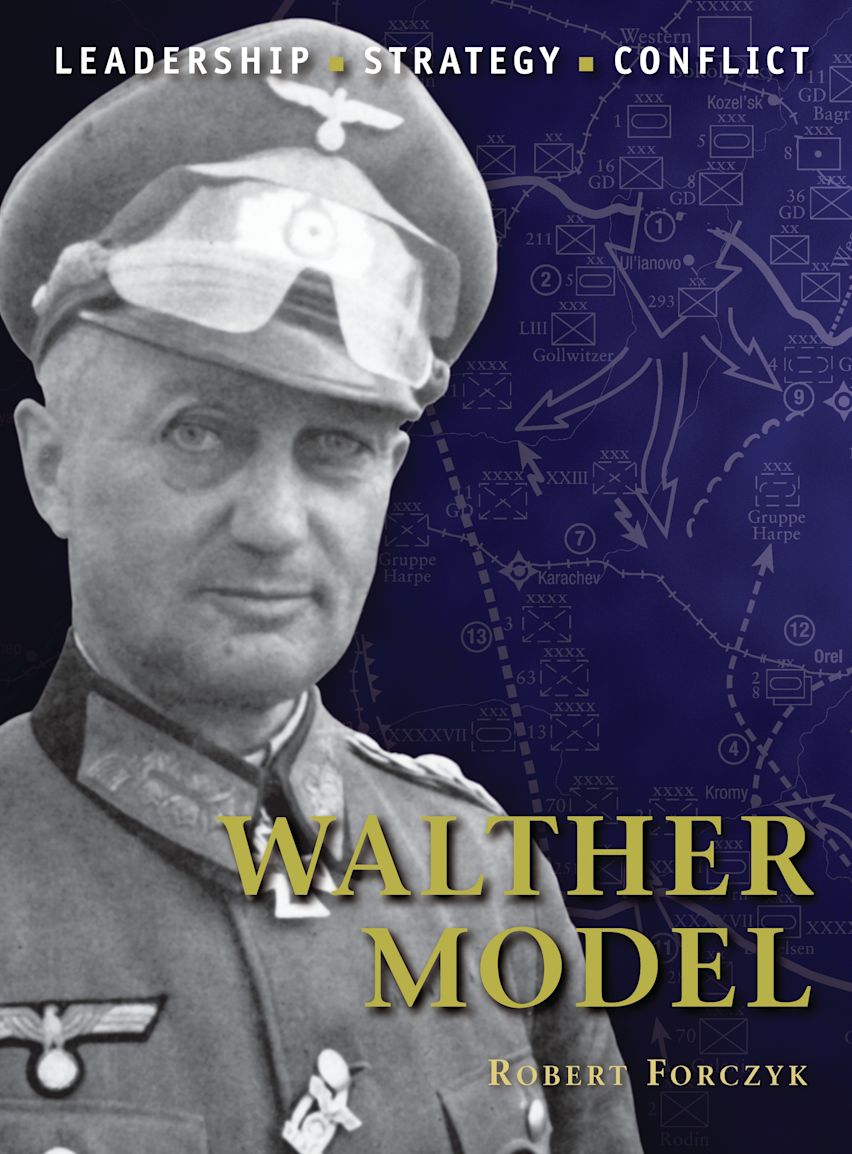
Walther Model [图书] 豆瓣 Goodreads
作者: Robert Forczyk 出版社: Osprey Publishing 2011 - 6
This volume details the military career and accomplishments of Walther Model, the youngest Generalfeldmarschall in the Wehrmacht in World War II and Hitler's favorite commander. His role on the Eastern Front saw him involved in most of the key battles of the second half of the warm, including the battles of Kursk Leningrad and the desperate attempt to halt the Soviet Bagration offensive. He also played a key role in the west, where his drive and defensive prowess saw his forces inflict heavy casualties on British forces at Arnhem and US forces in the Hürtgen Forest.
Model was a tough and tenacious commander, particularly when on the defense, and his career rise was virtually unprecedented in German military history. Model truly made his mark late in the war, when time was already running out for the Third Reich, but time and again he was rushed from one crumbling front to the next and succeeded in temporarily restoring the situation. Above all, Model deserves recognition as one of the great defensive commanders of modern military history.
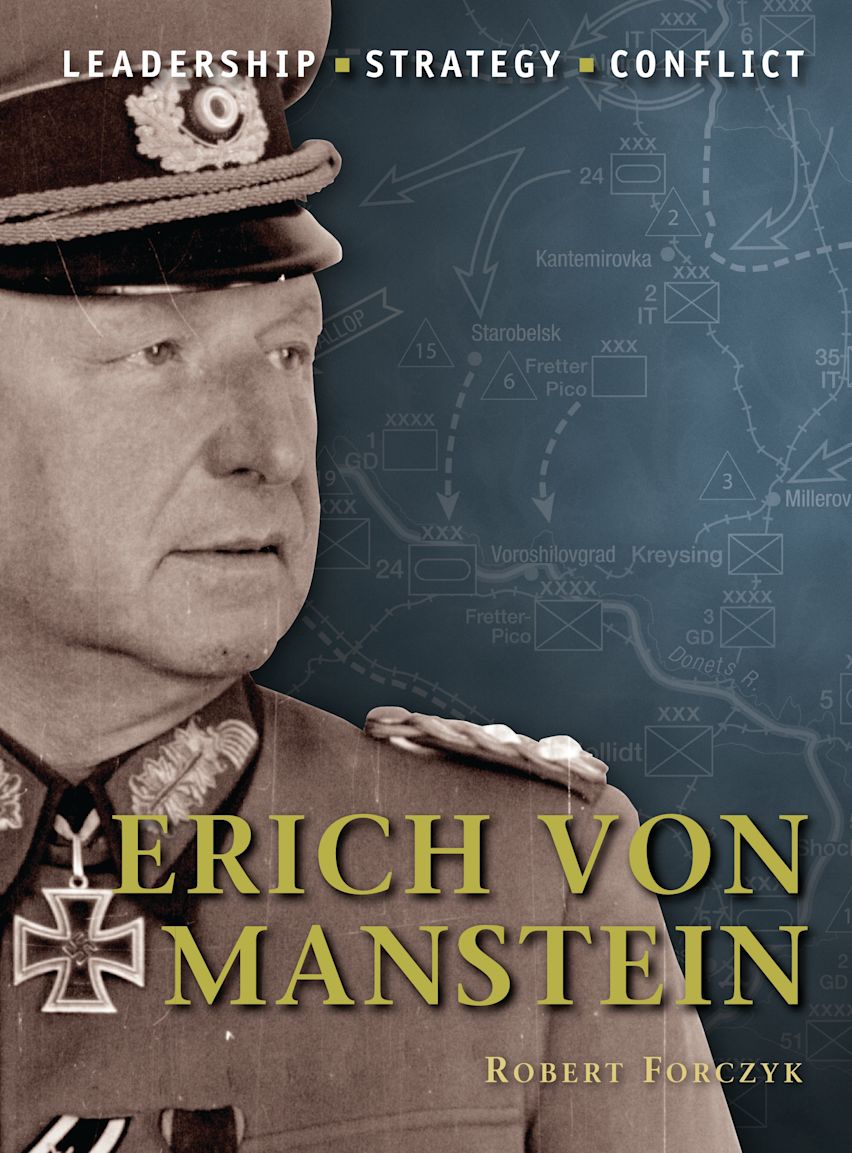
Erich von Manstein [图书] 豆瓣 Goodreads
作者: Robert Forczyk / Adam Hook 出版社: Osprey Publishing 2010 - 5
Erich von Manstein was one of the most successful German commanders of World War II. His military mind proved outstanding in many a conflict but perhaps his greatest triumph was his ingenious operational plan that led to the rapid defeat of France in May 1940. Manstein also showed great skill under adversity by commanding a furious rebuff to the Soviet armies in 1943, whilst Germany were retreating. However, his skill could not reverse Germany's declining fortunes and Manstein's frequent disagreement's with Hitler over military strategy led to his dismissal. Robert Forczyk tells the story of one of Germany's most valuable military talents, from his early years to his post-war conviction and his later career.
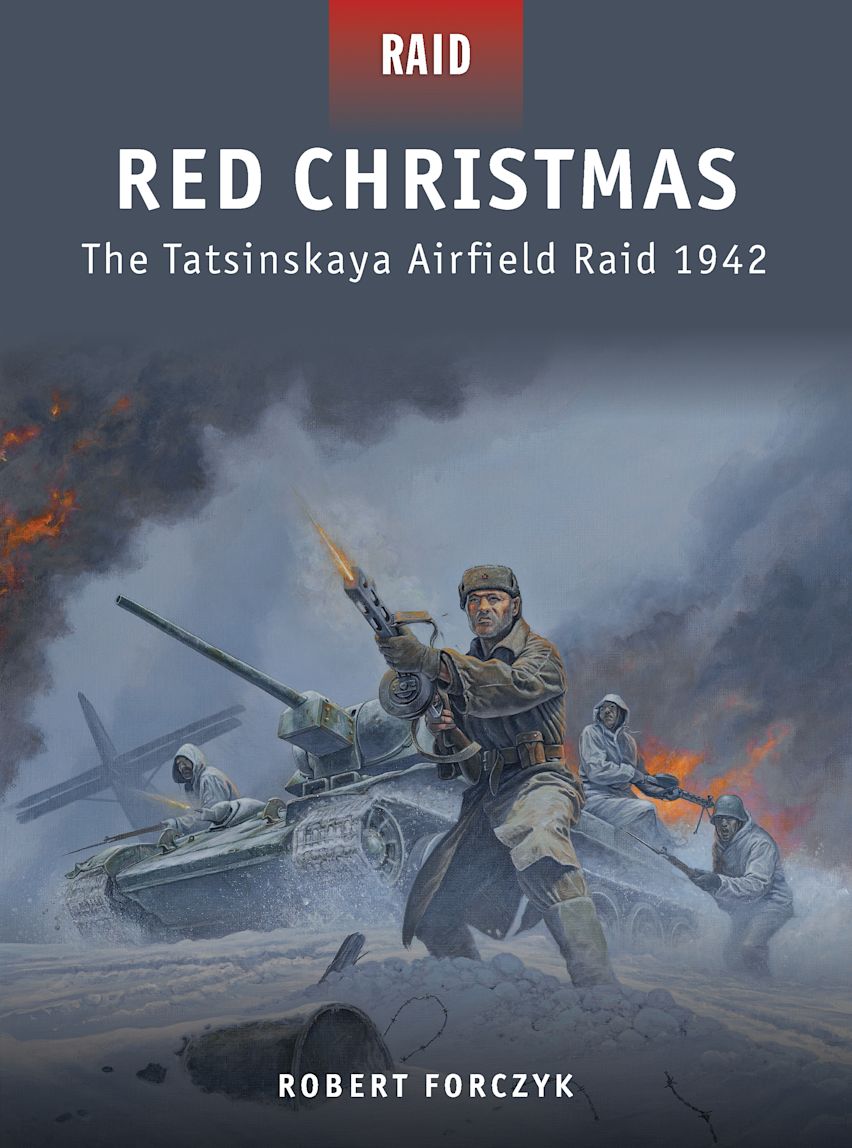
Red Christmas [图书] 豆瓣 谷歌图书
作者: Robert Forczyk / Johnny Shumate 出版社: Osprey Publishing 2012 - 4
By December 1942, the Soviets had surrounded the German 6th Army in Stalingrad, cutting off all lines of supply except through the air. Seeking to sever this last German lifeline, Soviet Command decided to launch a raid with the entire 24th Tank Corps to seize the airfield at Tatsinskaya, the primary operating base for the German airlift efforts. On 17 December, the 24th Tank Corps advanced toward Tatsinskaya, seizing the airfield on Christmas Eve. The Soviet tankers succeeded in destroying many Luftwaffe aircraft on the ground, but afterwards found themselves isolated and out of fuel behind the German lines. Generalfeldmarschall Erich von Manstein rapidly organized a counterattack with elements of two panzer divisions, crushing most of the raiding force between 26 and 28 December. Just before the raiding force was annihilated, it received permission to abandon its heavy equipment and escape back to Soviet lines on foot. Thus, the raiders accomplished their mission of severely disrupting the airlift to Stalingrad, but at the cost of an entire tank corps.
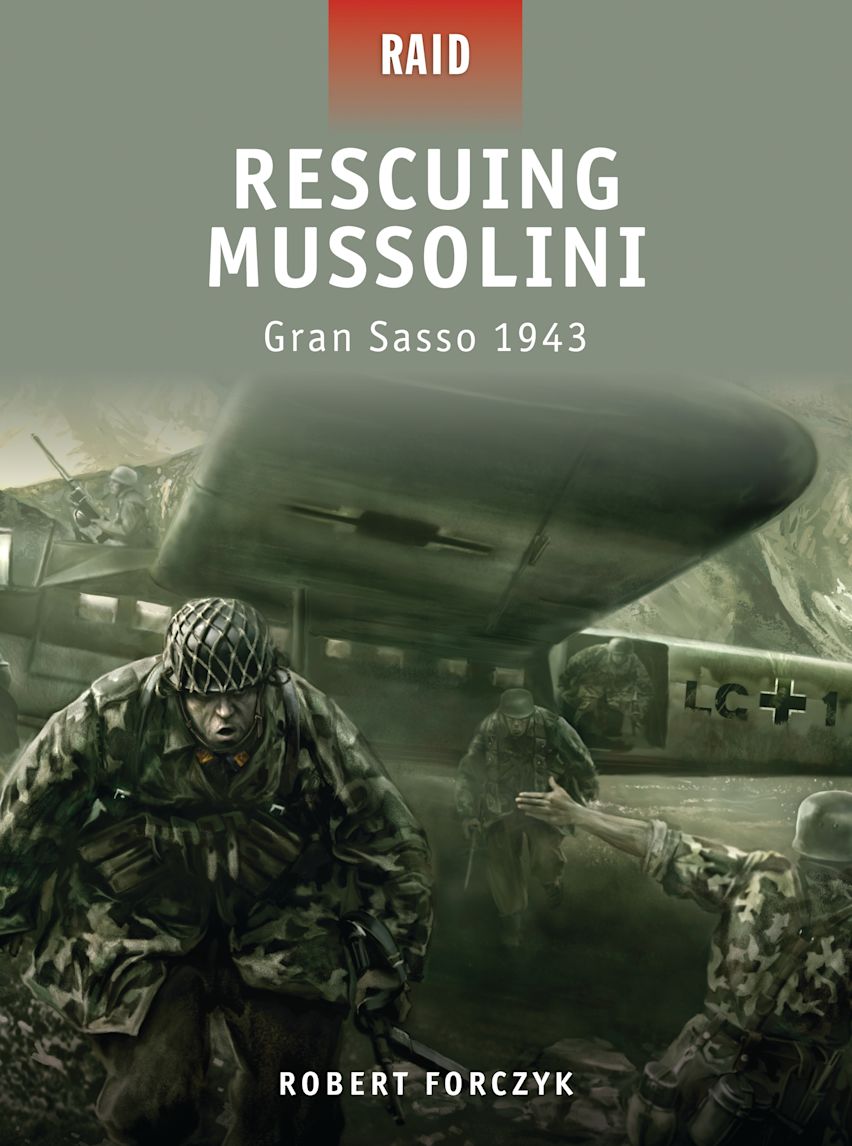
Rescuing Mussolini [图书] 豆瓣 谷歌图书 Goodreads
作者: Robert Forczyk / Howard Gerrard 出版社: Osprey Publishing 2010 - 4
The successful rescue of imprisoned Italian dictator Benito Mussolini from atop the Gran Sasso plateau by German glider-borne troops on 12 September 1943 was one of the most dramatic Special Forces operations in military history. Arrested by his own officers in July 1943, Mussolini had been whisked away to an isolated and heavily-guarded mountain-top resort, the Hotel Campo Imperatore at Gran Sasso, which could only be reached by a heavily guarded cable car station. It was clear to the Germans - who wished to rescue Mussolini in order to keep at least the appearance that Italy was still on the Axis side - that any conventional rescue operation would have to fight its way through too much opposition and that Mussolini's captors would have ample time to execute him before he could be rescued. However, the Waffen SS had begun to develop the genesis of a commando-style raiding force that appeared suitable for the mission. Once Mussolini's location at Gran Sasso was confirmed, Hitler ordered the assault force, led by SS Haupsturmführer Otto Skorzeny, to conduct a rescue mission to extract Mussolini alive from the mountaintop.
Despite unfavorable terrain for a gliderborne landing - including large boulders and steep cliffs near the landing zone - most of the German gliders succeeded in landing atop the Gran Sasso and the assault force was able to move in before the stunned Italian defenders could organize a response or eliminate Mussolini. Adding to the successful assault, Skorzeny was able to organize a desperate and ad hoc extraction plan using a light Fiesler Storch aircraft, when failed communications scuttled the pre-planned extraction method. At great risk, Mussolini was flown off the mountain and Skorzeny's raiding force had achieved all their objectives without firing a shot. Although the rescue of Mussolini failed to keep Italy on the Axis side, it did serve as a valuable propaganda boost for Germany in the face of defeats in Italy and the Soviet Union, as well as pointing toward a new dimension in warfare.
This title details the strategic context of this daring raid, the origins of the plans, and the initial strategy adopted by the German Special Operations forces, before going on to describe in full detail the plan, execution and final outcome of the operation. Forczyk also offers a complete and comprehensive analysis of the events and their aftermatch, along with suggestions for further reading. Discover the history of this classic wartime raid, which continues to fascinate military history enthusiasts and lovers of adventure, in this new addition to the Raid series by Robert Forczyk.
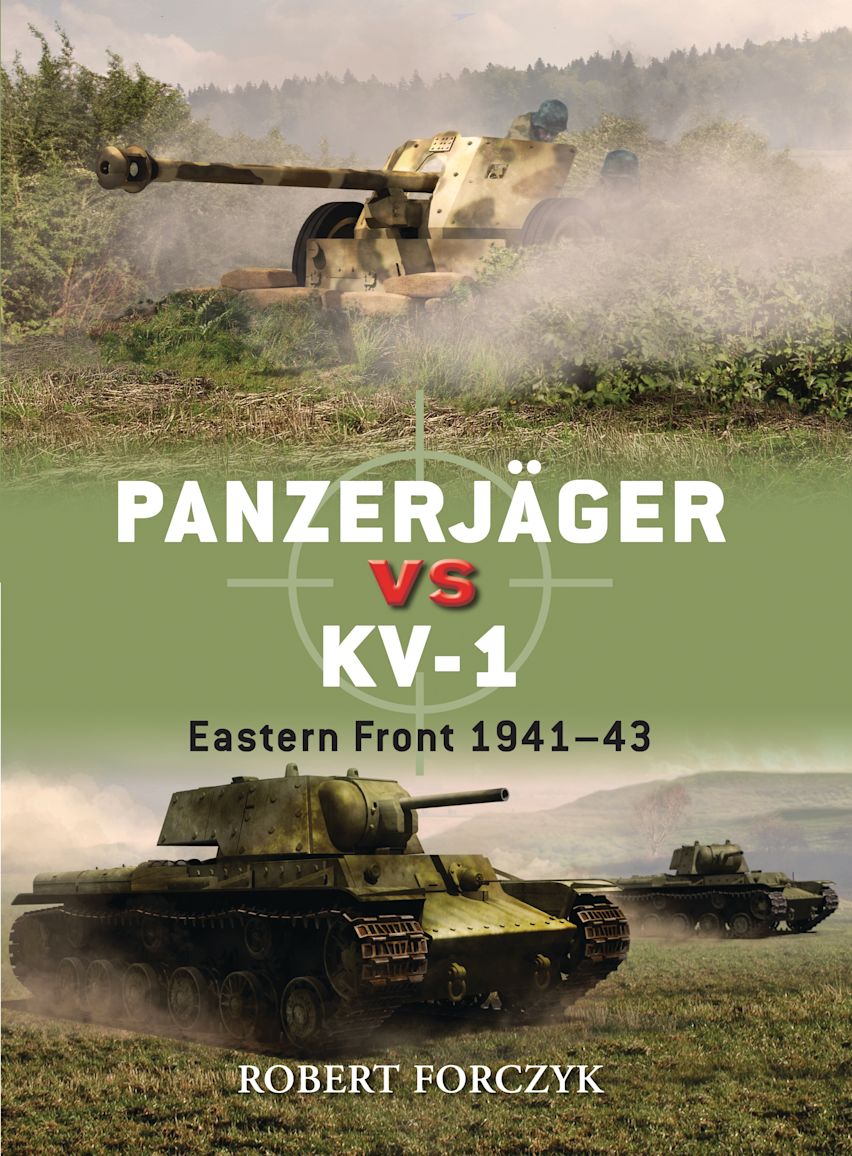
Panzerjäger vs KV-1 [图书] 豆瓣 谷歌图书 Goodreads
作者: Robert Forczyk / Ian Palmer 出版社: Osprey Publishing 2012 - 10
As the Wehrmacht invaded the Soviet Union, it discovered that the Russians possessed heavy tanks that German anti-tank guns were ineffective against.
The German Army developed the 3.7-cm Pak in 1936 to provide the primary weapon for its panzerjagers, who were responsible for anti-tank defense in infantry divisions. Realizing that the new Wehrmacht offensive doctrines intended to fully exploit the shock effect, firepower and mobility of armor, the panzerjagers were intended to enable German infantry to fend off enemy tanks. Although the 3.7-cm Pak was adequate against most pre-war tanks, during the 1940 Campaign in the West it proved unable to defeat the British Matilda II or French Char B, so the Wehrmacht began developing the 5-cm Pak 38 to supersede it. However, the process of re-equipment was slow and most German infantry divisions that participated in the invasion of the Soviet Union in 1941 only had a handful of Pak 38s and still relied mainly on the 3.7-cm Pak. Just four days into the invasion, German troops encountered the first KV-1 and KV-2 tanks near Raisinai in Lithuania and the impotence of both the 3.7-cm Pak (soon derisively labeled the "Door Knocker") and the Pak 38 was revealed. Thus at the start of this decisive campaign, the German Army was faced with the reality that it's panzerjagers could not provide effective anti-tank defense against Soviet heavy tanks and the Wehrmacht was forced to adopt a crash-program to upgrade its division-level AT defenses. New weaponry, including the 7.5-cm Pak 40, captured Soviet 76.2-mm guns converted into Pak 36(r), HEAT shells and tungsten-core rounds, offered possible solutions to the Soviet armored behemoths, but would require time to develop. In the interim, the panzerjagers were forced to adopt a variety of ad hoc tactics and stand-in equipment to survive in an unequal duel with heavy Soviet tanks.
On the Soviet side, based upon lessons from the Spanish Civil War, the Red Army decided to develop a heavy "breakthrough" tank to smash enemy infantry defenses. The result was the KV-1 and KV-2 tanks, introduced in 1939. At the start of Operation Barbarossa, both these tanks were virtually invulnerable to the weapons of the panzerjager and demonstrated their ability to overrun German infantry on several occasions. This advantage gave the Red Army a window of opportunity between the fall of 1941 and the spring of 1942 to use their heavy tanks to repel the German invasion in a series of desperate counteroffensives. Yet the window of Soviet advantage was a narrow one and the duel between the Soviet KV heavy tanks and German panzerjagers had a major impact upon the struggle for the strategic initiative in 1941-42.
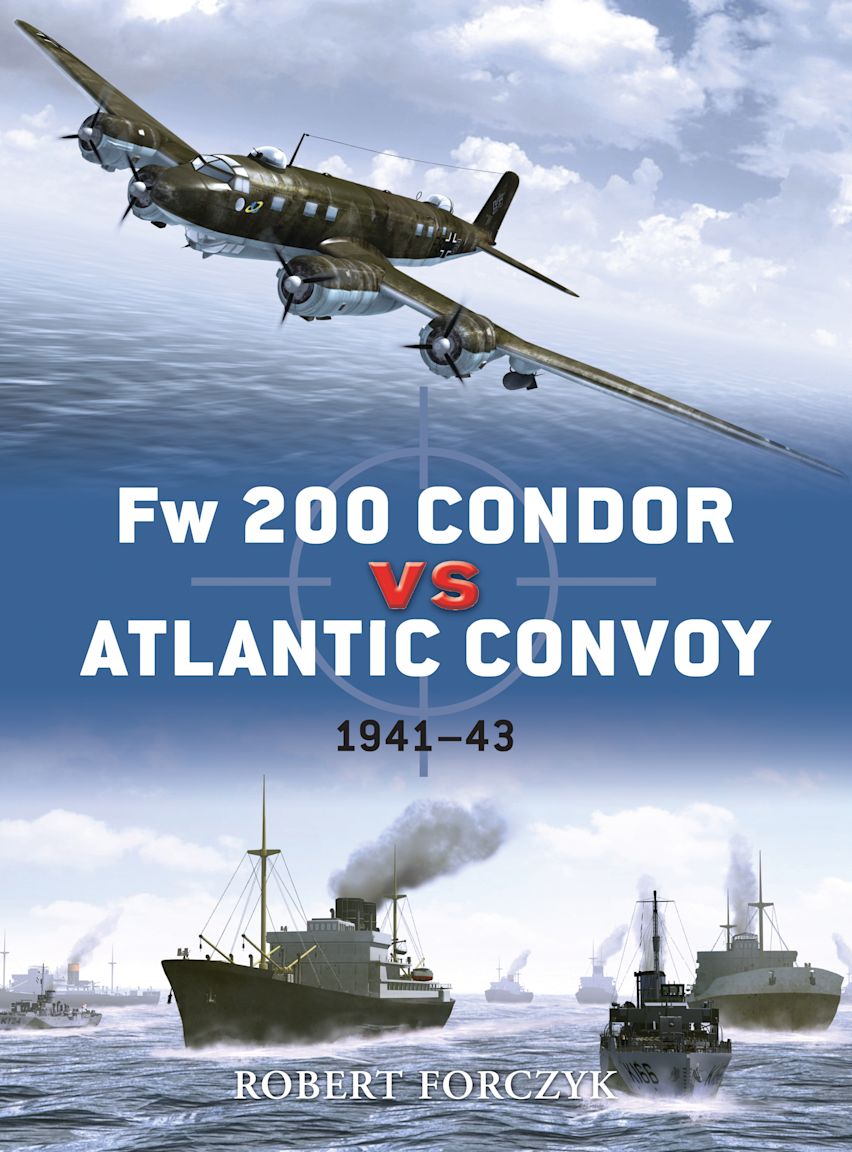
Fw-200 Condor Vs Atlantic Convoys [图书] 豆瓣 谷歌图书 Goodreads
作者: Robert Forczyk / Ian Palmer 出版社: Osprey Publishing 2010 - 3
After the fall of France in 1940, Germany attempted to strangle Britain into submission by attacking the Atlantic Convoys, which brought much need supplies and war materiel from the USA and Canada. While the U-boats attacked from beneath the seas, the Germans modified a civilian airliner to create the Fw-200 Condor to attack from the skies. By the summer of 1941, the Condor attacks had succeeded to the extent that Winston Churchill called them 'the scourge of the Atlantic'. This book discusses the development of the Condor, and analyzes the various Allied responses, including the development of the Hurricat, a modified hurricane that could be launched via catapult from modified merchant ships.