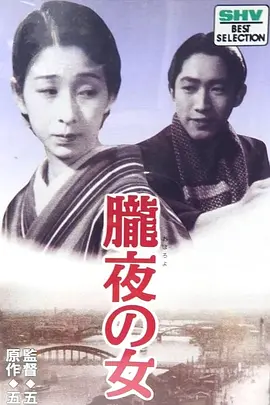
饭冢敏子 — 演员 (3)
Woman in the Mist (1936) [电影] IMDb
朧夜の女
导演: 五所平之助 演员: 飯塚敏子 / 飯田蝶子
其它标题: Oboroyo no onna / 朧夜の女
As the film begins, Bunkichi (Takeshi Sakamoto), an affable ne'er-do-well who married late (after sowing quite a few wild oats in his own youth) is approached by members of the community to head a collection drive for a commemorative lantern, a level of responsibility for which his wife Okiyo teasingly calls into question his suitability. Bunkichi further proves his irresponsibility when his widowed sister Otoku asks him to speak her son Seiichi in order to advise him to concentrate on his studies (instead of frittering his time reading novels) and instead, takes the young man out for a night of drinking. However, when Seiichi becomes involved in an even more serious - and potentially life-altering - predicament, Bunkichi takes him under his wing and assumes responsibility to mitigate the consequences of the young man's indiscretion. Gosho's richly textured home drama is a refined and seemingly effortless examination of duty, sacrifice, and maturity. The film's curious title, a reference to the out-of-favor geisha turned Ginza bar hostess Terue, provides an evocative and haunting metaphor for human transience.
Woman in the Mist (1936) [电影] 豆瓣
导演: 五所平之助 演员: 飯塚敏子 / 飯田蝶子
其它标题: Oboroyo no onna / 朧夜の女
As the film begins, Bunkichi (Takeshi Sakamoto), an affable ne'er-do-well who married late (after sowing quite a few wild oats in his own youth) is approached by members of the community to head a collection drive for a commemorative lantern, a level of responsibility for which his wife Okiyo teasingly calls into question his suitability. Bunkichi further proves his irresponsibility when his widowed sister Otoku asks him to speak her son Seiichi in order to advise him to concentrate on his studies (instead of frittering his time reading novels) and instead, takes the young man out for a night of drinking. However, when Seiichi becomes involved in an even more serious - and potentially life-altering - predicament, Bunkichi takes him under his wing and assumes responsibility to mitigate the consequences of the young man's indiscretion. Gosho's richly textured home drama is a refined and seemingly effortless examination of duty, sacrifice, and maturity. The film's curious title, a reference to the out-of-favor geisha turned Ginza bar hostess Terue, provides an evocative and haunting metaphor for human transience.