Richard Briers — Actor (13)
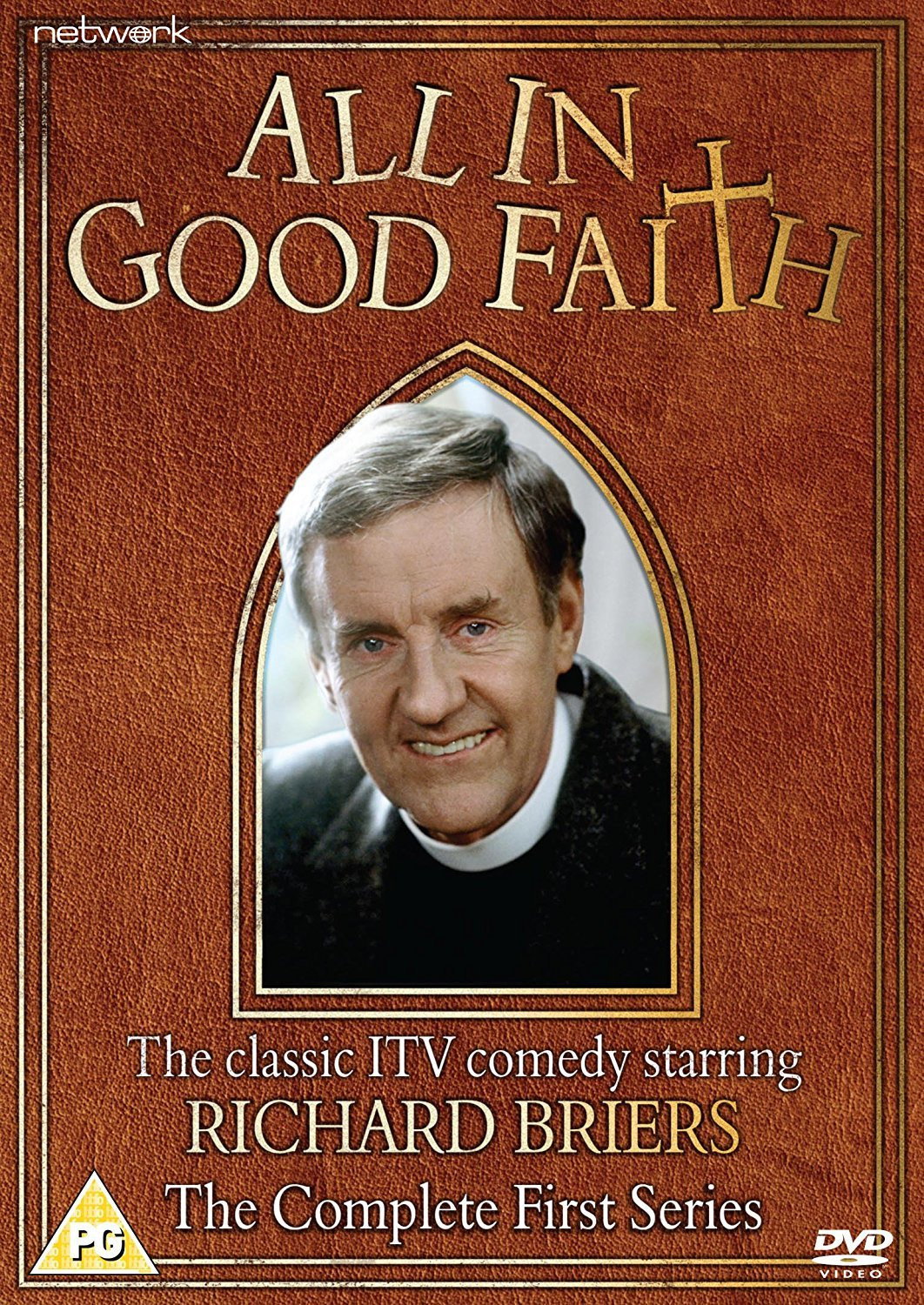
All in Good Faith (1985) [TV] TMDB WikiData IMDb
All in Good Faith
British sitcom in which Reverend Philip Lambe, after becoming bored in his wealthy Oxfordshire parish, asks for a transfer to a more difficult assignment. Sent to Edendale, a fictional urban town in the Midlands, he is accompanied by his wife Emma, sixteen-year-old daughter Miranda and twelve-year-old son Peter.
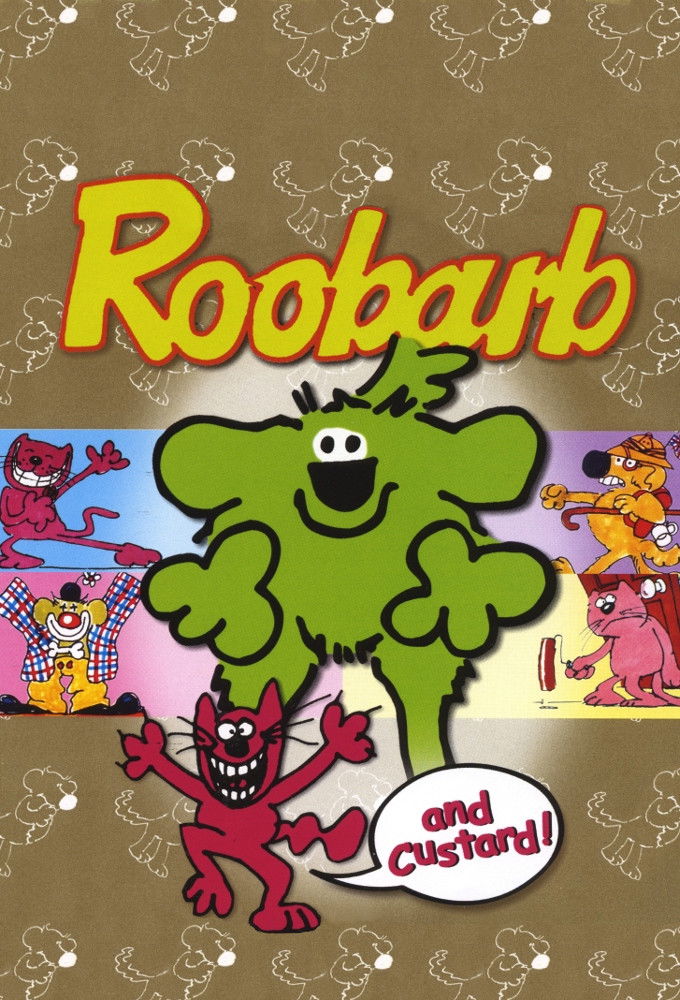
Roobarb (1974) [TV] TMDB IMDb WikiData
Roobarb
other title: 熟大黃
Roobarb is a British animated children's television programme, originally shown on BBC1 just before the evening news. Each cartoon, written by Grange Calveley and animated by Bob Godfrey, was about five minutes long. Thirty episodes were made, and the show was first shown on 21 October 1974. The theme is that of the friendly rivalry between Roobarb the green dog and Custard the pink cat from next door.

The narration of the series was provided by the actor Richard Briers. On 18 February 2013, Briers died, followed four days later by animator Godfrey.
Hamlet (1996) [Movie] Min reol
Hamlet
other title: 햄릿 / ハムレット
Hamlet, Prince of Denmark, returns home to find his father murdered and his mother now marrying the murderer... his uncle. Meanwhile, war is brewing.
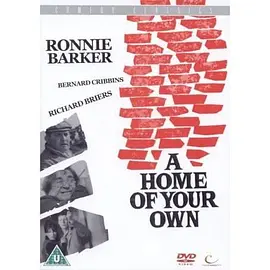
A Home of Your Own (1965) [Movie] Douban
director: Jay Lewis actor: Ronnie Barker / Richard Briers
Wordless comedy about the trials and tribulations which abound when a young couple attempt to build their dream home.
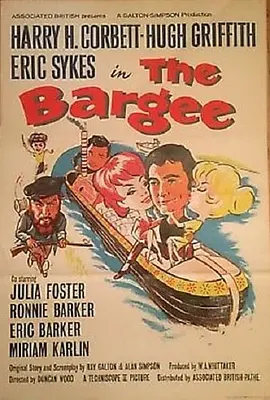
The Bargee (1964) [Movie] Douban TMDB IMDb WikiData
The Bargee
director: Duncan Wood actor: Harry H. Corbett / Hugh Griffith
other title: ザ・バージー
After a lock-keeper entrusts his daughter to a canal Casanova, he is shocked to learn that she is pregnant. He then refuses to open his locks - causing barges to pile up in every direction until the guilty party confesses.
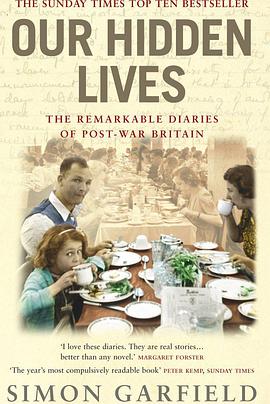
Our Hidden Lives (2005) [Movie] Douban
Based on the best-selling book by award-winning writer Simon Garfield, four stories from Britain's 'lost decade' (1945 - 1955) are presented from the diaries of four very distinct people. In his book, Garfield selected some of the most expressive diarists, and focused on the post-war years giving a vivid portrait of how Britain coped in the post-war years and how little, or how much, attitudes have changed over the past 60 years.