玛伦·艾格特 — 演员 (12)
我是你的人 (2021) [电影] 维基数据 豆瓣 IMDb TMDB
Ich bin dein Mensch
其它标题:
Ich bin dein Mensch
/
我是你的人类
…
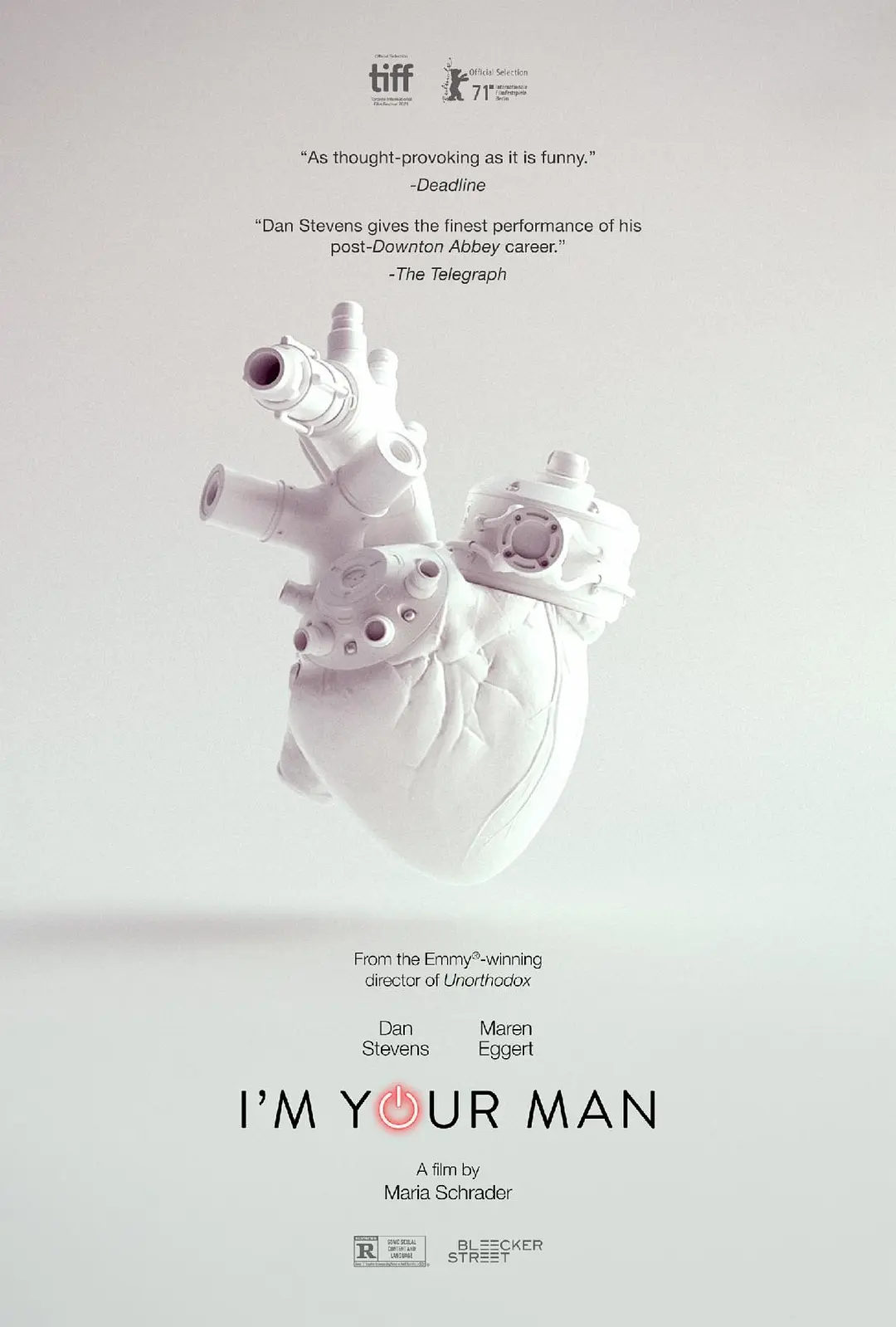
科学家阿尔玛在柏林著名的佩加蒙博物馆工作。为了获得研究经费,她同意参加一个不同寻常的实验。在三周的时间里,她要和一个人形机器人汤姆生活在一起,这个人工智能被设计成她理想的生活伴侣。机器以英俊的人形设计,是为她的快乐而造的。接下来是一个悲剧故事,探讨了爱、渴望和人类的概念。导演玛丽亚·施拉德曾获得银熊演员奖,同时也是一位出色的电影导演,她改编了Emma Braslavsky的故事,并为其注入了电影的暗示力量。她展现了对表演化学反应的深刻理解,她恰到好处地挑选并指导了一对主角,他们是有趣而不自然的、失败的一对。但是,还有什么比研究分析和感觉之间的颤动更有成效的呢?毕竟,诗歌也能用到左脑逻辑。
死亡实验 (2001) [电影] 豆瓣 TMDB IMDb 维基数据
Das Experiment
其它标题:
Das Experiment
/
实验监狱
…
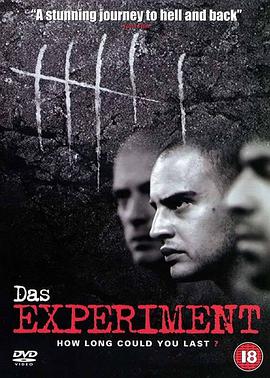
本片以1971年美国的“斯坦福监狱实验”为基础,根据马里奥•乔丹努的小说《黑盒子》改编。出租司机塔瑞克•法德(莫里兹•布雷多Moritz Bleibtreu 饰)看到报纸上一个征招心理实验对象的广告前去应聘,与其他19名各行各业各年龄段的男性应聘者被分为两组,本别扮演十二名囚犯和八名狱警,实施为时2周的模拟监狱实验,并各获4000德国马克报酬。实验前夕,塔瑞克回到自己两年前曾供职的报社,决定将实验过程中发生的情形写成报道出售。塔瑞克在实验中是囚犯77号,他依仗着实验中不准使用暴力的规定,故意挑起事端制造新闻。狱警博鲁斯(贾斯特斯•冯•多纳伊Justus von Dohnanyi 饰)不满塔瑞克的嚣张,在对囚犯的制裁中一步步确立自己的权威。二人的针锋相对为实验带来了不可预计的后果……
本片获德国电影奖年度电影及三项年度突出表现金奖——最佳男主角(莫里兹•布雷多)、场景设计及最佳男配角(贾斯特斯•冯•多纳伊)。
第69届柏林国际电影节颁奖典礼 (2019) [电影] 豆瓣
The 69th Berlin International Film Festival
其它标题:
The 69th Berlin International Film Festival
/
The 69th Internationale Filmfestspiele Berlin
本届柏林电影节将持续至2月17日,16日晚举行的颁奖典礼上将颁出金熊奖和银熊奖。
柏林国际电影节,原名西柏林国际电影节,创办于1951年,与戛纳国际电影节、威尼斯国际电影节并称为欧洲三大国际电影节(世界三大电影节),最高奖项是“金熊奖”。其目的在于加强世界各国电影工作者的交流,促进电影艺术水平的提高。主奖有“金熊奖”和“银熊奖”。“金熊奖”授予最佳故事片、纪录片、科教片、美术片;“银熊奖”授予最佳导演、男女演员、编剧、音乐、摄影、美工、青年作品或有特别成就的故事片等。
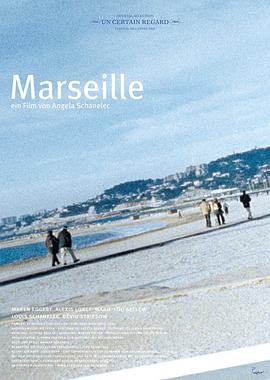
马赛 (2004) [电影] 豆瓣
Marseille
其它标题:
Marseille
The first movie of the "Berliner Schule" ("La Nouvelle Vague Allemande" Cahiers Du Cinema) that gained international recognition with it being screened in the "Un certain regard"-section of Cannes Film Festival 2004.
After the very sparse white on black of the opening credits we see the back of Sophie's head. She's in a car, she speaks awkward French, the woman who drives gets out, gets her a map, of Marseille. We learn, very soon, that they are exchanging apartments, the other woman, her name, we learn later, is Zelda, will go to Berlin and Sophie will stay, for a few weeks, in Marseille. Zelda says: Guten Tag, Auf Wiedersehen, Mein Freund, der Baum, ist tot - the latter phrase being a German song by a German singer who died young. Zelda disappears, Sophie stays. Zelda very literally disappears because there won't be a trace of her when Sophie will return to Berlin. The Marseille apartment, empty, unlived in as it is, will have been a gift, something inexplicably given in a film that ends with something - almost a life - taken.
Sophie, for the first third of the film, is in Marseille. She walks around, she takes pictures. She looks at the pictures, she moves without a direction, the camera is with her, sometimes distant, sometimes following her closely. Sophie is a stranger in a strange world, she sometimes seems cut off from her surroundings. We hear sounds, we see her face but the background is blurred. She does not seem unhappy, she does not seem happy. She does not talk much and she always thinks for a long time when she is asked. In the end she will be asked what it is she photographs. She will think for half a minute (or perhaps she does not think, but simply refuses to answer, to herself, to the policeman who asks) and then she says: The streets.
We do not know much of her and we do not learn much of her in these minutes we spend in Marseille, walking around with her. She meets a young man from a garage, who lends her his car, she drives around, which we don't see. There is a lot we don't see - although it takes some time to realize how much. She meets the young man in a bar, they drink, a friend arrives who insults Sophie, for no reason. Sophie and Pierre, the young man, walk up in a street that is lit in brownish golden light and they sleep with each other, which we don't see (and, really, don't know). The next night they dance.
One very sharp cut later Sophie is back in Berlin, she is approached by a young woman who returns a cap to her, a cap she has left in a McDonald's restaurant before she went to Marseille. There is more she has left, or rather: she has run away from. (At least this is what can - but does not have to be - inferred.) There is Ivan, a photographer she might be in love with. There is Hanna, an actress, Ivan's girl friend, their son Anton. We learn more about Ivan, we learn more about Hanna. We see Ivan taking pictures of women workers in a factory, without an explanation. We just see and watch. We watch the women from a sidewards angle, then we watch Ivan taking the pictures, then we watch the woman from Ivan's perspective. They talk, but not much. We just hear and see and watch. There is a lot we see - although it takes some time to realize how much. We are left with these images. They remain unexplained and they don't explain what we see. "Marseille" has a bewildering structure, switching from the elliptical cut (shocking, really) to the insistent gaze (frustrating first, but amazing after all).
For ten minutes, at least, we watch a rehearsal. Hanna plays a minor role in a Strindberg play. The same scene is rehearsed three times. We watch the man talking to the woman in an aggressive Strindberg way and we see Hanna entering the stage. Then the camera moves to the left and we watch the woman answering to the man in an aggressive Strindberg way. This time we don't see Hanna entering the stage. When leaving she makes a mistake, she adds a word that does not belong in her line. We see her then off stage, cowering. Hanna is not happy. She is not happy with David, she suffers from unexplainable pain. We do not learn much more about her. Sophie is out of sight for quite some time. We start doubting if this is really her story we are told. Oh yes, it is, but Schanelec refuses to follow her and her story in linear fashion. Ivan's taking of pictures, Hanna's rehearsal become important, not so much as explanations for their behaviour, just as the parts of their lives Schanelec has decided to follow.
Sophie then returns to Marseille and after the most daring ellipsis we see her at a police station, in a yellow dress. She sits, then she talks, then she does not talk for half a minute. She is asked what it is she photographs. The streets, she says after what seems a very long time. She cries. We see her on a sidewalk, the camera moving parallel to her. She crosses the street, the camera remains on the sidewalk, Sophie is moving away from it. Then she stops and the camera stops. She enters the German consulate. In Schanelec's (and cinematographer Reinhold Vorschneider's) films you see the most intelligent and subtle travellings imaginable - and even mor effective as they starkly contrast with a lot of very long, very static takes that just make you watch and see.
"Marseille" ends with a series of takes on the beach. It is getting dark, the streetlamps are switched on. We see Sophie in her yellow dress, distant, moving, we see the sea and there is a strange kind of consolation in this image of the dress, Sophie, the sea.

After the very sparse white on black of the opening credits we see the back of Sophie's head. She's in a car, she speaks awkward French, the woman who drives gets out, gets her a map, of Marseille. We learn, very soon, that they are exchanging apartments, the other woman, her name, we learn later, is Zelda, will go to Berlin and Sophie will stay, for a few weeks, in Marseille. Zelda says: Guten Tag, Auf Wiedersehen, Mein Freund, der Baum, ist tot - the latter phrase being a German song by a German singer who died young. Zelda disappears, Sophie stays. Zelda very literally disappears because there won't be a trace of her when Sophie will return to Berlin. The Marseille apartment, empty, unlived in as it is, will have been a gift, something inexplicably given in a film that ends with something - almost a life - taken.
Sophie, for the first third of the film, is in Marseille. She walks around, she takes pictures. She looks at the pictures, she moves without a direction, the camera is with her, sometimes distant, sometimes following her closely. Sophie is a stranger in a strange world, she sometimes seems cut off from her surroundings. We hear sounds, we see her face but the background is blurred. She does not seem unhappy, she does not seem happy. She does not talk much and she always thinks for a long time when she is asked. In the end she will be asked what it is she photographs. She will think for half a minute (or perhaps she does not think, but simply refuses to answer, to herself, to the policeman who asks) and then she says: The streets.
We do not know much of her and we do not learn much of her in these minutes we spend in Marseille, walking around with her. She meets a young man from a garage, who lends her his car, she drives around, which we don't see. There is a lot we don't see - although it takes some time to realize how much. She meets the young man in a bar, they drink, a friend arrives who insults Sophie, for no reason. Sophie and Pierre, the young man, walk up in a street that is lit in brownish golden light and they sleep with each other, which we don't see (and, really, don't know). The next night they dance.
One very sharp cut later Sophie is back in Berlin, she is approached by a young woman who returns a cap to her, a cap she has left in a McDonald's restaurant before she went to Marseille. There is more she has left, or rather: she has run away from. (At least this is what can - but does not have to be - inferred.) There is Ivan, a photographer she might be in love with. There is Hanna, an actress, Ivan's girl friend, their son Anton. We learn more about Ivan, we learn more about Hanna. We see Ivan taking pictures of women workers in a factory, without an explanation. We just see and watch. We watch the women from a sidewards angle, then we watch Ivan taking the pictures, then we watch the woman from Ivan's perspective. They talk, but not much. We just hear and see and watch. There is a lot we see - although it takes some time to realize how much. We are left with these images. They remain unexplained and they don't explain what we see. "Marseille" has a bewildering structure, switching from the elliptical cut (shocking, really) to the insistent gaze (frustrating first, but amazing after all).
For ten minutes, at least, we watch a rehearsal. Hanna plays a minor role in a Strindberg play. The same scene is rehearsed three times. We watch the man talking to the woman in an aggressive Strindberg way and we see Hanna entering the stage. Then the camera moves to the left and we watch the woman answering to the man in an aggressive Strindberg way. This time we don't see Hanna entering the stage. When leaving she makes a mistake, she adds a word that does not belong in her line. We see her then off stage, cowering. Hanna is not happy. She is not happy with David, she suffers from unexplainable pain. We do not learn much more about her. Sophie is out of sight for quite some time. We start doubting if this is really her story we are told. Oh yes, it is, but Schanelec refuses to follow her and her story in linear fashion. Ivan's taking of pictures, Hanna's rehearsal become important, not so much as explanations for their behaviour, just as the parts of their lives Schanelec has decided to follow.
Sophie then returns to Marseille and after the most daring ellipsis we see her at a police station, in a yellow dress. She sits, then she talks, then she does not talk for half a minute. She is asked what it is she photographs. The streets, she says after what seems a very long time. She cries. We see her on a sidewalk, the camera moving parallel to her. She crosses the street, the camera remains on the sidewalk, Sophie is moving away from it. Then she stops and the camera stops. She enters the German consulate. In Schanelec's (and cinematographer Reinhold Vorschneider's) films you see the most intelligent and subtle travellings imaginable - and even mor effective as they starkly contrast with a lot of very long, very static takes that just make you watch and see.
"Marseille" ends with a series of takes on the beach. It is getting dark, the streetlamps are switched on. We see Sophie in her yellow dress, distant, moving, we see the sea and there is a strange kind of consolation in this image of the dress, Sophie, the sea.
梦中小径 (2016) [电影] 维基数据 IMDb 豆瓣 TMDB
Der traumhafte Weg
导演:
安格拉·夏娜莱克
演员:
Paula Knüpling
/
Cornelius Schwalm
…
其它标题:
Der traumhafte Weg
/
四个梦者的交错轨迹(港)
…
兩對情侶,一前一後在兩個時空黯然分手。年輕戀人在希臘旅遊,男的要回英國探望意外昏迷的母親,女的要返德國繼續進修。鏡頭一轉已是30 年後,另一對中年夫婦,演員妻子與人類學家丈夫感情流逝,協議離婚。時空切換不着痕跡,人生卻已轉了幾回。此時那對年輕戀人久別重遇,相對已無言。布烈遜的簡約主義如影隨形,幾個手腳特寫已令人物活靈活現。同一時空,四人軌跡重疊,是夢境的虛幻,抑或現實的迷離?看此片如一趟靜觀冥想,感受生的孤寂與愛的無常。
长颈隧道 (2019) [电影] 豆瓣
Giraffe
导演:
Anna Sofie Hartmann
演员:
Lisa Loven Kongsli
/
Jakub Gierszal
…
其它标题:
Giraffe
A Danish summer: long days turn into blue nights. A tunnel is being built to connect Denmark and Germany. Three people meet and part ways again.
美狄亚 柏林德意志剧院版 [演出] 豆瓣
所属 演出: 美狄亚
语言:
德语 german
剧团:
柏林德意志剧院 Deutsches Theater Berlin
剧院:
上海话剧艺术中心
导演:
Tilmann Köhler
The play tells the story of the revenge of a woman betrayed by her husband. All of the action of the play is at Corinth, where Jason has brought Medea after the adventures of the Golden Fleece. He has now left her in order to marry Glauce, the daughter of King Creon. (Glauce is also known in Latin works as Creusa — see Seneca the Younger's Medea and Propertius 2.16.30. This King Creon is not to be confused with King Creon of Thebes.) The play opens with Medea grieving over her loss and with her elderly nurse fearing what she might do to herself or her children.
Creon, also fearing what Medea might do, arrives determined to send Medea into exile. Medea pleads for one day's delay, and Creon begrudgingly acquiesces. In the next scene Jason arrives to confront her and explain himself. He believes he could not pass up the opportunity to marry a royal princess, as Medea is only a barbarian woman, but hopes to someday join the two families and keep Medea as his mistress. Medea, and the chorus of Corinthian women, do not believe him. She reminds him that she left her own people for him ("I am the mother of your children. Whither can I fly, since all Greece hates the barbarian?"), and that she saved him and slew the dragon. Jason promises to support her after his new marriage, but Medea spurns him: "Marry the maid if thou wilt; perchance full soon thou mayst rue thy nuptials."
Next Medea is visited by Aegeus, King of Athens; he is aggrieved by his lack of children, and does not understand the oracle that was supposed to give him guidance. Medea begs him to protect her, in return for her helping his wife conceive a child. Aegeus does not know what Medea is going to do in Corinth, but promises to give her refuge in any case, provided she can escape to Athens.
Medea then returns to her plotting how she may kill Creon and Glauce. She decides to poison some golden robes (a family heirloom and gift from the sun god), in hopes that the bride will not be able to resist wearing them, and consequently be poisoned. Medea resolves to kill her own children as well, not because the children have done anything wrong, but because she feels it is the best way to hurt Jason. She calls for Jason once more, falsely apologizes to him, and sends the poisoned robes with her children as the gift-bearers.
Forgive what I said in anger! I will yield to the decree, and only beg one favor, that my children may stay. They shall take to the princess a costly robe and a golden crown, and pray for her protection.
The request is granted and the gifts are accepted. Offstage, while Medea ponders her actions, Glauce is killed by the poisoned dress, and Creon is also killed by the poison while attempting to save her. These events are related by a messenger.
Alas! The bride had died in horrible agony; for no sooner had she put on Medea's gifts than a devouring poison consumed her limbs as with fire, and in his endeavor to save his daughter the old father died too.
Medea is pleased with her revenge thus far, but resolves to carry it further: to utterly destroy Jason's plans for a new family, she will kill her own sons. She rushes offstage with a knife to kill her children. As the chorus laments her decision, the children are heard screaming. Jason rushes to the scene to punish her for the murder of Glauce and learns that his children too have been killed. Medea then appears above the stage in the chariot of the sun god Helios; this was probably accomplished using the mechane device usually reserved for the appearance of a god or goddess. She confronts Jason, reveling in his pain at being unable to ever hold his children again:
"I do not leave my children's bodies with thee; I take them with me that I may bury them in Hera's precinct. And for thee, who didst me all that evil, I prophesy an evil doom."
She escapes to Athens with the bodies. The chorus is left contemplating the will of Zeus in Medea's actions:
Manifold are thy shapings, Providence!
Many a hopeless matter gods arrange.
What we expected never came to pass,
What we did not expect the gods brought to bear;
So have things gone, this whole experience through!
Creon, also fearing what Medea might do, arrives determined to send Medea into exile. Medea pleads for one day's delay, and Creon begrudgingly acquiesces. In the next scene Jason arrives to confront her and explain himself. He believes he could not pass up the opportunity to marry a royal princess, as Medea is only a barbarian woman, but hopes to someday join the two families and keep Medea as his mistress. Medea, and the chorus of Corinthian women, do not believe him. She reminds him that she left her own people for him ("I am the mother of your children. Whither can I fly, since all Greece hates the barbarian?"), and that she saved him and slew the dragon. Jason promises to support her after his new marriage, but Medea spurns him: "Marry the maid if thou wilt; perchance full soon thou mayst rue thy nuptials."
Next Medea is visited by Aegeus, King of Athens; he is aggrieved by his lack of children, and does not understand the oracle that was supposed to give him guidance. Medea begs him to protect her, in return for her helping his wife conceive a child. Aegeus does not know what Medea is going to do in Corinth, but promises to give her refuge in any case, provided she can escape to Athens.
Medea then returns to her plotting how she may kill Creon and Glauce. She decides to poison some golden robes (a family heirloom and gift from the sun god), in hopes that the bride will not be able to resist wearing them, and consequently be poisoned. Medea resolves to kill her own children as well, not because the children have done anything wrong, but because she feels it is the best way to hurt Jason. She calls for Jason once more, falsely apologizes to him, and sends the poisoned robes with her children as the gift-bearers.
Forgive what I said in anger! I will yield to the decree, and only beg one favor, that my children may stay. They shall take to the princess a costly robe and a golden crown, and pray for her protection.
The request is granted and the gifts are accepted. Offstage, while Medea ponders her actions, Glauce is killed by the poisoned dress, and Creon is also killed by the poison while attempting to save her. These events are related by a messenger.
Alas! The bride had died in horrible agony; for no sooner had she put on Medea's gifts than a devouring poison consumed her limbs as with fire, and in his endeavor to save his daughter the old father died too.
Medea is pleased with her revenge thus far, but resolves to carry it further: to utterly destroy Jason's plans for a new family, she will kill her own sons. She rushes offstage with a knife to kill her children. As the chorus laments her decision, the children are heard screaming. Jason rushes to the scene to punish her for the murder of Glauce and learns that his children too have been killed. Medea then appears above the stage in the chariot of the sun god Helios; this was probably accomplished using the mechane device usually reserved for the appearance of a god or goddess. She confronts Jason, reveling in his pain at being unable to ever hold his children again:
"I do not leave my children's bodies with thee; I take them with me that I may bury them in Hera's precinct. And for thee, who didst me all that evil, I prophesy an evil doom."
She escapes to Athens with the bodies. The chorus is left contemplating the will of Zeus in Medea's actions:
Manifold are thy shapings, Providence!
Many a hopeless matter gods arrange.
What we expected never came to pass,
What we did not expect the gods brought to bear;
So have things gone, this whole experience through!
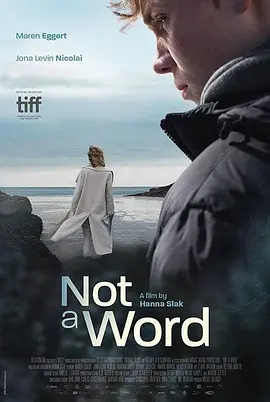
沉默 (2023) [电影] 豆瓣
Kein Wort
导演:
汉娜·安东尼娜·沃西克-斯拉克
演员:
Michaela Allendorf
/
玛伦·艾格特
…
其它标题:
Kein Wort
/
无字可言
…
When Nina finds out that her teenage son Lars has been injured in an accident at school, she is faced with a dilemma: can she leave behind the rehearsals with her orchestra in order to be there completely for him… in a situation that could be a life-changing moment? The decision she makes is a compromise: for five days, she will leave Munich to take Lars on a getaway, to the island in western France where they usually spend their summer vacation – a place full of fond memories and significance to Lars. In winter, however, the island is no holiday paradise, but windy, dark and cold. In the small house on the beach, mother and son are forced to face each other. Thoughts of music haunt Nina, the calls from the mainland worry her. Is she just sabotaging her career, which she has fought so hard for… and for what? Lars withdraws further every day. Misunderstandings multiply, suppositions turn into suspicions: was Lars a witness to a gruesome crime at school? Did he even participate in it? When a winter storm cuts the last connection to the mainland, a dangerous confrontation ensues.