居伊·德·莫泊桑 — 作者 (16)
莫泊桑短篇小说精选 [图书] 豆瓣
莫泊桑一生共创作了300多篇短篇小说,本书精选值得一读再读的23篇,包含《羊脂球》《项链》《我的叔叔于勒》等经典,由法语翻译泰斗柳鸣九先生倾力翻译。
在莫泊桑笔下,有被虚伪的正派人利用并唾弃的妓女羊脂球,有为一串假项链付出一生辛劳的虚荣少女玛蒂尔德,还有误以为母亲去世任由妻子抢夺“遗物”的麻木公务员卡拉望……
矛盾、计谋、虚伪、遗弃、忏悔、谅解。这些挣扎背后是小人物的生活图景,也是每个人都在面对的人生考卷。
·
·
编辑推荐:
◆法语翻译泰斗柳鸣九先生经典译本,百万读者口碑之选。
◆2018全新修订,新增多条注释详解,提供历史背景说明,阅读更流畅。
◆采用瑞典进口轻型纸,78度白有效保护视力;纯天然杉树木浆气味,环保健康。
◆装帧大气,手感舒适轻盈,便于携带及阅读。
·
·
名 人推荐:
◆ (莫泊桑作品)每一篇都是一出小小的喜剧,一出小但完整的戏剧,打开一扇令人顿觉醒豁的生活窗口,读他的作品,读他笔下的人物,可以是哭或是笑,但永远是发人深思的。
——左拉
◆《项链》是一篇很好的短篇小说,结构完整,节奏灵动,主旨明朗。直接,讽刺,机敏,洗练而又有力。你可以把它当做短篇小说的范例。
——毕飞宇
◆他具有法兰西语言的三大优点:第一是明晰,第二是明晰,第三还是明晰。
——阿纳托尔·法朗士
◆莫泊桑之所以是天才,是因为他能看到别人看不到的现实,他眼中的真实,比现实更动人。
——托尔斯泰
在莫泊桑笔下,有被虚伪的正派人利用并唾弃的妓女羊脂球,有为一串假项链付出一生辛劳的虚荣少女玛蒂尔德,还有误以为母亲去世任由妻子抢夺“遗物”的麻木公务员卡拉望……
矛盾、计谋、虚伪、遗弃、忏悔、谅解。这些挣扎背后是小人物的生活图景,也是每个人都在面对的人生考卷。
·
·
编辑推荐:
◆法语翻译泰斗柳鸣九先生经典译本,百万读者口碑之选。
◆2018全新修订,新增多条注释详解,提供历史背景说明,阅读更流畅。
◆采用瑞典进口轻型纸,78度白有效保护视力;纯天然杉树木浆气味,环保健康。
◆装帧大气,手感舒适轻盈,便于携带及阅读。
·
·
名 人推荐:
◆ (莫泊桑作品)每一篇都是一出小小的喜剧,一出小但完整的戏剧,打开一扇令人顿觉醒豁的生活窗口,读他的作品,读他笔下的人物,可以是哭或是笑,但永远是发人深思的。
——左拉
◆《项链》是一篇很好的短篇小说,结构完整,节奏灵动,主旨明朗。直接,讽刺,机敏,洗练而又有力。你可以把它当做短篇小说的范例。
——毕飞宇
◆他具有法兰西语言的三大优点:第一是明晰,第二是明晰,第三还是明晰。
——阿纳托尔·法朗士
◆莫泊桑之所以是天才,是因为他能看到别人看不到的现实,他眼中的真实,比现实更动人。
——托尔斯泰
莫泊桑中短篇小说选 [图书] 豆瓣
《莫泊桑中短篇小说选(买中文版赠送英文版)》内容简介:莫泊桑是十九世纪后期自然主义文学潮流中仅次于左拉的大作家。他继承了法国现实主义文学的传统,又接受了左拉的影响,带有明显的自然主义倾向。他在相当短暂的一生里,取得了令人瞩目的文学成就。他既是一系列著名长篇小说的作者,更是短篇小说创作的巨匠。他数量巨大的短篇小说所达到的艺术水平,不仅在法国文学中,而且在世界文坛上,都是卓越超群的,具有某种典范的意义,所以人称“短篇小说之王”。
莫泊桑于一八五O年八月五日诞生于诺曼底省,名为贵族后裔,实际上其祖父只是复辟时期的一个税务官,父亲则是一个游手好闲、没有固定职业的浪荡子。莫泊桑在诺曼底的乡间与城镇度过了他的童年,一八五九至一八六O年随父母到巴黎小住,就读于拿破仑中学,后因父亲无行,双亲离异,随母又回到诺曼底。故乡的生活与优美的大自然给莫泊桑的影响很深,成为他日后文学创作的一个重要源泉。
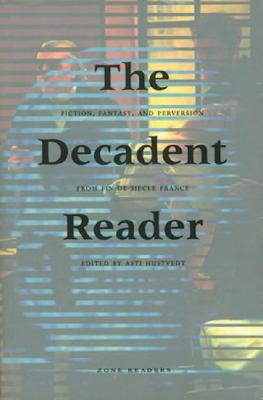
The Decadent Reader: Fiction, Fantasy, and Perversion from Fin-de-Siècle France [图书] Goodreads
The Decadent Reader: Fiction, Fantasy, and Perversion from Fin-de-Siècle France
作者:
Jules Barbey d'Aurevilly
/
Joris-Karl Huysmans
…
出版社:
Zone Books
1998
- 11
In France at the end of the nineteenth century, progress and material prosperity coincided with widespread alarm about disease and decay. The obsessions of our own culture as the twentieth century came to a close resonate strikingly with those of the last fin-de-siecle: crime, pollution, sexually transmitted diseases, gender confusion, moral depravity, alcoholism, and tobacco and drug use were topics of popular discussion then as now.The Decadent Reader is a collection of novels and stories from fin-de-siecle France that celebrate decline, aestheticize decay, and take pleasure in perversity. By embracing the marginal, the unhealthy, and the deviant, the decadent writers attacked bourgeois life, which they perceived to be the chief enemy of art. Barbey d'Aurevilly, Joris-Karl Huysmans, Jean Lorrain, Guy de Maupassant, Villiers de l'Isle-Adam, Catulle Mendes, Rachilde, Jean Moreas, Octave Mirbeau, Josephin Peladan, and Remy de Gourmont looted the riches of their culture for their own purposes. In an age of medicine, they borrowed its occult mysteries rather than its positivism. From its social Darwinism, they found their monsters: sadists, murderers, transvestites, fetishists, prostitutes, nymphomaniacs, and hysterics. And they reveled in them, completely upending the conventions of romance and sentimentality. The Decadent Reader, which includes critical essays on all of the authors, many novels and stories that have never before appeared in English, and familiar works set in a new context, offers a compelling portrait of fin-de-siecle France.
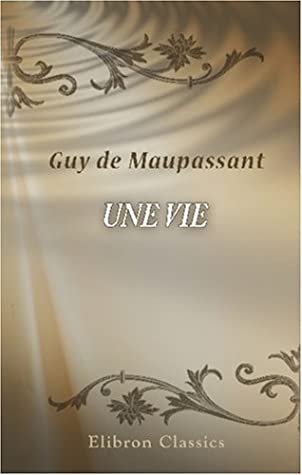
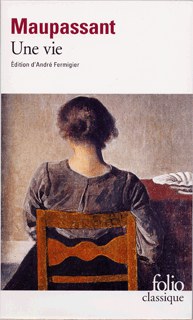
Une vie [图书] Goodreads
Une vie
Jeanne, ayant fini ses malles, s'approcha de la fenêtre, mais la pluie ne cessait pas.
L'averse, toute la nuit, avait sonné contre les carreaux et les toits. Le ciel bas et chargé d'eau semblait crevé, se vidant sur la terre, la délayant en bouillie, la fondant comme du sucre. Des rafales passaient pleines d'une chaleur lourde. Le ronflement des ruisseaux débordés emplissait les rues désertes où les maisons, comme des éponges, buvaient l'humidité qui pénétrait au-dedans et faisait suer les murs de la cave au grenier.
莫泊桑戰爭短篇小說選 [图书] 谷歌图书
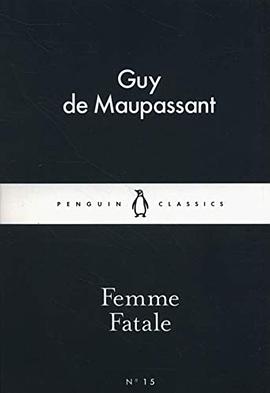
Femme Fatale [图书] 豆瓣
A selection of Maupassant's brilliant, glittering stories set in the Parisian beau monde and Normandy countryside.Introducing Little Black Classics: 80 books for Penguin's 80th birthday. Little Black Classics celebrate the huge range and diversity of Penguin Classics, with books from around the world and across many centuries. They take us from a balloon ride over Victorian London to a garden of blossom in Japan, from Tierra del Fuego to 16th-century California and the Russian steppe. Here are stories lyrical and savage; poems epic and intimate; essays satirical and inspirational; and ideas that have shaped the lives of millions.Guy de Maupassant (1850-1893). Maupassant's works available in Penguin Classics are A Parisian Affair and Other Stories, Bel-Ami and Pierre and Jean.
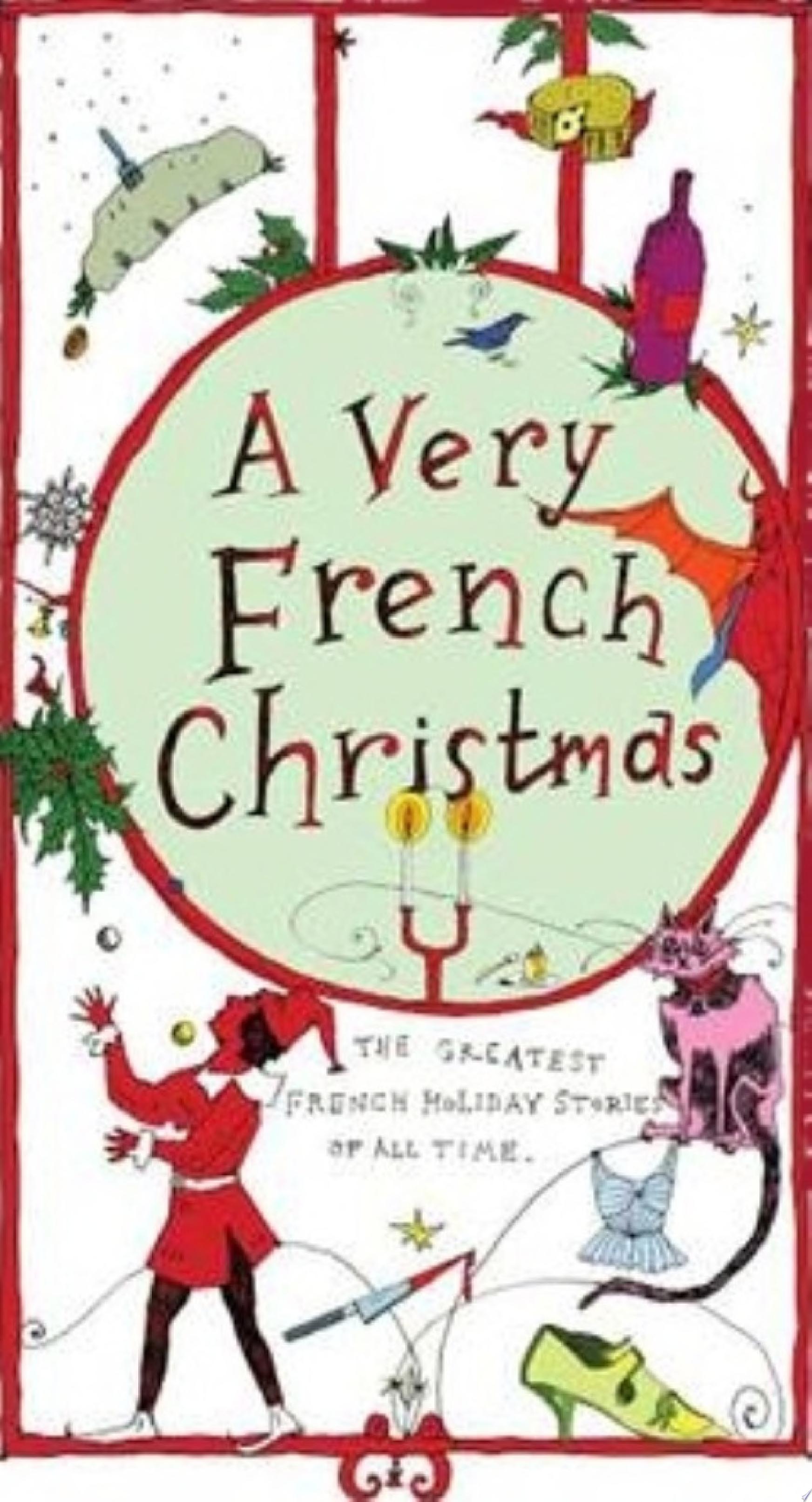
A Very French Christmas [图书] 谷歌图书
Joyeux Noël: “[An]endearing collection of Christmas stories from ten of France’s most esteemed writers―past and present―skillfully translated.” ―Foreword Reviews
This collection brings together the best French Christmas stories of all time, featuring classics by Guy de Maupassant and Alphonse Daudet, plus stories by the esteemed twentieth century authors Irène Némirovsky and Nobel Prize winner Anatole France and contemporary writers Dominique Fabre and Jean-Philippe Blondel. With a holiday spirit conveyed through sparkling Paris streets, opulent feasts, wandering orphans, kindly monks, homesick soldiers, oysters, crayfish, ham, bonbons, flickering desire, and more than a little wine, this collection encapsulates Christmas à la française—delicious, intense and unexpected.
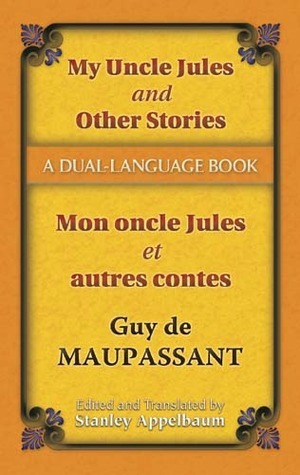
My Uncle Jules and Other Stories/Mon oncle Jules et autres contes: A Dual-Language Book (Dover Dual Language French) [图书] Goodreads
Admired as "the greatest French short story writer," and emulated by Somerset Maugham and O. Henry, Guy de Maupassant (1850-1893) was a master of plot construction and a keen recorder of life, translating his observations into finely crafted short stories that spoke entire volumes.
This edition features twelve of de Maupassant's best-known stories, each reflecting the author's keen, compassionate insights into human behavior. Presented in a dual-language format with new translations by Stanley Applebaum, the stories — written between 1876 and 1890 — represent de Maupassant's major recurring subjects and themes, both tragic and comic. From meditations on the nature of love to jocular stories of friendship and misadventure and tales of irrational, heartfelt anguish, this masterful collection displays the full range of de Maupassant's genius.
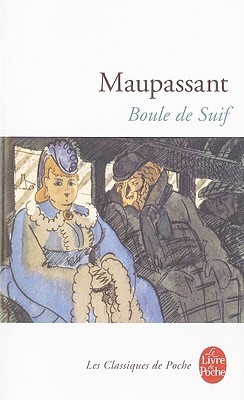
Boule de Suif [图书] Goodreads
Pendant l'hiver, 1870-71, durant la guerre franco-prussienne, la ville de Rouen (Normandie) est envahie par les Prussiens. Pour fuir l'occupation, dix personnes prennent la diligence de Dieppe : un couple de commerçants, un couple de bourgeois, un couple de nobles, deux religieuses, un démocrate et enfin Boule de suif.
Le voyage s'annonce difficile, la diligence n'avance pas. Les voyageurs ont faim et seule la jeune femme a pensé à emporter des provisions, qu'elle partage généreusement. Les voyageurs font étape pour la nuit dans une auberge à Tôtes (sur le modèle de l'Auberge du cygne), occupée par les Prussiens. Le lendemain, ils ne peuvent pas partir, l'officier prussien exerce un chantage, Boule de suif doit coucher avec lui s'ils veulent repartir, mais elle refuse. Au début, tous sont outrés par le comportement du prussien, mais les jours passant et l'ennui s'installant, ils font pression sur Boule de suif qui finit par accepter.
Le lendemain, les voyageurs ignorent Boule de suif qui, étant occupée, n'a pas pu faire de provisions alors que les autres avaient préparé leur déjeuner. Aucun d'eux ne donnera ne serait-ce qu'un petit morceau de pain à la jeune fille. L'histoire se termine sur Boule de suif en larmes.
Boule de Suif --
L'ami Patience --
La dot --
La moustache --
Le lit 29 --
Le protecteur --
La chevelure --
Le crime au père Boniface --
Rose --
L'aveu --
La parure --
Le bonheur --
Une vendetta --
Coco --
Auprès d'un mort --
La serre --
Un duel --
Une soirée --
Le vengeur --
L'attente --
Première neige --
Le voyage s'annonce difficile, la diligence n'avance pas. Les voyageurs ont faim et seule la jeune femme a pensé à emporter des provisions, qu'elle partage généreusement. Les voyageurs font étape pour la nuit dans une auberge à Tôtes (sur le modèle de l'Auberge du cygne), occupée par les Prussiens. Le lendemain, ils ne peuvent pas partir, l'officier prussien exerce un chantage, Boule de suif doit coucher avec lui s'ils veulent repartir, mais elle refuse. Au début, tous sont outrés par le comportement du prussien, mais les jours passant et l'ennui s'installant, ils font pression sur Boule de suif qui finit par accepter.
Le lendemain, les voyageurs ignorent Boule de suif qui, étant occupée, n'a pas pu faire de provisions alors que les autres avaient préparé leur déjeuner. Aucun d'eux ne donnera ne serait-ce qu'un petit morceau de pain à la jeune fille. L'histoire se termine sur Boule de suif en larmes.
Boule de Suif --
L'ami Patience --
La dot --
La moustache --
Le lit 29 --
Le protecteur --
La chevelure --
Le crime au père Boniface --
Rose --
L'aveu --
La parure --
Le bonheur --
Une vendetta --
Coco --
Auprès d'un mort --
La serre --
Un duel --
Une soirée --
Le vengeur --
L'attente --
Première neige --
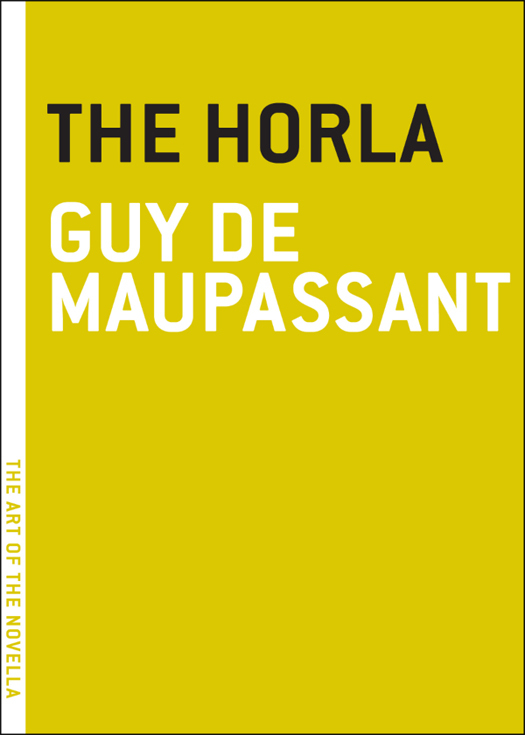
The Horla [图书] Goodreads
Our woe is upon us.
This chilling tale of one man’s descent into madness was published shortly before the author was institutionalized for insanity, and so The Horla has inevitably been seen as informed by Guy de Maupassant’s mental illness. While such speculation is murky, it is clear that de Maupassant—hailed alongside Chekhov as father of the short story—was at the peak of his powers in this innovative precursor of first-person psychological fiction. Indeed, he worked for years on The Horla’s themes and form, first drafting it as “Letter from a Madman,” then telling it from a doctor’s point of view, before finally releasing the terrified protagonist to speak for himself in its devastating final version. In a brilliant new translation, all three versions appear here as a single volume for the first time.
The Art of The Novella Series
Too short to be a novel, too long to be a short story, the novella is generally unrecognized by academics and publishers. Nonetheless, it is a form beloved and practiced by literature's greatest writers. In the Art Of The Novella series, Melville House celebrates this renegade art form and its practitioners with titles that are, in many instances, presented in book form for the first time.
This chilling tale of one man’s descent into madness was published shortly before the author was institutionalized for insanity, and so The Horla has inevitably been seen as informed by Guy de Maupassant’s mental illness. While such speculation is murky, it is clear that de Maupassant—hailed alongside Chekhov as father of the short story—was at the peak of his powers in this innovative precursor of first-person psychological fiction. Indeed, he worked for years on The Horla’s themes and form, first drafting it as “Letter from a Madman,” then telling it from a doctor’s point of view, before finally releasing the terrified protagonist to speak for himself in its devastating final version. In a brilliant new translation, all three versions appear here as a single volume for the first time.
The Art of The Novella Series
Too short to be a novel, too long to be a short story, the novella is generally unrecognized by academics and publishers. Nonetheless, it is a form beloved and practiced by literature's greatest writers. In the Art Of The Novella series, Melville House celebrates this renegade art form and its practitioners with titles that are, in many instances, presented in book form for the first time.