Heinrich Gretler — 演员 (5)
光天化日之下 (1958) [电影] 豆瓣
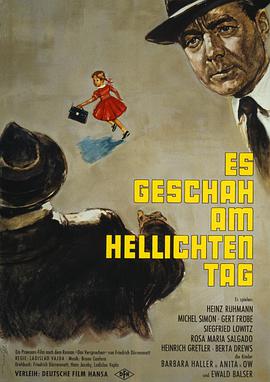
Es geschah am hellichten Tag
导演:
拉迪斯劳·瓦赫达
演员:
海因茨·吕曼
/
席格法瑞特斯坦纳
…
其它标题:
Es geschah am hellichten Tag
/
It Happened in Broad Daylight
…
Several young girls were killed. Policeman Matthaei travels to the region where it happened and searches a child that looks similar to the ones that were murdered. He finds one and stays with her and her mother, not telling them that he is waiting for the killer to start his bloody work one more time ...
Madness Rules (1947) [电影] 维基数据 IMDb TMDB
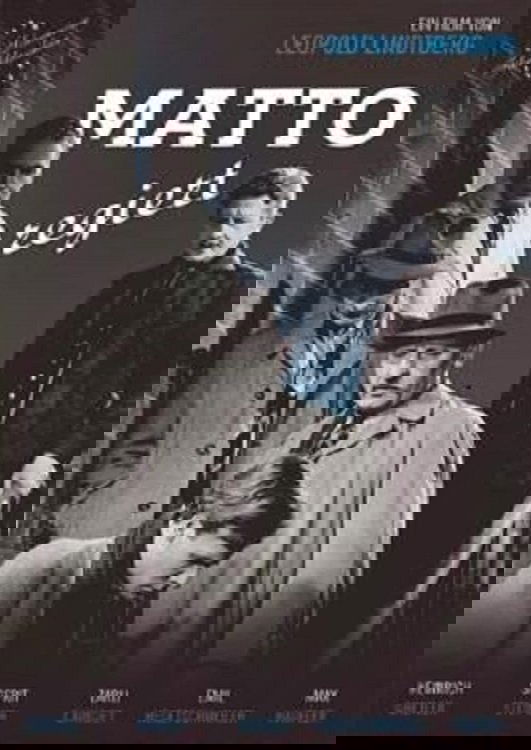
Matto regiert
导演:
Leopold Lindtberg
演员:
Heinrich Gretler
/
Heinz Woester
…
其它标题:
Matto regiert
/
马托规则
…
If any one man is responsible for the rejuvenation of the postwar Swiss film industry, that man was director Leopold Lindtberg. Matto Regiert (Madness Rules) was co-adapted for the screen by Lindtberg from a novel by Friedrich Glauser. Heinrich Gretler stars as Police Constable Studer, the hero of several of Glauser's most popular works. This time, Studer must solve the murder of the director of an insane asylum -- and it's not (surprise, surprise) the most likely suspect, manic-depressive patient Herbert Caplaun. For box-office purposes, Matto Regiert stresses a romantic subplot involving Caplaun and nurse Irma Wasem.
Sergeant Studer (1939) [电影] 维基数据 IMDb TMDB
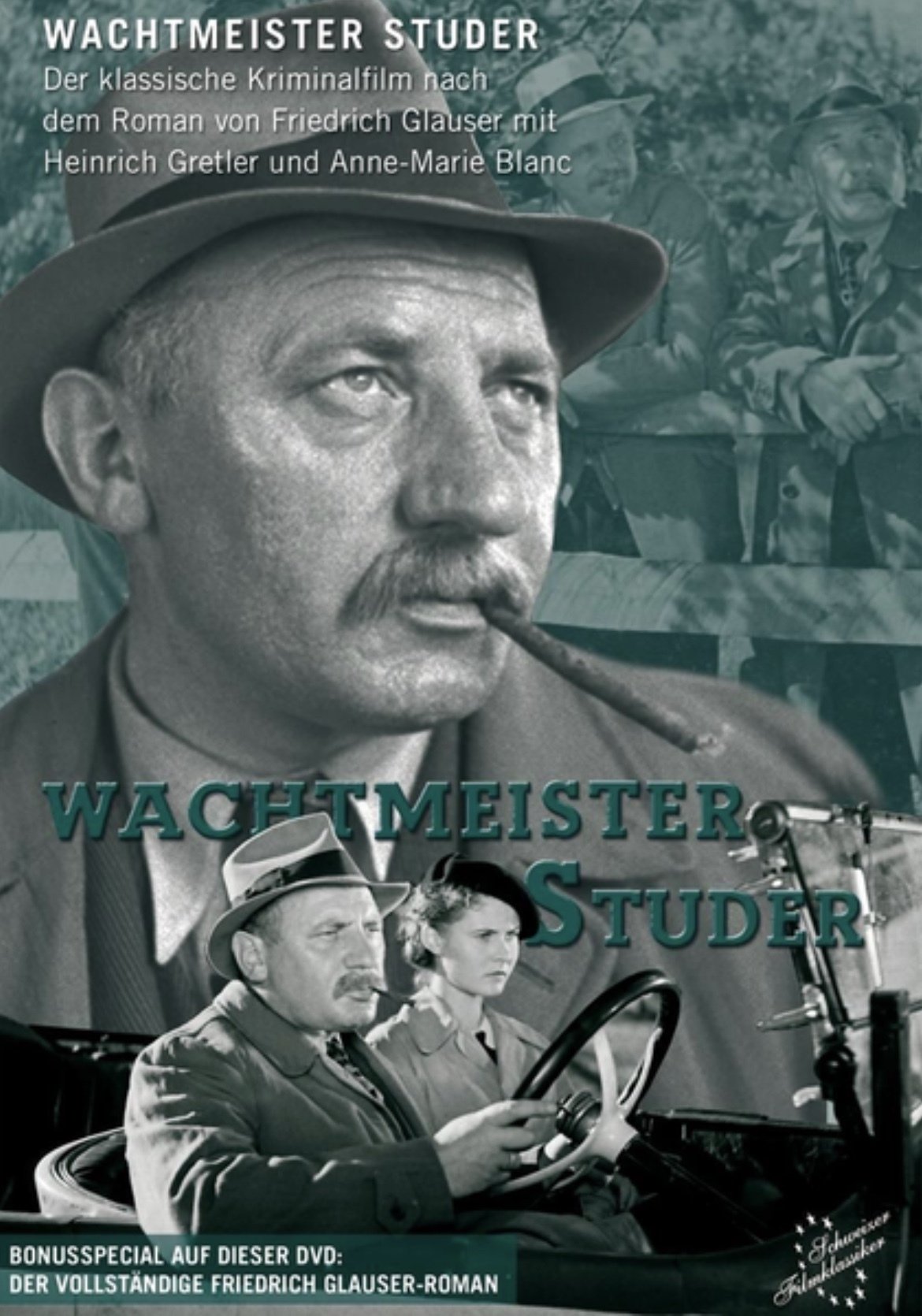
Wachtmeister Studer
导演:
Leopold Lindtberg
演员:
Heinrich Gretler
/
Adolf Manz
…
其它标题:
Wachtmeister Studer
/
L'inspecteur Studer
…
A policeman is not convinced that the prime suspect in a murder case is realty guilty and so decides to reinvestigate the case, despite the lack of co-operation from locals.
No Greater Love (1952) [电影] IMDb 维基数据 TMDB
Herz der Welt
导演:
Harald Braun
演员:
Hilde Krahl
/
Dieter Borsche
…
其它标题:
Herz der Welt
/
Le cœur du monde
…
Directed by Harald Braun and told from the perspective of Bertha von Suttner, the first female to receive the Nobel Peace Prize, The Alfred Nobel Story - No Greater Love chronicles the life of scientist, inventor, and businessman Alfred Nobel. Nobel built a massive fortune throughout his life, and while much if it was amassed by his inventions--dynamite being perhaps the most notable--he was also revered for his discoveries within the fields of science and economics. Upon his death, Nobel decided that his fortune was simply too great to continue in the form of an inheritance or single charitable donation, opting instead to use the money as reward for the greatest contributors to physics, chemistry, medicine, literature, and, of course, peace.