维克多·斯约斯特洛姆 — 演员 (13)
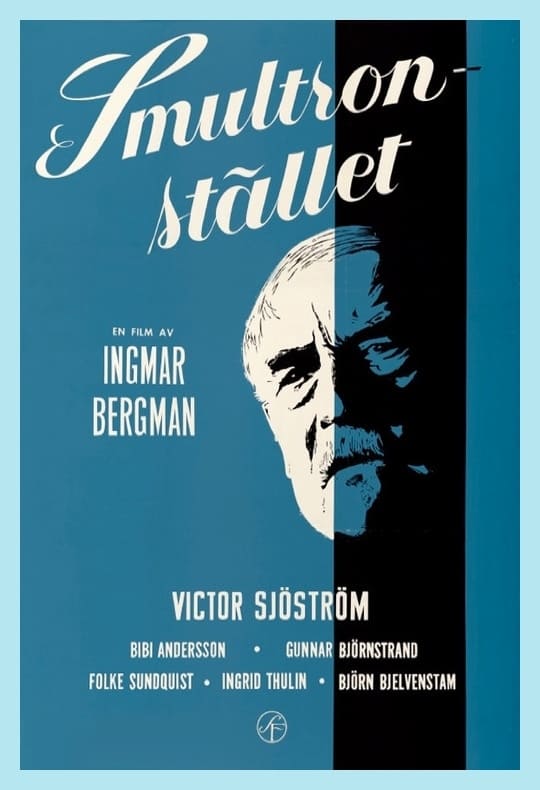
野草莓 (1957) [电影] TMDB 豆瓣 IMDb Eggplant.place 维基数据
Smultronstället
8.9 (550 个评分) 导演: Ingmar Bergman 演员: Victor Sjöström / Bibi Andersson
其它标题: 산딸기 / 野いちご
伊萨克(维克多·斯约斯特洛姆 Victor Sjöström 饰)从医50年,现年已是将近八十岁的高龄,在献身医学界几十年之久后终于获得人们所颁赠的荣誉博士学位,于是开车前往多伦多,准备在儿媳的陪伴下返回母校接受荣誉学位颁发。路上伊萨克顺道重游旧地,追忆往事。当伊萨克从媳妇口中得知儿子竟恨自己自私的时候,他有所振动,坐在路边草坪上开始忘我地回忆自己的少年时代······青春年少时,伊萨克曾经和堂妹萨拉(毕比·安德森 Bibi Andersson饰)有过美好的初恋,却因性格冷酷孤僻,以致他的兄弟乘虚而入。如今伊萨克坐在草坪上,忆起往昔,眼前浮现萨拉白衣飘飘的美丽模样。由幻想清醒过来的伊萨克,望着站立在他面前的与莎拉长得十分相像的少女与两名青年,他们都充满着青春的活力。伊萨克感悟并埋怨自己为了学问,将爱情等闲视之,时光水逝,美丽的青春和爱情一去不返。伊萨克与生俱来的冷漠理智的性格,注定了婚姻的失败。他的妻子无法忍受冰冷的婚姻,寻求外遇。这样的家庭气氛,加上遗传下来的冷漠秉性,使得伊萨克的儿子不愿生小孩,和儿媳关系决裂。他们抵达伦多城后,尽管颁奖的场面隆重无比,但伊萨克的脚步却十分沉重。伊萨克获得了光荣的学位荣誉,然而他仍然沉浸在对过往沉重的自省中,对于生命将尽的老人,这仿佛是一次心灵救赎之旅。当天晚上,他做了一场童年时的梦。那仍然年轻而感情弥笃的父母,那美丽平和的大自然,使得睡梦中的老人脸上浮出一丝笑容。透过回忆、幻觉或梦境,将不断出现而又消失在接近死亡的老人脑海里的孤独 ······
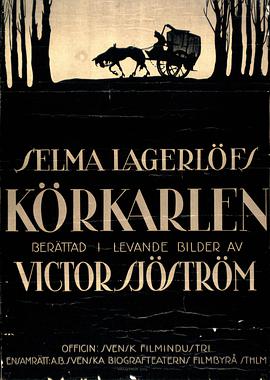
幽灵马车 (1921) [电影] IMDb 豆瓣 TMDB 维基数据
Körkarlen
8.2 (38 个评分) 导演: 维克多·斯约斯特洛姆 演员: 维克多·斯约斯特洛姆 / 希尔达·博里斯特伦
其它标题: Körkarlen / 灵幻马车
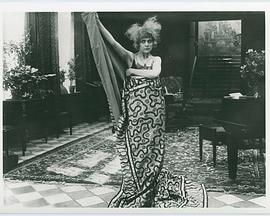
故事发生在新年来临之夜,传说每年的这个夜晚,死神就会来到人间挑选一个罪孽深重的人来驾驶他的马车。这次被选到的是个抛妻弃子又嗜酒如命的流浪汉,在流浪汉由于自己的作风问题而即将被夺走生命时,一个孱弱的修女用基督之爱拯救了他
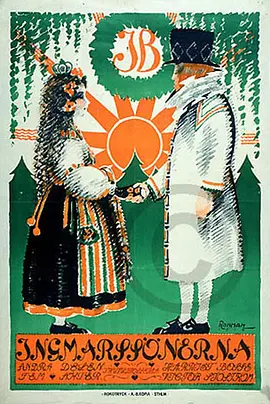
英格玛之子 (1919) [电影] 豆瓣
Ingmarssönerna
导演: Victor Sjöström 演员: Victor Sjöström / Harriet Bosse
其它标题: Ingmarssönerna / Dawn of Love
It is extraordinary that this amazing film is not repeatedly shown. It is possibly the best demonstration of the genius (not an assessment to make casually) of Sjöstrom - with David Griffiths, the first person to demonstrate his brilliance by making films.
The film's aware mix of the naive vision of the ancestors sitting in the lodge in heaven, which Sjöstrom's character reaches by climbing a ladder to the clouds, and the grim, realist material of the unfaithful wife's child, alone would make it outstanding but finding this at a stage where it had virtually nothing in the way of antecedent is staggering.
Modern prints may not do justice to the sophistication of the film making. The performances do survive un-dimmed. Curious that Sjöstrom was able to take his mastery to Hollywood when the Scandinavian industry faltered but not to survive the challenge of sound - something which remains a mystery that could stand investigation.
生死恋 (1918) [电影] 豆瓣 TMDB 维基数据 IMDb
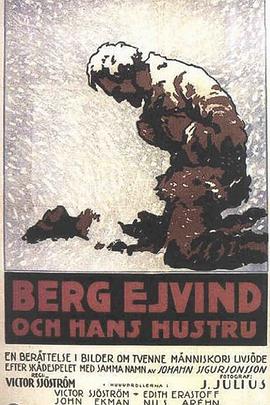
Berg-Ejvind och hans hustru
导演: 维克多·斯约斯特洛姆 演员: 维克多·斯约斯特洛姆 / 伊迪丝·埃拉斯托夫
其它标题: Berg-Ejvind och hans hustru / The Outlaw and His Wife
不明身份的流浪者来到冰岛高原的牧场。一位已经丈夫去世富有的女农场主收留了这个流浪者,让他做雇工。不久,女农场主爱上了这个人,提拔他为总管。肥胖的村长曾经向女农场主求婚,被拒绝了,现在见到这个情况,嫉妒异常。他暗中调查出流浪者的身份,原来这是一个在其他地方被判刑的逃犯。女农场主放弃了一切拥有的财产,和流浪者为了躲避追捕,逃向深山老林,在喷泉和瀑布边上生活。几年以后,他们生下一个男孩。牧羊人发现了他们,村长带人来追捕他们。女农场主和流浪者把孩子扔下悬崖抛入急流险滩中,逃进大山深处。许多年过去,两个情人老去。严冬中,他们在山中的小屋里,回顾过去的往事,感到了一种无名的恐惧,最后在可怕的大风雪中死去。
仇敌当前 (1917) [电影] IMDb 豆瓣 维基数据 TMDB
Terje Vigen
导演: 维克多·斯约斯特洛姆 演员: 维克多·斯约斯特洛姆 / 贝里丽奥特·胡斯贝里
其它标题: Terje Vigen / A Man There Was
挪威著名剧作家易仆生编剧,北欧电影黄金时代的开篇之作。全片實景挪威海岸拍攝,拍攝難度與戲劇張力超越當代。原本平凡的水手,戰時為了養家活口冒險出航,卻被軍人所俘。多年後脫身返家卻人事已非,只有滿腔怨怒相伴。某天,當年俘虜他的仇敵與相隨的妻女海上落難待援,他奮勇而至,卻陷入「復仇還是救援?」的天人交戰。
Terje Vigen, a sailor, suffers the loss of his family through the cruelty of another man. Years later, when his enemy's family finds itself dependent on Terje's beneficence, Terje must decide whether to avenge himself. Based on a poem written by Henrik Ibsen and entirely on location shooting at the Norwegian coast, the film claimed to be the most expensive production and marked the beginning of the Golden Age in the Nordic film history.
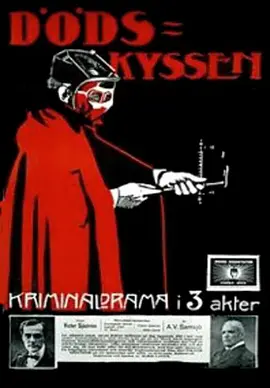
死亡之吻 (1916) [电影] 豆瓣
Dödskyssen
导演: 维克多·斯约斯特洛姆 / Inga Adolfsson 演员: 维克多·斯约斯特洛姆 / Albin Lavén
其它标题: Dödskyssen / Kiss of Death
This crime drama is composed of three acts of approximate 10-minute duration each. The story itself, shown in a long flashback style, leads us into the overall reconstruction of the crime, made by a mysteriously masked character.
The film was released 28 August 1916 in Finland. A fragmentary print was recovered in 2001 by the Cinémathèque Française; in 2002 the fragments were preserved, with Swedish intertitles and supplemented with production photographs, by the Svenska Filminstituet in 2002.
Writing about Victor Sjöström and quoted by Charlotte de Silva for the Embassy of Sweden in London, Jon Wengström of the Swedish Film Institute writes, "The pictorial compositions in Havsgamar/Sea Vultures (1916) and the complex narrative structure in the recently rediscovered Dodskyssen/Kiss of Death (1916) show a director in full command of the medium.
托马斯·格拉尔最好的电影 (1917) [电影] 豆瓣 TMDB IMDb 维基数据
Thomas Graals bästa film
导演: Mauritz Stiller 演员: Victor Sjöström / Karin Molander
其它标题: Thomas Graals bästa film / thomas graal's best film
A masterpiece of comic cinema that shows how the medium can transform and distort, as well as record, reality. Swedish cinema in the period 1917-21 was arguably the most sophisticated in the world, its major figure being the actor-director Victor Sjostrom, whose magnificently downbeat films combined literary adaptation, action, melodrama and astonishing natural backdrops. There are some of us, however, who prefer comedy to action melodramas, Lubitsch to Ford, and for this we turn to Sjostrom's contemporary, Mauritz Stiller, unfairly relegated in history to 'The Man Who Discovered Greta Garbo'.
'Thomas Graal's Best Film' is one of the best comedies of the silent era. It works as an adorable romantic comedy about a concupiscent novelist who falls for his secretary; as a startling social tract, with the dessicated aristocracy giving onto the modern world of cinema, entrepreneurs and the New Woman; as one of the first films about filmmaking - there is an exquisite parody of Griffith's monumental 'Intolerance', as the actor playing a hanged criminal complains about the pain of being hoist from a ceiling.
As early as 1917, before Hollywood was even heard of, we meet the philistine mogul hurling scripts into a wastepaper basket; the hysterical director; the overwrought, melodramatic actors. There is a wonderful scene where Bessie on horseback sees a man attacking a woman on a country road; coming cracking her whip to the rescue, she notices that a film crew are standing beside the roadside; she has mistaken fantasy for reality. This is the film's main theme, and the longest sequence features the title hero writing a screenplay after his mauling Bessie has forced her to flee; he imagines a desperate background of poverty for her from which he rescues her - this is the Best Film of the title.
Stiller's movie shows a thrilling modernity in this sequence as it blurs not only the reality of Graal's writing and the fantasy he imagines, but also intrudes Bessie's own story: she disrupts his narrative just as she disrupts all the forces of (male) power that would try to pin her down. Bessie is one of the great heroines of silent film, permanantly amused by the absurd complacency of the inferiors surrounding her, with a gorgeous, generous grin suggesting both a taste for playfulness, and a voracious sexual appetite. The scene where she flees her father and ritualistically forces him to abandon his paternalistic intentions by destroying the bridge between them is hilarious but provocative.
Graal's screenplay is not merely amusing for the gap between his assumptions and the actual truth. The imagined scene where the aristocratic parents become peasants, the father violent and drunk is subversive in itself (gentry reduced to peasants), but is also an apt metaphor for the patriarchal assumptions of the aristocracy.
Another aspect of the film's modernity is its narration, expressed through intertitles, sarcastic at the expense of the characters, suggesting melodramatic attitudes appropriate to the plot, than showing a very different reality (eg the despairing lover Graal sunbathing merrily on a country lake). There is a ritualistic sexual content (eg the scene in the boat where Graal blows on the window), and a willingness to sidetrack on 'irrelevant' bits (eg the cigarette tricks) that also excite the viewer; while the Surreal/Magritte/Feuillade-like abduction scene, fragmented and seemingly arbitrary, where bowler-hatted servants wait to pounce on Bessie, is spooky.
What makes 'Thomas Graal' a true classic though, and nearer to Sjostrom (who is terrific, his overacting more suited to comedy than drama), is the way the defiant artifice of the drama is shot against natural locations, producing a fruitful, jarring effect - Graal chasing Bessie through a country lane, slipping and losing his hat; a desperate Graal pushing a little old lady and stealing her boat, foreshadowing Seinfeld and a famous loaf of rye. There is a startling scene in a butcher's shop, a gallery of fresh carcass bloating the screen.
乐园影像 (2009) [电影] 豆瓣
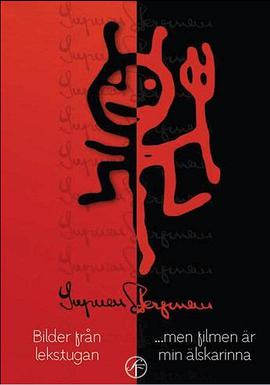
Images from the Playground
导演: 斯蒂格·比约克曼 演员: 英格玛·伯格曼 / 毕比·安德松
其它标题: Images from the Playground
In the early fifties Ingmar Bergman got himself a cine-camera, a 9.5 mm Bell & Howell, which he often used both privately and in his work. "Bilder från lekstugan" ("Images from the Playground") embark on these films, giving a diverse representation of one of the greatest artists in cinema.