Ross Cowan — Author (8)
Roman Legionary 58 BC–AD 69 [Book] Google Books Goodreads Douban
author: Ross Cowan publishing house: Osprey Publishing 2003 - 6 other title: Roman Legionary 58 BC-AD 69
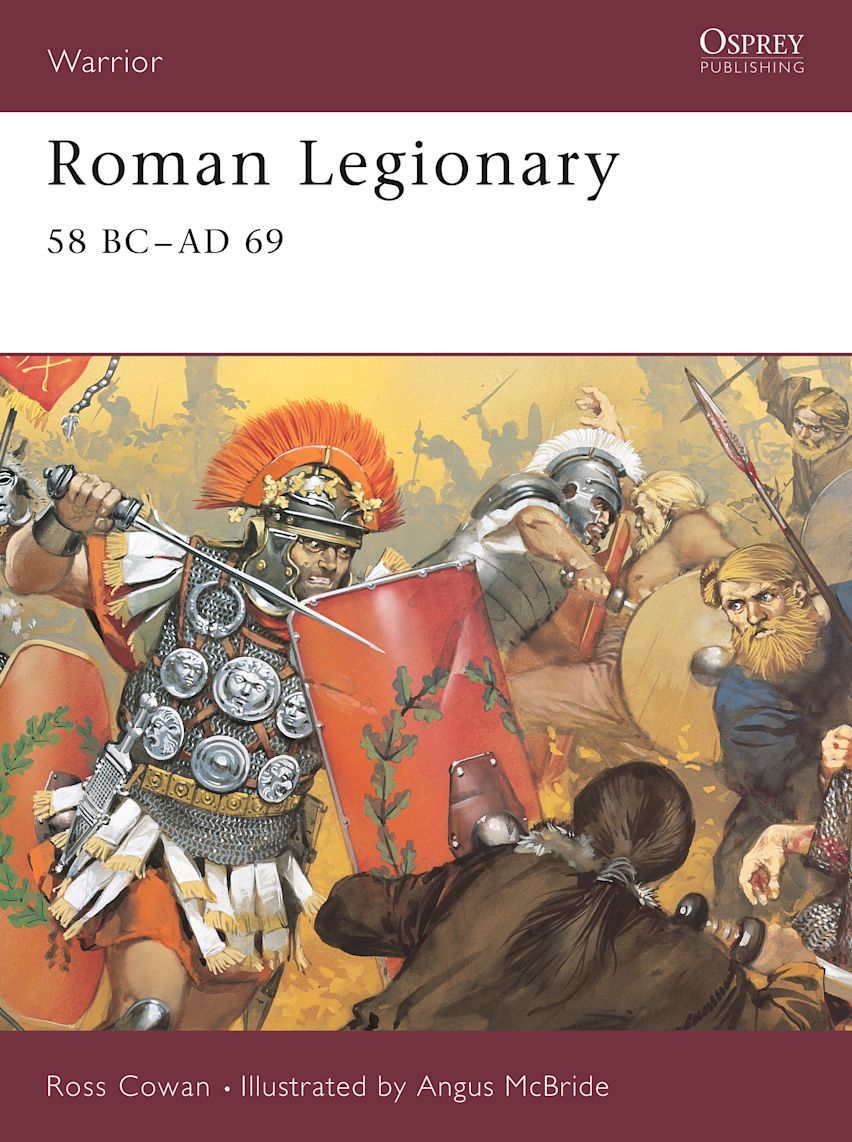
The period 31 BC-AD 43 saw the greatest expansion of the Roman Empire. In 31 BC Octavian defeated Antony at the battle of Actium and remodelled the semi-professional Roman army into a permanent force of 28 legions. Octavian became the first emperor (Augustus) and under his leadership the legions conquered northern Spain, all Europe south of the Danube line and Germany west of the Elbe. The legionaries exemplified the heroic culture of the Roman world and this title takes a behind-the-scenes look at their lives, training, weaponry and tactics, including the bloody massacre of the Teutoberg forest.
Milvian Bridge AD 312 [Book] Google Books Goodreads Douban
author: Ross Cowan / Seán Ó’Brógáin publishing house: Osprey Publishing 2016 - 7 other title: Milvian Bridge AD 312
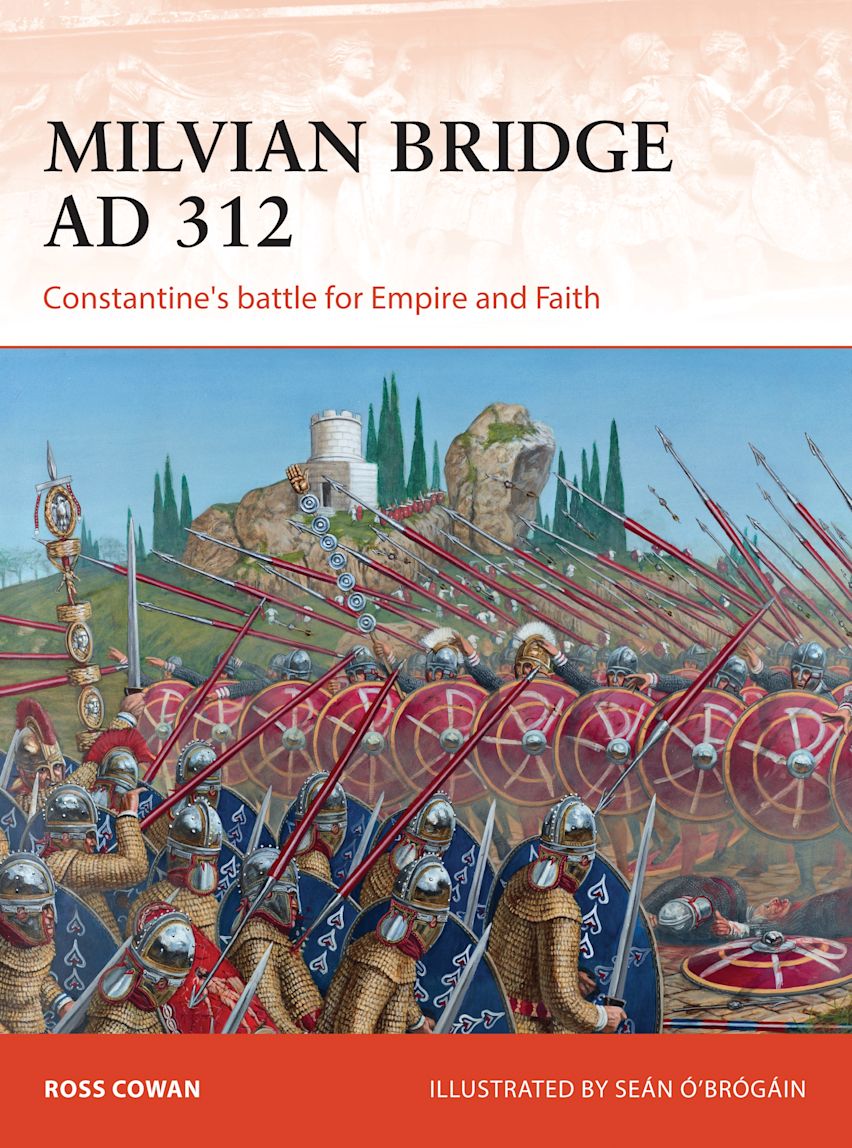
1,700 years ago, the emperor Constantine marched on Rome to free Italy from the tyrant Maxentius and reunify the Roman Empire. The army marched from Gaul in the spring of AD 312 and fought its way across the Empire. The defining moment of the campaign was the battle of the Milvian Bridge.
This highly illustrated book examines how Maxentius's poor choice of battleground ultimately doomed his army to defeat. Forced back toward the river by Constantine, the prospect of death by drowning caused panic to tear through Maxentius's army, who broke and fled for the bridge of boats. Constantine pressed his advantage and broke through the Praetorian rear guard, forcing even more fleeing troops onto the already overcrowded bridges, which foundered and plunged thousands of soldiers, including Maxentius himself, into the waters. Constantine was victorious--and his march into Rome marked the first step in the conversion of the Roman Empire into a Christian state.
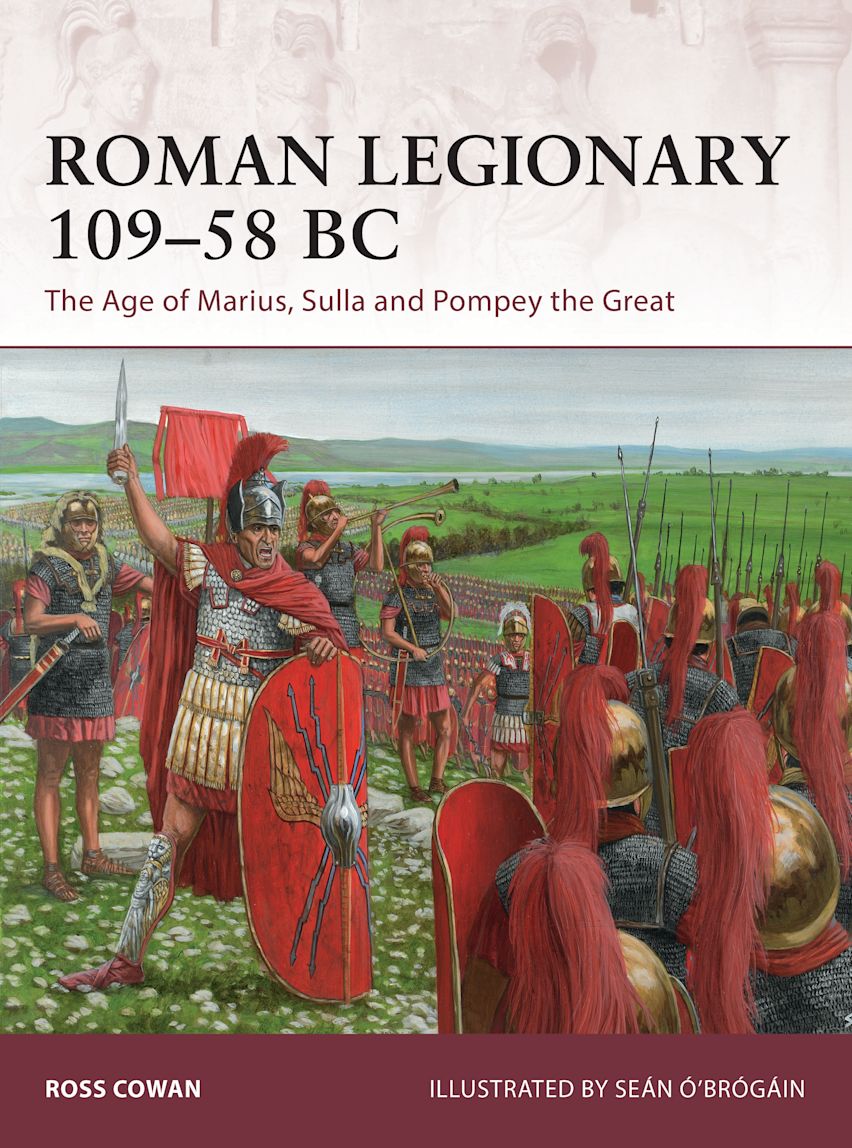
Roman Legionary 109–58 BC [Book] Douban Google Books Goodreads
author: Ross Cowan / Seán Ó’Brógáin publishing house: Osprey Publishing 2017 - 3
The Roman centurion, holding the legionaries steady before the barbarian horde and then leading them forward to victory, was the heroic exemplar of the Roman world. This was thanks to the Marian reforms, which saw the centurion, although inferior in military rank and social class, superseding the tribune as the legion's most important officer. This period of reform in the Roman Army is often overlooked, but the invincible armies that Julius Caesar led into Gaul were the refined products of 50 years of military reforms.
Using specially commissioned artwork and detailed battle reports, this new study examines the Roman legionary soldier at this crucial time in the history of the Roman Republic from its domination by Marius and Sulla to the beginning of the rise of Julius Caesar.
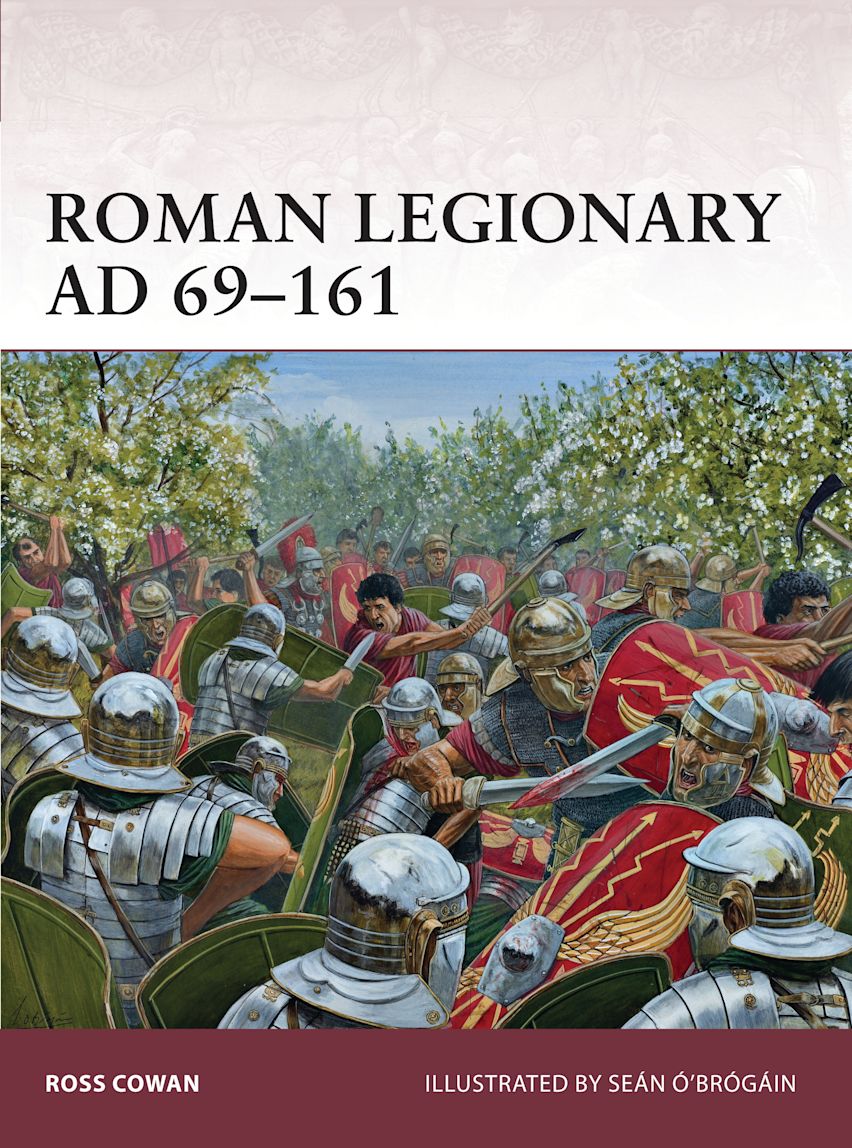
Roman Legionary AD 69–161 [Book] Google Books Douban Goodreads
author: Ross Cowan / Seán Ó’Brógáin publishing house: Osprey Publishing 2013 - 4
Between AD 69 and 161 the composition of the Roman legions was transformed. Italians were almost entirely replaced by provincial recruits, men for whom Latin was at best a second language, and yet the 'Roman-ness' of these Germans, Pannonians, Spaniards, Africans and Syrians, fostered in isolated fortresses on the frontiers, was incredibly strong. They were highly competitive, jealous of their honour, and driven by the need to maintain and enhance their reputations for virtus, that is manly courage and excellence. The warfare of the period, from the huge legion versus legion confrontations in the Civil War of AD 69, through the campaigns of conquest in Germany, Dacia and Britain, to the defence of the frontiers of Africa and Cappadocia and the savage quelling of internal revolts, gave ample opportunity for virtus-enhancing activity. The classic battle formation that had baffled Pyrrhus and conquered Hannibal was revived. Heroic centurions continued to lead from the front, and common legionaries vied with them in displays of valour. The legions of the era may have been provincial but they were definitely Roman in organisation and ethos.
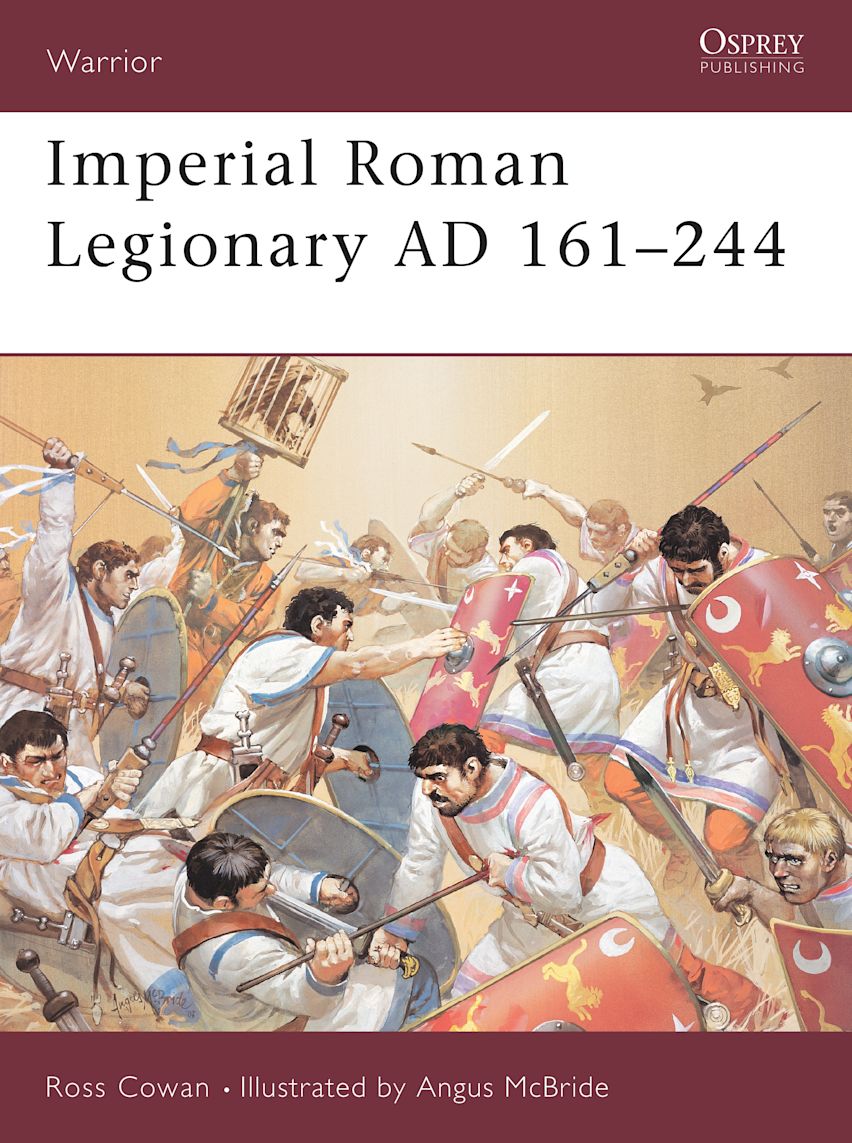
Imperial Roman Legionary AD 161–284 [Book] Douban Google Books Goodreads
author: Ross Cowan / Angus McBride publishing house: Osprey Publishing 2003 - 12
Between AD 161 and 244 the Roman legions were involved in wars and battles on a scale not seen since the late Republic. Legions were destroyed in battle, disbanded for mutiny and rebellion and formed to wage wars of conquest and defence. This volume explores the experience of the imperial legionary, concentrating on Legio II Parthica. Raised by the emperor Septimus Severus in AD 193/4, it was based at Albanum near Rome and as the emperor's personal legion, became one of the most important units in the empire.
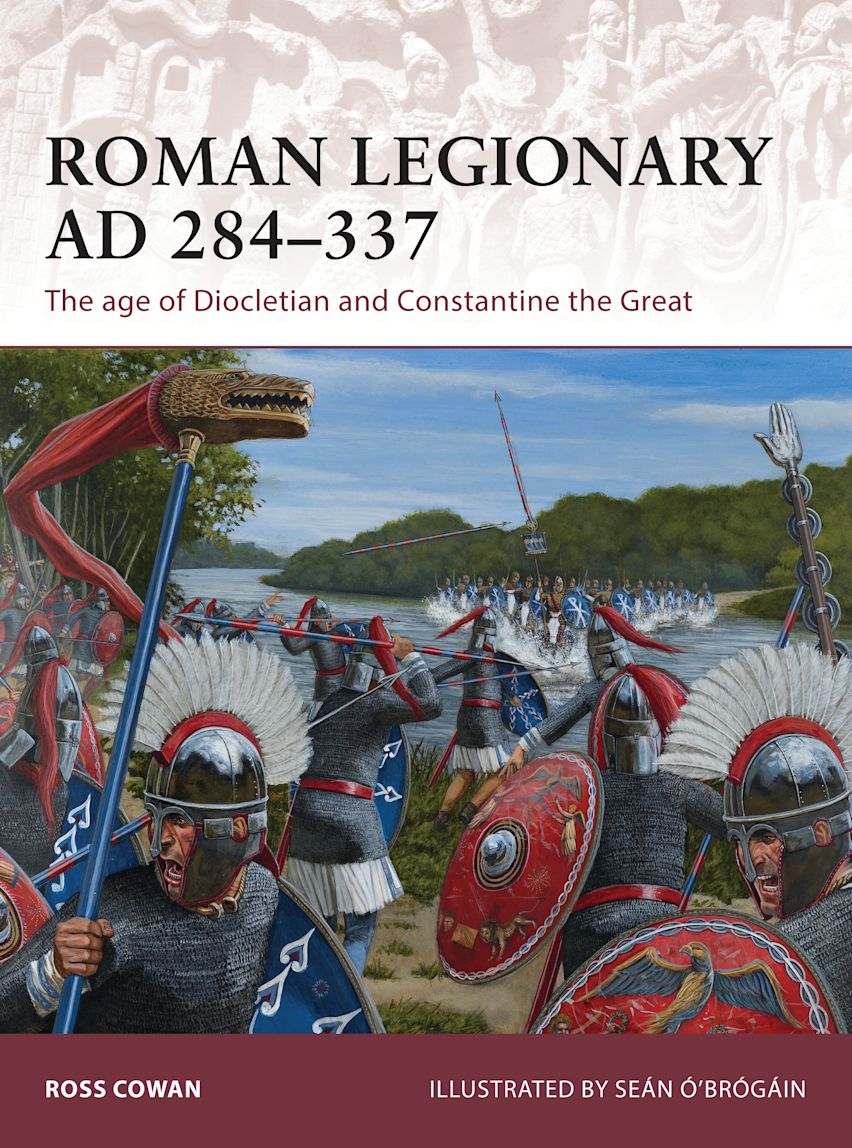
Roman Legionary AD 284-337 [Book] Douban Goodreads Google Books
author: Ross Cowan / Seán Ó’Brógáin publishing house: Osprey Publishing 2014 - 4
Diocletian and Constantine were the greatest of the Late Roman emperors, and their era marks the climax of the legionary system. Under Constantine's successors the legions were reduced in size and increasingly sidelined in favour of new units of elite auxilia, but between AD 284 and 337 the legions reigned supreme. The legionaries defeated all-comers and spearheaded a stunning Roman revival that humbled the Persian Empire and reduced the mighty Goths and Sarmatians to the status of vassals. This title details the equipment, background, training and combat experience of the men from all parts of the empire who made up the backbone of Rome's legions in this pivotal period.
Roman Guardsman 62 BC-AD 324 [Book] Google Books Douban Goodreads
author: Ross Cowan / Seán Ó’Brógáin publishing house: Osprey Publishing 2014 - 1 other title: Roman Guardsman 62 BC–AD 324
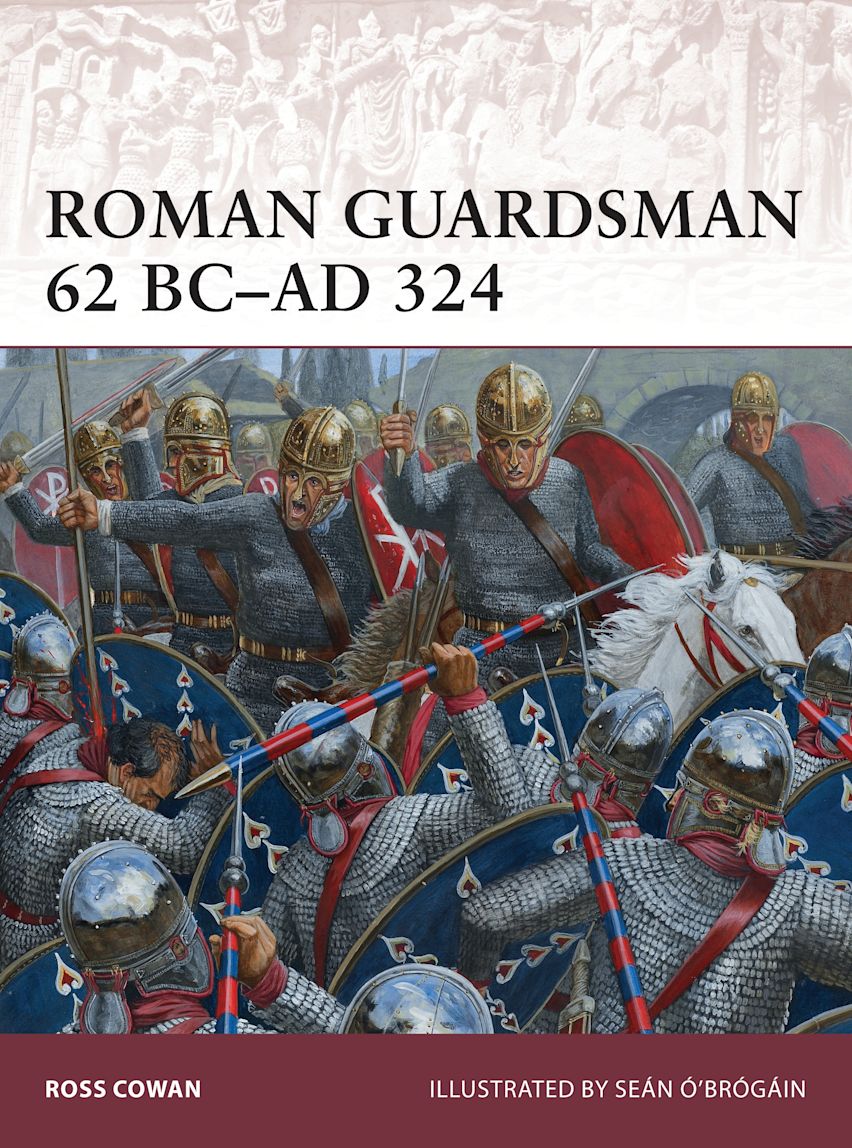
From the civil wars of the Late Republic to Constantine's bloody reunification of the Empire, elite corps of guardsmen were at the heart of every Roman army. Whether as bodyguards or as shock troops in battle, the fighting skills of praetorians, speculatores, singulares and protectores determined the course of Roman history. Modern scholars tend to present the praetorians as pampered, disloyal and battle-shy, but the Romans knew them as valiant warriors, men who strove to live up to their honorific title pia vindex – loyal and avenging. Closely associated with the Republican praetorian cohorts, and gradually assimilated into the Imperial Praetorian Guard, were the speculatores. A cohort was established by Marc Antony in the 30s BC for the purposes of reconnaissance and intelligence gathering, but soon the speculatores were acting as close bodyguards - a role they maintained until the end of the first century AD. This title will detail the changing nature of these units, their organization and operational successes and failures from their origins in the late Republic through to their unsuccessful struggle against Constantine the Great.
Roman Battle Tactics 109BC - AD313 [Book] Douban
author: Ross Cowan / Adam Hook publishing house: Osprey Publishing 2007 - 7
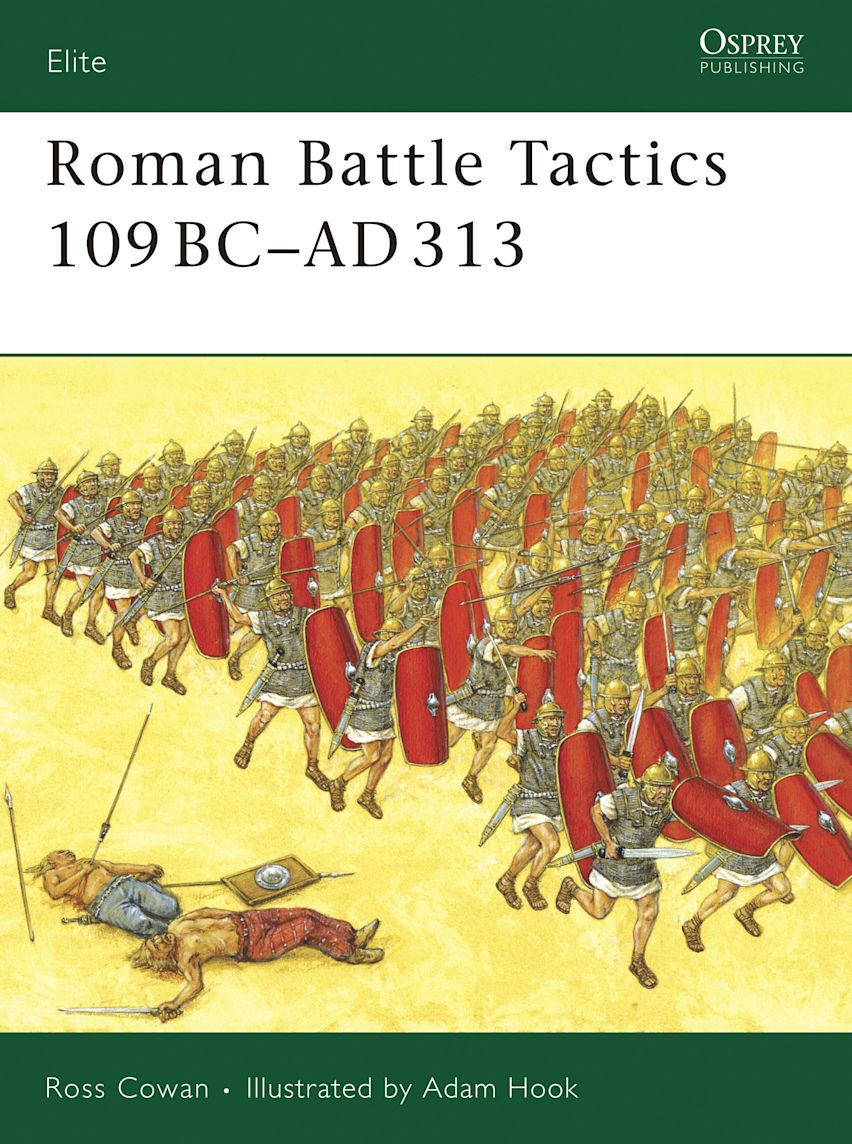
How, exactly, did Rome become master of the ancient world? This book examines and illustrates the tactics employed by the legions of late Republican and early Imperial Rome, from the evidence o f ancient writers. The greatest military machine in the Western world for at least four centuries, the Roman Army was the foundation of the Western military tradition, and its doctrines were central to the later revival of trained, drilled professional armies. Here the evidence is discussed in clear detail, and brought to life with battle plans and full colour interpretations of tactical scenarios.