Jonathan Kent — 导演 (34)
美狄亚 1993年版 [演出] 豆瓣
所属 演出: 美狄亚
剧院: Wyndham's Theatre 导演: Jonathan Kent
其它标题: 1993年版 编剧: Euripides 演员: Diana Rigg
The play tells the story of the revenge of a woman betrayed by her husband. All of the action of the play is at Corinth, where Jason has brought Medea after the adventures of the Golden Fleece. He has now left her in order to marry Glauce, the daughter of King Creon. (Glauce is also known in Latin works as Creusa — see Seneca the Younger's Medea and Propertius 2.16.30. This King Creon is not to be confused with King Creon of Thebes.) The play opens with Medea grieving over her loss and with her elderly nurse fearing what she might do to herself or her children.
Creon, also fearing what Medea might do, arrives determined to send Medea into exile. Medea pleads for one day's delay, and Creon begrudgingly acquiesces. In the next scene Jason arrives to confront her and explain himself. He believes he could not pass up the opportunity to marry a royal princess, as Medea is only a barbarian woman, but hopes to someday join the two families and keep Medea as his mistress. Medea, and the chorus of Corinthian women, do not believe him. She reminds him that she left her own people for him ("I am the mother of your children. Whither can I fly, since all Greece hates the barbarian?"), and that she saved him and slew the dragon. Jason promises to support her after his new marriage, but Medea spurns him: "Marry the maid if thou wilt; perchance full soon thou mayst rue thy nuptials."
Next Medea is visited by Aegeus, King of Athens; he is aggrieved by his lack of children, and does not understand the oracle that was supposed to give him guidance. Medea begs him to protect her, in return for her helping his wife conceive a child. Aegeus does not know what Medea is going to do in Corinth, but promises to give her refuge in any case, provided she can escape to Athens.
Medea then returns to her plotting how she may kill Creon and Glauce. She decides to poison some golden robes (a family heirloom and gift from the sun god), in hopes that the bride will not be able to resist wearing them, and consequently be poisoned. Medea resolves to kill her own children as well, not because the children have done anything wrong, but because she feels it is the best way to hurt Jason. She calls for Jason once more, falsely apologizes to him, and sends the poisoned robes with her children as the gift-bearers.
Forgive what I said in anger! I will yield to the decree, and only beg one favor, that my children may stay. They shall take to the princess a costly robe and a golden crown, and pray for her protection.
The request is granted and the gifts are accepted. Offstage, while Medea ponders her actions, Glauce is killed by the poisoned dress, and Creon is also killed by the poison while attempting to save her. These events are related by a messenger.

Alas! The bride had died in horrible agony; for no sooner had she put on Medea's gifts than a devouring poison consumed her limbs as with fire, and in his endeavor to save his daughter the old father died too.
Medea is pleased with her revenge thus far, but resolves to carry it further: to utterly destroy Jason's plans for a new family, she will kill her own sons. She rushes offstage with a knife to kill her children. As the chorus laments her decision, the children are heard screaming. Jason rushes to the scene to punish her for the murder of Glauce and learns that his children too have been killed. Medea then appears above the stage in the chariot of the sun god Helios; this was probably accomplished using the mechane device usually reserved for the appearance of a god or goddess. She confronts Jason, reveling in his pain at being unable to ever hold his children again:
"I do not leave my children's bodies with thee; I take them with me that I may bury them in Hera's precinct. And for thee, who didst me all that evil, I prophesy an evil doom."
She escapes to Athens with the bodies. The chorus is left contemplating the will of Zeus in Medea's actions:
Manifold are thy shapings, Providence!
Many a hopeless matter gods arrange.
What we expected never came to pass,
What we did not expect the gods brought to bear;
So have things gone, this whole experience through!
伊凡诺夫 [演出] 豆瓣
类型: Theater 编剧: 契诃夫 / Anton Chekhov
导演: 林兆华 / 濮存昕 演员: 濮存昕 / 高亚麟 / Emma Amos / Jonathan Coy / Mark Donald
19 世纪 80 年代,在俄国中部的一个县城,庄园主伊凡诺夫正过着潦倒的生活,他已经无力支付庄园里工人们的工资 , 还欠了列别杰夫家一大笔债 , 家里全靠油腔滑调的管家包尔金来支撑 , 但是伊凡诺夫极其厌恶包尔金投机取巧的为人和做事方式 。 更糟糕的是 , 伊凡诺夫的妻子安娜已经病入膏肓 , 伊凡诺夫没有钱把妻子送到外地去进行更好的治疗 。 消极沮丧的伊凡诺夫对生活充满了质疑和苦闷 , 他从对社会和生活的冲动走向厌倦 , 又由厌倦走向颓唐和沉沦 。 理想的幻灭 、 生活信念和信仰的丧失 , 面对日渐荒芜的庄园和病榻上需要他安慰的妻子 , 伊凡诺夫所能做的却只有外出逃避 , 只留下潦倒年长的舅舅莎贝尔斯基陪伴妻子 。乡村医生列沃夫对伊凡诺夫的做法感到十分厌恶,认为他是一个道德败坏的人。伊凡诺夫不得不到列别杰夫家去请求到期的债务宽限几日 , 恰逢列别杰夫家的女儿莎霞过生日 , 家中宾客满座 , 列别杰夫的妻子齐娜是出了名的吝啬鬼 , 客人们都怨声载道 。 莎霞对伊凡诺夫爱慕已久,终于找到机会向伊凡诺夫表白,而此景此景被随后赶到的安娜看到 。安娜当场晕倒 , 伊凡诺夫再也不敢到列别杰夫家去 , 列别杰夫奉妻子之命上门讨债 , 而莎霞也偷偷跑来向伊凡诺夫诉说相思之苦。
安娜过世之后,伊凡诺夫向莎霞求婚,大家都认为伊凡诺夫想借此躲避欠下的债务 。 列沃夫愤慨之极 , 决定要在他们的婚礼上揭开伊凡诺夫伪君子的真面目 。 而在婚礼之前 , 莎霞对自己选择的爱人开始感到困惑和烦恼 , 忍不住向父亲倾诉一番 。 而伊凡诺夫则在婚礼之前向莎霞和列别杰夫提出解除婚约的要求 , 因为他无法忍受内心强烈的自责与折磨 , 莎霞却执意要举行婚礼。在婚礼上,列沃夫大声斥责伊凡诺夫是 “ 无耻之徒 ” ,众目睽睽之下,伊凡诺夫举枪结束了自己的生命。
《伊凡诺夫》(1888)是契诃夫的第一部戏剧力作,讲述俄罗斯知识分子的代表——伊凡诺夫的自省和纠结的矛盾人生。主人公伊凡诺夫遭遇破产,他深爱着妻子安娜,同时一个年轻可爱的姑娘萨莎同样深爱着他,他有过金钱,有过土地,有过收入,他拥有过一切,却失去了生活的目标和意义,最终选择了离开人世......
契诃夫与《伊凡诺夫》 契诃夫与《伊凡诺夫》 契诃夫与《伊凡诺夫》 契诃夫与《伊凡诺夫》契诃夫是俄国小说家 、 戏剧家 、 十九世纪末期俄国批判现实主义作家 、 短篇小说艺术大师 。 他和法国的莫泊桑 , 美国的欧 · 亨利一起被为三大短篇小说巨匠 。 高尔基曾经说过 : “ 这是一个独特的巨大天才,是那些在文学史上和在社会情绪中构成时代的作家中的一个 。 ” 列夫 · 托尔斯泰也给契诃夫极高的评价 , 称他是 “ 无与伦比的艺术家 ” 。 契诃夫也是鲁迅 、 巴金 、
茅盾等中国文学大家所推崇的文学家 。 契诃夫的小说与戏剧创作在中国具有长久的艺术生命力。曾有统计表明,直至 1987 年,契诃夫作品在中国的出版数量仅次于托尔斯泰。至今 ,契诃夫名篇《变色龙 》 、 《套中人》等仍然入选中学语文课本,成为中学生必读课文。《伊凡诺夫 》 写于 1887 至 1889 年间 , 是契诃夫正式发表的第一个剧本 。 在莫斯科艺术剧院上演的契诃夫戏剧中 , 《伊凡诺夫》是最后一部被搬上舞台的作品,而且是在契诃夫去世以后,在丹钦柯的主持下演出的,以纪念这位伟大的剧作家的早逝。
伊凡诺夫 2016 Chichester Festival Theatre版 [演出] 豆瓣
所属 演出: 伊凡诺夫
语言: 英语 english 导演: Jonathan Kent
其它标题: 2016 Chichester Festival Theatre版 编剧: Anton Chekhov / David Hare 演员: Emma Amos / Jonathan Coy
19 世纪 80 年代,在俄国中部的一个县城,庄园主伊凡诺夫正过着潦倒的生活,他已经无力支付庄园里工人们的工资 , 还欠了列别杰夫家一大笔债 , 家里全靠油腔滑调的管家包尔金来支撑 , 但是伊凡诺夫极其厌恶包尔金投机取巧的为人和做事方式 。 更糟糕的是 , 伊凡诺夫的妻子安娜已经病入膏肓 , 伊凡诺夫没有钱把妻子送到外地去进行更好的治疗 。 消极沮丧的伊凡诺夫对生活充满了质疑和苦闷 , 他从对社会和生活的冲动走向厌倦 , 又由厌倦走向颓唐和沉沦 。 理想的幻灭 、 生活信念和信仰的丧失 , 面对日渐荒芜的庄园和病榻上需要他安慰的妻子 , 伊凡诺夫所能做的却只有外出逃避 , 只留下潦倒年长的舅舅莎贝尔斯基陪伴妻子 。乡村医生列沃夫对伊凡诺夫的做法感到十分厌恶,认为他是一个道德败坏的人。伊凡诺夫不得不到列别杰夫家去请求到期的债务宽限几日 , 恰逢列别杰夫家的女儿莎霞过生日 , 家中宾客满座 , 列别杰夫的妻子齐娜是出了名的吝啬鬼 , 客人们都怨声载道 。 莎霞对伊凡诺夫爱慕已久,终于找到机会向伊凡诺夫表白,而此景此景被随后赶到的安娜看到 。安娜当场晕倒 , 伊凡诺夫再也不敢到列别杰夫家去 , 列别杰夫奉妻子之命上门讨债 , 而莎霞也偷偷跑来向伊凡诺夫诉说相思之苦。
安娜过世之后,伊凡诺夫向莎霞求婚,大家都认为伊凡诺夫想借此躲避欠下的债务 。 列沃夫愤慨之极 , 决定要在他们的婚礼上揭开伊凡诺夫伪君子的真面目 。 而在婚礼之前 , 莎霞对自己选择的爱人开始感到困惑和烦恼 , 忍不住向父亲倾诉一番 。 而伊凡诺夫则在婚礼之前向莎霞和列别杰夫提出解除婚约的要求 , 因为他无法忍受内心强烈的自责与折磨 , 莎霞却执意要举行婚礼。在婚礼上,列沃夫大声斥责伊凡诺夫是 “ 无耻之徒 ” ,众目睽睽之下,伊凡诺夫举枪结束了自己的生命。
《伊凡诺夫》(1888)是契诃夫的第一部戏剧力作,讲述俄罗斯知识分子的代表——伊凡诺夫的自省和纠结的矛盾人生。主人公伊凡诺夫遭遇破产,他深爱着妻子安娜,同时一个年轻可爱的姑娘萨莎同样深爱着他,他有过金钱,有过土地,有过收入,他拥有过一切,却失去了生活的目标和意义,最终选择了离开人世......
契诃夫与《伊凡诺夫》 契诃夫与《伊凡诺夫》 契诃夫与《伊凡诺夫》 契诃夫与《伊凡诺夫》契诃夫是俄国小说家 、 戏剧家 、 十九世纪末期俄国批判现实主义作家 、 短篇小说艺术大师 。 他和法国的莫泊桑 , 美国的欧 · 亨利一起被为三大短篇小说巨匠 。 高尔基曾经说过 : “ 这是一个独特的巨大天才,是那些在文学史上和在社会情绪中构成时代的作家中的一个 。 ” 列夫 · 托尔斯泰也给契诃夫极高的评价 , 称他是 “ 无与伦比的艺术家 ” 。 契诃夫也是鲁迅 、 巴金 、
茅盾等中国文学大家所推崇的文学家 。 契诃夫的小说与戏剧创作在中国具有长久的艺术生命力。曾有统计表明,直至 1987 年,契诃夫作品在中国的出版数量仅次于托尔斯泰。至今 ,契诃夫名篇《变色龙 》 、 《套中人》等仍然入选中学语文课本,成为中学生必读课文。《伊凡诺夫 》 写于 1887 至 1889 年间 , 是契诃夫正式发表的第一个剧本 。 在莫斯科艺术剧院上演的契诃夫戏剧中 , 《伊凡诺夫》是最后一部被搬上舞台的作品,而且是在契诃夫去世以后,在丹钦柯的主持下演出的,以纪念这位伟大的剧作家的早逝。
哈姆雷特 [演出] 豆瓣
Hamlet
6.8 (5 个评分) 类型: Theater 编剧: 莎士比亚 William Shakespeare / Alex Baranowski
其它标题: Hamlet / Hamletas 导演: 林兆华 / 任鸣 演员: 濮存昕 / 倪大红 / 梁冠华 / 徐帆 / 陈小艺
哈姆雷特快要疯了。父亲由于奇怪的病症暴毙,母亲改了嫁。在那么多人之中,她偏偏嫁给了亡夫的弟弟,还在父亲过世短短一个月之后。哈姆雷特总是能在夜间看见父亲的鬼魂,他呼喊着自己被弟弟毒害,并恳求哈姆雷特替他报仇,去杀死他的继父。哈姆雷特为了复仇大计装疯卖傻,却在实施的过程中迷失了现实。世界,对他来说成了污浊的泥淖。对性的渴望和唤醒成了恐怖的深渊。周围的朋友变成了继父的耳目,为了时刻监视他。甚至奥菲利亚,他的爱人,也变成了密谋中的一颗棋子。
哈姆雷特的偏执并非全无依据,一个告密者在幕帘后对他密切监视、窃听,终于,复仇者成了凶恶的捕食者。愚蠢的行为变成了彻底的疯狂,哈姆雷特错杀了波洛涅斯——奥菲利亚的父亲。哈姆雷特的母亲和继父为他掩盖了谋杀的罪行,并有意安排他远离公众的实现。哈姆雷特的大计似乎要化为泡影。他迷失了自我,失去了人生的方向。面对这一切,奥菲利亚再也无法承受,她自杀了。当哈姆雷特的继父决定让哈姆雷特永远不再发声的时候,哈姆雷特也抓住了这手边的机会,给了继父最后的沉痛一击,迫使他臣服。
莎士比亚再现了丹麦皇室堕落的政治网络,让哈姆雷特的人生变成了彻底迷幻的悲剧。谋杀、背叛、篡权和对性的渴望成了这场战争中捍卫皇权的武器。哈姆雷特因为无法采取行动,对抗这场在皇廷中充满冷嘲热讽的游戏规则,他变得沉郁、闭塞、甚至自我伤害。他生性犹疑,在好坏两方面难以抉择,这也成为他复仇之路上难以逾越的障碍。除他之外,再无他人对皇室存疑,他的人生注定是场悲剧。
哈姆雷特 1995年版 [演出] 豆瓣
所属 演出: 哈姆雷特
剧院: Belasco Theatre 导演: Jonathan Kent
其它标题: 1995年版 编剧: 莎士比亚 William Shakespeare 演员: Francesca Annis / Ralph Fiennes
哈姆雷特快要疯了。父亲由于奇怪的病症暴毙,母亲改了嫁。在那么多人之中,她偏偏嫁给了亡夫的弟弟,还在父亲过世短短一个月之后。哈姆雷特总是能在夜间看见父亲的鬼魂,他呼喊着自己被弟弟毒害,并恳求哈姆雷特替他报仇,去杀死他的继父。哈姆雷特为了复仇大计装疯卖傻,却在实施的过程中迷失了现实。世界,对他来说成了污浊的泥淖。对性的渴望和唤醒成了恐怖的深渊。周围的朋友变成了继父的耳目,为了时刻监视他。甚至奥菲利亚,他的爱人,也变成了密谋中的一颗棋子。
哈姆雷特的偏执并非全无依据,一个告密者在幕帘后对他密切监视、窃听,终于,复仇者成了凶恶的捕食者。愚蠢的行为变成了彻底的疯狂,哈姆雷特错杀了波洛涅斯——奥菲利亚的父亲。哈姆雷特的母亲和继父为他掩盖了谋杀的罪行,并有意安排他远离公众的实现。哈姆雷特的大计似乎要化为泡影。他迷失了自我,失去了人生的方向。面对这一切,奥菲利亚再也无法承受,她自杀了。当哈姆雷特的继父决定让哈姆雷特永远不再发声的时候,哈姆雷特也抓住了这手边的机会,给了继父最后的沉痛一击,迫使他臣服。
莎士比亚再现了丹麦皇室堕落的政治网络,让哈姆雷特的人生变成了彻底迷幻的悲剧。谋杀、背叛、篡权和对性的渴望成了这场战争中捍卫皇权的武器。哈姆雷特因为无法采取行动,对抗这场在皇廷中充满冷嘲热讽的游戏规则,他变得沉郁、闭塞、甚至自我伤害。他生性犹疑,在好坏两方面难以抉择,这也成为他复仇之路上难以逾越的障碍。除他之外,再无他人对皇室存疑,他的人生注定是场悲剧。
唐璜 [演出] 豆瓣
Don Giovanni
类型: Opera 编剧: Lorenzo Da Ponte
其它标题: Don Giovanni / Il dissoluto punito 导演: 未知 / Johannes Schaaf 演员: Luigi Bassi / Felice Ponziani / Teresa Saporiti / Katherina Micelli / Caterina Bondini
Don Giovanni, a young, arrogant, and sexually promiscuous nobleman, abuses and outrages everyone else in the cast until he encounters something he cannot kill, beat up, dodge, or outwit.
Act 1
The overture begins with a thundering D minor cadence, followed by a short misterioso sequence which leads into a light-hearted D major allegro.
Scene 1 – The garden of the Commendatore
Leporello, Don Giovanni's servant, grumbles about his demanding master and daydreams about being free of him ("Notte e giorno faticar" – "Night and day I slave away"). He is keeping watch while Don Giovanni is in the Commendatore's house attempting to seduce or rape the Commendatore's daughter, Donna Anna. Don Giovanni enters the garden from inside the house, pursued by Donna Anna. Don Giovanni is masked and Donna Anna tries to hold him and to unmask him, shouting for help. (Trio: "Non sperar, se non m'uccidi, Ch'io ti lasci fuggir mai!" – "Do not hope, unless you kill me, that I shall ever let you run away!"). He breaks free and she runs off as the Commendatore enters the garden. The Commendatore blocks Don Giovanni's path and forces him to fight a duel. Don Giovanni kills the Commendatore with his sword and escapes with Leporello. Donna Anna, returning with her fiancé, Don Ottavio, is horrified to see her father lying dead in a pool of his own blood. She makes Don Ottavio swear vengeance against the unknown murderer. (Duet: "Ah, vendicar, se il puoi, giura quel sangue ognor!" – "Ah, swear to avenge that blood if you can!")
Scene 2 – A public square outside Don Giovanni's palace
Leporello tells Don Giovanni that he (Giovanni) is leading a rotten life; Don Giovanni reacts angrily. They hear a woman (Donna Elvira) singing of having been abandoned by her lover, on whom she is seeking revenge ("Ah, chi mi dice mai" – "Ah, who could ever tell me"). Don Giovanni starts to flirt with her, but it turns out he is the former lover she is seeking. The two recognize each other and she reproaches him bitterly. He shoves Leporello forward, ordering him to tell Donna Elvira the truth about him, and then hurries away.
Leporello tells Donna Elvira that Don Giovanni is not worth her feelings for him. He is unfaithful to everyone; his conquests include 640 women and girls in Italy, 231 in Germany, 100 in France, 91 in Turkey, but in Spain, 1,003 ("Madamina, il catalogo è questo" – "My dear lady, this is the catalogue"). In a frequently cut recitative, Donna Elvira vows vengeance.
Scene 3 – The open country
A marriage procession with Masetto and Zerlina enters. Don Giovanni and Leporello arrive soon after. Don Giovanni is immediately attracted to Zerlina, and he attempts to remove the jealous Masetto by offering to host a wedding celebration at his castle. On realizing that Don Giovanni means to remain behind with Zerlina, Masetto becomes angry ("Ho capito! Signor, sì" – "I understand! Yes, my lord!") but is forced to leave. Don Giovanni and Zerlina are soon alone and he immediately begins his seductive arts (Duet: "Là ci darem la mano" – "There we will entwine our hands").
Donna Elvira arrives and thwarts the seduction ("Ah, fuggi il traditor" – "Flee from the traitor!"). She leaves with Zerlina. Don Ottavio and Donna Anna enter, plotting vengeance on the still unknown murderer of Donna Anna's father. Donna Anna, unaware that she is speaking to her attacker, pleads for Don Giovanni's help. Don Giovanni, relieved that he is unrecognised, readily promises it, and asks who has disturbed her peace. Before she can answer, Donna Elvira returns and tells Donna Anna and Don Ottavio that Don Giovanni is a false-hearted seducer. Don Giovanni tries to convince Don Ottavio and Donna Anna that Donna Elvira is insane (Quartet: "Non ti fidar, o misera" – "Don't trust him, oh sad one"). As Don Giovanni leaves, Donna Anna suddenly recognizes him as her father's murderer and tells Don Ottavio the story of his intrusion, claiming that she was deceived at first because she was expecting a night visit from Don Ottavio himself, but managed to fight Don Giovanni off after discovering the imposture (long recitative exchange between Donna Anna and Don Ottavio). She repeats her demand that he avenge her and points out that he will be avenging himself as well (aria: "Or sai chi l'onore Rapire a me volse" – "Now you know who wanted to rob me of my honour"). In the Vienna version, Don Ottavio, not yet convinced (Donna Anna having only recognised Don Giovanni's voice, not seen his face), resolves to keep an eye on his friend ("Dalla sua pace la mia dipende" – "On her peace my peace depends").
Leporello informs Don Giovanni that all the guests of the peasant wedding are in Don Giovanni's house and that he distracted Masetto from his jealousy, but that Zerlina, returning with Donna Elvira, made a scene and spoiled everything. However, Don Giovanni remains cheerful and tells Leporello to organize a party and invite every girl he can find. (Don Giovanni's "Champagne Aria": "Fin ch'han dal vino calda la testa" – "Till they are tipsy"). They hasten to his palace.
Scene 4 – A garden outside Don Giovanni's palace
Zerlina follows the jealous Masetto and tries to pacify him ("Batti, batti o bel Masetto" – "Beat, O beat me, handsome Masetto"), but just as she manages to persuade him of her innocence, Don Giovanni's voice from offstage startles and frightens her. Masetto hides, resolving to see for himself what Zerlina will do when Don Giovanni arrives. Zerlina tries to hide from Don Giovanni, but he finds her and attempts to continue the seduction, until he stumbles upon Masetto's hiding place. Confused but quickly recovering, Don Giovanni reproaches Masetto for leaving Zerlina alone, and returns her temporarily to him. Don Giovanni then leads both offstage to his ballroom. Three masked guests – the disguised Don Ottavio, Donna Anna, and Donna Elvira – enter the garden. From a balcony, Leporello invites them to his master's party. They accept the invitation and Leporello leaves the balcony. Alone, Don Ottavio and Donna Anna pray for protection, Donna Elvira for vengeance (Trio: "Protegga il giusto cielo" – "May the just heavens protect us").
Scene 5 – Don Giovanni's ballroom
As the merriment, featuring three separate chamber orchestras on stage, proceeds, Leporello distracts Masetto by dancing with him, while Don Giovanni leads Zerlina offstage to a private room and tries to assault her. When Zerlina screams for help, Don Giovanni drags Leporello onstage from the room, accuses Leporello of assaulting Zerlina himself, and threatens to kill him. The others are not fooled. Don Ottavio produces a pistol and points it at Don Giovanni, and the three guests unmask and declare that they know all. But despite being denounced and menaced from all sides, Don Giovanni remains calm and escapes – for the moment.
Act 2
Scene 1 – Outside Donna Elvira's house
Leporello threatens to leave Don Giovanni, but his master calms him with a peace offering of money (Duet: "Eh via buffone" – "Go on, fool"). Wanting to seduce Donna Elvira's maid, and believing that she will trust him better if he appears in lower-class clothes, Don Giovanni orders Leporello to exchange cloak and hat with him. Donna Elvira comes to her window (Trio: "Ah taci, ingiusto core" – "Ah, be quiet unjust heart"). Seeing an opportunity for a game, Don Giovanni hides and sends Leporello out in the open wearing Don Giovanni's cloak and hat. From his hiding place Don Giovanni sings a promise of repentance, expressing a desire to return to her and threatening to kill himself if she does not take him back, while Leporello poses as Don Giovanni and tries to keep from laughing. Donna Elvira is convinced and descends to the street. Leporello, continuing to pose as Don Giovanni, leads her away to keep her occupied while Don Giovanni serenades her maid with his mandolin. ("Deh, vieni alla finestra" – "Ah, come to the window").
Before Don Giovanni can complete his seduction of the maid, Masetto and his friends arrive, looking for Don Giovanni in order to kill him. Don Giovanni poses as Leporello (whose clothes he is still wearing) and joins the posse, pretending that he also hates Don Giovanni. After cunningly dispersing Masetto's friends (Don Giovanni aria: "Metà di voi qua vadano" – "Half of you go this way. the others, go that way"), Don Giovanni takes Masetto's weapons away, beats him up, and runs off, laughing. Zerlina arrives and consoles the bruised and battered Masetto ("Vedrai carino" – "You'll see, dear one").
Scene 2 – A dark courtyard
Leporello abandons Donna Elvira. (Sextet: "Sola, sola in buio loco" – "All alone in this dark place"). As he tries to escape, he bumps into Don Ottavio and Donna Anna. Zerlina and Masetto also enter the scene. Everyone mistakes Leporello for Don Giovanni, whose clothes he is still wearing. They surround Leporello and threaten to kill him. Donna Elvira tries to protect the man who she thinks is Don Giovanni, claiming that he is her husband and begging the others to spare him. Leporello takes off Don Giovanni's cloak and reveals his true identity. He begs for mercy and, seeing an opportunity, runs off (Leporello aria: "Ah pietà signori miei" – "Ah, have mercy, my lords"). Don Ottavio is now convinced that Don Giovanni is the one who murdered Donna Anna's father (the deceased Commendatore). He swears vengeance ("Il mio tesoro" – "My treasure" – though in the Vienna version this was cut).
In the Vienna production of the opera, Zerlina follows Leporello and recaptures him. Threatening him with a razor, she ties him to a stool. He attempts to sweet-talk her out of hurting him. (Duet: "Per queste tue manine" – "For these hands of yours"). Zerlina goes to find Masetto and the others; Leporello escapes again before she returns. This scene, marked by low comedy, is rarely performed today. Also in the Vienna production, Donna Elvira is still furious at Don Giovanni for betraying her, but she also feels sorry for him. ("Mi tradì quell'alma ingrata" – "That ungrateful wretch betrayed me").
Scene 3 – A graveyard with the statue of the Commendatore.
Don Giovanni wanders into a graveyard. Leporello happens along and the two are reunited. Leporello tells Don Giovanni of his brush with danger, and Don Giovanni laughingly taunts him, saying that he took advantage of his disguise as Leporello by trying to seduce one of Leporello's girlfriends. The voice of the statue interrupts and warns Don Giovanni that his laughter will not last beyond sunrise. At the command of his master, Leporello reads the inscription upon the statue's base: "Here am I waiting for revenge against the scoundrel who killed me" (Dell'empio che mi trasse al passo estremo qui attendo la vendetta). The servant trembles, but Don Giovanni scornfully orders him to invite the statue to dinner, and threatens to kill him if he does not. Leporello makes several attempts to invite the statue to dinner but is too frightened to complete the invitation (Duet: "O, statua gentilissima" – "Oh most noble statue"). Don Giovanni invites the statue to dinner himself. Much to his surprise, the statue nods its head and responds affirmatively.
Scene 4 – Donna Anna's room
Don Ottavio pressures Donna Anna to marry him, but she thinks it is inappropriate so soon after her father's death. He accuses her of being cruel, and she assures him that she loves him, and is faithful ("Non mi dir" – "Tell me not").
Scene 5 – Don Giovanni's chambers
Don Giovanni revels in the luxury of a great meal, served by Leporello, and musical entertainment during which the orchestra plays music from popular (at the time) late-18th-century operas: "O quanto un sì bel giubilo" from Vicente Martín y Soler's Una cosa rara (1786), "Come un agnello" from Giuseppe Sarti's Fra i due litiganti il terzo gode (1782) and finally, "Non più andrai" from Mozart's own The Marriage of Figaro (1786). Leporello complains that he is sick and tired of hearing Mozart's aria everywhere all the time. (Finale "Già la mensa preparata" – "Already the table is prepared"). Donna Elvira enters, saying that she no longer feels resentment against Don Giovanni, only pity for him. ("L'ultima prova dell'amor mio" – "The final proof of my love"). Don Giovanni, surprised, asks what she wants, and she begs him to change his life. Don Giovanni taunts her and then turns away, praising wine and women as the "support and glory of humankind" (sostegno e gloria d'umanità). Hurt and angry, Donna Elvira gives up and leaves. Offstage, she screams in sudden terror. Don Giovanni orders Leporello to see what has upset her; when he does, he also cries out, and runs back into the room, stammering that the statue has appeared as promised. An ominous knocking sounds at the door. Leporello, paralyzed by fear, cannot answer it, so Don Giovanni opens it himself, revealing the statue of the Commendatore. With the rhythmic chords of the overture, now reharmonized with diabolic diminished sevenths accompanying the Commendatore ("Don Giovanni! A cenar teco m'invitasti" – "Don Giovanni! You invited me to dine with you"), the statue offers a last chance to repent, but Don Giovanni adamantly refuses. The statue disappears and Don Giovanni cries out in pain and terror as he is surrounded by a chorus of demons, who carry him down to Hell. Leporello, watching from under the table, also cries out in fear.
Donna Anna, Don Ottavio, Donna Elvira, Zerlina, and Masetto arrive, searching for the villain. They find instead Leporello hiding under the table, shaken by the supernatural horror he has witnessed. He assures them that no one will ever see Don Giovanni again. The remaining characters announce their plans for the future: Donna Anna and Don Ottavio will marry when Donna Anna's year of mourning is over; Donna Elvira will withdraw from society for the rest of her life; Zerlina and Masetto will finally go home for dinner; and Leporello will go to the tavern to find a better master.
The concluding ensemble delivers the moral of the opera – "Such is the end of the evildoer: the death of a sinner always reflects his life" ("Questo è il fin di chi fa mal, e de' perfidi la morte alla vita è sempre ugual"). As mentioned above, the final ensemble was customarily omitted from productions for over a century beginning with the original run in Prague, but it started to be performed again frequently in the 20th century and is now is usually included in productions of the opera. The return to D major and the innocent simplicity of the last few bars conclude the opera.
唐璜 2010年格林德伯恩歌剧节版 [演出] 豆瓣
所属 演出: 唐璜
语言: italian 意大利语 剧团: Orchestra of the Age of Enlightenment 启蒙时代管弦乐团 ; The Glyndebourne Chorus 格林德伯恩合唱团 剧院: Glyndebourne 格林德伯恩 导演: Jonathan Kent
其它标题: 2010年格林德伯恩歌剧节版 编剧: Lorenzo Da Ponte 作曲: Wolfgang Amadeus Mozart 演员: Gerald Finley / Luca Pisaroni
Don Giovanni, a young, arrogant, and sexually promiscuous nobleman, abuses and outrages everyone else in the cast until he encounters something he cannot kill, beat up, dodge, or outwit.
Act 1
The overture begins with a thundering D minor cadence, followed by a short misterioso sequence which leads into a light-hearted D major allegro.
Scene 1 – The garden of the Commendatore
Leporello, Don Giovanni's servant, grumbles about his demanding master and daydreams about being free of him ("Notte e giorno faticar" – "Night and day I slave away"). He is keeping watch while Don Giovanni is in the Commendatore's house attempting to seduce or rape the Commendatore's daughter, Donna Anna. Don Giovanni enters the garden from inside the house, pursued by Donna Anna. Don Giovanni is masked and Donna Anna tries to hold him and to unmask him, shouting for help. (Trio: "Non sperar, se non m'uccidi, Ch'io ti lasci fuggir mai!" – "Do not hope, unless you kill me, that I shall ever let you run away!"). He breaks free and she runs off as the Commendatore enters the garden. The Commendatore blocks Don Giovanni's path and forces him to fight a duel. Don Giovanni kills the Commendatore with his sword and escapes with Leporello. Donna Anna, returning with her fiancé, Don Ottavio, is horrified to see her father lying dead in a pool of his own blood. She makes Don Ottavio swear vengeance against the unknown murderer. (Duet: "Ah, vendicar, se il puoi, giura quel sangue ognor!" – "Ah, swear to avenge that blood if you can!")
Scene 2 – A public square outside Don Giovanni's palace
Leporello tells Don Giovanni that he (Giovanni) is leading a rotten life; Don Giovanni reacts angrily. They hear a woman (Donna Elvira) singing of having been abandoned by her lover, on whom she is seeking revenge ("Ah, chi mi dice mai" – "Ah, who could ever tell me"). Don Giovanni starts to flirt with her, but it turns out he is the former lover she is seeking. The two recognize each other and she reproaches him bitterly. He shoves Leporello forward, ordering him to tell Donna Elvira the truth about him, and then hurries away.
Leporello tells Donna Elvira that Don Giovanni is not worth her feelings for him. He is unfaithful to everyone; his conquests include 640 women and girls in Italy, 231 in Germany, 100 in France, 91 in Turkey, but in Spain, 1,003 ("Madamina, il catalogo è questo" – "My dear lady, this is the catalogue"). In a frequently cut recitative, Donna Elvira vows vengeance.
Scene 3 – The open country
A marriage procession with Masetto and Zerlina enters. Don Giovanni and Leporello arrive soon after. Don Giovanni is immediately attracted to Zerlina, and he attempts to remove the jealous Masetto by offering to host a wedding celebration at his castle. On realizing that Don Giovanni means to remain behind with Zerlina, Masetto becomes angry ("Ho capito! Signor, sì" – "I understand! Yes, my lord!") but is forced to leave. Don Giovanni and Zerlina are soon alone and he immediately begins his seductive arts (Duet: "Là ci darem la mano" – "There we will entwine our hands").
Donna Elvira arrives and thwarts the seduction ("Ah, fuggi il traditor" – "Flee from the traitor!"). She leaves with Zerlina. Don Ottavio and Donna Anna enter, plotting vengeance on the still unknown murderer of Donna Anna's father. Donna Anna, unaware that she is speaking to her attacker, pleads for Don Giovanni's help. Don Giovanni, relieved that he is unrecognised, readily promises it, and asks who has disturbed her peace. Before she can answer, Donna Elvira returns and tells Donna Anna and Don Ottavio that Don Giovanni is a false-hearted seducer. Don Giovanni tries to convince Don Ottavio and Donna Anna that Donna Elvira is insane (Quartet: "Non ti fidar, o misera" – "Don't trust him, oh sad one"). As Don Giovanni leaves, Donna Anna suddenly recognizes him as her father's murderer and tells Don Ottavio the story of his intrusion, claiming that she was deceived at first because she was expecting a night visit from Don Ottavio himself, but managed to fight Don Giovanni off after discovering the imposture (long recitative exchange between Donna Anna and Don Ottavio). She repeats her demand that he avenge her and points out that he will be avenging himself as well (aria: "Or sai chi l'onore Rapire a me volse" – "Now you know who wanted to rob me of my honour"). In the Vienna version, Don Ottavio, not yet convinced (Donna Anna having only recognised Don Giovanni's voice, not seen his face), resolves to keep an eye on his friend ("Dalla sua pace la mia dipende" – "On her peace my peace depends").
Leporello informs Don Giovanni that all the guests of the peasant wedding are in Don Giovanni's house and that he distracted Masetto from his jealousy, but that Zerlina, returning with Donna Elvira, made a scene and spoiled everything. However, Don Giovanni remains cheerful and tells Leporello to organize a party and invite every girl he can find. (Don Giovanni's "Champagne Aria": "Fin ch'han dal vino calda la testa" – "Till they are tipsy"). They hasten to his palace.
Scene 4 – A garden outside Don Giovanni's palace
Zerlina follows the jealous Masetto and tries to pacify him ("Batti, batti o bel Masetto" – "Beat, O beat me, handsome Masetto"), but just as she manages to persuade him of her innocence, Don Giovanni's voice from offstage startles and frightens her. Masetto hides, resolving to see for himself what Zerlina will do when Don Giovanni arrives. Zerlina tries to hide from Don Giovanni, but he finds her and attempts to continue the seduction, until he stumbles upon Masetto's hiding place. Confused but quickly recovering, Don Giovanni reproaches Masetto for leaving Zerlina alone, and returns her temporarily to him. Don Giovanni then leads both offstage to his ballroom. Three masked guests – the disguised Don Ottavio, Donna Anna, and Donna Elvira – enter the garden. From a balcony, Leporello invites them to his master's party. They accept the invitation and Leporello leaves the balcony. Alone, Don Ottavio and Donna Anna pray for protection, Donna Elvira for vengeance (Trio: "Protegga il giusto cielo" – "May the just heavens protect us").
Scene 5 – Don Giovanni's ballroom
As the merriment, featuring three separate chamber orchestras on stage, proceeds, Leporello distracts Masetto by dancing with him, while Don Giovanni leads Zerlina offstage to a private room and tries to assault her. When Zerlina screams for help, Don Giovanni drags Leporello onstage from the room, accuses Leporello of assaulting Zerlina himself, and threatens to kill him. The others are not fooled. Don Ottavio produces a pistol and points it at Don Giovanni, and the three guests unmask and declare that they know all. But despite being denounced and menaced from all sides, Don Giovanni remains calm and escapes – for the moment.
Act 2
Scene 1 – Outside Donna Elvira's house
Leporello threatens to leave Don Giovanni, but his master calms him with a peace offering of money (Duet: "Eh via buffone" – "Go on, fool"). Wanting to seduce Donna Elvira's maid, and believing that she will trust him better if he appears in lower-class clothes, Don Giovanni orders Leporello to exchange cloak and hat with him. Donna Elvira comes to her window (Trio: "Ah taci, ingiusto core" – "Ah, be quiet unjust heart"). Seeing an opportunity for a game, Don Giovanni hides and sends Leporello out in the open wearing Don Giovanni's cloak and hat. From his hiding place Don Giovanni sings a promise of repentance, expressing a desire to return to her and threatening to kill himself if she does not take him back, while Leporello poses as Don Giovanni and tries to keep from laughing. Donna Elvira is convinced and descends to the street. Leporello, continuing to pose as Don Giovanni, leads her away to keep her occupied while Don Giovanni serenades her maid with his mandolin. ("Deh, vieni alla finestra" – "Ah, come to the window").
Before Don Giovanni can complete his seduction of the maid, Masetto and his friends arrive, looking for Don Giovanni in order to kill him. Don Giovanni poses as Leporello (whose clothes he is still wearing) and joins the posse, pretending that he also hates Don Giovanni. After cunningly dispersing Masetto's friends (Don Giovanni aria: "Metà di voi qua vadano" – "Half of you go this way. the others, go that way"), Don Giovanni takes Masetto's weapons away, beats him up, and runs off, laughing. Zerlina arrives and consoles the bruised and battered Masetto ("Vedrai carino" – "You'll see, dear one").
Scene 2 – A dark courtyard
Leporello abandons Donna Elvira. (Sextet: "Sola, sola in buio loco" – "All alone in this dark place"). As he tries to escape, he bumps into Don Ottavio and Donna Anna. Zerlina and Masetto also enter the scene. Everyone mistakes Leporello for Don Giovanni, whose clothes he is still wearing. They surround Leporello and threaten to kill him. Donna Elvira tries to protect the man who she thinks is Don Giovanni, claiming that he is her husband and begging the others to spare him. Leporello takes off Don Giovanni's cloak and reveals his true identity. He begs for mercy and, seeing an opportunity, runs off (Leporello aria: "Ah pietà signori miei" – "Ah, have mercy, my lords"). Don Ottavio is now convinced that Don Giovanni is the one who murdered Donna Anna's father (the deceased Commendatore). He swears vengeance ("Il mio tesoro" – "My treasure" – though in the Vienna version this was cut).
In the Vienna production of the opera, Zerlina follows Leporello and recaptures him. Threatening him with a razor, she ties him to a stool. He attempts to sweet-talk her out of hurting him. (Duet: "Per queste tue manine" – "For these hands of yours"). Zerlina goes to find Masetto and the others; Leporello escapes again before she returns. This scene, marked by low comedy, is rarely performed today. Also in the Vienna production, Donna Elvira is still furious at Don Giovanni for betraying her, but she also feels sorry for him. ("Mi tradì quell'alma ingrata" – "That ungrateful wretch betrayed me").
Scene 3 – A graveyard with the statue of the Commendatore.
Don Giovanni wanders into a graveyard. Leporello happens along and the two are reunited. Leporello tells Don Giovanni of his brush with danger, and Don Giovanni laughingly taunts him, saying that he took advantage of his disguise as Leporello by trying to seduce one of Leporello's girlfriends. The voice of the statue interrupts and warns Don Giovanni that his laughter will not last beyond sunrise. At the command of his master, Leporello reads the inscription upon the statue's base: "Here am I waiting for revenge against the scoundrel who killed me" (Dell'empio che mi trasse al passo estremo qui attendo la vendetta). The servant trembles, but Don Giovanni scornfully orders him to invite the statue to dinner, and threatens to kill him if he does not. Leporello makes several attempts to invite the statue to dinner but is too frightened to complete the invitation (Duet: "O, statua gentilissima" – "Oh most noble statue"). Don Giovanni invites the statue to dinner himself. Much to his surprise, the statue nods its head and responds affirmatively.
Scene 4 – Donna Anna's room
Don Ottavio pressures Donna Anna to marry him, but she thinks it is inappropriate so soon after her father's death. He accuses her of being cruel, and she assures him that she loves him, and is faithful ("Non mi dir" – "Tell me not").
Scene 5 – Don Giovanni's chambers
Don Giovanni revels in the luxury of a great meal, served by Leporello, and musical entertainment during which the orchestra plays music from popular (at the time) late-18th-century operas: "O quanto un sì bel giubilo" from Vicente Martín y Soler's Una cosa rara (1786), "Come un agnello" from Giuseppe Sarti's Fra i due litiganti il terzo gode (1782) and finally, "Non più andrai" from Mozart's own The Marriage of Figaro (1786). Leporello complains that he is sick and tired of hearing Mozart's aria everywhere all the time. (Finale "Già la mensa preparata" – "Already the table is prepared"). Donna Elvira enters, saying that she no longer feels resentment against Don Giovanni, only pity for him. ("L'ultima prova dell'amor mio" – "The final proof of my love"). Don Giovanni, surprised, asks what she wants, and she begs him to change his life. Don Giovanni taunts her and then turns away, praising wine and women as the "support and glory of humankind" (sostegno e gloria d'umanità). Hurt and angry, Donna Elvira gives up and leaves. Offstage, she screams in sudden terror. Don Giovanni orders Leporello to see what has upset her; when he does, he also cries out, and runs back into the room, stammering that the statue has appeared as promised. An ominous knocking sounds at the door. Leporello, paralyzed by fear, cannot answer it, so Don Giovanni opens it himself, revealing the statue of the Commendatore. With the rhythmic chords of the overture, now reharmonized with diabolic diminished sevenths accompanying the Commendatore ("Don Giovanni! A cenar teco m'invitasti" – "Don Giovanni! You invited me to dine with you"), the statue offers a last chance to repent, but Don Giovanni adamantly refuses. The statue disappears and Don Giovanni cries out in pain and terror as he is surrounded by a chorus of demons, who carry him down to Hell. Leporello, watching from under the table, also cries out in fear.
Donna Anna, Don Ottavio, Donna Elvira, Zerlina, and Masetto arrive, searching for the villain. They find instead Leporello hiding under the table, shaken by the supernatural horror he has witnessed. He assures them that no one will ever see Don Giovanni again. The remaining characters announce their plans for the future: Donna Anna and Don Ottavio will marry when Donna Anna's year of mourning is over; Donna Elvira will withdraw from society for the rest of her life; Zerlina and Masetto will finally go home for dinner; and Leporello will go to the tavern to find a better master.
The concluding ensemble delivers the moral of the opera – "Such is the end of the evildoer: the death of a sinner always reflects his life" ("Questo è il fin di chi fa mal, e de' perfidi la morte alla vita è sempre ugual"). As mentioned above, the final ensemble was customarily omitted from productions for over a century beginning with the original run in Prague, but it started to be performed again frequently in the 20th century and is now is usually included in productions of the opera. The return to D major and the innocent simplicity of the last few bars conclude the opera.
玫瑰舞后 [演出] 豆瓣
Gypsy
类型: Musical 编剧: 亚瑟.劳伦茨(Arthur Laurents) / Arthur Laurents
其它标题: Gypsy 导演: Jerome Robbins / 亚瑟.劳伦茨(Arthur Laurents) 演员: Ethel Merman / Jack Klugman / Sandra Church / Lane Bradbury / Maria Karnilova
美国大萧条时期,罗丝妈妈带着两个女儿君(June)和路易丝(Louise)在全国各地进行歌舞杂耍巡演。她当年因为结婚生育未能实现舞台梦想,把希望全倾注在女儿身上,,君很有表演天赋,路易丝相对内向。罗丝妈妈邀请老友赫比(Herbie)担任演出经纪人,致力于把女儿们打造成明星。
女儿们逐渐长大,君厌烦了母亲严酷的要求和不断施压,于剧组里的一个男演员私奔。罗丝妈妈非常恼怒,但是她乐观的下定决心一定要让路易丝出名。
但路易丝的歌舞表演才华逊于君,加之歌舞杂耍节目逐渐走向没落,演出票房日渐滑落。罗丝妈妈十分沮丧,赫比向她求婚,建议她放弃表演,给路易斯正常的生活,她勉强同意。
在堪萨斯州演出时候,路易斯遇到三位脱衣舞女,他们传授给她不少脱衣舞的经验,建议她尝试一下这种表演。一天晚上,一位脱衣舞女因病无法上场,罗丝妈妈主动请缨让路易丝顶替,以期她能一炮而红。赫比难以忍受罗丝无止境的野心,失望的离去。尽管并不自信,路易丝仍然登台演出,她手足无措的表演,尽管只摘了手套,仍然让观众非常高兴。在随后演出中,她越发娴熟的表演征服了所有观众,真正成为明星。这时她已经不需要母亲引路了。尽管实现了梦想,罗丝妈妈却发现自己更加孤独,她终于意识到自己所作的一切其实是因为盲目的野心,最后她决定和女儿和解。
玫瑰舞后 2014年Chichester Festival Theatre版/2015年Savoy Theatre版 [演出] 豆瓣
所属 演出: 玫瑰舞后
导演: Jonathan Kent
其它标题: 2014年Chichester Festival Theatre版/2015年Savoy Theatre版 编剧: Arthur Laurents 作曲: Jule Styne / Stephen Sondheim(作词) 演员: Imelda Staunton / Lara Pulver
美国大萧条时期,罗丝妈妈带着两个女儿君(June)和路易丝(Louise)在全国各地进行歌舞杂耍巡演。她当年因为结婚生育未能实现舞台梦想,把希望全倾注在女儿身上,,君很有表演天赋,路易丝相对内向。罗丝妈妈邀请老友赫比(Herbie)担任演出经纪人,致力于把女儿们打造成明星。
女儿们逐渐长大,君厌烦了母亲严酷的要求和不断施压,于剧组里的一个男演员私奔。罗丝妈妈非常恼怒,但是她乐观的下定决心一定要让路易丝出名。
但路易丝的歌舞表演才华逊于君,加之歌舞杂耍节目逐渐走向没落,演出票房日渐滑落。罗丝妈妈十分沮丧,赫比向她求婚,建议她放弃表演,给路易斯正常的生活,她勉强同意。
在堪萨斯州演出时候,路易斯遇到三位脱衣舞女,他们传授给她不少脱衣舞的经验,建议她尝试一下这种表演。一天晚上,一位脱衣舞女因病无法上场,罗丝妈妈主动请缨让路易丝顶替,以期她能一炮而红。赫比难以忍受罗丝无止境的野心,失望的离去。尽管并不自信,路易丝仍然登台演出,她手足无措的表演,尽管只摘了手套,仍然让观众非常高兴。在随后演出中,她越发娴熟的表演征服了所有观众,真正成为明星。这时她已经不需要母亲引路了。尽管实现了梦想,罗丝妈妈却发现自己更加孤独,她终于意识到自己所作的一切其实是因为盲目的野心,最后她决定和女儿和解。
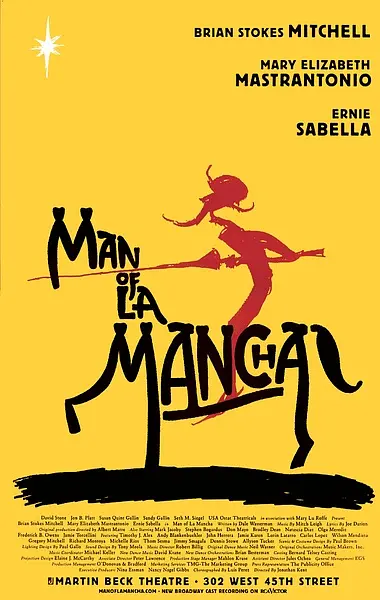
我,堂吉诃德 [演出]
类型: Musical 编剧: Dale Wasserman
其它标题: Man of La Mancha / 梦幻骑士 语言: 英语 导演: Joseph Graves / Jonathan Kent
16世纪末的西班牙,作家、演员、剧作家和兼职税收员米格尔•德•塞万提斯因为试图向一所教堂征税而被宗教法庭逮捕。塞万提斯和他的仆人被扔进监狱的一个单间里,与强盗和小偷关在一起。

他们被夺去了随身财物,为了活命而不得不接受其他犯人的拷问,他要用他所写的故事来为自己辩护。这个故事是关于一个叫阿隆索. 基哈诺的年老地主,他钟情于骑士年代,现在他将自己称为堂吉诃德,来自拉曼查的骑士。

塞万提斯和他的仆人说服犯人们配合他们,一切排演一出关于堂吉诃德的戏剧,在排演的过程中,堂吉诃德的故事感动了这些穷凶极恶,对生活失去了任何希望的人们。塞万提斯赢得了狱友们的敬佩,虽然他即将走上法庭面临最后的审判,但是他的故事和犯人们的人生,也许已经彻底地被改变了……
A German Life [演出] 豆瓣
类型: Theater 编剧: Christopher Hampton
剧院: Bridge Theatre 导演: Jonathan Kent 演员: Maggie Smith


Brunhilde Pomsel’s life spanned the twentieth century. She struggled to make ends meet as a secretary in Berlin during the 1930s, her many employers including a Jewish insurance broker, the German Broadcasting Corporation and, eventually, Joseph Goebbels. Christopher Hampton’s play is based on the testimony she gave when she finally broke her silence to a group of Austrian filmmakers, shortly before she died in 2016.

Peter Gynt [演出] 豆瓣
类型: Theater 编剧: Henrik Ibsen / Iggy Pop
导演: Irina Brook / Jonathan Kent 演员: James McArdle
2014 Barbican 易卜生戏剧节版本
Ibsen's famous hero becomes rock royalty in this 21st century reboot featuring songs by Iggy Pop and new writing by Sam Shepard.
Driven by a timeless hunger for fame and wealth, ‘PG’ remains a man on a desperate quest for his inner-self. His fantastical journey is wholly updated by this exuberant show rich in contemporary imagery, live music and original poetry.
Born into an international theatre family, Irina Brook first read Peer Gynt as a young actress living in 1980s New York. Friends at the time with Iggy Pop, she imagined Ibsen’s eponymous hero as the boisterous rock star. Years later, her vision has been vividly realised in an adaptation featuring creative contributions from the legendary musician as well as Pulitzer Prize-winning Sam Shepard.
'Hard to imagine how a classic can be made so cool yet remain entirely faithful' TV ORF One (Austria)
2 hours 30 minutes/including an interval
Age guidance 12+
2019 NT 与爱丁堡国际国际艺术节合作版
bsen’s classic is reinvented as a riotous adventure for the 21st century.
Peter Gynt is searching for something: himself. Traveling from the mountains of Scotland to the pool-sides of Florida, he’ll meet talking hyenas, two-headed trolls and even an Egyptian Sphinx. But his ultimate transformation may not be all that he hoped for…
Playing the rebellious antihero, James McArdle (Angels In America) is reunited with David Hare and Jonathan Kent, the partnership behind the triumphant Young Chekhov at Chichester Festival Theatre and the National Theatre.
Running Time: approx. 3 hrs 20 mins (inc 2 intervals)
Peter Gynt 2019 National Theatre, A co-production with Edinburgh International Festival版 [演出] 豆瓣
所属 演出: Peter Gynt
语言: 英语 english 剧院: National Theatre, Oliver Theatre 导演: Jonathan Kent
其它标题: 2019 National Theatre, A co-production with Edinburgh International Festival版 编剧: David Hare 演员: James McArdle
2014 Barbican 易卜生戏剧节版本
Ibsen's famous hero becomes rock royalty in this 21st century reboot featuring songs by Iggy Pop and new writing by Sam Shepard.
Driven by a timeless hunger for fame and wealth, ‘PG’ remains a man on a desperate quest for his inner-self. His fantastical journey is wholly updated by this exuberant show rich in contemporary imagery, live music and original poetry.
Born into an international theatre family, Irina Brook first read Peer Gynt as a young actress living in 1980s New York. Friends at the time with Iggy Pop, she imagined Ibsen’s eponymous hero as the boisterous rock star. Years later, her vision has been vividly realised in an adaptation featuring creative contributions from the legendary musician as well as Pulitzer Prize-winning Sam Shepard.
'Hard to imagine how a classic can be made so cool yet remain entirely faithful' TV ORF One (Austria)
2 hours 30 minutes/including an interval
Age guidance 12+
2019 NT 与爱丁堡国际国际艺术节合作版
bsen’s classic is reinvented as a riotous adventure for the 21st century.
Peter Gynt is searching for something: himself. Traveling from the mountains of Scotland to the pool-sides of Florida, he’ll meet talking hyenas, two-headed trolls and even an Egyptian Sphinx. But his ultimate transformation may not be all that he hoped for…
Playing the rebellious antihero, James McArdle (Angels In America) is reunited with David Hare and Jonathan Kent, the partnership behind the triumphant Young Chekhov at Chichester Festival Theatre and the National Theatre.
Running Time: approx. 3 hrs 20 mins (inc 2 intervals)