Harun Farocki — 演员 (5)
工人离开工厂 (1995) [电影] 豆瓣 TMDB IMDb 维基数据
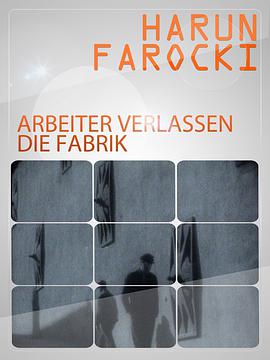
Arbeiter verlassen die Fabrik
9.6 (5 个评分) 导演: Harun Farocki 演员: Harun Farocki
其它标题: Arbeiter verlassen die Fabrik / workers leaving the factory
Based on one of the Lumière brothers’ historic first films, Harun Farocki has created a montage of scenes from 100 years of film history, all variations on the theme of “workers leaving the factory”. Farocki uses the pictures to reflect on the iconography and economy of a workers’ society, as well as that of cinema itself, which tends to acquire its audience at the gates of the factory and hijack them into the private sphere.
不灭的火 (1969) [电影] 豆瓣 TMDB IMDb 维基数据
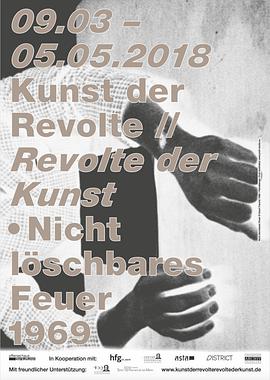
Nicht löschbares Feuer
导演: Harun Farocki 演员: Harun Farocki / Gerd Volker Bussäus
其它标题: Nicht löschbares Feuer / The Inextinguishable Fire
Short film which explores the origins of napalm, it's use in the Vietnam war, and it's evil effects on society.
叙述 (1975) [电影] 豆瓣 IMDb TMDB
Erzählen
导演: Ingemo Engström / 哈伦·法罗基 演员: Avinho Barbeitov / Ingemo Engström
其它标题: Erzählen / About Narration
“Essay, a term from written literature: unity of science and art; unity of social and individual knowledge,” Harun Farocki wrote in a first draft of the project Erzählen. The film follows two people (played by Engström and Farocki) investigating their respective subjects: one is tracing the involvement of the German heavy industry in the rise of Nazi-Germany, the other is interested in the fate of Larissa Reissner, a young Soviet writer and revolutionary. Both of them struggle with the question of how to organize their research and find a narrative structure. Their paths cross, and the film turns into an essayistic interrogation of structuralist narratology.
3000 Houses (1967) [电影] TMDB IMDb
3000 Häuser
导演: Hartmut Bitomsky / Ulrich Knaudt 演员: Harun Farocki / Hartmut Bitomsky
其它标题: 3000 Häuser
“Six young people move through a city in order to establish the starting point of their joint action. But they can’t agree on the topic. In the end everybody goes their own way and leaves the city.” - Hartmut Bitomsky