香川京子 — 演员 (60)
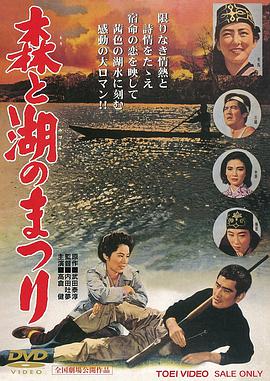
森林与湖的祭祀 (1958) [电影] 豆瓣
森と湖のまつり
其它标题:
森と湖のまつり
/
Mori to mizuumi no matsuri
…
One of the major joys of writing about Japanese movies is that whenever you begin to get that tired, jaded feeling that you think you’ve seen it all and that there’s nothing left that’s ever going to set your pulse racing, you stumble across a whole previously hidden seam of movies that completely revolutionises any ideas of what Japanese cinema is. I remember getting this feeling watching the works of Hiroshi Shimizu at the 2003 Tokyo FILMeX, and I got it again at the same festival exactly one year later, during a 13-film retrospective of Tomu Uchida, which travelled to the Rotterdam Film Festival in a slimmed-down version a couple of months later.
In English-language film circles, not much is really generally known about Japanese cinema prior to the 1960s. Anderson and Richie’s The Japanese Film: Art and Industry is still the bible for those who want to find out more, but more recent non-academic publications are limited by the films that are available for viewing. It’s a catch-22 situation, which DVD is slowly overcoming. Yet still, outside of the work of a few major directors like Kurosawa and Ozu, recent releases have tended to stick with products from more recent years, more often than not focused around the twin poles of art and exploitation.
It is therefore really difficult to get any broader picture of what the industry was doing before the days of yakuza movies and Roman Porno. Yet the 1950s were the decade when the Japanese cinema had reached full maturity and cinema attendances were at a peak, the so-called Golden Age when the major companies were between them turning out around 500 films a year, all made by directors with several decades of experience behind them, at long-established studios with a large highly-trained professional team of technicians. Far from being the bastion of conservativeness that Oshima and the New Wave directors labelled it to be, I am coming to look at the decade as a vast lucky dip with some fabulous treasures still waiting to be found – such as The Outsiders, for example, an epic outdoor adventure in which an embittered Ken Takakura fights for the rights of Hokkaido’s oppressed Ainu population.
Tomu Uchida was one of those names I’d heard bandied about a lot, most often in conjunction with the film Earth (Tsuchi) made in 1939. A seminal piece of social-realism made by a director noted for his leftist inclinations, Earth focused on the harsh lives of a community of farmers at a time when rapid urbanisation was bleeding the countryside dry. It was a political film in that it confronted the swelling ranks of the emergent urban middle classes who made up the large bulk of cinema audiences with the plight of the rural poor, paralleling the release of John Ford’s adaptation of John Steinbeck’s The Grapes of Wrath in America around the same time in 1940.
Remember, long before the days of television, cinema was the only way of seeing how the other half lived, and in today’s image-saturated mass-media culture it is easy to overlook the power and immediacy of what people saw on the big screen. Uchida’s film was all the more political because it was made at the time when the lion’s share of agricultural production was being put towards Japan’s wartime expansion. Needless to say, it went bang in the face of the type of films the government was promoting at the time.
Earth was filmed over the course of a year with a documentarist’s attention to detail, taking in each of the seasons and focusing very much on man’s relationship with the soil. This approach of drawing out the realism and charting the passage of time through the use of the four seasons much later became a staple of the documentary films made by the collective centred around Shinsuke Ogawa, such as Magino Village – A Tale (Sennen Kizami no Hidokei: Magino-Mura Monogatari, 1987), or more recently in the documentary-styled fictional work of Naomi Kawase, specifically the films Suzaku and Hotaru.
Uchida’s film, by the way, is not to be confused with the German-Japanese co-production, The New Earth (Atarashii Tsuchi), directed by Mansaku Itami, the father of Tampopo director Juzo Itami. This film, released in 1941, was a nationalist propaganda work made under the instigation of Dr Arnold Fanck, the German director who sparked off the peculiar genre of the “Mountain Film” as typified by The Holy Mountain (Der Heilige Berg, recently released on DVD in the UK by Eureka). As written by Fanck, its goal was to portray “unity of the Nazi group-spirit and the racial spirit of the Japanese as opposed to the weak spirit of the democracies”, but there was conflict between the Japanese and the German creative elements throughout the production due to the way in which Fanck constantly misrepresented elements of Japanese culture in service of the film’s higher propagandist purpose (The Last Samurai, anyone?). Released overseas at the time as The Daughter of the Samurai, one of the first co-productions Japan ever made with the West thus ended up a classic textbook example of orientalist filmmaking.
Much of what has been written about Uchida’s career in the English language – basically in Anderson and Richie’s book – has focused on his pre-war career. But as the FILMeX retrospective clearly demonstrated, this was only half of the story. In 1945, the left-leaning director travelled to the formerly Japanese-occupied area of Manchuria in China to join the Manchuria Film Association, or Man’ei, and was not to come back until 1953. Upon his return he continued for almost two decades to produce a wide range of films that fit into every genre conceivable, from traditional kabuki adaptations to melodrama and yakuza movies.
The diversity of his oeuvre therefore means that getting a grip on what elements typify an Uchida picture is a difficult task, but on the evidence of The Outsiders, one of the original program that tellingly did not go over to the Rotterdam festival, perhaps it is fruitful to turn once again to the parallel with John Ford. The film’s mixture of heroic action, making full use of one of the top macho icons of its day, an expansive sense of location, masterful use of colour and composition and a focus on social injustice meted out on large sectors of the nation’s indigenous people had me thinking in terms of The Searchers. In what seems like another unlikely case of synchronicity, Ford’s film was released just two years previously in 1956.
The Outsiders is something of a revelation. It certainly looks nothing like what you’d expect from a Japanese movie made around the mid-50s, which is perhaps the reason why it is completely unknown outside of Japan. Opening with a lengthy pan across the barren mountaintops of Hokkaido, Uchida’s third film in colour, after the two parts of the jidai-geki Daibosatsu Pass (Daibosatsutoge, 1957/58) is an undeniably exhilarating visual experience, making full use of the Toeiscope widescreen format to capture Japan’s northernmost territory in all its rugged beauty. It also is of particular interest for drawing attention to the destruction of the culture and the discrimination against the indigenous Ainu people, a dwindling race faced with danger of extinction since the Japanese nation began its concerted push northwards with the government extending administration over all parts of the landmass in 1868.
Screen legend Ken Takakura is Ishitaro Kazamori, known as Byakki “the Phoenix” by the local Ainu population, as he whisks from village to village on horseback delivering supplies and educational books to the locals, an outcast Robin Hood character working for the future of his people. But Byakki’s rough methods aren’t to everyone’s tastes. Money has been going missing from the funds raised by the chairman of the Ainu Society, Dr. Ike (Kitazawa), a well-meaning “shamo” (non-Ainu) who has dedicated much of his life to researching the history and culture of Japan’s aboriginal people.
When Dr Ike brings a young landscape painter Yoshiko Saeki (Kagawa) from Tokyo with him on his field trips to sketch the local landscapes, there is initially resentment of another outsider treating the local populations as her own pet project. But Yoshiko soon befriends Mitsu (Fujisato), an Ainu girl who was jilted years ago on the eve of the holy Bekanbe Festival by her “shamo” lover who couldn’t go through with the stigma of marrying into this ostracised class. Mitsu may also hold the key to Byakki’s whereabouts.
Meanwhile, as the next Bekanbe Festival approaches, tension is growing between the Ainu and the Japanese settlers in the coastal town of Nanbetsu due to Byakki’s increasingly unruly antics. One local who steadfastly refuses to pitch in to Dr. Ike’s project is Oiwa (Mikuni), who runs the local fishery with his old father (Susukida), and runs a strict policy of not hiring any Ainu workers. Oiwa bears Byakki a particular enmity, because Byakki knows that Oiwa is living in denial, masquerading as a “shamo” and keeping his real Ainu ancestry well hidden. But Oiwa also knows a few secrets about Byakki.
Hokkaido is in many ways Japan’s northernmost frontier, its own equivalent to the Wild West, and The Outsiders, though based on the novel Mori to Mizuumi no Matsuri by Taijun Takeda, most clearly resembles an American western, a gripping action film letting forth a righteous cry against social injustice against the indigenous population and unfolding against an epic landscape. Such genre appropriations can’t be coincidental. As could be seen as early back as Uchida’s own 1933 silent, The Police Officer (Keisatsukan), which also played at FILMeX, Japanese filmmakers were certainly not above borrowing heavily from typically American staples such as the cops-and-robbers film. I can’t say whether Uchida consciously modelled his film on the western, but the crucial fact about The Outsiders is that the story makes sense and works in its own right, rather than just being noteworthy as a cross-cultural hybrid curio.
The main drawing point is of course Hokkaido itself, shot beautifully by cinematographer Shoe Nishikawa, picking out the autumnal russet-tinged hues of the majestic countryside of lakes, plains and woods, as the camera glides and tracks through a series of mainly exterior locations. But aside from this vibrant use of colour, also used to great effect in the matsuri (festival) scenes and the coloured fabrics of the traditional costumes, The Outsiders is also unique for revealing a facet of Japanese culture almost completely disregarded in its cinema. Bold, beautiful, and packing a powerful dramatic punch, there is little else quite like it. We can only hope that some adventurous DVD company will pick it up soon, because this is a film that could change people’s perceptions and prejudices about Japanese film for good. from midnighteye
In English-language film circles, not much is really generally known about Japanese cinema prior to the 1960s. Anderson and Richie’s The Japanese Film: Art and Industry is still the bible for those who want to find out more, but more recent non-academic publications are limited by the films that are available for viewing. It’s a catch-22 situation, which DVD is slowly overcoming. Yet still, outside of the work of a few major directors like Kurosawa and Ozu, recent releases have tended to stick with products from more recent years, more often than not focused around the twin poles of art and exploitation.
It is therefore really difficult to get any broader picture of what the industry was doing before the days of yakuza movies and Roman Porno. Yet the 1950s were the decade when the Japanese cinema had reached full maturity and cinema attendances were at a peak, the so-called Golden Age when the major companies were between them turning out around 500 films a year, all made by directors with several decades of experience behind them, at long-established studios with a large highly-trained professional team of technicians. Far from being the bastion of conservativeness that Oshima and the New Wave directors labelled it to be, I am coming to look at the decade as a vast lucky dip with some fabulous treasures still waiting to be found – such as The Outsiders, for example, an epic outdoor adventure in which an embittered Ken Takakura fights for the rights of Hokkaido’s oppressed Ainu population.
Tomu Uchida was one of those names I’d heard bandied about a lot, most often in conjunction with the film Earth (Tsuchi) made in 1939. A seminal piece of social-realism made by a director noted for his leftist inclinations, Earth focused on the harsh lives of a community of farmers at a time when rapid urbanisation was bleeding the countryside dry. It was a political film in that it confronted the swelling ranks of the emergent urban middle classes who made up the large bulk of cinema audiences with the plight of the rural poor, paralleling the release of John Ford’s adaptation of John Steinbeck’s The Grapes of Wrath in America around the same time in 1940.
Remember, long before the days of television, cinema was the only way of seeing how the other half lived, and in today’s image-saturated mass-media culture it is easy to overlook the power and immediacy of what people saw on the big screen. Uchida’s film was all the more political because it was made at the time when the lion’s share of agricultural production was being put towards Japan’s wartime expansion. Needless to say, it went bang in the face of the type of films the government was promoting at the time.
Earth was filmed over the course of a year with a documentarist’s attention to detail, taking in each of the seasons and focusing very much on man’s relationship with the soil. This approach of drawing out the realism and charting the passage of time through the use of the four seasons much later became a staple of the documentary films made by the collective centred around Shinsuke Ogawa, such as Magino Village – A Tale (Sennen Kizami no Hidokei: Magino-Mura Monogatari, 1987), or more recently in the documentary-styled fictional work of Naomi Kawase, specifically the films Suzaku and Hotaru.
Uchida’s film, by the way, is not to be confused with the German-Japanese co-production, The New Earth (Atarashii Tsuchi), directed by Mansaku Itami, the father of Tampopo director Juzo Itami. This film, released in 1941, was a nationalist propaganda work made under the instigation of Dr Arnold Fanck, the German director who sparked off the peculiar genre of the “Mountain Film” as typified by The Holy Mountain (Der Heilige Berg, recently released on DVD in the UK by Eureka). As written by Fanck, its goal was to portray “unity of the Nazi group-spirit and the racial spirit of the Japanese as opposed to the weak spirit of the democracies”, but there was conflict between the Japanese and the German creative elements throughout the production due to the way in which Fanck constantly misrepresented elements of Japanese culture in service of the film’s higher propagandist purpose (The Last Samurai, anyone?). Released overseas at the time as The Daughter of the Samurai, one of the first co-productions Japan ever made with the West thus ended up a classic textbook example of orientalist filmmaking.
Much of what has been written about Uchida’s career in the English language – basically in Anderson and Richie’s book – has focused on his pre-war career. But as the FILMeX retrospective clearly demonstrated, this was only half of the story. In 1945, the left-leaning director travelled to the formerly Japanese-occupied area of Manchuria in China to join the Manchuria Film Association, or Man’ei, and was not to come back until 1953. Upon his return he continued for almost two decades to produce a wide range of films that fit into every genre conceivable, from traditional kabuki adaptations to melodrama and yakuza movies.
The diversity of his oeuvre therefore means that getting a grip on what elements typify an Uchida picture is a difficult task, but on the evidence of The Outsiders, one of the original program that tellingly did not go over to the Rotterdam festival, perhaps it is fruitful to turn once again to the parallel with John Ford. The film’s mixture of heroic action, making full use of one of the top macho icons of its day, an expansive sense of location, masterful use of colour and composition and a focus on social injustice meted out on large sectors of the nation’s indigenous people had me thinking in terms of The Searchers. In what seems like another unlikely case of synchronicity, Ford’s film was released just two years previously in 1956.
The Outsiders is something of a revelation. It certainly looks nothing like what you’d expect from a Japanese movie made around the mid-50s, which is perhaps the reason why it is completely unknown outside of Japan. Opening with a lengthy pan across the barren mountaintops of Hokkaido, Uchida’s third film in colour, after the two parts of the jidai-geki Daibosatsu Pass (Daibosatsutoge, 1957/58) is an undeniably exhilarating visual experience, making full use of the Toeiscope widescreen format to capture Japan’s northernmost territory in all its rugged beauty. It also is of particular interest for drawing attention to the destruction of the culture and the discrimination against the indigenous Ainu people, a dwindling race faced with danger of extinction since the Japanese nation began its concerted push northwards with the government extending administration over all parts of the landmass in 1868.
Screen legend Ken Takakura is Ishitaro Kazamori, known as Byakki “the Phoenix” by the local Ainu population, as he whisks from village to village on horseback delivering supplies and educational books to the locals, an outcast Robin Hood character working for the future of his people. But Byakki’s rough methods aren’t to everyone’s tastes. Money has been going missing from the funds raised by the chairman of the Ainu Society, Dr. Ike (Kitazawa), a well-meaning “shamo” (non-Ainu) who has dedicated much of his life to researching the history and culture of Japan’s aboriginal people.
When Dr Ike brings a young landscape painter Yoshiko Saeki (Kagawa) from Tokyo with him on his field trips to sketch the local landscapes, there is initially resentment of another outsider treating the local populations as her own pet project. But Yoshiko soon befriends Mitsu (Fujisato), an Ainu girl who was jilted years ago on the eve of the holy Bekanbe Festival by her “shamo” lover who couldn’t go through with the stigma of marrying into this ostracised class. Mitsu may also hold the key to Byakki’s whereabouts.
Meanwhile, as the next Bekanbe Festival approaches, tension is growing between the Ainu and the Japanese settlers in the coastal town of Nanbetsu due to Byakki’s increasingly unruly antics. One local who steadfastly refuses to pitch in to Dr. Ike’s project is Oiwa (Mikuni), who runs the local fishery with his old father (Susukida), and runs a strict policy of not hiring any Ainu workers. Oiwa bears Byakki a particular enmity, because Byakki knows that Oiwa is living in denial, masquerading as a “shamo” and keeping his real Ainu ancestry well hidden. But Oiwa also knows a few secrets about Byakki.
Hokkaido is in many ways Japan’s northernmost frontier, its own equivalent to the Wild West, and The Outsiders, though based on the novel Mori to Mizuumi no Matsuri by Taijun Takeda, most clearly resembles an American western, a gripping action film letting forth a righteous cry against social injustice against the indigenous population and unfolding against an epic landscape. Such genre appropriations can’t be coincidental. As could be seen as early back as Uchida’s own 1933 silent, The Police Officer (Keisatsukan), which also played at FILMeX, Japanese filmmakers were certainly not above borrowing heavily from typically American staples such as the cops-and-robbers film. I can’t say whether Uchida consciously modelled his film on the western, but the crucial fact about The Outsiders is that the story makes sense and works in its own right, rather than just being noteworthy as a cross-cultural hybrid curio.
The main drawing point is of course Hokkaido itself, shot beautifully by cinematographer Shoe Nishikawa, picking out the autumnal russet-tinged hues of the majestic countryside of lakes, plains and woods, as the camera glides and tracks through a series of mainly exterior locations. But aside from this vibrant use of colour, also used to great effect in the matsuri (festival) scenes and the coloured fabrics of the traditional costumes, The Outsiders is also unique for revealing a facet of Japanese culture almost completely disregarded in its cinema. Bold, beautiful, and packing a powerful dramatic punch, there is little else quite like it. We can only hope that some adventurous DVD company will pick it up soon, because this is a film that could change people’s perceptions and prejudices about Japanese film for good. from midnighteye
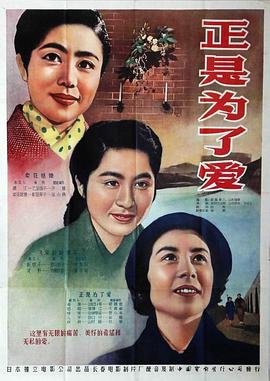
一切为了爱 (1955) [电影] 豆瓣
愛すればこそ
其它标题:
愛すればこそ
/
正是为了爱
〔花売り娘〕バー・クラルテの雇われマダム道江は、今宵ひどく不機嫌で、花売りの少女民子にもつらく当った。道江は旦那を刑務所に行かさないために二十万円つくる必要があるのだが、その金をマスターから出させるためにはマスターに身をまかせなければならぬ。銀座の夜は雨になった。道江はしょんぼりと雨宿りしている民子を哀れに思い、売れ残りを買いあげ千円札を与えた。民子は喜んで帰ったが、病気の姉は死んでいた。数日後、お礼を云うために、民子は道江の家を訪れた。あの日道江は折角二十万円つくったのに旦那は自殺していた。それ以来クラルテも止め、悲観して寝てばかりいたが、民子との再会で再び生きる力を見出した。 〔とびこんだ花嫁〕河野は朝っぱらからアパートのおばさんにたたきおこされた。前に故郷のお袋から写真を送って来ていた花嫁が、突如やって来たのだ。河野はキモをつぶし、その谷くに子という女を置いて工場へ出掛け、同僚の森川や古野に相談した。だが昼めしどき、やはり気になるので部屋へ帰ってみると、くに子はいましがた去ったところだと云う。方々探してみたが見つからず又部屋へ戻ってみると、河野のお袋からことずかったチャンチャンコやくに子の兄の御土産たる二つのタネ芋を渡すのを忘れていたと、くに子が彼を待っていた。さてそれからイモやアズキについての珍問答を繰り返すうちに、二人の心はほぐれてくるのだった。 〔愛すればこそ〕競輪場の臨時雇をしている母八重子と、姉娘とし子、妹娘みち子とは貧しい生活を送っていた。而も一人息子の茂は思想犯で牢に入っている。ところが、二十七才のとし子は、いい部屋が見つかったので、須藤という男と結婚しようとした。母も妹もとし子がこの際家を出ることを喜ばない。がその時訪れた伯父の五郎は、とし子の幸福は祈ってやって、その代り茂に帰ってもらえばよいのだと主張した。後ろ髪ひかれる思いだが、とし子は家を出て行った。翌日、八重子は刑務所の茂に面会に行ったが、茂は自分のえらんだ道をまげるわけにいかないと云うのだった。その後、ゆみ子という女性が来ている。八重子はこれは茂の何だろうかと気づかいつつ帰途につくと、背後からゆみ子が「お母さん、お母さん」と呼んで追って来た。息子たちの明るい明日を思えば、苦しい生活にも耐えられると八重子は思う。

寅次郎的故事24:寅次郎春之梦 (1979) [电影] 豆瓣
男はつらいよ 寅次郎春の夢
其它标题:
男はつらいよ 寅次郎春の夢
/
Tora-san's Dream of Spring
第24集《寅次郎春之梦》(Tora San's dream of spring)
导演:山田洋次
原著:山田洋次
剧本:山田洋次、朝间义隆
主演:渥美清、倍赏千惠子、香川京子、林宽子
制作:松竹影业
出版日期:1979年12月28日
片长:104分钟
票房:184万人
剧情
寅屋住进来一位从美国来的推销员,他叫麦克,走街串巷地推销维他命,因为收入不多,住不起宾馆。看着疲惫不堪、语言不通的麦克,善良的樱花留下了他,住在阿寅的房间里。在这个家庭里,麦克感觉像在自己的家里一样,舒适自然,他们相处得非常融洽。直到阿寅回来,他不愿麦克住在自己的房间,就想办法捉弄他。为了帮助他们解决语言障碍,满男的英语老师阿蒙和母亲充当翻译,阿寅热情地为阿蒙的母亲装修房子的事帮忙。出于对樱花发自内心的感谢,麦克用美国的方式表示自己的心意。阿寅从日本人的理解认为这是对妹妹的冒犯,麦克真诚地道了歉。这引起大家对日美两种文化的表达方式的讨论。麦克要回国了,他将樱花的照片带在身上,在内心深处,他爱着善良温柔的樱花。
导演:山田洋次
原著:山田洋次
剧本:山田洋次、朝间义隆
主演:渥美清、倍赏千惠子、香川京子、林宽子
制作:松竹影业
出版日期:1979年12月28日
片长:104分钟
票房:184万人
剧情
寅屋住进来一位从美国来的推销员,他叫麦克,走街串巷地推销维他命,因为收入不多,住不起宾馆。看着疲惫不堪、语言不通的麦克,善良的樱花留下了他,住在阿寅的房间里。在这个家庭里,麦克感觉像在自己的家里一样,舒适自然,他们相处得非常融洽。直到阿寅回来,他不愿麦克住在自己的房间,就想办法捉弄他。为了帮助他们解决语言障碍,满男的英语老师阿蒙和母亲充当翻译,阿寅热情地为阿蒙的母亲装修房子的事帮忙。出于对樱花发自内心的感谢,麦克用美国的方式表示自己的心意。阿寅从日本人的理解认为这是对妹妹的冒犯,麦克真诚地道了歉。这引起大家对日美两种文化的表达方式的讨论。麦克要回国了,他将樱花的照片带在身上,在内心深处,他爱着善良温柔的樱花。
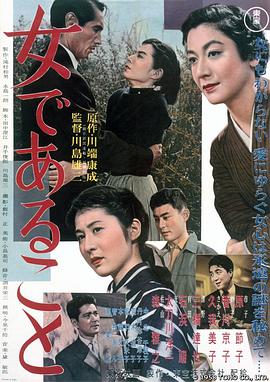
生为女人 (1958) [电影] 豆瓣
女であること
其它标题:
女であること
製作=東京映画 配給=東宝
1958.01.15
10巻 2,738m 100分 白黒
朝日新聞に連載された川端康成の原作を「夜の鴎」の田中澄江、「続青い山脈」の井手俊郎、「幕末太陽伝」の川島雄三の三人が共同脚色、川島雄三が東京映画と新たに契約、監督した文芸篇。撮影は「一本刀土俵入(1957)」の飯村正が担当した。主演は「続々大番 (怒涛篇)」の原節子、「挽歌(1957)」の久我美子、森雅之、「地上」の香川京子、「その夜のひめごと」の三橋達也「気違い部落」の石浜朗。ほかに、太刀川洋一、中北千枝子、丹阿弥谷津子、荒木道子などが助演している。
1958.01.15
10巻 2,738m 100分 白黒
朝日新聞に連載された川端康成の原作を「夜の鴎」の田中澄江、「続青い山脈」の井手俊郎、「幕末太陽伝」の川島雄三の三人が共同脚色、川島雄三が東京映画と新たに契約、監督した文芸篇。撮影は「一本刀土俵入(1957)」の飯村正が担当した。主演は「続々大番 (怒涛篇)」の原節子、「挽歌(1957)」の久我美子、森雅之、「地上」の香川京子、「その夜のひめごと」の三橋達也「気違い部落」の石浜朗。ほかに、太刀川洋一、中北千枝子、丹阿弥谷津子、荒木道子などが助演している。
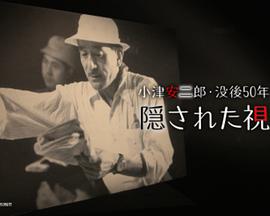
小津安二郎・没後50年 隠された視線 (2013) [电影] 豆瓣
导演:
舩桥淳
演员:
吉田喜重
/
筱田正浩
…
其它标题:
Ozu Yasujiro botsugo 50 nen kakusareta shisen
今年12月に生誕110年・没後50年を迎える映画監督の小津安二郎。その最高傑作と称される「東京物語」が2012年、英国映画協会が行った「映画監督が選ぶ世界の映画NO1」に輝いた。小津映画は、今もなぜ世界の人々を惹きつけるのか?
今年7月、小津監督と脚本家野田高梧との脚本執筆の日々を綴った「蓼科日記」が刊行された。派手なシーンもなく淡々と家族の物語を描く「小津調」の作品がどのように編み出されたのか、その創作のプロセスに迫る。
また、「東京物語」「秋刀魚の味」「秋日和」などに出演した司葉子、岡田茉莉子、香川京子という往年の名女優や、吉田喜重、篠田正浩など当時の助監督たちに、小津作品の魅力を聞いていく。
さらに、松竹大船撮影所の美術デザインを新たな視点で見つめることで、日本映画の黄金期といわれた撮影所のスタジオシステムが生んだ集団芸術の素晴らしさと、現代につながる普遍的な映画の味わいを再発見する。
番組では、小津監督ゆかりの人々の証言や本人の日記などを手掛かりに、いまなお世界で広く見られている小津作品独自の映像世界の魅力を浮き彫りにしていく。
今年7月、小津監督と脚本家野田高梧との脚本執筆の日々を綴った「蓼科日記」が刊行された。派手なシーンもなく淡々と家族の物語を描く「小津調」の作品がどのように編み出されたのか、その創作のプロセスに迫る。
また、「東京物語」「秋刀魚の味」「秋日和」などに出演した司葉子、岡田茉莉子、香川京子という往年の名女優や、吉田喜重、篠田正浩など当時の助監督たちに、小津作品の魅力を聞いていく。
さらに、松竹大船撮影所の美術デザインを新たな視点で見つめることで、日本映画の黄金期といわれた撮影所のスタジオシステムが生んだ集団芸術の素晴らしさと、現代につながる普遍的な映画の味わいを再発見する。
番組では、小津監督ゆかりの人々の証言や本人の日記などを手掛かりに、いまなお世界で広く見られている小津作品独自の映像世界の魅力を浮き彫りにしていく。
猫和庄造和两个女人 (1956) [电影] 豆瓣
猫と庄造と二人のをんな
其它标题:
猫と庄造と二人のをんな
/
Shozo, a Cat and Two Women
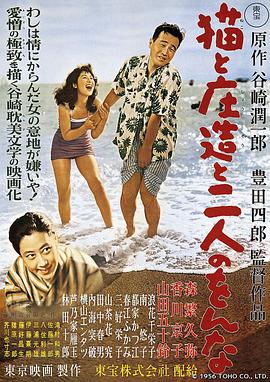
原作は谷崎潤一郎の同名の小説で、谷崎自身が経験した三角関係の恋愛事件がモチーフにされている。監督は前年「夫婦善哉」で名匠の名を確立した豊田四郎。主役にその「夫婦善哉」で絶妙な演技を示した森繁久彌を再び起用している。庄造の生活は愛猫リリーを中心に動いているといっていいほどで、異常なまでの愛情をリリーに注いでいる。母親は庄造の前妻を追い出したが、今また叔父が彼の娘を庄造にと縁談を持ちかけてくるや、その持参金に目をつけて早くも承知する。しかし当の庄造は新妻がリリーを追い出して以来、色や金などそっちのけで、リリーのことが気が気でならない。甲斐性なしの男をめぐって母、先妻、後妻が欲や嫉妬に絡んで凄烈なやりとりを繰り広げる人間喜劇である。
大阪城物语 (1961) [电影] 豆瓣
大坂城物語
其它标题:
大坂城物語
/
Ôsaka-jô monogatari
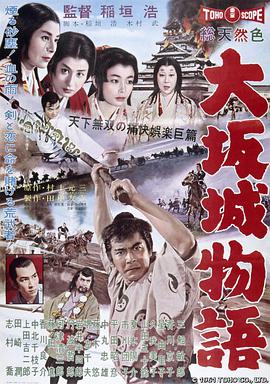
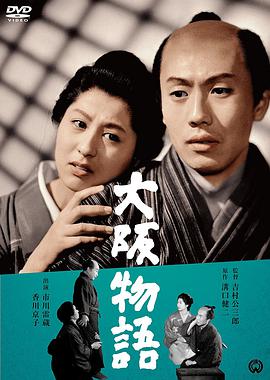
大坂城は今日も落陽に美しく映えていた。しかし、城と運命をともにする当主秀頼や淀君らは、もはや昔の夢を追うことはできなかった。徳川秀忠は豊臣家への圧力を強化してきたのだ。京都方広寺の大仏開眼供養の儀式は、両家を相争うべき宿命の谷に追いこんだ。--関ケ原の戦いで一家を失った無法者、鬼の茂兵衛が大坂にやってきた。彼は動乱まで利用しようとする大坂商人の根性に腹が立った。茂兵衛は乳兄弟の隼人と連れの女阿伊を逃がすために山伏に捕えられ、橋に宙吊りにきれた。霧隠才蔵と名のる忍者が彼を救った。才蔵が茂兵衛の綱を切り落すと、小舟に乗った阿伊が救い上げた。小舟が行きついた先は、秀吉に大恩を受けた豪商、伊丹屋道幾の密室だった。やがて茂兵衛は、阿伊の案内で加藤肥後守清正の娘、小笛と会った。小笛は、千姫を奪うことを茂兵衛に命じた。千姫を奪うこと以外に両家の争いをさける方法はない。しかし、茂兵衛は失敗した。城中では、淀君が徳川と一戦を交えることを決意した。折から堺に入港したポルトガル船の積んでいる鉄砲を徳川方に渡してはならなかった。才蔵と茂兵衛は人足に変装して道幾とともにポルトガル船に鉄砲を買いとるべき金を運んでいた。が、道幾は鉄砲を値のいい徳川方にまた売りしようとしていた。船を脱出した茂兵衛は、道幾の屋敷で、短刀で道幾を倒した小笛を救い出した。小笛は道幾の野心を見抜いていたのだ。豊臣・徳川の戦いは始まった。鉄砲を取り返した才蔵に小笛を託すと、茂兵衛はその鉄砲を荷馬車六台に積んで大坂城へ向った。戦いは時すでに豊臣方に不利であった。茂兵衛の運んだ鉄砲は一時の時をかせいだ。才蔵に守られた小笛は、両家の和を願った。元和元年正月、和議は成立した。茂兵衛は功により二百石の直参に召抱えの墨附を受けた。しかし、お互いに生きていたら橋の上で会おうと約束した阿伊の姿を見つけると、その墨附を破いて捨てた。茂兵衛は「田舎へ行こう」と言った。阿伊もうなずいた。茂兵衛にとっても阿伊にとっても、大坂城だけが夢であり希望であったのだ。

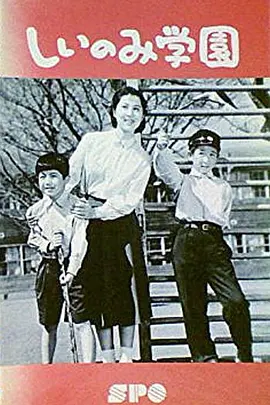
The Shiinomi School (1955) [电影] 豆瓣
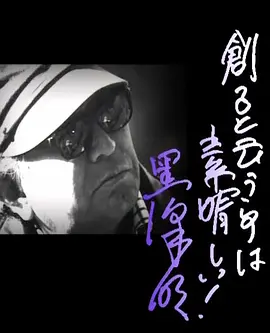
黑泽明:创作是美妙的 (2002) [剧集] 豆瓣
黒澤明~創ると云う事は素晴らしい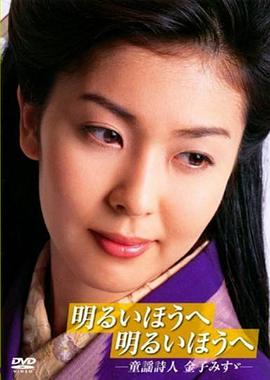
迈向光明方向:童谣诗人金子美铃 (2001) [电影] 豆瓣
明るいほうへ 明るいほうへ -童謡詩人 金子みすゞ-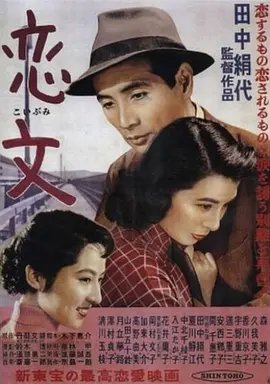
恋文 (1953) [电影] 豆瓣 IMDb 维基数据 TMDB
恋文
其它标题:
Koibumi
/
Love Letter
…
从战场回到祖国的真弓礼吉(森雅之 饰)为了寻找青梅竹马的初恋爱人道子(久我美子 饰)来到东京,一文不名的他和经营旧书收购生意的弟弟阿洋(道三重三 饰)住在简陋的公寓里,靠弟弟的收入勉强过活。某天,礼吉在街上巧遇军校的同学山路直人(宇野重吉 饰),直人靠写英文、法文信件为生,服务的对象则是一群曾和外籍士兵相恋、而如今恋人回国被留在日本的可怜女性。
不想拖累弟弟的礼吉接受直人的邀请,来到铃兰地区帮助女人们撰写信件。偶然的一天,他邂逅了寻觅已久的道子,而道子恰是这群苦命女性中的一员……
不想拖累弟弟的礼吉接受直人的邀请,来到铃兰地区帮助女人们撰写信件。偶然的一天,他邂逅了寻觅已久的道子,而道子恰是这群苦命女性中的一员……

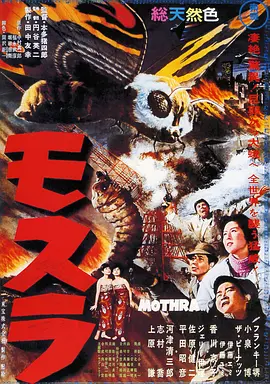
摩斯拉 (1961) [电影] 豆瓣 Eggplant.place TMDB IMDb 维基数据
モスラ
其它标题:
モスラ
/
魔斯拉
…
丰国商事在北海道纹别地区一直进行着森林采伐,作为现场监督人员的后藤裕一无意中发现了隐藏在这片森林之 中的古代遗迹并将埋藏在这片遗迹中的一枚盾牌拿了回去。
其实这片遗迹是妖精族留下来的,在此地还 封印了一个叫做帝斯基多拉的宇宙怪兽。6500万年前从外星而来的它毁灭了一切植物,导致了恐龙灭绝,而那枚盾牌正是用来封印怪兽帝斯基多拉的。
对此毫不知情的裕一将这枚盾牌带回了位于都内自己的 家并把它作为挂饰送给了自己的女儿,然后自己又返回到了采伐现场。黑色妖精贝拉贝拉飞来抢夺这枚盾牌并与对立派莫儿、罗拉姐妹展开了盾牌争夺战。在被莫儿、罗拉姐妹告知盾牌和封印的由来的后藤一家与莫儿、罗拉姐妹一起准备前往纹别。但在纹别的却出现了一块巨大的岩石。在后藤一家的协助之下罗拉姐妹夺回了盾牌,但是怪兽帝斯基多拉却从岩石中复活了。它像恶魔一样恐怖。为了打到怪兽帝斯基多拉,莫儿召唤来了摩斯拉。但是摩斯拉刚刚产完卵,寿命不长的她和怪兽之间陷入了苦战。为了助自己母亲一臂之力早产的 幼虫通过自己的丝和光线支援母亲作战。
摩斯拉不断挑战怪兽,使水库决堤成功的将怪兽逼到了对岸,但是摩斯拉拼尽了全力最终沉入了海底。在这之后,幼虫在屋久島充分吸收了森林的能量新的摩斯拉再次诞生了。于此同时怪兽也已经重新恢复到毁灭地球时的完 全状态,新的摩斯拉与怪兽再次交战,他以压倒性的力量和优势再次将怪兽封印到了地下。此后,摩斯拉让被怪 兽烧掉的已成荒芜的北海道瞬间重获绿色,并和莫儿、罗拉姐妹一起返回到了家乡。
其实这片遗迹是妖精族留下来的,在此地还 封印了一个叫做帝斯基多拉的宇宙怪兽。6500万年前从外星而来的它毁灭了一切植物,导致了恐龙灭绝,而那枚盾牌正是用来封印怪兽帝斯基多拉的。
对此毫不知情的裕一将这枚盾牌带回了位于都内自己的 家并把它作为挂饰送给了自己的女儿,然后自己又返回到了采伐现场。黑色妖精贝拉贝拉飞来抢夺这枚盾牌并与对立派莫儿、罗拉姐妹展开了盾牌争夺战。在被莫儿、罗拉姐妹告知盾牌和封印的由来的后藤一家与莫儿、罗拉姐妹一起准备前往纹别。但在纹别的却出现了一块巨大的岩石。在后藤一家的协助之下罗拉姐妹夺回了盾牌,但是怪兽帝斯基多拉却从岩石中复活了。它像恶魔一样恐怖。为了打到怪兽帝斯基多拉,莫儿召唤来了摩斯拉。但是摩斯拉刚刚产完卵,寿命不长的她和怪兽之间陷入了苦战。为了助自己母亲一臂之力早产的 幼虫通过自己的丝和光线支援母亲作战。
摩斯拉不断挑战怪兽,使水库决堤成功的将怪兽逼到了对岸,但是摩斯拉拼尽了全力最终沉入了海底。在这之后,幼虫在屋久島充分吸收了森林的能量新的摩斯拉再次诞生了。于此同时怪兽也已经重新恢复到毁灭地球时的完 全状态,新的摩斯拉与怪兽再次交战,他以压倒性的力量和优势再次将怪兽封印到了地下。此后,摩斯拉让被怪 兽烧掉的已成荒芜的北海道瞬间重获绿色,并和莫儿、罗拉姐妹一起返回到了家乡。