六大导演看巴黎 (1965) [电影] 豆瓣
Paris vu par...
其它标题:
Paris vu par...
/
巴黎见闻
…
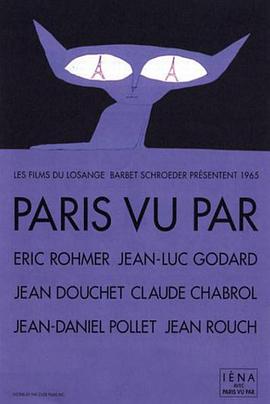
1964年,正是法国电影新浪潮风起云涌的年代。六位电影大师有了个念头--要拍一拍发生在身边巴黎的故事。在很多电影找不到赞助商的时候,他们想出了个便宜的办法:先用16毫米的胶片拍,再放大到35毫米以作商业发行。这部电影就是《...眼中的巴黎》(Paris Vu Par...) 电影由六个小故事组成,充分反映了六位导演的技巧,但毕竟是短片,所以并未引起广大的关注。
Saint-German-des-Près
Jean Douchet 导演
第一个故事比较一般。一个美国少女爱上了一位英俊男子。一夜缠绵之后,男子便赶她离开。其实,这套不错的公寓是他的一个朋友借他暂住的,而他的朋友,今天就将回来。若干天后,少女在一节人体写生课上偶遇了他的朋友,于是他们一起回到那套公寓,她说出了自己的猜想。
Gare du Nord (北火车站)
Jean Rouch 导演
Jean Rouch原本是个人类学的研究者,后来开始拍摄纪录片,并逐渐转行拍电影。所以,他的电影在人类生存处境和心理刻画方面十分成功。北火车站讲述了一对夫妻,由于妻子不堪附近工地上杂音的干扰,一天早晨,两人陷入了争吵。接着的一个长镜头非常精彩,我们跟随着她走过长长的走廊,老式电梯,出门,过马路。突然,一辆汽车杀将出来,她邂逅了一个陌生人。陌生人为她的美貌所倾倒,要求她随他而去,两人走到了北火车站的天桥上,镜头从起初的尾随,一段侧面晃动的近镜头逐渐转向了正面。我们看到他绝望的脸。他们谈论爱,她相信爱在最初的诱惑和逐渐的熟悉过后必然逝去,他则给她一个新鲜的幻想,用一个完全不同的未来诱惑着她,而她坚称一切诱惑终将逝去,最初的神秘感无法永存。他开始从一数到十,说如果她不答应就跳桥自杀。一,二,三,四。。。故事的结尾是他纵身的一跃,她大声呼叫着,可为时已晚,铁路上的尸体在一个俯视的镜头里越来越渺小。
Rue Saint-Denis (圣-丹尼路)
Jean-Daniel Pollet 导演
圣-丹尼路讲述了一个洗碟子的工人里昂和一个妓女的故事。里昂西装革履,眼神犹疑,既不象一个嫖客,也不象一个洗碟子的工人。在经过一番讨价还价后,他们一起去一家廉价餐馆午餐,妓女甚至付了饭钱,而里昂或许是第一次的缘故,显得有点害怕。最后,这一时刻终于到来。屏幕上一片漆黑。只听见妓女的声音:在黑暗里做没有什么不习惯吧?
Place de l’Etoile (埃托瓦勒广场)
Eric Rohmer 导演
埃托瓦勒广场在凯旋门附近。每天早上九点二十分,鞋店老板让马克总会准时穿过这个广场。有一天,因为在地铁里被一位红衣女子踩了一脚,所以在穿过广场的时候神情有些恍惚,撞到了一个寻衅闹事的男子身上。两人在扭打之中让-马克用伞将那个男子刺伤在地。随后让-马克陷入了惊慌中,他不顾穿梭的车辆一阵狂奔,并想象着那个男子已经死于他的伞下。他买来了当天所有的报纸,寻找莫须有的新闻。。。从此以后,他上班的时候总是刻意地避开埃托瓦勒广场。
Montparnasse et Levallois
Jean-Luc Gordard 导演
戈达尔的这部短片改编自Jean-Paul Belmondo的小说《女人就是女人》 (Une femme est une femme) ,这是一个戏剧化的故事。莫尼卡是个脚踩两只船的少女,一天,她同时给两位情人伊万和罗杰寄出了情书。可是,信进了邮桶她才发现信装错了,于是她赶到了伊万那里,解释说她并不真爱罗杰,给罗杰写情书只是骗骗他而已,真正爱的还是他。谁知伊万把她赶了出来。她只好又到了罗杰那里重复了刚才的故事。结果得到了同样的下场。最后罗杰扔出了她的情书,原来信并没有装错信封。值得一提的是,据说戈达尔未向这部短片的摄影师Albert Maysles 透露任何剧情,以求电影呈现一种原本的“偶然”。
La Muette (耳塞)
Claude Charbrol 导演
耳塞也许是六部短片里最简单但最具有震撼力的一节。故事发生在一个中产阶级的家庭。由于父母整天吵架,小男孩弄来了一付耳塞,有意思的是每当小男孩戴上耳塞的时候,电影也一样陷入了一片静默之中。一天,在一次剧烈的争吵中,母亲被父亲推下楼梯,血流不止。母亲大声求救,但男孩戴着耳塞,什么也听不见,兀自出了门去。。。
虽然这六部短片都不是六位大师的顶尖之作,但它们具备了新浪潮电影的基本特点:游离于传统的拍摄规则,用手提的摄像机,街头摄影,主题以年轻人为主,不涉及严肃的政治内容等。而且,这部电影完全以巴黎为场景,可称一部巴黎的另类写真。
Saint-German-des-Près
Jean Douchet 导演
第一个故事比较一般。一个美国少女爱上了一位英俊男子。一夜缠绵之后,男子便赶她离开。其实,这套不错的公寓是他的一个朋友借他暂住的,而他的朋友,今天就将回来。若干天后,少女在一节人体写生课上偶遇了他的朋友,于是他们一起回到那套公寓,她说出了自己的猜想。
Gare du Nord (北火车站)
Jean Rouch 导演
Jean Rouch原本是个人类学的研究者,后来开始拍摄纪录片,并逐渐转行拍电影。所以,他的电影在人类生存处境和心理刻画方面十分成功。北火车站讲述了一对夫妻,由于妻子不堪附近工地上杂音的干扰,一天早晨,两人陷入了争吵。接着的一个长镜头非常精彩,我们跟随着她走过长长的走廊,老式电梯,出门,过马路。突然,一辆汽车杀将出来,她邂逅了一个陌生人。陌生人为她的美貌所倾倒,要求她随他而去,两人走到了北火车站的天桥上,镜头从起初的尾随,一段侧面晃动的近镜头逐渐转向了正面。我们看到他绝望的脸。他们谈论爱,她相信爱在最初的诱惑和逐渐的熟悉过后必然逝去,他则给她一个新鲜的幻想,用一个完全不同的未来诱惑着她,而她坚称一切诱惑终将逝去,最初的神秘感无法永存。他开始从一数到十,说如果她不答应就跳桥自杀。一,二,三,四。。。故事的结尾是他纵身的一跃,她大声呼叫着,可为时已晚,铁路上的尸体在一个俯视的镜头里越来越渺小。
Rue Saint-Denis (圣-丹尼路)
Jean-Daniel Pollet 导演
圣-丹尼路讲述了一个洗碟子的工人里昂和一个妓女的故事。里昂西装革履,眼神犹疑,既不象一个嫖客,也不象一个洗碟子的工人。在经过一番讨价还价后,他们一起去一家廉价餐馆午餐,妓女甚至付了饭钱,而里昂或许是第一次的缘故,显得有点害怕。最后,这一时刻终于到来。屏幕上一片漆黑。只听见妓女的声音:在黑暗里做没有什么不习惯吧?
Place de l’Etoile (埃托瓦勒广场)
Eric Rohmer 导演
埃托瓦勒广场在凯旋门附近。每天早上九点二十分,鞋店老板让马克总会准时穿过这个广场。有一天,因为在地铁里被一位红衣女子踩了一脚,所以在穿过广场的时候神情有些恍惚,撞到了一个寻衅闹事的男子身上。两人在扭打之中让-马克用伞将那个男子刺伤在地。随后让-马克陷入了惊慌中,他不顾穿梭的车辆一阵狂奔,并想象着那个男子已经死于他的伞下。他买来了当天所有的报纸,寻找莫须有的新闻。。。从此以后,他上班的时候总是刻意地避开埃托瓦勒广场。
Montparnasse et Levallois
Jean-Luc Gordard 导演
戈达尔的这部短片改编自Jean-Paul Belmondo的小说《女人就是女人》 (Une femme est une femme) ,这是一个戏剧化的故事。莫尼卡是个脚踩两只船的少女,一天,她同时给两位情人伊万和罗杰寄出了情书。可是,信进了邮桶她才发现信装错了,于是她赶到了伊万那里,解释说她并不真爱罗杰,给罗杰写情书只是骗骗他而已,真正爱的还是他。谁知伊万把她赶了出来。她只好又到了罗杰那里重复了刚才的故事。结果得到了同样的下场。最后罗杰扔出了她的情书,原来信并没有装错信封。值得一提的是,据说戈达尔未向这部短片的摄影师Albert Maysles 透露任何剧情,以求电影呈现一种原本的“偶然”。
La Muette (耳塞)
Claude Charbrol 导演
耳塞也许是六部短片里最简单但最具有震撼力的一节。故事发生在一个中产阶级的家庭。由于父母整天吵架,小男孩弄来了一付耳塞,有意思的是每当小男孩戴上耳塞的时候,电影也一样陷入了一片静默之中。一天,在一次剧烈的争吵中,母亲被父亲推下楼梯,血流不止。母亲大声求救,但男孩戴着耳塞,什么也听不见,兀自出了门去。。。
虽然这六部短片都不是六位大师的顶尖之作,但它们具备了新浪潮电影的基本特点:游离于传统的拍摄规则,用手提的摄像机,街头摄影,主题以年轻人为主,不涉及严肃的政治内容等。而且,这部电影完全以巴黎为场景,可称一部巴黎的另类写真。