
比尔·坎普 — 演员 (55)
塔玛拉·德鲁 (2010) [电影] 豆瓣
Tamara Drewe
其它标题:
Tamara Drewe
在英国的一个小村庄里,来了一位曼妙的整容美女塔玛拉·德鲁(杰玛·阿特登 Gemma Arterton 饰),她曾经在这里长大,现在她已在外闯荡多年,还给自己天生的大鼻子整了形,成为一名年轻的记者,她此行只是为了将母亲遗留下的房子卖掉。然而,当曾经的大鼻子丑女以如此美艳的形象出现在众人面前时,宁静的村庄一下子波澜起伏,男人们接二连三地拜倒在塔玛拉的石榴裙下:小伙子安迪(卢克·伊万斯 Luke Evans 饰)从小就被她吸引,乐队鼓手本(多米尼克·库珀 Dominic Cooper 饰)更是与其展开热恋,甚至连中年作家尼古拉斯(罗杰·阿拉姆 Roger Allam 饰)也背着妻子与她纠缠。然而纸包不住火,事情渐渐暴露并发生一连串戏剧性的转折,塔玛拉和村民们的生活如何才能回归正轨?
电影改编自波西·西芒德斯深受大众喜爱的同名漫画小说,漫画的创作灵感来源于托马斯·哈代的经典小说《远离尘嚣》。
爱与慈悲 (2014) [电影] 豆瓣 维基数据 IMDb TMDB ReviewDB
Love & Mercy
其它标题:
Love & Mercy
/
迷失巨声(港)
…
故事发生在上世纪的六十年代,布莱恩(约翰·库萨克 John Cusack 饰)是乐队“海滩男孩”的队长。布莱恩极富魅力,才华横溢,唱作俱佳,在他的带领下,乐队很快就在业内赢得了不菲的声誉,稳坐畅销榜的首位。
乐队的扬名立万带来的却是一桩桩的麻烦和排山倒海而来的压力,最终,布莱恩不堪重负,精神濒临崩溃的边缘。就在这时,布莱恩遇见了名为尤金(保罗·吉亚玛提 Paul Giamatti 饰)的精神科医生。一直以来,尤金以其过激的治疗方式在业内引起过诸多的争议,然而,布莱恩的病情却在尤金的治疗之下渐渐好转,可是,随着时间的推移,尤金步步紧逼,渐渐掌控了布莱恩的全部生活,令他和他的乐队成员之间产生了激烈的矛盾。
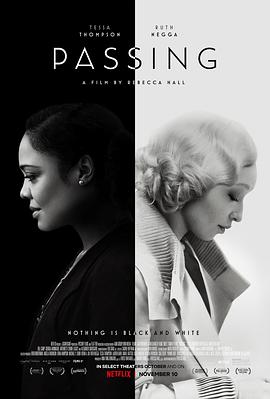
冒名之肤 (2021) [电影] IMDb 维基数据 豆瓣 TMDB
Passing
其它标题:
Passing
/
冒充白人
…
《白色通行证》改编自内拉·拉森于 1929 年撰写的著名同名小说,围绕两位黑人女性艾琳·雷德菲尔德(泰莎·汤普森饰)和克莱尔·肯德里(荣获奥斯卡金像奖提名的鲁丝·内伽饰)展开叙述,在 20 世纪 20 年代末纽约哈莱姆文艺复兴的鼎盛时期,她俩都可以冒充白人,却选择生活在以肤色为界的两个世界里。一个夏日午后,两名童年好友偶然再会,艾琳不情愿地让克莱尔登门拜访,结果克莱尔讨好起艾琳的丈夫(安德烈·霍兰饰)和家人,之后更打入她交游甚广的社交圈子。随着两人的生活更紧密地交织在一起,艾琳发现自己曾经稳定的生活开始因克莱尔的出现而天翻地覆。《白色通行证》是一部引人入胜的电影,审视了人性的痴迷和压抑。为了保护自己精心构筑的现实,人们可以对自己和他人说什么谎?
阿罗哈 (2015) [电影] 维基数据 IMDb 豆瓣 TMDB
Aloha
其它标题:
Aloha
/
恋上热爱岛(港)
…
布莱恩(布莱德利·库珀 Bradley Cooper 饰)是一名军火承包商,年纪轻轻的他便在行业内闯出了一片属于自己的天地,攀登上了事业的最高峰。某日,他被上司派往夏威夷火奴鲁鲁军事基地,那里正在进行一项间谍卫星的开发和研制,需要布莱恩的监督,布莱恩兴致勃勃的踏上了旅途。
让布莱恩没有想到的是,在目的地,等待着他要和他一同共事,是一位名叫艾莉森(艾玛·斯通 Emma Stone 饰)的女飞行员,艾莉森冷若冰霜而又不苟言笑,着实是一个严肃而又无趣的女人,这令布莱恩感到十分郁闷,与此同时,布莱恩对前女友崔西(瑞秋·麦克亚当斯 Rachel McAdams 饰)依然抱有着不切实际的幻想,他联系到了崔西,企图和她破镜重圆。

林肯的困境 (2022) [剧集] 豆瓣
Lincoln’s Dilemma
Discover a side of Abraham Lincoln you’ve never seen before. Inspired by David S. Reynolds’s book “Abe: Abraham, Lincoln in his Times,” Lincoln’s Dilemma comes to Apple TV+ February 18.
In this four-part docuseries, a diverse panel of historians and rare archival materials offer a more nuanced look into Abraham Lincoln's presidency.
圣女贞德 1993年版 [演出] 豆瓣
所属 演出: 圣女贞德
剧院:
Lyceum Theatre
导演:
Michael Langham
Shaw characterised Saint Joan as "A Chronicle Play in 6 Scenes and an Epilogue". Joan, a simple peasant girl, hears voices which she claims to be those of Saint Margaret, Saint Catherine, and the archangel Michael, sent by God to guide her conduct.
Scene 1 begins with Robert de Baudricourt complaining about the inability of the hens on his farm to produce eggs. Joan claims that her voices are telling her to raise a siege against Orléans, and to allow her several of his men for this purpose. Joan also says that she will eventually crown the Dauphin in Rheims cathedral. de Baudricourt ridicules Joan, but his servant feels inspired by her words. de Baudricourt eventually begins to feel the same sense of inspiration, and gives his consent to Joan. The servant enters at the end of the scene to exclaim that the hens have begun to lay eggs again. de Baudricourt interprets this as a sign from God of Joan's divine inspiration.
In Scene 2 (8 March 1429), Joan talks her way into being received at the court of the weak and vain Dauphin. There, she tells him that her voices have commanded her to help him become a true king by rallying his troops to drive out the English occupiers and restore France to greatness. Joan succeeds in doing this through her excellent powers of flattery, negotiation, leadership, and skill on the battlefield.
In Scene 3 (29 April 1429), Dunois and his page are waiting for the wind to turn so that he and his forces can lay siege to Orléans. Joan and Dunois commiserate, and Dunois attempts to explain to her more pragmatic realities of an attack, without the wind at their back. Her replies eventually inspire Dunois to rally the forces, and at the scene's end, the wind turns in their favour.
Ultimately she is betrayed, and captured by the English at the siege of Compiègne. Scene 6 (30 May 1431) deals with her trial. John de Stogumber is adamant that she be executed at once. The Inquisitor, the Bishop of Beauvais, and the Church officials on both sides of the trial have a long discussion on the nature of her heresy. Joan is brought to the court, and continues to assert that her voices speak to her directly from God and that she has no need of the Church's officials. This outrages de Stogumber. She acquiesces to the pressure of torture at the hands of her oppressors, and agrees to sign a confession relinquishing the truth behind her voices, so that she can live a life in permanent confinement without hope of parole. Upon hearing this, Joan changes her mind:
Joan: "You think that life is nothing but not being dead? It is not the bread and water I fear. I can live on bread. It is no hardship to drink water if the water be clean. But to shut me from the light of the sky and the sight of the fields and flowers; to chain my feet so that I can never again climb the hills. To make me breathe foul damp darkness, without these things I cannot live. And by your wanting to take them away from me, or from any human creature, I know that your council is of the devil."
Joan accepts the ultimate punishment of death at the stake as preferable to such an imprisoned existence. de Stogumber vehemently demands that Joan then be taken to the stake for immediate execution. The Inquisitor and the Bishop of Beauvais excommunicate her and deliver her into the hands of the English. The Inquisitor asserts that Joan was fundamentally innocent, in the sense that she was sincere and had no understanding of the church and the law. de Stogumber re-enters, screaming and severely shaken emotionally after seeing Joan die in the flames, the first time that he has witnessed such a death, and realising that he has not understood what it means to burn a person at the stake until he has actually seen it happen. A soldier had given Joan two sticks tied together in a cross before the moment of her death. Bishop Martin Ladvenu also reports that when he approached with a cross to let her see the cross before she died, and he approached too close to the flames, she had warned him of the danger from the stake, which convinced him that she could not have been under the inspiration of the devil.
In the Epilogue, 25 years after Joan's execution, a new trial has cleared her of heresy. Brother Martin brings the news to the now-King Charles. Charles then has a dream in which Joan appears to him. She begins conversing cheerfully not only with Charles, but with her old enemies, who also materialise in the King's bedroom. An emissary from the present day (at the time of the play, the 1920s) brings news that the Catholic Church is to canonise her, in the year 1920. Joan says that saints can work miracles, and asks if she can be resurrected. At this, all the characters desert her one by one, asserting that the world is not prepared to receive a saint such as her. The last to leave is the English soldier, who is about to engage in a conversation with Joan before he is summoned back to hell at the end of his 24-hour respite. The play ends with Joan ultimately despairing that mankind will never accept its saints:
O God that madest this beautiful earth, when will it be ready to accept thy saints? How long, O Lord, how long?
Scene 1 begins with Robert de Baudricourt complaining about the inability of the hens on his farm to produce eggs. Joan claims that her voices are telling her to raise a siege against Orléans, and to allow her several of his men for this purpose. Joan also says that she will eventually crown the Dauphin in Rheims cathedral. de Baudricourt ridicules Joan, but his servant feels inspired by her words. de Baudricourt eventually begins to feel the same sense of inspiration, and gives his consent to Joan. The servant enters at the end of the scene to exclaim that the hens have begun to lay eggs again. de Baudricourt interprets this as a sign from God of Joan's divine inspiration.
In Scene 2 (8 March 1429), Joan talks her way into being received at the court of the weak and vain Dauphin. There, she tells him that her voices have commanded her to help him become a true king by rallying his troops to drive out the English occupiers and restore France to greatness. Joan succeeds in doing this through her excellent powers of flattery, negotiation, leadership, and skill on the battlefield.
In Scene 3 (29 April 1429), Dunois and his page are waiting for the wind to turn so that he and his forces can lay siege to Orléans. Joan and Dunois commiserate, and Dunois attempts to explain to her more pragmatic realities of an attack, without the wind at their back. Her replies eventually inspire Dunois to rally the forces, and at the scene's end, the wind turns in their favour.
Ultimately she is betrayed, and captured by the English at the siege of Compiègne. Scene 6 (30 May 1431) deals with her trial. John de Stogumber is adamant that she be executed at once. The Inquisitor, the Bishop of Beauvais, and the Church officials on both sides of the trial have a long discussion on the nature of her heresy. Joan is brought to the court, and continues to assert that her voices speak to her directly from God and that she has no need of the Church's officials. This outrages de Stogumber. She acquiesces to the pressure of torture at the hands of her oppressors, and agrees to sign a confession relinquishing the truth behind her voices, so that she can live a life in permanent confinement without hope of parole. Upon hearing this, Joan changes her mind:
Joan: "You think that life is nothing but not being dead? It is not the bread and water I fear. I can live on bread. It is no hardship to drink water if the water be clean. But to shut me from the light of the sky and the sight of the fields and flowers; to chain my feet so that I can never again climb the hills. To make me breathe foul damp darkness, without these things I cannot live. And by your wanting to take them away from me, or from any human creature, I know that your council is of the devil."
Joan accepts the ultimate punishment of death at the stake as preferable to such an imprisoned existence. de Stogumber vehemently demands that Joan then be taken to the stake for immediate execution. The Inquisitor and the Bishop of Beauvais excommunicate her and deliver her into the hands of the English. The Inquisitor asserts that Joan was fundamentally innocent, in the sense that she was sincere and had no understanding of the church and the law. de Stogumber re-enters, screaming and severely shaken emotionally after seeing Joan die in the flames, the first time that he has witnessed such a death, and realising that he has not understood what it means to burn a person at the stake until he has actually seen it happen. A soldier had given Joan two sticks tied together in a cross before the moment of her death. Bishop Martin Ladvenu also reports that when he approached with a cross to let her see the cross before she died, and he approached too close to the flames, she had warned him of the danger from the stake, which convinced him that she could not have been under the inspiration of the devil.
In the Epilogue, 25 years after Joan's execution, a new trial has cleared her of heresy. Brother Martin brings the news to the now-King Charles. Charles then has a dream in which Joan appears to him. She begins conversing cheerfully not only with Charles, but with her old enemies, who also materialise in the King's bedroom. An emissary from the present day (at the time of the play, the 1920s) brings news that the Catholic Church is to canonise her, in the year 1920. Joan says that saints can work miracles, and asks if she can be resurrected. At this, all the characters desert her one by one, asserting that the world is not prepared to receive a saint such as her. The last to leave is the English soldier, who is about to engage in a conversation with Joan before he is summoned back to hell at the end of his 24-hour respite. The play ends with Joan ultimately despairing that mankind will never accept its saints:
O God that madest this beautiful earth, when will it be ready to accept thy saints? How long, O Lord, how long?